Introduction
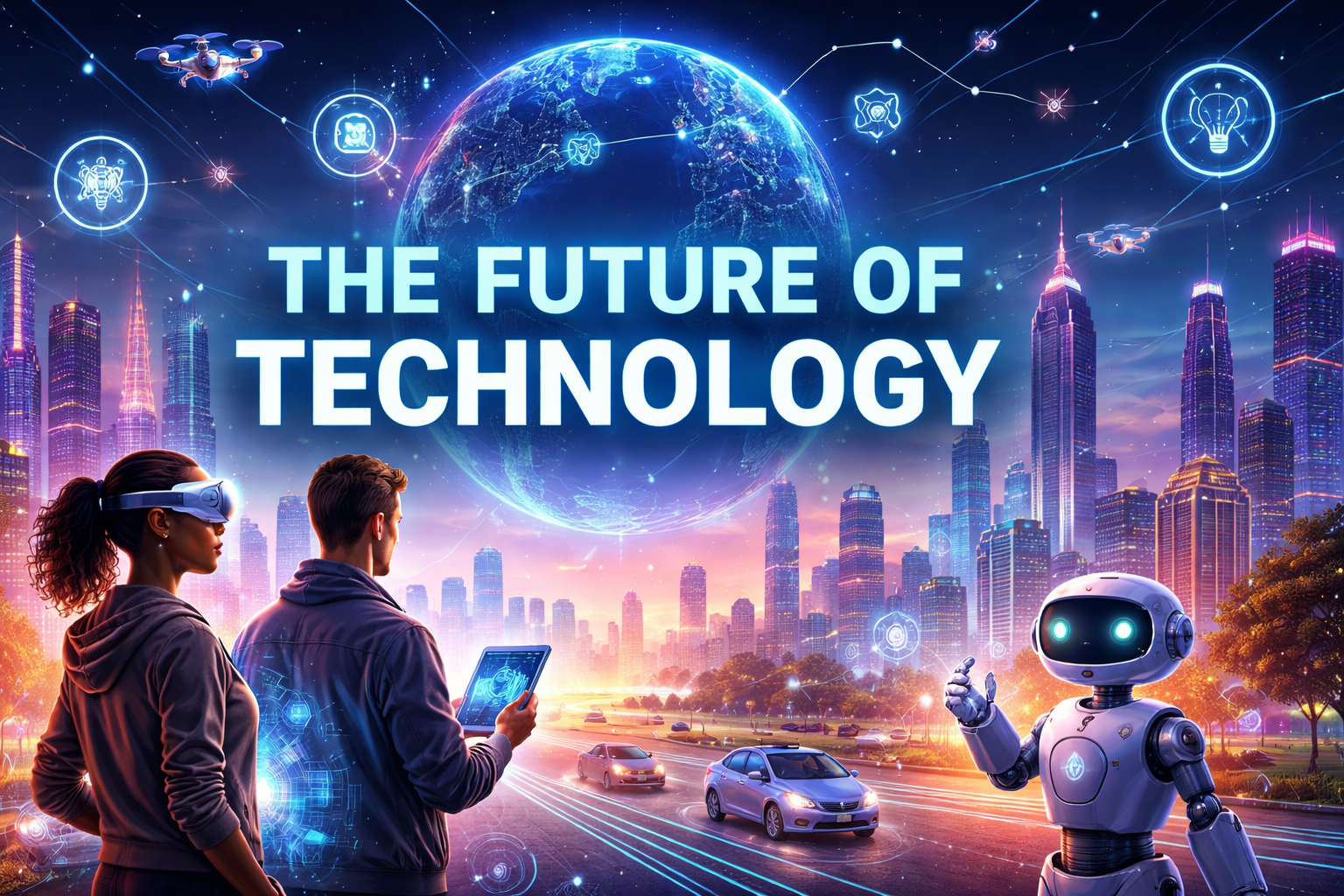
Technology is evolving at a pace that can feel both exciting and overwhelming. From artificial intelligence reshaping industries to breakthroughs in healthcare, transportation, and communication, the next decade promises to redefine how we live, work, and connect.
But what does the future really look like? Will robots replace jobs? Will cities become fully smart? Can technology solve global challenges like climate change?
In this in-depth guide, we explore what to expect in the next 10 years of technological innovation, breaking down key trends, real-world impacts, and what it means for individuals, businesses, and society.
1. Artificial Intelligence Will Become Everywhere
Artificial Intelligence (AI) is already part of daily life—from recommendation systems to voice assistants. Over the next decade, AI will move from being a helpful tool to becoming an essential layer of everyday systems.
Key Developments:
- AI-powered personal assistants will become more human-like
- Businesses will rely on AI for decision-making
- Automation will transform repetitive tasks
- AI in education will personalize learning experiences
Real Impact:
AI won’t just replace jobs—it will change how jobs are done. Humans will increasingly collaborate with AI rather than compete with it.
2. The Rise of Quantum Computing
Quantum computing is still in its early stages, but within 10 years, it could revolutionize problem-solving in ways classical computers cannot.
What It Means:
- Faster drug discovery
- Advanced climate modeling
- Breakthroughs in cryptography
Challenges:
- High cost
- Limited accessibility
- Technical complexity
Despite these challenges, quantum computing could become a game-changer for science and industry.
3. 5G and Beyond: The Hyperconnected World
With 5G already rolling out globally, the next decade will bring even faster connectivity and lower latency.
Expected Innovations:
- Seamless smart homes
- Real-time remote surgeries
- Fully connected transportation systems
Future Vision:
Imagine a world where everything is connected—your car, home, city infrastructure, and even wearable devices communicating instantly.
4. The Growth of Smart Cities
Urban areas will become smarter, safer, and more efficient through technology integration.
Features of Smart Cities:
- AI-managed traffic systems
- Energy-efficient buildings
- Smart waste management
- Real-time surveillance for safety
Benefits:
- Reduced pollution
- Improved quality of life
- Better resource management
Cities will increasingly use data to optimize urban living for everyone.
5. The Evolution of Remote Work and Digital Collaboration
The future of work is flexible, digital, and global.
What to Expect:
- Virtual offices powered by VR/AR
- AI-driven productivity tools
- Global talent collaboration without borders
Impact:
Work will become more inclusive, allowing people from different regions and backgrounds to participate in global opportunities.
6. Augmented Reality (AR) and Virtual Reality (VR)
AR and VR will move beyond gaming into everyday applications.
Use Cases:
- Virtual classrooms
- Remote training simulations
- Immersive shopping experiences
- Virtual tourism
Future Outlook:
The line between digital and physical worlds will blur, creating new ways to interact and experience reality.
7. Blockchain Beyond Cryptocurrency
Blockchain is often associated with cryptocurrency, but its real potential lies in secure, transparent systems.
Applications:
- Supply chain tracking
- Secure voting systems
- Digital identity verification
- Smart contracts
Why It Matters:
Blockchain could increase trust in digital systems by eliminating intermediaries.
8. Advances in Healthcare Technology
Healthcare will see some of the most impactful changes.
Key Innovations:
- AI-powered diagnostics
- Wearable health monitoring devices
- Telemedicine expansion
- Personalized medicine based on genetics
Future Impact:
Healthcare will become more preventive, personalized, and accessible.
9. Sustainable Technology and Green Innovation
As climate concerns grow, technology will play a key role in sustainability.
Trends:
- Renewable energy advancements
- Electric vehicles becoming mainstream
- Carbon capture technologies
- Smart energy grids
Outcome:
Technology will help reduce environmental impact and support a more sustainable future.
10. Robotics and Automation
Robots will become more common in industries and homes.
Applications:
- Manufacturing automation
- Delivery robots
- Home assistance robots
- Agricultural robotics
Human Role:
Humans will shift toward roles that require creativity, empathy, and complex decision-making.
11. Cybersecurity Will Become a Top Priority
As technology grows, so do security risks.
Emerging Threats:
- AI-powered cyberattacks
- Data privacy concerns
- Identity theft
Future Solutions:
- Advanced encryption
- AI-driven threat detection
- Stronger global regulations
Cybersecurity will be essential for maintaining trust in digital systems.
12. Space Technology and Exploration
The next decade could mark a new era in space exploration.
Developments:
- Commercial space travel
- Moon and Mars missions
- Satellite internet expansion
Impact:
Space technology could improve communication, research, and even open new economic opportunities.
13. Human-Technology Integration
Technology will increasingly integrate with the human body.
Examples:
- Brain-computer interfaces
- Advanced prosthetics
- Wearable tech enhancements
Ethical Considerations:
- Privacy concerns
- Accessibility and fairness
- Human identity questions
This area will require careful balance between innovation and ethics.
14. Education Will Be Transformed
Learning will become more flexible and personalized.
Future Trends:
- AI tutors
- Online immersive learning
- Skill-based education models
Outcome:
Education will become more inclusive, accessible, and tailored to individual needs.
15. The Ethical and Social Impact of Technology
Technology is not just about innovation—it’s about responsibility.
Key Issues:
- Digital inequality
- Bias in AI systems
- Data privacy
- Job displacement
Moving Forward:
Society must ensure that technological advancements benefit everyone, not just a few.
Conclusion
The next 10 years will bring extraordinary technological advancements that reshape nearly every aspect of life. From AI and quantum computing to sustainable innovation and smart cities, the future holds immense possibilities.
However, with great innovation comes responsibility. It is essential to ensure that technology is developed and used in ways that are ethical, inclusive, and beneficial for all.
The future of technology isn’t just something that happens—it’s something we actively shape.
Frequently Asked Questions (FAQ)
1. What is the most important technology of the future?
Artificial Intelligence is expected to be the most influential technology, as it will impact nearly every industry and aspect of daily life.
2. Will AI replace human jobs?
AI will automate some tasks, but it will also create new job opportunities. The focus will shift toward roles that require creativity, problem-solving, and emotional intelligence.
3. How will technology affect daily life in the future?
Technology will make life more convenient, connected, and efficient—from smart homes to personalized healthcare and digital workspaces.
4. What industries will benefit the most from future technology?
Healthcare, education, transportation, and energy are expected to see significant transformation.
5. Is future technology safe?
While technology offers many benefits, it also comes with risks such as cybersecurity threats and privacy concerns. Proper regulations and safeguards are essential.
6. What is a smart city?
A smart city uses technology and data to improve infrastructure, reduce waste, and enhance the quality of life for residents.
7. Will humans live on other planets in the next 10 years?
While full colonization may take longer, there will likely be significant progress in space exploration and potential human missions.
8. How can individuals prepare for the future of technology?
- Learn digital skills
- Stay updated on trends
- Be adaptable to change
- Focus on lifelong learning
References & Further Reading
Here are some valuable resources to explore the future of technology in more depth:
Leave a Reply