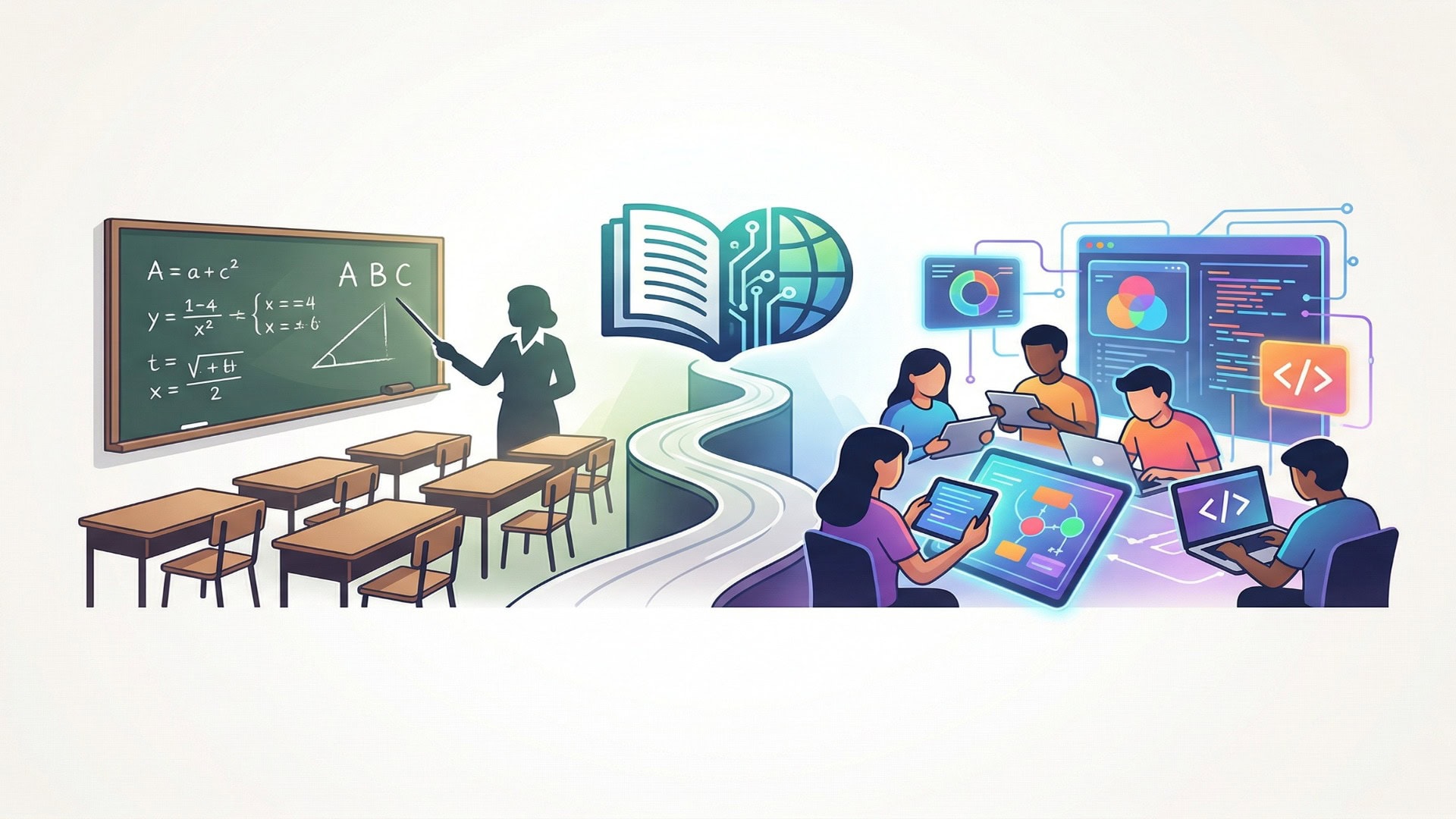
When we hear the word “education,” it is incredibly easy to immediately picture a classroom, a chalkboard, and a stack of textbooks. However, defining education strictly by formal schooling paints an incomplete picture. Education is fundamentally the process of acquiring knowledge, skills, values, and habits. Whether it happens in a university lecture hall, through a community workshop, or by navigating the complexities of daily life, education is the bedrock of personal development.
Personal development is a lifelong process. It is the conscious pursuit of personal growth by expanding self-awareness, building new skills, and realizing your fullest potential. In this comprehensive guide, we will explore the profound and multifaceted role of education in personal development, breaking down how learning shapes our minds, our emotions, our careers, and our communities.
1. Cognitive Growth: Sharpening the Mind
At its core, education is a workout for the human brain. It is the primary catalyst for cognitive development, which encompasses how we think, explore, and figure things out.
Building Critical Thinking Skills
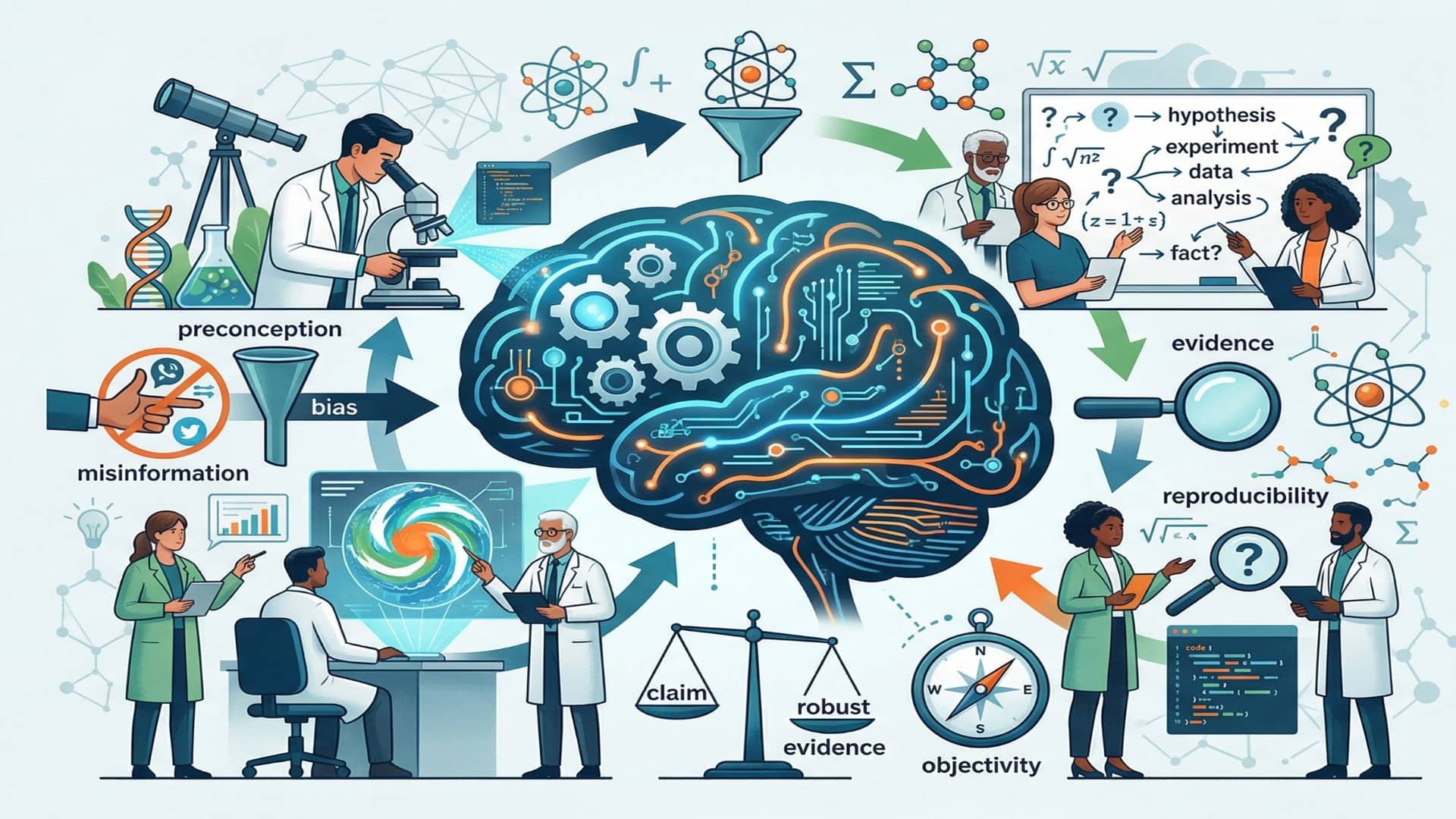
We live in an era of information overload. We are constantly bombarded with data, opinions, and news. Education equips us with the mental tools to sift through this noise. Instead of accepting information at face value, a well-educated mind asks questions: Who is the source? What is the evidence? Are there alternative perspectives? Critical thinking allows individuals to analyze complex problems and formulate reasoned judgments. For further reading on why these skills are critical in the modern world, you can explore insights from the World Economic Forum on the future of jobs and skills.
Fostering Neuroplasticity
Every time we learn something new, our brain forms new neural connections. This concept, known as neuroplasticity, proves that our cognitive abilities are not fixed at birth. By continuously engaging in educational pursuits—whether that means learning a new language, picking up a musical instrument, or mastering a new software program—we actively keep our brains agile and adaptable well into old age.
Expanding Worldviews
Ignorance breeds fear, while knowledge fosters understanding. Education exposes us to histories, cultures, and scientific realities far beyond our immediate surroundings. This exposure dismantles prejudices and cognitive biases, allowing individuals to approach the world with curiosity rather than apprehension.
2. Emotional Intelligence and Self-Awareness
While cognitive skills (often measured by IQ) are vital, emotional intelligence (EQ) is arguably just as important for personal development. Education—particularly environments that encourage collaboration and diverse interactions—plays a massive role in building EQ.
Developing Empathy
Inclusive educational environments bring together individuals from various backgrounds, cultures, and neurotypes. Interacting with people who have different life experiences teaches empathy. We learn to listen, to validate feelings we may not personally understand, and to navigate disagreements constructively.
Resilience and Managing Failure
Learning is rarely a linear journey. It is paved with mistakes, low grades, misunderstood concepts, and failed experiments.
“Failure is instructive. The person who really thinks learns quite as much from his failures as from his successes.” – John Dewey
A healthy educational framework teaches resilience. It frames failure not as an endpoint, but as a necessary stepping stone toward mastery. When individuals learn to tolerate the frustration of not knowing something immediately, they build emotional fortitude that carries over into personal relationships and life challenges.
Cultivating Self-Awareness
Education requires self-reflection. To learn effectively, you must understand your own learning style. Are you a visual learner? Do you need hands-on practice? Do you struggle with time management? By answering these questions throughout your educational journey, you develop a profound sense of self-awareness. You learn your strengths, your limitations, and the specific environments where you thrive. For deeper insights into the psychology of self-awareness, resources like the American Psychological Association offer extensive research and articles.
3. Career Advancement and Economic Empowerment
It is important to be candid: one of the primary reasons people pursue formal education is economic survival and mobility. While personal development is deeply philosophical, it is also highly practical. You cannot focus on self-actualization if you are constantly stressed about meeting your basic needs.
Acquiring Marketable Skills
The modern workforce is evolving rapidly due to automation and artificial intelligence. Education provides the foundational hard skills required to enter the job market. More importantly, it provides the meta-skill of learning how to learn, ensuring that individuals can adapt when their industries inevitably change.
Breaking Cycles of Poverty
Historically, access to education has been the most reliable vehicle for upward social mobility. For marginalized communities, education is a tool to dismantle systemic barriers. By acquiring knowledge and credentials, individuals gain access to higher-paying opportunities, healthier living conditions, and the ability to invest in the next generation.
The Confidence to Advocate for Oneself
Professional development is a core subset of personal development. Education gives people the vocabulary, the confidence, and the contextual knowledge to negotiate fair compensation, recognize workplace exploitation, and advocate for equitable treatment in professional settings.
4. The Social and Civic Dimensions
Personal development does not happen in a vacuum. We are social creatures, and our individual growth is intimately tied to how we interact with our communities.
Cultivating Civic Responsibility
A well-rounded education includes an understanding of civics, history, and social structures. It teaches individuals how societies function and how they can actively participate in shaping them. Educated individuals are historically more likely to vote, volunteer, and engage in community organizing.
Promoting Inclusive Communities
Education is the antidote to systemic exclusion. When education incorporates inclusive language, diverse historical narratives, and accessible learning tools, it models the kind of society we should strive to build. It teaches us to respect all folks, regardless of race, gender identity, socioeconomic background, or physical ability.
A Comparison of Development Areas and Educational Impact:
| Area of Development | How Education Drives It | Real-World Application |
| Cognitive | Builds problem-solving skills and critical thinking. | Analyzing news sources, managing finances, fixing a household issue. |
| Emotional | Fosters resilience, patience, and self-awareness. | Navigating interpersonal conflicts, handling workplace stress. |
| Professional | Provides hard skills and adaptability. | Securing employment, pivoting to a new career, negotiating salary. |
| Social/Civic | Teaches societal structures and empathy. | Participating in local government, advocating for community rights. |
5. Lifelong Learning: The Modern Educational Paradigm
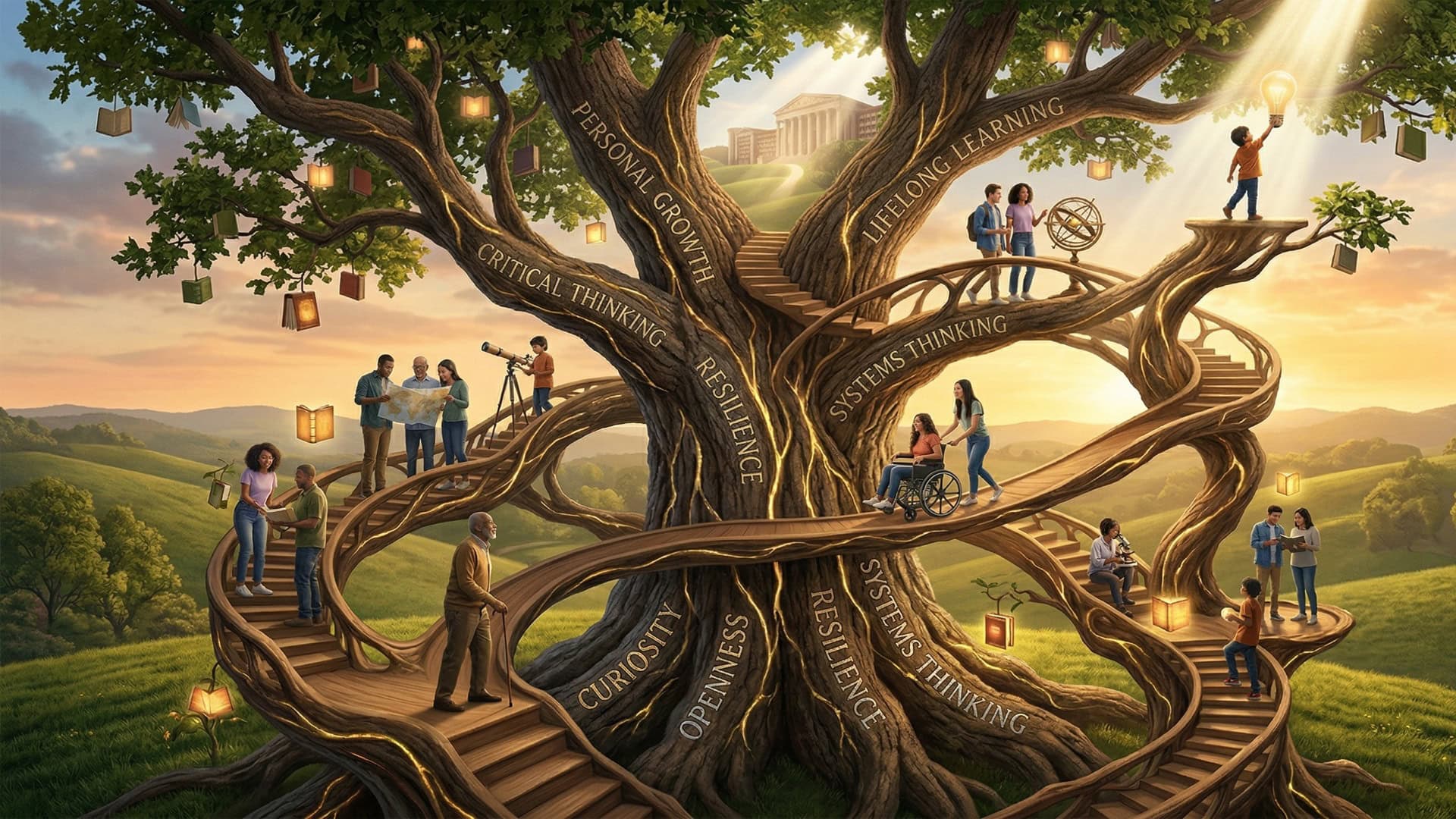
The narrative that education ends when you receive a diploma is entirely outdated. In the context of personal development, education is a continuous, lifelong pursuit.
The Rise of Informal Education
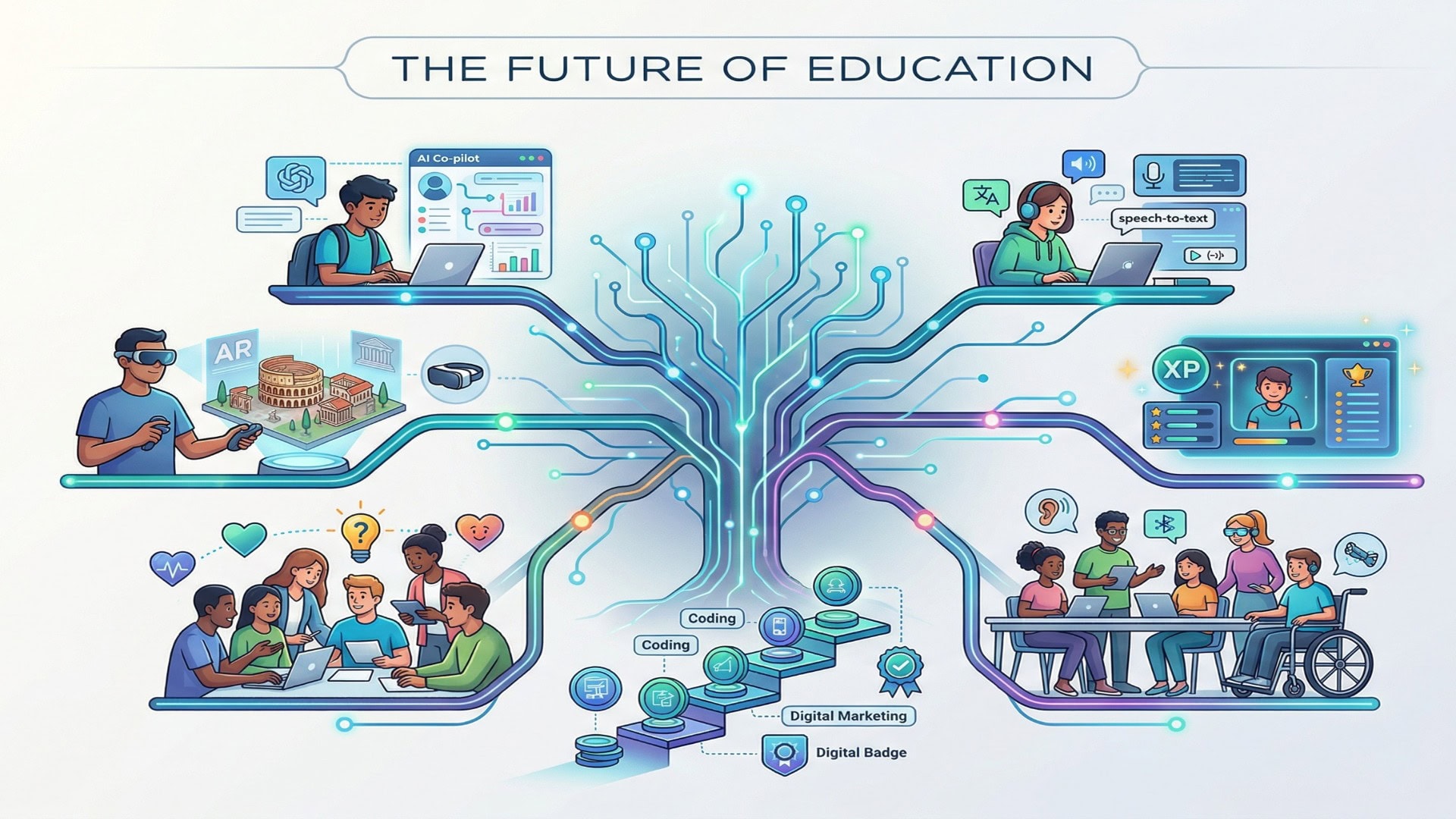
Today, formal schooling is just one piece of the puzzle. The internet has democratized access to information. Podcasts, online courses, YouTube tutorials, and community workshops are all valid and highly effective forms of education. You do not need a university degree to experience profound personal growth through learning.
Upskilling and Reskilling
Because the world changes so quickly, lifelong learning is no longer a luxury; it is a necessity. Upskilling (learning new skills to advance in your current field) and reskilling (learning entirely new skills to change fields) are ongoing processes. Taking charge of your own continuing education is the ultimate act of personal development because it requires self-motivation and discipline.
6. Acknowledging and Overcoming Barriers
To speak about education and personal development honestly, we must acknowledge that access to quality education is not universally equal. Systemic inequalities, economic barriers, and ableist societal structures prevent many brilliant individuals from accessing traditional learning environments.
The Importance of Accessibility
For education to truly serve humankind, it must be accessible to everyone. This means advocating for:
- Affordable or free public schooling and higher education.
- Accessible physical campuses and digital platforms for individuals with disabilities.
- Support systems for neurodivergent learners who may not thrive in traditional, rigid academic settings.
- Representation in curriculums so that all learners see themselves reflected in history and literature.
Personal development is a human right, not a privilege reserved for the wealthy. Recognizing these systemic barriers allows us to redefine education. If formal avenues are blocked, community-led initiatives, self-directed learning, and peer-to-peer skill sharing become incredibly vital acts of resistance and growth.
Conclusion
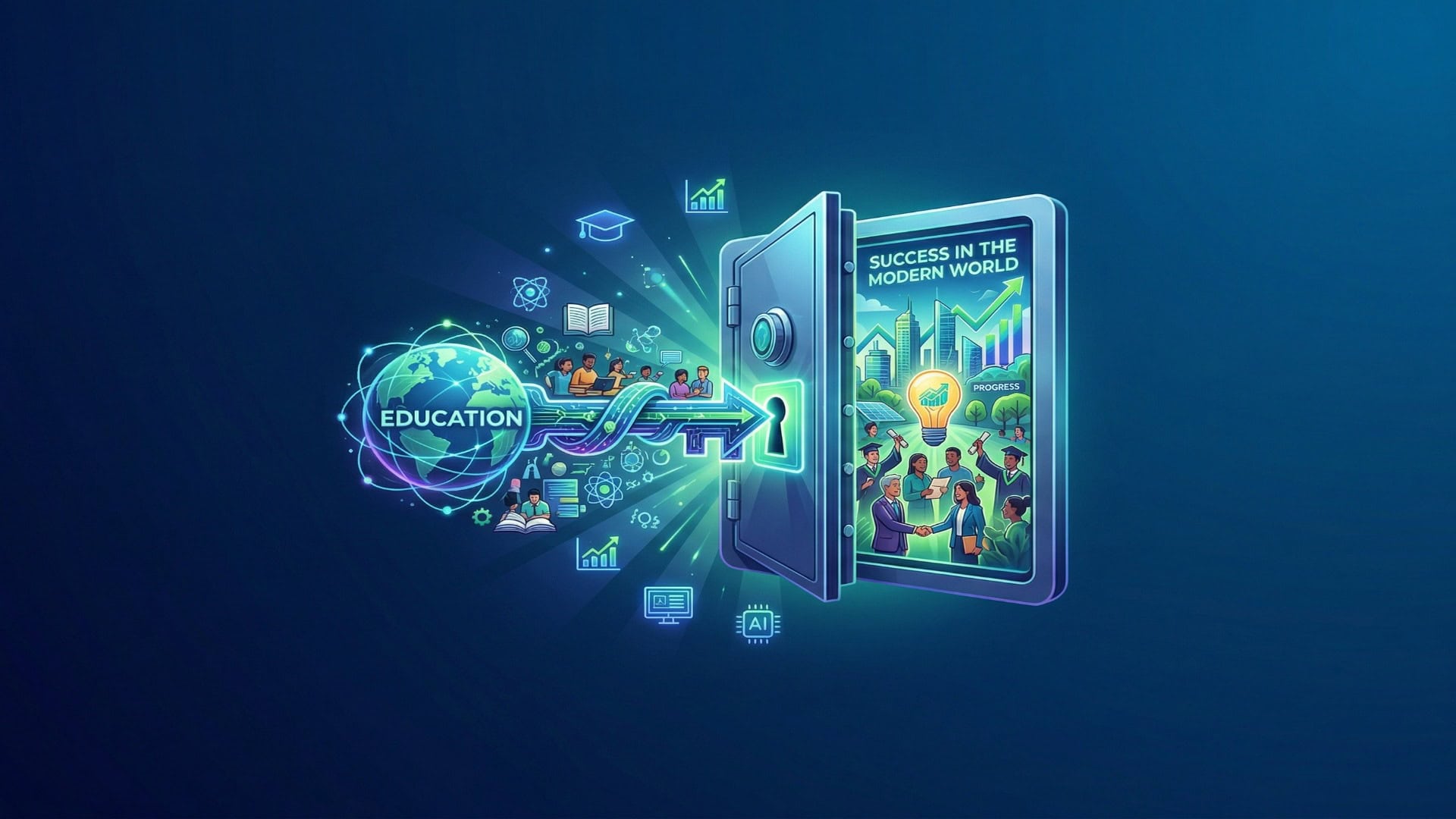
The role of education in personal development is absolute and all-encompassing. It is the engine that drives cognitive sharpness, emotional depth, professional capability, and civic duty. By viewing education not as a finite task to be completed, but as a lifelong journey of curiosity, we open ourselves up to endless possibilities for growth. Remember that every book read, every difficult conversation navigated, and every new skill practiced is a step forward in your personal development journey. Keep asking questions, keep challenging your own assumptions, and never stop learning.
Frequently Asked Questions (FAQ)
What is the difference between formal and informal education in personal development?
Formal education refers to structured, institutional learning that typically results in a credential (like high school, university, or trade school). It provides foundational knowledge and societal recognition. Informal education happens outside these structures—through reading, traveling, hobbies, mentorships, and life experiences. Both are equally crucial for personal development. Formal education often opens career doors, while informal education deeply shapes character, practical wisdom, and specialized passions.
Can personal development happen without formal education?
Absolutely. While formal education provides a structured pathway and specific socioeconomic advantages, personal development is intrinsically tied to a willingness to learn, not a piece of paper. Many of the most empathetic, resilient, and skilled individuals are self-taught. Through community resources, books, online platforms, and practical life experience, profound personal growth is entirely possible outside of traditional academic institutions.
How does education improve mental health?
Education can positively impact mental health by providing individuals with coping mechanisms, problem-solving skills, and a deeper understanding of human psychology. Learning about mental health itself helps destigmatize struggles and encourages people to seek help when needed. Furthermore, the act of learning builds confidence, provides a sense of purpose, and fosters social connections, all of which are protective factors against anxiety and depression.
How do I start educating myself for personal growth as an adult?
The best approach is to start small and follow your genuine curiosity. You do not need to enroll in a massive, expensive degree program.
- Identify a topic you know nothing about but find interesting.
- Read a highly-rated book or listen to a dedicated podcast on the subject.
- Take a free online course through platforms like Coursera or edX.
- Focus on consistency rather than intensity; dedicating just 20 minutes a day to learning something new compounds massively over time.
Why is inclusive language important in educational settings?
Inclusive language respects and acknowledges the diversity of all learners. It ensures that no one is alienated or marginalized by the words used in textbooks, lectures, or classroom discussions. When education utilizes inclusive language, it creates psychological safety. Learners can only truly develop and reach their potential when they feel seen, respected, and safe in their learning environment.