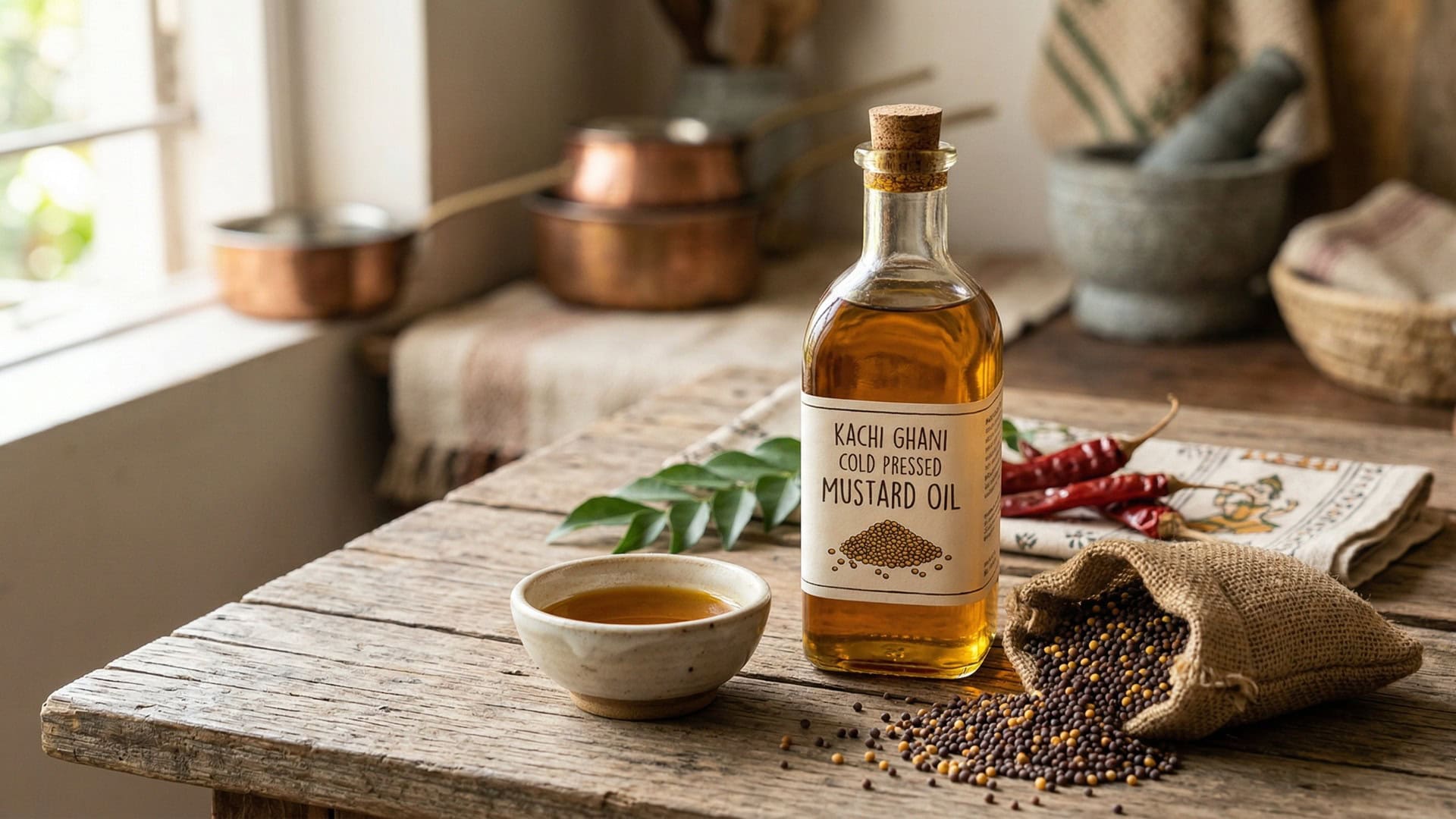
With its pungent aroma, vibrant golden color, and sharp flavor profile, mustard oil has been a foundational ingredient in global kitchens for centuries. Primarily associated with the culinary traditions of South Asia, Eastern India, and parts of Europe, this robust oil is much more than just a cooking medium. It holds a significant place in traditional wellness practices, particularly in Ayurvedic systems, where it is utilized for everything from massage therapy to respiratory relief.
However, mustard oil also comes with a complex modern reputation. Depending on where you live in the world, it might be revered as a heart-healthy cooking staple or restricted to external use only by food safety regulatory bodies.
This comprehensive guide dives deep into the world of mustard oil. We will explore its nutritional profile, scientifically backed health benefits, practical uses in and out of the kitchen, and the facts surrounding its safety and consumption.
What Exactly is Mustard Oil?
Mustard oil is derived from the seeds of the mustard plant (Brassica nigra, Brassica juncea, or Brassica hirta). Before exploring its benefits, it is crucial to understand that the term “mustard oil” can actually refer to three distinct products, and confusing them can lead to significant misunderstandings about its safety and applications.
1. Pressed Mustard Oil (The Cooking Oil)
This is the fatty vegetable oil extracted directly by pressing mustard seeds. In many parts of the world, particularly in India, Bangladesh, and Pakistan, this is a daily cooking staple. The most prized version is cold-pressed or “Kachi Ghani,” a traditional extraction method that crushes the seeds at low temperatures to retain the natural flavors, antioxidants, and nutritional integrity of the oil.
2. Mustard Essential Oil
This is an entirely different product created by grinding mustard seeds, mixing them with water, and extracting the resulting volatile oil through distillation. This process produces a highly concentrated liquid rich in allyl isothiocyanate, the compound responsible for mustard’s sharp heat. Because of its extreme potency, mustard essential oil is toxic if ingested directly and is strictly used in minute quantities as a flavoring agent or in targeted topical applications after heavy dilution.
3. Mustard Oil Used for Infusion
Sometimes, a neutral carrier oil (like soybean or sunflower oil) is infused with mustard seed extract. This is often sold in Western countries to replicate the flavor of traditional mustard oil without the specific fatty acid profile that concerns regulatory bodies.
Note: For the remainder of this article, when we refer to “mustard oil,” we are discussing the pressed vegetable oil traditionally used for cooking and topical applications.
Detailed Nutrition Facts
Mustard oil boasts a unique and highly debated nutritional profile. It is incredibly rich in healthy fats, particularly monounsaturated fatty acids (MUFAs) and polyunsaturated fatty acids (PUFAs), which are renowned for supporting cardiovascular health.
Here is a breakdown of the nutritional content found in one tablespoon (approximately 14 grams) of pure pressed mustard oil:
| Nutrient | Amount per Tablespoon |
| Calories | 124 |
| Total Fat | 14g |
| Saturated Fat | 1.6g |
| Monounsaturated Fat (MUFA) | 8.3g |
| Polyunsaturated Fat (PUFA) | 3g |
| Carbohydrates | 0g |
| Protein | 0g |
| Sodium | 0mg |
| Vitamin E | Trace amounts |
| Vitamin K | Trace amounts |
The Fat Profile Explained
What makes mustard oil nutritionally distinct is its specific blend of fats:
- Low in Saturated Fat: Compared to tropical oils like coconut or palm oil, mustard oil is very low in saturated fats, which are often linked to elevated LDL (bad) cholesterol when consumed in excess.
- High in MUFAs: Similar to olive oil, mustard oil is abundant in monounsaturated fats. MUFAs are praised for their ability to help lower blood pressure and improve overall heart health.
- Optimal Omega Ratio: Mustard oil contains both Omega-3 (alpha-linolenic acid) and Omega-6 (linoleic acid) fatty acids. Nutritionists often highlight mustard oil because it naturally provides an optimal ratio of these essential fats, which is crucial for regulating inflammation in the body.
The Controversy: Erucic Acid and FDA Regulations
It is impossible to discuss the nutrition and consumption of mustard oil without addressing erucic acid.
Erucic acid is a type of monounsaturated fatty acid naturally found in high concentrations within mustard seeds. Traditional pressed mustard oil can contain anywhere from 20% to 50% erucic acid.
Why is it Restricted?
In the mid-20th century, animal studies (primarily conducted on rats) suggested that consuming high amounts of erucic acid could lead to myocardial lipidosis—an accumulation of fat in the heart muscle that impairs its function. Based on these findings, regulatory agencies like the United States Food and Drug Administration (FDA), Health Canada, and the European Food Safety Authority (EFSA) placed strict limits on erucic acid in edible oils.
In the United States, pure pressed mustard oil cannot legally be sold as an item intended for human consumption. If you purchase traditional mustard oil in a US grocery store, you will likely notice a mandatory warning label stating: “For External Use Only.”
The Counter-Perspective
Despite these regulations, millions of people across South Asia and parts of Eastern Europe have consumed high-erucic-acid mustard oil daily for centuries without apparent widespread cardiovascular toxicity. Many experts argue that human metabolisms process erucic acid much more efficiently than the rats used in the initial studies. Furthermore, large-scale epidemiological studies in India have occasionally correlated traditional mustard oil consumption with a reduced risk of heart disease, likely due to its high Omega-3 and MUFA content.
Today, agricultural science has developed specific breeds of mustard seeds that yield oil with negligible levels of erucic acid. In the West, this low-erucic-acid version is commonly known as Canola oil (an acronym for “Canada Oil, Low Acid”).
Evidence-Based Health Benefits
When used appropriately and safely, mustard oil offers several compelling health benefits backed by traditional practice and modern research.
1. Potent Antimicrobial Properties
Mustard oil contains allyl isothiocyanate, a powerful organic compound that has demonstrated significant antimicrobial activity. Studies indicate that mustard oil can inhibit the growth of common, harmful bacteria such as E. coli, Salmonella, and Staphylococcus aureus. Additionally, it exhibits strong antifungal properties, making it an effective agent against certain yeast strains and dermatophytes that cause skin infections.
2. May Support Heart Health
For populations that consume mustard oil, its high concentration of monounsaturated and polyunsaturated fats plays a vital role in cardiovascular health. Replacing dietary saturated fats with the types of fats found in mustard oil has been consistently linked to lowered LDL (bad) cholesterol levels, increased HDL (good) cholesterol, and a reduced risk of coronary artery disease.
3. Relief from Inflammation and Pain
In traditional wellness systems, mustard oil is prized as a natural analgesic. Allyl isothiocyanate affects the pain receptors in the body, which can help desensitize them over time. When gently warmed and massaged into the skin, mustard oil can provide significant relief for joint pain, arthritis flare-ups, and muscle aches. Furthermore, the presence of Omega-3 fatty acids helps reduce systemic inflammation, addressing pain at its root cause.
4. Respiratory Relief and Decongestion
One of the most common traditional uses of mustard oil is as a home remedy for cold and cough symptoms. Its pungent nature acts as a natural decongestant.
- Chest Rubs: Warmed mustard oil mixed with crushed garlic or camphor is frequently massaged onto the chest and back to loosen phlegm and clear the respiratory tract.
- Steam Inhalation: Adding a few drops of pure mustard oil to a bowl of boiling water and inhaling the steam can help open up blocked nasal passages and soothe irritated sinuses.
5. Enhances Blood Circulation
When applied topically, mustard oil acts as a rubefacient, meaning it stimulates blood flow to the surface of the skin. This warming effect not only feels soothing but also helps deliver oxygen and vital nutrients to localized tissues, which can speed up muscle recovery and promote a healthy, glowing complexion.
Culinary Uses: Cooking with Mustard Oil
If you reside in a region where culinary consumption of mustard oil is common, or if you choose to use it in your cooking, understanding how to handle it is essential to achieving the best flavor.
The Smoke Point
Mustard oil has a relatively high smoke point, clocking in at approximately 480°F (250°C). This makes it exceptionally well-suited for high-heat cooking methods such as deep-frying, pan-frying, and roasting.
The “Smoking” Technique
If you taste raw mustard oil, you will find it incredibly sharp, bitter, and overwhelmingly pungent—often enough to make your eyes water. To mellow this intensity and make the oil palatable for cooking, it must be conditioned first.
- Pour the required amount of mustard oil into a heavy-bottomed wok or pan.
- Heat the oil over medium-high heat until it reaches its smoke point. You will see thin wisps of white smoke rising from the surface, and the dark yellow color will turn slightly paler.
- Once it smokes, turn off the heat and allow the oil to cool slightly before adding your spices, aromatics, or ingredients.
- This process, known as “smoking the oil,” volatilizes some of the harsher compounds, leaving behind a rich, nutty, and savory flavor profile that deeply enhances vegetables, meats, and seafood.
Common Culinary Applications
- Tadka (Tempering): It is the foundation of many Indian curries and dals. Whole spices like cumin, mustard seeds, and dried chilies are bloomed in hot mustard oil to release their essential oils.
- Pickling: It is an unparalleled preservative. The antimicrobial properties and robust flavor make it the primary oil used in South Asian mango, lime, and chili pickles.
- Marinades: In dishes like Tandoori chicken or Bengali fish curries, raw mustard oil is whisked into marinades to provide a distinct, tangy bite that cuts through the richness of proteins.
Topical Uses: Hair and Skin Care
Beyond the kitchen, mustard oil is an anchor ingredient in many global beauty and wellness regimens.
Scalp Health and Hair Vitality
Mustard oil is frequently used as a pre-wash hair treatment.
- Nourishment: It is rich in natural fats that coat the hair shaft, reducing moisture loss and preventing breakage.
- Scalp Stimulation: Massaging the oil into the scalp increases blood circulation to the hair follicles, which many believe encourages thicker, healthier hair growth.
- Dandruff Control: Its antifungal properties can help mitigate the growth of Malassezia, the yeast responsible for many cases of dandruff.
How to use it for hair: Warm a small amount of oil and gently massage it into the scalp and down the lengths of the hair. Leave it on for 30 minutes to an hour before washing out thoroughly with a gentle shampoo. (Note: Because it is a heavy oil, you may need to shampoo twice).
Skincare and Massage
Mustard oil is a traditional favorite for body massages, particularly during cold winter months, due to its thermogenic (warming) properties.
- Dry Skin Relief: Its thick consistency creates a barrier on the skin, locking in hydration and soothing rough, chapped patches.
- Heel Repair: It is often applied to cracked heels at night, followed by wearing socks, to deeply moisturize and repair the skin barrier.
Caution for Skincare: While traditionally used for infant massages in some cultures, modern dermatologists often advise against using pure mustard oil on babies or individuals with highly sensitive skin. Its high oleic acid content and sharp compounds can potentially disrupt the delicate skin barrier or cause contact dermatitis. Always perform a patch test before incorporating it into your routine.
Potential Side Effects and Precautions
While mustard oil offers numerous benefits, it is a potent substance that demands respect and proper usage.
- Skin Irritation: As mentioned, allyl isothiocyanate can be highly irritating. Applying raw mustard oil directly to the skin can cause stinging, redness, or allergic contact dermatitis in sensitive individuals.
- Macular Degeneration Risk (Theoretical): Some older studies have hypothesized a link between high dietary intake of erucic acid and an increased risk of macular degeneration (vision loss), though conclusive human data remains sparse.
- Pregnancy Considerations: Pregnant individuals are generally advised to consume mustard oil in moderation and avoid excessive topical use, as its warming and stimulating properties are highly potent.
- Adulteration Risks: Historically, there have been instances where commercial mustard oil was adulterated with cheaper, toxic oils like argemone oil. Consuming adulterated oil can lead to a dangerous condition known as epidemic dropsy. It is vital to purchase mustard oil from reputable, certified brands.
How to Choose and Store Mustard Oil
To reap the maximum benefits from mustard oil, quality is paramount.
Buying Guide
- Look for Cold-Pressed: Seek out labels that say “Cold-Pressed,” “Kachi Ghani,” or “Raw.” This ensures the oil was extracted without high heat or harsh chemical solvents, preserving its nutrients and natural flavor.
- Check the Color and Aroma: High-quality mustard oil should have a deep, vibrant golden-brown hue and a sharp, mustardy aroma that you can smell even before heating.
- Verify the Source: Purchase from reputable brands that adhere to strict food safety and purity standards to avoid the risk of adulteration.
Storage Tips
Because it contains polyunsaturated fats, mustard oil can eventually go rancid if exposed to improper conditions.
- Keep it Dark: Store the oil in a dark glass bottle or an opaque container to protect it from light degradation.
- Keep it Cool: Store it in a cool, dry pantry away from the stove or direct heat sources.
- Seal Tightly: Oxygen exposure accelerates rancidity. Ensure the cap is screwed on tightly after every use.
- Shelf Life: When stored correctly, a high-quality cold-pressed mustard oil typically lasts for 6 to 12 months. If the oil develops a sour, stale, or paint-like odor, it has oxidized and should be discarded.
Frequently Asked Questions (FAQ)
Is mustard oil the same as canola oil?
No. While they both come from the seeds of plants in the Brassica family, they are very different. Traditional mustard oil is pressed from standard mustard seeds and contains high levels of erucic acid. Canola oil is derived from a specifically cross-bred variety of the rapeseed plant designed to have incredibly low, negligible levels of erucic acid, making it globally approved for consumption.
Why does mustard oil make my eyes water when heated?
The strong, pungent aroma that causes your eyes to water is due to the presence of allyl isothiocyanate. When the oil is heated, this volatile compound vaporizes into the air, interacting with the moisture in your eyes and nasal passages, creating a stinging sensation similar to chopping raw onions.
Can I use mustard oil for a daily face moisturizer?
It is generally not recommended as a daily facial moisturizer. The skin on the face is delicate, and mustard oil is highly comedogenic (pore-clogging) and potentially irritating. It is better suited for the thicker skin on the body, scalp, or feet.
Is it safe to consume mustard oil if I live in the US?
In the United States, pure pressed mustard oil is legally sold “For External Use Only” due to FDA regulations regarding erucic acid. However, many individuals from South Asian diasporas continue to use it for culinary purposes based on cultural tradition. If you choose to consume it, it is a personal decision, but medical and regulatory authorities in the US advise against using it as a dietary fat.
Does mustard oil really cure colds?
Mustard oil does not “cure” a viral cold, but it is an effective symptomatic treatment. The warming effect of chest rubs and the decongestant properties of inhaling its vapor can temporarily relieve congestion, soothe a cough, and make breathing easier while your immune system fights off the virus.
Reference Links
To ensure the accuracy and safety of your dietary and wellness choices, always consult with healthcare professionals. The following resources provide further reading on the nutritional science and regulatory status of mustard oil:
-
United States Food and Drug Administration (FDA) – Code of Federal Regulations on Erucic Acid:
https://www.accessdata.fda.gov/scripts/cdrh/cfdocs/cfcfr/CFRSearch.cfm?fr=184.1555
-
U.S. Department of Agriculture (USDA) FoodData Central – Mustard Oil Nutrition Information:
https://fdc.nal.usda.gov/fdc-app.html#/food-details/171013/nutrients
-
National Institutes of Health (NIH) – Studies on the Antimicrobial Activity of Allyl Isothiocyanate:
https://pubmed.ncbi.nlm.nih.gov/ (Search query: “Allyl isothiocyanate antimicrobial activity”)
-
American Heart Association (AHA) – Dietary Fats and Cardiovascular Health:
https://www.heart.org/en/healthy-living/healthy-eating/eat-smart/fats
-
Journal of Preventive Cardiology – Dietary Fats and Heart Disease in India:
https://www.jpc.org/ (Archive on dietary fats, mustard oil, and epidemiology)
Leave a Reply