Category: Spices

  • Mustard Oil: Benefits, Uses, and Nutrition Facts Explained

    Mustard Oil: Benefits, Uses, and Nutrition Facts Explained

    With its pungent aroma, vibrant golden color, and sharp flavor profile, mustard oil has been a foundational ingredient in global kitchens for centuries. Primarily associated with the culinary traditions of South Asia, Eastern India, and parts of Europe, this robust oil is much more than just a cooking medium. It holds a significant place in traditional wellness practices, particularly in Ayurvedic systems, where it is utilized for everything from massage therapy to respiratory relief.

    However, mustard oil also comes with a complex modern reputation. Depending on where you live in the world, it might be revered as a heart-healthy cooking staple or restricted to external use only by food safety regulatory bodies.

    This comprehensive guide dives deep into the world of mustard oil. We will explore its nutritional profile, scientifically backed health benefits, practical uses in and out of the kitchen, and the facts surrounding its safety and consumption.


    What Exactly is Mustard Oil?

    Mustard oil is derived from the seeds of the mustard plant (Brassica nigra, Brassica juncea, or Brassica hirta). Before exploring its benefits, it is crucial to understand that the term “mustard oil” can actually refer to three distinct products, and confusing them can lead to significant misunderstandings about its safety and applications.

    1. Pressed Mustard Oil (The Cooking Oil)

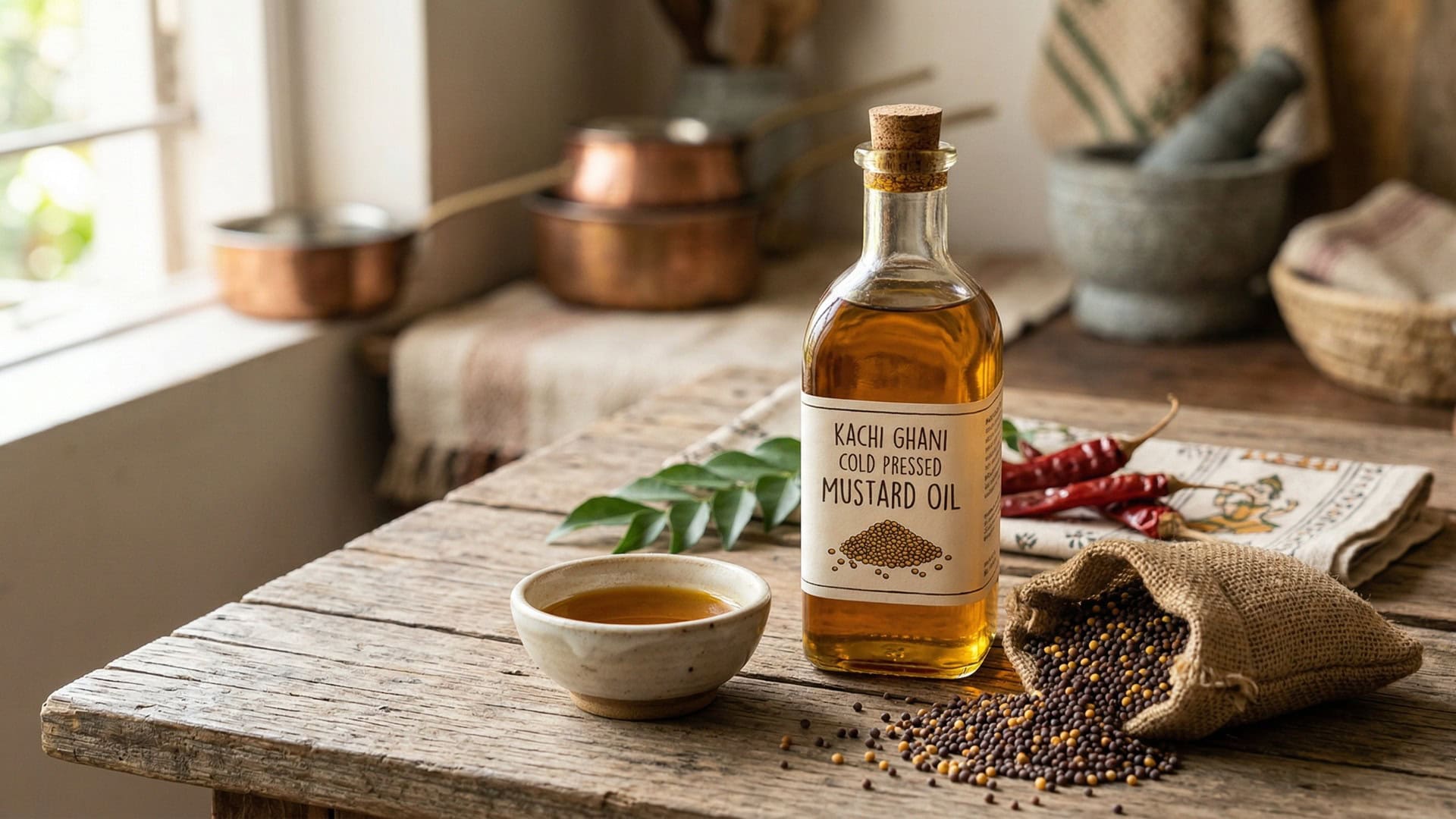
    This is the fatty vegetable oil extracted directly by pressing mustard seeds. In many parts of the world, particularly in India, Bangladesh, and Pakistan, this is a daily cooking staple. The most prized version is cold-pressed or “Kachi Ghani,” a traditional extraction method that crushes the seeds at low temperatures to retain the natural flavors, antioxidants, and nutritional integrity of the oil.

    2. Mustard Essential Oil

    This is an entirely different product created by grinding mustard seeds, mixing them with water, and extracting the resulting volatile oil through distillation. This process produces a highly concentrated liquid rich in allyl isothiocyanate, the compound responsible for mustard’s sharp heat. Because of its extreme potency, mustard essential oil is toxic if ingested directly and is strictly used in minute quantities as a flavoring agent or in targeted topical applications after heavy dilution.

    3. Mustard Oil Used for Infusion

    Sometimes, a neutral carrier oil (like soybean or sunflower oil) is infused with mustard seed extract. This is often sold in Western countries to replicate the flavor of traditional mustard oil without the specific fatty acid profile that concerns regulatory bodies.

    Note: For the remainder of this article, when we refer to “mustard oil,” we are discussing the pressed vegetable oil traditionally used for cooking and topical applications.


    Detailed Nutrition Facts

    Mustard oil boasts a unique and highly debated nutritional profile. It is incredibly rich in healthy fats, particularly monounsaturated fatty acids (MUFAs) and polyunsaturated fatty acids (PUFAs), which are renowned for supporting cardiovascular health.

    Here is a breakdown of the nutritional content found in one tablespoon (approximately 14 grams) of pure pressed mustard oil:

    Nutrient Amount per Tablespoon
    Calories 124
    Total Fat 14g
    Saturated Fat 1.6g
    Monounsaturated Fat (MUFA) 8.3g
    Polyunsaturated Fat (PUFA) 3g
    Carbohydrates 0g
    Protein 0g
    Sodium 0mg
    Vitamin E Trace amounts
    Vitamin K Trace amounts

    The Fat Profile Explained

    What makes mustard oil nutritionally distinct is its specific blend of fats:

    • Low in Saturated Fat: Compared to tropical oils like coconut or palm oil, mustard oil is very low in saturated fats, which are often linked to elevated LDL (bad) cholesterol when consumed in excess.
    • High in MUFAs: Similar to olive oil, mustard oil is abundant in monounsaturated fats. MUFAs are praised for their ability to help lower blood pressure and improve overall heart health.
    • Optimal Omega Ratio: Mustard oil contains both Omega-3 (alpha-linolenic acid) and Omega-6 (linoleic acid) fatty acids. Nutritionists often highlight mustard oil because it naturally provides an optimal ratio of these essential fats, which is crucial for regulating inflammation in the body.

    The Controversy: Erucic Acid and FDA Regulations

    It is impossible to discuss the nutrition and consumption of mustard oil without addressing erucic acid.

    Erucic acid is a type of monounsaturated fatty acid naturally found in high concentrations within mustard seeds. Traditional pressed mustard oil can contain anywhere from 20% to 50% erucic acid.

    Why is it Restricted?

    In the mid-20th century, animal studies (primarily conducted on rats) suggested that consuming high amounts of erucic acid could lead to myocardial lipidosis—an accumulation of fat in the heart muscle that impairs its function. Based on these findings, regulatory agencies like the United States Food and Drug Administration (FDA), Health Canada, and the European Food Safety Authority (EFSA) placed strict limits on erucic acid in edible oils.

    In the United States, pure pressed mustard oil cannot legally be sold as an item intended for human consumption. If you purchase traditional mustard oil in a US grocery store, you will likely notice a mandatory warning label stating: “For External Use Only.”

    The Counter-Perspective

    Despite these regulations, millions of people across South Asia and parts of Eastern Europe have consumed high-erucic-acid mustard oil daily for centuries without apparent widespread cardiovascular toxicity. Many experts argue that human metabolisms process erucic acid much more efficiently than the rats used in the initial studies. Furthermore, large-scale epidemiological studies in India have occasionally correlated traditional mustard oil consumption with a reduced risk of heart disease, likely due to its high Omega-3 and MUFA content.

    Today, agricultural science has developed specific breeds of mustard seeds that yield oil with negligible levels of erucic acid. In the West, this low-erucic-acid version is commonly known as Canola oil (an acronym for “Canada Oil, Low Acid”).


    Evidence-Based Health Benefits

    When used appropriately and safely, mustard oil offers several compelling health benefits backed by traditional practice and modern research.

    1. Potent Antimicrobial Properties

    Mustard oil contains allyl isothiocyanate, a powerful organic compound that has demonstrated significant antimicrobial activity. Studies indicate that mustard oil can inhibit the growth of common, harmful bacteria such as E. coli, Salmonella, and Staphylococcus aureus. Additionally, it exhibits strong antifungal properties, making it an effective agent against certain yeast strains and dermatophytes that cause skin infections.

    2. May Support Heart Health

    For populations that consume mustard oil, its high concentration of monounsaturated and polyunsaturated fats plays a vital role in cardiovascular health. Replacing dietary saturated fats with the types of fats found in mustard oil has been consistently linked to lowered LDL (bad) cholesterol levels, increased HDL (good) cholesterol, and a reduced risk of coronary artery disease.

    3. Relief from Inflammation and Pain

    In traditional wellness systems, mustard oil is prized as a natural analgesic. Allyl isothiocyanate affects the pain receptors in the body, which can help desensitize them over time. When gently warmed and massaged into the skin, mustard oil can provide significant relief for joint pain, arthritis flare-ups, and muscle aches. Furthermore, the presence of Omega-3 fatty acids helps reduce systemic inflammation, addressing pain at its root cause.

    4. Respiratory Relief and Decongestion

    One of the most common traditional uses of mustard oil is as a home remedy for cold and cough symptoms. Its pungent nature acts as a natural decongestant.

    • Chest Rubs: Warmed mustard oil mixed with crushed garlic or camphor is frequently massaged onto the chest and back to loosen phlegm and clear the respiratory tract.
    • Steam Inhalation: Adding a few drops of pure mustard oil to a bowl of boiling water and inhaling the steam can help open up blocked nasal passages and soothe irritated sinuses.

    5. Enhances Blood Circulation

    When applied topically, mustard oil acts as a rubefacient, meaning it stimulates blood flow to the surface of the skin. This warming effect not only feels soothing but also helps deliver oxygen and vital nutrients to localized tissues, which can speed up muscle recovery and promote a healthy, glowing complexion.


    Culinary Uses: Cooking with Mustard Oil

    If you reside in a region where culinary consumption of mustard oil is common, or if you choose to use it in your cooking, understanding how to handle it is essential to achieving the best flavor.

    The Smoke Point

    Mustard oil has a relatively high smoke point, clocking in at approximately 480°F (250°C). This makes it exceptionally well-suited for high-heat cooking methods such as deep-frying, pan-frying, and roasting.

    The “Smoking” Technique

    If you taste raw mustard oil, you will find it incredibly sharp, bitter, and overwhelmingly pungent—often enough to make your eyes water. To mellow this intensity and make the oil palatable for cooking, it must be conditioned first.

    1. Pour the required amount of mustard oil into a heavy-bottomed wok or pan.
    2. Heat the oil over medium-high heat until it reaches its smoke point. You will see thin wisps of white smoke rising from the surface, and the dark yellow color will turn slightly paler.
    3. Once it smokes, turn off the heat and allow the oil to cool slightly before adding your spices, aromatics, or ingredients.
    4. This process, known as “smoking the oil,” volatilizes some of the harsher compounds, leaving behind a rich, nutty, and savory flavor profile that deeply enhances vegetables, meats, and seafood.

    Common Culinary Applications

    • Tadka (Tempering): It is the foundation of many Indian curries and dals. Whole spices like cumin, mustard seeds, and dried chilies are bloomed in hot mustard oil to release their essential oils.
    • Pickling: It is an unparalleled preservative. The antimicrobial properties and robust flavor make it the primary oil used in South Asian mango, lime, and chili pickles.
    • Marinades: In dishes like Tandoori chicken or Bengali fish curries, raw mustard oil is whisked into marinades to provide a distinct, tangy bite that cuts through the richness of proteins.

    Topical Uses: Hair and Skin Care

    Beyond the kitchen, mustard oil is an anchor ingredient in many global beauty and wellness regimens.

    Scalp Health and Hair Vitality

    Mustard oil is frequently used as a pre-wash hair treatment.

    • Nourishment: It is rich in natural fats that coat the hair shaft, reducing moisture loss and preventing breakage.
    • Scalp Stimulation: Massaging the oil into the scalp increases blood circulation to the hair follicles, which many believe encourages thicker, healthier hair growth.
    • Dandruff Control: Its antifungal properties can help mitigate the growth of Malassezia, the yeast responsible for many cases of dandruff.

    How to use it for hair: Warm a small amount of oil and gently massage it into the scalp and down the lengths of the hair. Leave it on for 30 minutes to an hour before washing out thoroughly with a gentle shampoo. (Note: Because it is a heavy oil, you may need to shampoo twice).

    Skincare and Massage

    Mustard oil is a traditional favorite for body massages, particularly during cold winter months, due to its thermogenic (warming) properties.

    • Dry Skin Relief: Its thick consistency creates a barrier on the skin, locking in hydration and soothing rough, chapped patches.
    • Heel Repair: It is often applied to cracked heels at night, followed by wearing socks, to deeply moisturize and repair the skin barrier.

    Caution for Skincare: While traditionally used for infant massages in some cultures, modern dermatologists often advise against using pure mustard oil on babies or individuals with highly sensitive skin. Its high oleic acid content and sharp compounds can potentially disrupt the delicate skin barrier or cause contact dermatitis. Always perform a patch test before incorporating it into your routine.


    Potential Side Effects and Precautions

    While mustard oil offers numerous benefits, it is a potent substance that demands respect and proper usage.

    1. Skin Irritation: As mentioned, allyl isothiocyanate can be highly irritating. Applying raw mustard oil directly to the skin can cause stinging, redness, or allergic contact dermatitis in sensitive individuals.
    2. Macular Degeneration Risk (Theoretical): Some older studies have hypothesized a link between high dietary intake of erucic acid and an increased risk of macular degeneration (vision loss), though conclusive human data remains sparse.
    3. Pregnancy Considerations: Pregnant individuals are generally advised to consume mustard oil in moderation and avoid excessive topical use, as its warming and stimulating properties are highly potent.
    4. Adulteration Risks: Historically, there have been instances where commercial mustard oil was adulterated with cheaper, toxic oils like argemone oil. Consuming adulterated oil can lead to a dangerous condition known as epidemic dropsy. It is vital to purchase mustard oil from reputable, certified brands.

    How to Choose and Store Mustard Oil

    To reap the maximum benefits from mustard oil, quality is paramount.

    Buying Guide

    • Look for Cold-Pressed: Seek out labels that say “Cold-Pressed,” “Kachi Ghani,” or “Raw.” This ensures the oil was extracted without high heat or harsh chemical solvents, preserving its nutrients and natural flavor.
    • Check the Color and Aroma: High-quality mustard oil should have a deep, vibrant golden-brown hue and a sharp, mustardy aroma that you can smell even before heating.
    • Verify the Source: Purchase from reputable brands that adhere to strict food safety and purity standards to avoid the risk of adulteration.

    Storage Tips

    Because it contains polyunsaturated fats, mustard oil can eventually go rancid if exposed to improper conditions.

    • Keep it Dark: Store the oil in a dark glass bottle or an opaque container to protect it from light degradation.
    • Keep it Cool: Store it in a cool, dry pantry away from the stove or direct heat sources.
    • Seal Tightly: Oxygen exposure accelerates rancidity. Ensure the cap is screwed on tightly after every use.
    • Shelf Life: When stored correctly, a high-quality cold-pressed mustard oil typically lasts for 6 to 12 months. If the oil develops a sour, stale, or paint-like odor, it has oxidized and should be discarded.

    Frequently Asked Questions (FAQ)

    Is mustard oil the same as canola oil?

    No. While they both come from the seeds of plants in the Brassica family, they are very different. Traditional mustard oil is pressed from standard mustard seeds and contains high levels of erucic acid. Canola oil is derived from a specifically cross-bred variety of the rapeseed plant designed to have incredibly low, negligible levels of erucic acid, making it globally approved for consumption.

    Why does mustard oil make my eyes water when heated?

    The strong, pungent aroma that causes your eyes to water is due to the presence of allyl isothiocyanate. When the oil is heated, this volatile compound vaporizes into the air, interacting with the moisture in your eyes and nasal passages, creating a stinging sensation similar to chopping raw onions.

    Can I use mustard oil for a daily face moisturizer?

    It is generally not recommended as a daily facial moisturizer. The skin on the face is delicate, and mustard oil is highly comedogenic (pore-clogging) and potentially irritating. It is better suited for the thicker skin on the body, scalp, or feet.

    Is it safe to consume mustard oil if I live in the US?

    In the United States, pure pressed mustard oil is legally sold “For External Use Only” due to FDA regulations regarding erucic acid. However, many individuals from South Asian diasporas continue to use it for culinary purposes based on cultural tradition. If you choose to consume it, it is a personal decision, but medical and regulatory authorities in the US advise against using it as a dietary fat.

    Does mustard oil really cure colds?

    Mustard oil does not “cure” a viral cold, but it is an effective symptomatic treatment. The warming effect of chest rubs and the decongestant properties of inhaling its vapor can temporarily relieve congestion, soothe a cough, and make breathing easier while your immune system fights off the virus.


    Reference Links

    To ensure the accuracy and safety of your dietary and wellness choices, always consult with healthcare professionals. The following resources provide further reading on the nutritional science and regulatory status of mustard oil:

    1. United States Food and Drug Administration (FDA) – Code of Federal Regulations on Erucic Acid:

      https://www.accessdata.fda.gov/scripts/cdrh/cfdocs/cfcfr/CFRSearch.cfm?fr=184.1555

    2. U.S. Department of Agriculture (USDA) FoodData Central – Mustard Oil Nutrition Information:

      https://fdc.nal.usda.gov/fdc-app.html#/food-details/171013/nutrients

    3. National Institutes of Health (NIH) – Studies on the Antimicrobial Activity of Allyl Isothiocyanate:

      https://pubmed.ncbi.nlm.nih.gov/ (Search query: “Allyl isothiocyanate antimicrobial activity”)

    4. American Heart Association (AHA) – Dietary Fats and Cardiovascular Health:

      https://www.heart.org/en/healthy-living/healthy-eating/eat-smart/fats

    5. Journal of Preventive Cardiology – Dietary Fats and Heart Disease in India:

      https://www.jpc.org/ (Archive on dietary fats, mustard oil, and epidemiology)
  • The Ultimate Guide to Fennel Seeds (Saunf): Benefits, Nutrition Facts, and Daily Uses

    The Ultimate Guide to Fennel Seeds (Saunf): Benefits, Nutrition Facts, and Daily Uses

    If you have ever dined at an Indian, Pakistani, or Middle Eastern restaurant, you have likely encountered a bowl of tiny, pale green seeds near the exit. These are fennel seeds, widely known as “saunf” in Hindi and Urdu. Traditionally chewed after meals to freshen breath and aid digestion, these tiny seeds pack a massive nutritional punch.

    But fennel seeds are much more than just a post-dinner palate cleanser. For thousands of years, they have been a staple in both culinary and traditional medicine practices across the globe. From ancient Roman kitchens to Ayurvedic apothecaries, the fennel plant (Foeniculum vulgare) has been celebrated for its distinct, sweet licorice flavor and its wide array of health-promoting properties.

    In this comprehensive guide, we will explore the science-backed health benefits, detailed nutrition facts, versatile everyday uses, and potential precautions associated with fennel seeds. Whether you are looking to soothe an upset stomach, add a new flavor profile to your cooking, or simply understand what makes saunf so special, you are in the right place.


    What Are Fennel Seeds?

    Fennel is a hardy, perennial herb belonging to the Apiaceae family, which makes it a close relative of carrots, celery, dill, and parsley. The plant itself features feathery leaves and bright yellow flowers, but it is the dried seeds that are most commonly used as a spice.

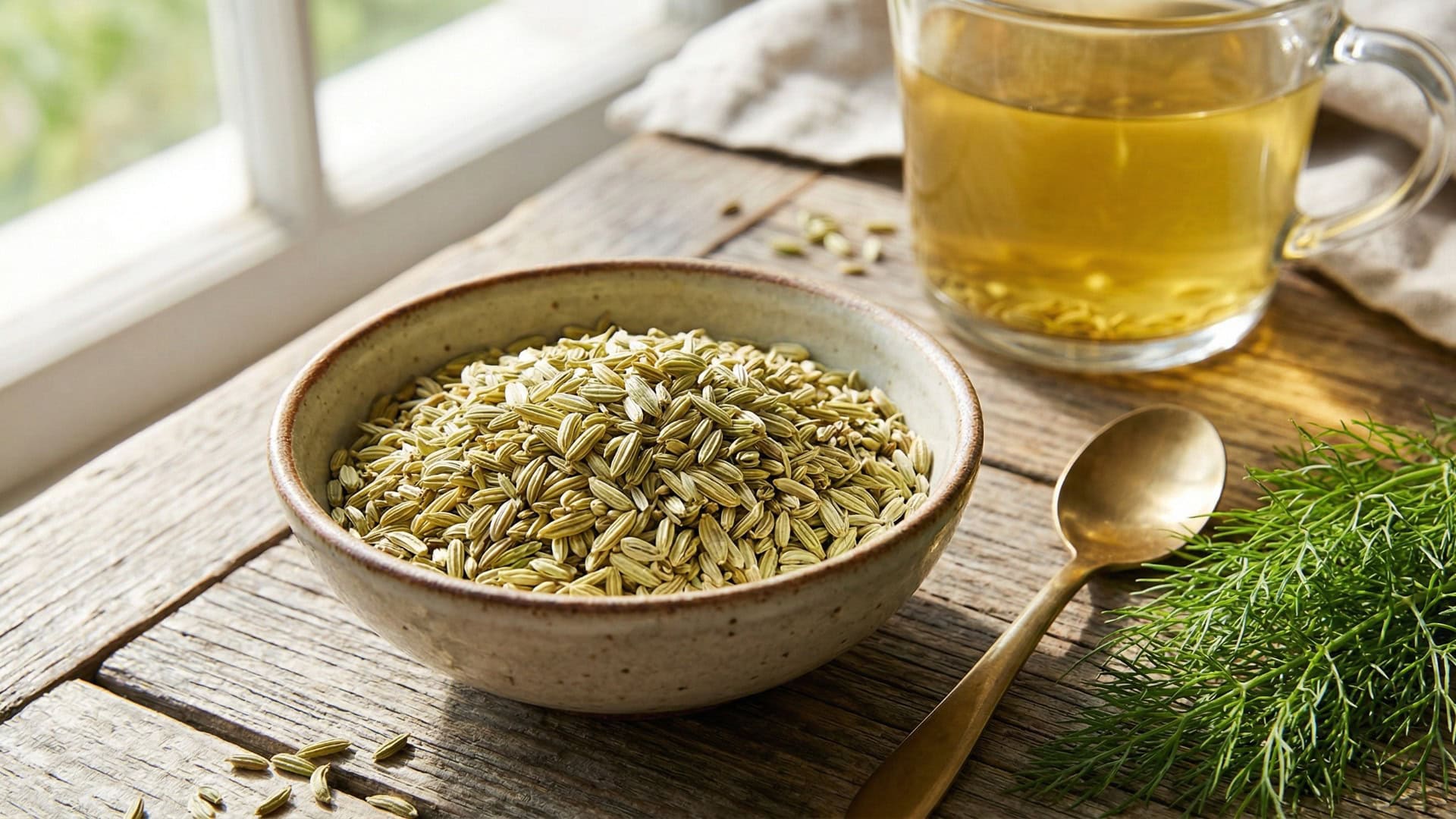
    Fennel seeds are native to the Mediterranean region but are now cultivated globally, thriving in dry soils near sea coasts and riverbanks. They have a ridged, oval shape and a warm, sweet, and slightly woody aroma. The dominant flavor profile is often compared to anise or licorice, thanks to the presence of a powerful essential oil called anethole.

    A Brief History

    Historically, fennel was highly valued by ancient Greeks and Romans. The Greek name for fennel is marathon, derived from the site of the famous Battle of Marathon, where fennel reportedly grew in abundance. Roman warriors are said to have consumed fennel seeds to build courage and strength before battle. Over centuries, knowledge of the seed’s digestive and medicinal properties spread throughout Asia, Europe, and the Middle East, cementing its place in global wellness traditions.


    Nutrition Facts: What is Inside Fennel Seeds?

    Despite their small size, fennel seeds are incredibly nutrient-dense. They provide an excellent source of essential minerals and dietary fiber while remaining very low in calories.

    Here is a breakdown of the nutritional profile for one tablespoon (approximately 5.8 grams) of dried fennel seeds:

    Nutrient Amount per 1 Tbsp (5.8g) Percentage of Daily Value (DV)
    Calories 20 kcal 1%
    Protein 0.9 g 2%
    Carbohydrates 3.0 g 1%
    Dietary Fiber 2.3 g 8%
    Fat 0.9 g 1%
    Calcium 69 mg 5%
    Iron 1.1 mg 6%
    Magnesium 22 mg 5%
    Potassium 98 mg 2%
    Manganese 0.4 mg 17%

    Key Nutritional Highlights:

    • Manganese: Fennel seeds are exceptionally rich in manganese, an essential trace mineral required for enzyme activation, metabolism, cellular protection, and bone development.
    • Dietary Fiber: Just one tablespoon provides nearly 2.5 grams of dietary fiber, which is vital for maintaining a healthy digestive tract and regulating blood sugar levels.
    • Calcium and Iron: These seeds offer plant-based sources of calcium for bone health and iron for healthy red blood cell production.
    • Antioxidant Compounds: Beyond standard vitamins and minerals, fennel seeds are loaded with over 87 volatile compounds, including polyphenol antioxidants like rosmarinic acid, chlorogenic acid, quercetin, and apigenin.

    Top Health Benefits of Fennel Seeds

    The medicinal properties of fennel seeds are largely attributed to their rich concentration of essential oils and antioxidants. Here is what current scientific research says about the health benefits of adding fennel seeds to your diet.

    1. Highly Effective for Digestive Health

    Perhaps the most famous use for fennel seeds is as a digestive aid. The essential oils present in the seeds, particularly anethole, fenchone, and estragole, possess antispasmodic and anti-inflammatory properties.

    When you chew fennel seeds or drink fennel tea, these compounds help to relax the smooth muscles of the gastrointestinal tract. This can significantly reduce symptoms of:

    • Bloating and flatulence
    • Indigestion and heartburn
    • Stomach cramps
    • Irritable Bowel Syndrome (IBS)

    Furthermore, the dietary fiber in fennel seeds adds bulk to your stool, promoting regular bowel movements and preventing constipation.

    2. Rich in Powerful Antioxidants

    Antioxidants are compounds that neutralize harmful free radicals in the body, protecting cells from oxidative stress and damage. Chronic oxidative stress is linked to numerous conditions, including heart disease, type 2 diabetes, and certain cancers.

    Fennel seeds are abundant in polyphenols. Studies have shown that individuals who consume diets high in polyphenols have a lower risk of chronic diseases. The volatile oils in fennel seeds not only provide their distinct aroma but also act as potent scavengers of free radicals, supporting overall cellular health and longevity.

    3. May Suppress Appetite and Aid Weight Management

    If you are looking for natural support for your weight management journey, fennel seeds might be a helpful addition. Some research suggests that fennel seeds may act as a mild appetite suppressant.

    In a study involving healthy individuals, those who drank a tea made with fennel seeds before a meal reported feeling significantly less hungry and consumed fewer calories during the meal compared to those who drank a placebo tea. This effect is likely due to the presence of anethole, which may influence appetite-regulating hormones.

    Note: Fennel seeds are not a magic solution for weight loss. They should be used to complement a balanced diet and regular physical activity.

    4. Supports Heart Health

    Fennel seeds contribute to cardiovascular health in multiple ways. First, their high fiber content is known to help lower cholesterol levels. Dietary fiber binds to bile salts in the digestive system, which the body then excretes. To replace these bile salts, the body pulls cholesterol from the blood, thereby lowering overall cholesterol levels.

    Secondly, fennel seeds are a good source of potassium, a vital mineral that helps regulate blood pressure. Potassium acts as a vasodilator, relaxing the tension in blood vessels and reducing the strain on the cardiovascular system.

    5. Exhibits Antibacterial and Antimicrobial Properties

    The essential oils extracted from fennel seeds have demonstrated impressive antibacterial and antifungal properties in test-tube studies. They have been shown to inhibit the growth of certain harmful bacteria, including Escherichia coli (E. coli) and Staphylococcus aureus.

    This antimicrobial action is one reason why chewing fennel seeds is an effective natural remedy for bad breath; it helps neutralize the bacteria in the mouth that cause oral malodor.

    6. May Relieve Menstrual Cramps

    For menstruating individuals, dysmenorrhea (painful menstrual cramps) can severely impact daily life. Fennel seeds have been studied as a natural alternative to over-the-counter pain relievers for managing this pain.

    Research indicates that the active compounds in fennel help relax the muscles of the uterus and reduce the production of prostaglandins—hormone-like substances that trigger uterine contractions and pain. Several studies have found that taking fennel seed extract during menstruation can be as effective as standard painkillers in reducing the severity of cramps.

    7. Support for Breastfeeding People

    Fennel has been used for centuries as a galactagogue—a substance that promotes and increases the production of breast milk. The compound anethole, found in fennel seeds, is believed to mimic the properties of estrogen, a hormone that plays a key role in milk production.

    While many breastfeeding people swear by fennel tea to boost their milk supply, it is important to consult with a healthcare provider or a lactation consultant before using herbal remedies during lactation, as individual responses can vary.


    How to Use Fennel Seeds in Your Daily Routine

    Incorporating fennel seeds into your lifestyle is incredibly easy, thanks to their versatile flavor profile. Here are some of the best ways to use them:

    1. As a Culinary Spice

    Fennel seeds are a cornerstone of many global cuisines. You can use them whole or grind them into a fine powder.

    • Indian Cuisine: They are a key ingredient in Panch Phoron (a Bengali five-spice blend) and are often used to temper dals (lentil soups) and curries.
    • Italian Cuisine: Fennel seeds are traditionally used to flavor Italian sausages, meatballs, and marinara sauces.
    • Baking: Try adding a pinch of ground fennel to bread doughs, biscuits, or crackers for an aromatic, savory twist.
    • Roasting: Toasting fennel seeds in a dry skillet for a few minutes before using them in recipes dramatically enhances their flavor and releases their essential oils.

    2. Fennel Seed Tea

    Brewing fennel tea is one of the most effective ways to extract its digestive benefits.

    How to make it:

    1. Crush 1 teaspoon of whole fennel seeds lightly using a mortar and pestle to release their oils.
    2. Place the crushed seeds in a mug.
    3. Pour 1 cup of boiling water over the seeds.
    4. Cover and steep for 5 to 10 minutes.
    5. Strain the tea and enjoy it plain or with a touch of honey. Drink this after heavy meals to prevent bloating.

    3. As a Natural Mouth Freshener (Mukhwas)

    Follow the South Asian tradition and chew a small pinch (about half a teaspoon) of raw or dry-roasted fennel seeds after meals. For a sweeter treat, you can mix them with some desiccated coconut, sesame seeds, and a tiny bit of rock sugar to create your own Mukhwas.


    Potential Side Effects and Precautions

    While fennel seeds are generally safe for most people when consumed in culinary amounts, there are a few precautions to keep in mind, especially when using them in highly concentrated forms like extracts or essential oils.

    • Allergic Reactions: Individuals who are allergic to other plants in the Apiaceae family (such as celery, carrots, dill, or mugwort) may also be allergic to fennel.
    • Pregnancy: While culinary amounts are safe, pregnant individuals should avoid consuming medicinal amounts or highly concentrated fennel supplements. High doses of fennel have estrogenic effects and can potentially stimulate uterine contractions.
    • Medication Interactions: Fennel may interact with certain medications, including blood thinners and estrogen pills. If you are taking regular medication, consult your doctor before introducing fennel supplements into your routine.
    • Endocrine-Sensitive Conditions: Because of its weak estrogen-like properties, people with conditions sensitive to estrogen (like certain types of breast cancer or endometriosis) should speak with their healthcare provider before using medicinal amounts of fennel.

    Fennel Seeds vs. Anise Seeds: What is the Difference?

    Because they share a similar licorice-like flavor, fennel seeds and anise seeds are often confused. While they belong to the same broader botanical family, they are distinct plants.

    Feature Fennel Seeds (Foeniculum vulgare) Anise Seeds (Pimpinella anisum)
    Size & Shape Larger, slightly curved, pale green to yellowish-brown. Smaller, comma-shaped, darker brown.
    Flavor Profile Milder, sweeter, more delicate licorice flavor with woody notes. Much stronger, sharper, and more pungent licorice flavor.
    Common Uses Savory dishes, digestive teas, mouth fresheners, sausages. Sweet baking (biscotti), liqueurs (ouzo, sambuca), candies.

    Conclusion

    Fennel seeds, or saunf, are a tiny but mighty addition to any pantry. With their impressive nutritional profile, high concentration of antioxidants, and long history of treating digestive woes, they offer an accessible and natural way to support your overall health.

    Whether you are chewing them after a hearty meal, brewing a comforting cup of fennel tea, or experimenting with them in your kitchen, fennel seeds provide a beautiful synergy of culinary delight and wellness benefits. Just remember that while they are a wonderful addition to a healthy lifestyle, they are best enjoyed in moderation.


    Frequently Asked Questions (FAQ)

    1. Is it safe to eat raw fennel seeds every day?

    Yes, it is perfectly safe for most people to consume 1 to 2 teaspoons of raw or roasted fennel seeds daily. Chewing a small amount after meals is a common and healthy practice to aid digestion and freshen breath.

    2. Can drinking fennel water reduce belly fat?

    There is no specific “belly fat burning” food. However, fennel water can aid in weight management by improving digestion, reducing bloating (which makes the stomach appear flatter), and acting as a mild appetite suppressant to prevent overeating.

    3. Does fennel seed tea have caffeine?

    No, fennel seed tea is naturally 100% caffeine-free. This makes it an excellent beverage choice for the evening or before bedtime, particularly if you are experiencing late-night indigestion.

    4. Can I swallow fennel seeds after chewing them?

    Yes! In fact, swallowing them is recommended. Chewing breaks down the seeds and releases the essential oils, while swallowing them provides your body with beneficial dietary fiber that aids in bowel regularity.

    5. Are fennel seeds safe for babies with colic?

    While traditional remedies often suggest weak fennel tea for colicky infants, modern pediatric guidelines advise against giving herbal teas to infants under 6 months old. Always consult your pediatrician before giving any herbal remedy to a baby.


    Reference Links

    For further reading and verification of the health benefits discussed in this article, please refer to the following clinical sources:

    1. National Center for Biotechnology Information (NCBI): Foeniculum vulgare: A comprehensive review of its traditional use, phytochemistry, pharmacology, and safety

    2. U.S. Department of Agriculture (USDA) FoodData Central: Nutritional Profile of Spices, fennel seed

    3. Healthline: 10 Science-Based Benefits of Fennel and Fennel Seeds

    4. WebMD: Health Benefits of Fennel Seeds

    5. National Institutes of Health (NIH): Efficacy of Fennel for the Treatment of Primary Dysmenorrhea

  • The Ultimate Guide to Black Cumin (Kalonji): Benefits, Uses, and Nutrition Facts

    The Ultimate Guide to Black Cumin (Kalonji): Benefits, Uses, and Nutrition Facts

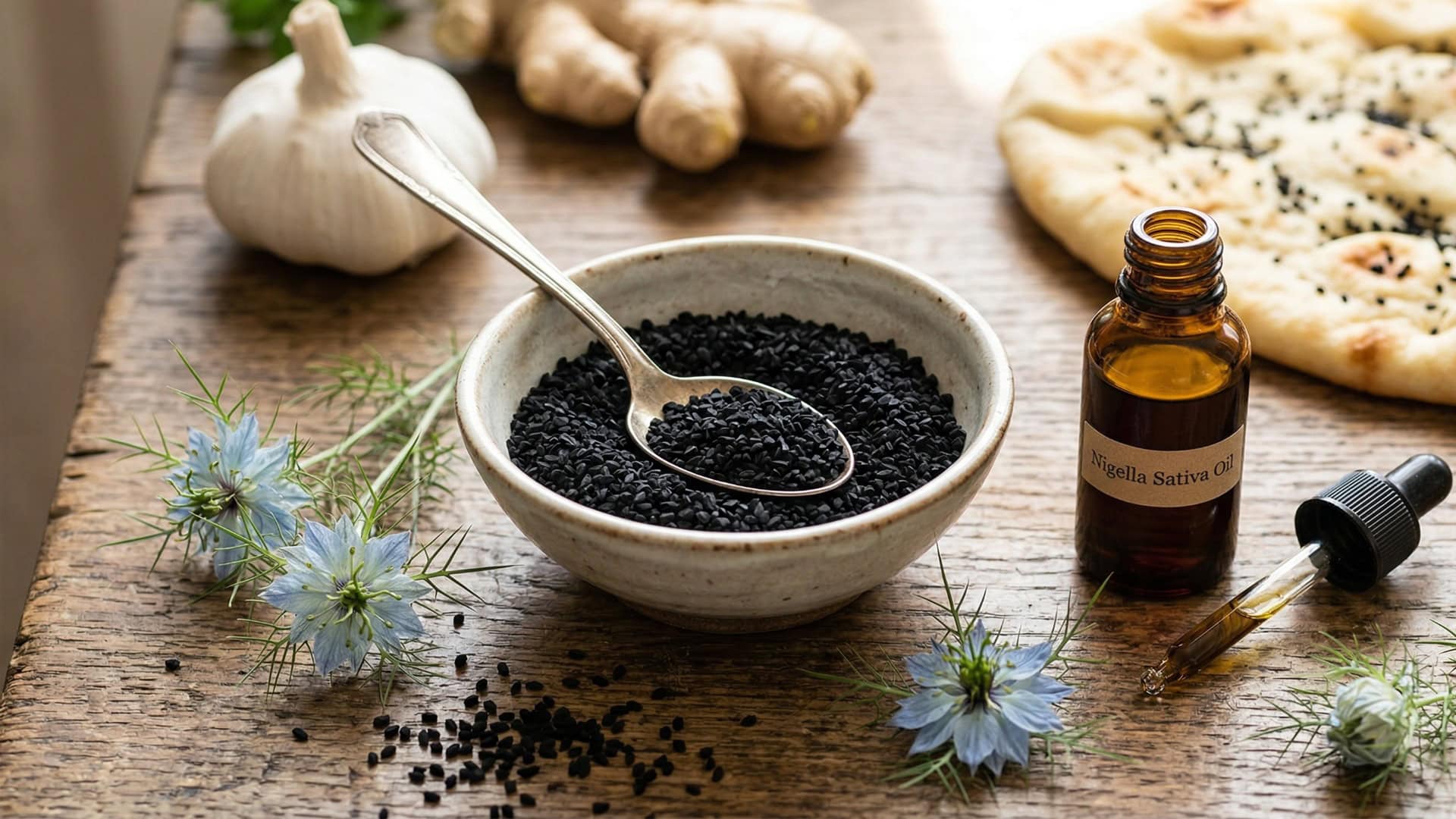
    Whether you are an adventurous home chef, a wellness enthusiast, or someone simply looking to incorporate more nutrient-dense foods into your lifestyle, you have likely come across a tiny, jet-black seed with a massive reputation. Known formally as Nigella sativa, and commonly referred to as black cumin, kalonji, or black seed, this remarkable spice has been a staple in traditional wellness practices and global cuisines for thousands of years.

    Despite its diminutive size, kalonji packs a profound punch. From ancient Egyptian pharaohs to modern-day dietitians, people across diverse cultures and generations have celebrated this seed. In this comprehensive guide, we will explore the fascinating world of black cumin. We will dive deep into its rich nutritional profile, uncover the science-backed health benefits it offers, explore how you can use it in your daily cooking, and answer the most frequently asked questions about this “seed of blessing.”


    What is Black Cumin (Kalonji)?

    To truly appreciate black cumin, we first need to clear up some common botanical confusion. The name “black cumin” is frequently misused, which can make shopping for the right spice a bit of a treasure hunt.

    True kalonji is the seed of the Nigella sativa plant, an annual flowering shrub that belongs to the Ranunculaceae (buttercup) family. The plant is native to South Asia, the Middle East, and parts of the Mediterranean. It grows to about 8 to 35 inches tall and produces delicate, pale blue or white flowers. Inside the fruit of these flowers are tiny, angular, pitch-black seeds—this is the kalonji we use.

    Clearing Up the Confusion: What Kalonji is Not

    Because common names vary by region, Nigella sativa is often confused with other spices. Here is how to tell them apart:

    • Regular Cumin (Cuminum cyminum): This is the brown, boat-shaped seed found in taco seasonings and chili powders. They look entirely different and have a completely different, earthy flavor profile.
    • Black Caraway / True Black Cumin (Bunium bulbocastanum): This seed looks very similar to regular brown cumin but is darker and thinner. It is popular in Northern Indian and Middle Eastern cooking but is not kalonji.
    • Black Sesame Seeds: While they look similar at a quick glance, black sesame seeds are flatter, more teardrop-shaped, and have a nutty flavor. Kalonji seeds are more triangular and have a distinctively pungent, onion-like taste.

    The Flavor Profile of Kalonji

    If you have never tasted black cumin, you are in for a unique culinary experience. The flavor is complex and layered. When raw, the seeds have a slightly bitter, pungent taste reminiscent of a combination of onions, black pepper, and oregano. When toasted or cooked in oil, they mellow out, releasing a rich, nutty, and slightly smoky aroma that enhances savory dishes beautifully.


    The Historical and Cultural Significance of the “Seed of Blessing”

    The story of kalonji is as rich as its flavor. Its use spans over three millennia, making it one of the oldest known medicinal spices in human history.

    In ancient Egypt, black seed oil was found in the tomb of Pharaoh Tutankhamun. The ancient Egyptians believed that items buried with the pharaohs were essential for the afterlife, highlighting the immense value they placed on this seed. Cleopatra was also rumored to use black cumin oil as part of her daily beauty and skincare routine.

    In the Middle East, the seed is often referred to as Habbatul Barakah, which translates beautifully to the “seed of blessing.” Traditional Islamic texts mention it as a remedy capable of healing every ailment except death itself.

    Similarly, in Ayurveda—the traditional holistic healing system of India—kalonji is prized for its warming properties. Ayurvedic practitioners have historically used it to balance the body’s doshas (energies), particularly to support digestion, alleviate respiratory issues, and boost overall vitality.


    Nutrition Facts: What Makes Kalonji So Powerful?

    While black cumin is typically consumed in small amounts—usually just a teaspoon or two at a time—it is remarkably nutrient-dense. Its true power, however, lies not just in its basic macronutrients, but in its complex array of phytochemicals and active compounds.

    The Macronutrient Breakdown

    A standard serving of black cumin seeds (about 1 tablespoon or 5 grams) contains roughly:

    Nutrient Amount per 1 Tablespoon (approx.)
    Calories 45 kcal
    Protein 1.5 grams
    Carbohydrates 2.5 grams
    Dietary Fiber 1.8 grams
    Total Fat 3.5 grams

    The fats found in kalonji are primarily healthy, unsaturated fats, including linoleic acid (Omega-6) and oleic acid (Omega-9), which are essential for brain health and cellular function.

    Essential Vitamins and Minerals

    Black cumin seeds are a fantastic source of several essential micronutrients that support various bodily functions:

    • Calcium: Vital for strong bones and teeth, as well as proper muscle function.
    • Iron: Crucial for the formation of red blood cells and the transport of oxygen throughout the body.
    • Zinc: A powerhouse mineral that supports the immune system, DNA synthesis, and wound healing.
    • Copper: Helps your body make red blood cells and keeps nerve cells and your immune system healthy.
    • B Vitamins: Kalonji contains trace amounts of B1 (Thiamine), B2 (Riboflavin), B3 (Niacin), and B9 (Folate), which are necessary for energy production.

    The Magic Ingredient: Thymoquinone (TQ)

    While the vitamins and minerals are beneficial, the absolute star of the show in kalonji is a unique phytochemical compound called Thymoquinone (TQ).

    Thymoquinone is the primary active ingredient in Nigella sativa and is responsible for the vast majority of its health benefits. It is a highly potent antioxidant, anti-inflammatory, and hepatoprotective (liver-protecting) agent. When researchers study black cumin for its effects on disease prevention and wellness, they are almost always looking at the effects of thymoquinone.


    Top Health Benefits of Black Cumin (Kalonji)

    Modern science has begun to rigorously study what traditional wellness practitioners have known for centuries. Today, there are hundreds of peer-reviewed studies highlighting the profound health benefits of incorporating kalonji into a balanced diet. Here are the most significant, science-backed benefits.

    1. Packed with Disease-Fighting Antioxidants

    Antioxidants are compounds that help protect your body’s cells against oxidative stress caused by free radicals. When free radicals outnumber antioxidants in your body, it leads to a state called oxidative stress, which is linked to chronic conditions like heart disease, Alzheimer’s, and certain cancers.

    Kalonji is exceptionally rich in antioxidants, particularly thymoquinone, carvacrol, t-anethole, and 4-terpineol. These compounds work together to scavenge free radicals, protecting your cells from damage and promoting long-term cellular health.

    2. Powerful Anti-Inflammatory Properties

    Inflammation is a natural immune response, but chronic inflammation is the root cause of many modern diseases, including type 2 diabetes, arthritis, and cardiovascular disease.

    The thymoquinone in black cumin has been shown to strongly inhibit the production of inflammatory markers in the body. For individuals dealing with inflammatory joint conditions like rheumatoid arthritis, regular consumption of black seed oil or kalonji seeds may help reduce joint swelling, morning stiffness, and overall pain.

    3. May Support Blood Sugar Regulation

    Managing blood sugar is crucial for everyone, not just those managing diabetes. Stable blood sugar levels mean stable energy, better mood, and a reduced risk of metabolic syndrome.

    Several studies suggest that kalonji can help keep blood sugar steady. It appears to work by improving insulin sensitivity—meaning it helps your cells respond better to insulin so they can efficiently take up glucose from the bloodstream. Incorporating a small amount of black cumin powder or oil into your daily routine, alongside a balanced diet, may be a great supportive strategy for metabolic health.

    4. Promotes Heart Health and Lowers Cholesterol

    Heart disease remains one of the leading causes of mortality worldwide. Diet and lifestyle play a massive role in cardiovascular health, and kalonji can be a valuable addition to a heart-healthy regimen.

    Research indicates that supplementing with Nigella sativa can significantly decrease “bad” LDL cholesterol and blood triglycerides. Interestingly, it has also been shown to help raise “good” HDL cholesterol. Furthermore, the anti-inflammatory and antioxidant properties of the seeds help protect blood vessels from damage, which is a key factor in maintaining healthy blood pressure.

    5. Supports a Robust Immune System

    Whether it is cold and flu season or you simply want to keep your natural defenses strong year-round, black cumin can help. Kalonji has both antibacterial and antiviral properties.

    Studies have shown that black seed extracts can effectively inhibit the growth of certain strains of bacteria, including some that are resistant to standard antibiotics (such as MRSA). While it should never replace prescribed medical treatments, it acts as a wonderful complementary food to keep your immune system vigilant and responsive.

    6. Protects and Supports Liver Function

    Your liver is the body’s ultimate detoxifier. It works tirelessly to process nutrients, filter out toxins, and metabolize medications. However, poor diet, alcohol consumption, and environmental toxins can overwork the liver.

    Animal studies and some human trials have demonstrated that black cumin can help protect the liver from injury and damage. The antioxidants in kalonji reduce the oxidative stress placed on the liver, supporting its natural detoxification processes and preventing cellular damage.

    7. May Alleviate Respiratory Conditions

    In traditional medicine, kalonji is frequently used to treat respiratory ailments like asthma and bronchitis. Modern science supports this use.

    Black cumin acts as a bronchodilator, meaning it helps relax the muscles in the airways, making it easier to breathe. The anti-inflammatory effects also help reduce swelling in the respiratory tract. Some studies involving individuals with asthma found that taking black seed extract significantly improved asthma control and pulmonary function.

    8. Enhances Brain Health and Memory

    Cognitive decline is a major concern as populations age. The brain is highly susceptible to oxidative stress, which contributes to conditions like Alzheimer’s and Parkinson’s disease.

    The thymoquinone in kalonji has neuroprotective effects. It helps protect brain tissue from free radical damage and reduces neuroinflammation. Early research suggests that regular consumption of Nigella sativa may help enhance memory, attention, and cognitive function, making it a true “brain food.”

    9. Potential Cancer-Fighting Properties

    Note: It is important to approach this topic with care. Kalonji is not a cure for cancer, but it contains compounds that show promise in preventative wellness.

    Test-tube studies have found that the thymoquinone in black cumin can induce apoptosis (programmed cell death) in various types of cancer cells, including breast, pancreatic, lung, and prostate cancer cells. While these results are promising, more extensive human trials are needed to fully understand how kalonji can be used safely and effectively as an adjunct therapy in cancer treatment.

    10. Prevents Stomach Ulcers

    Stomach ulcers are painful sores that form when the layer of mucus that protects the stomach lining is eroded, often by excess stomach acid or bacterial infections (H. pylori). Kalonji has been shown to help preserve the stomach lining and prevent the formation of ulcers. It also exhibits antibacterial activity against H. pylori, addressing one of the root causes of ulcer formation.


    Culinary Uses: How to Add Kalonji to Your Diet

    Now that we understand the incredible benefits of black cumin, how do we actually eat it? Because of its strong, somewhat pungent flavor, kalonji is best used as a spice rather than consumed by the handful. Here are some delicious and accessible ways to incorporate it into your cooking.

    1. Master the “Panch Phoron”

    If you love South Asian cuisine, you must try Panch Phoron. This is a traditional Bengali five-spice blend made of equal parts:

    • Kalonji (Black Cumin)
    • Cumin seeds
    • Fennel seeds
    • Mustard seeds
    • Fenugreek seeds

    How to use it: Heat a tablespoon of oil or ghee in a pan, add a teaspoon of the Panch Phoron blend, and let the seeds sizzle and pop for about 30 seconds. This process, called tempering or tadka, releases the essential oils. Pour this over roasted root vegetables, lentil soups (dals), or potato curries for an authentic, aromatic flavor.

    2. Elevate Your Breads and Baking

    In the Middle East and India, kalonji is traditionally sprinkled over flatbreads before baking.

    • Naan and Pita: Press a pinch of black cumin seeds into the dough of your homemade naan or pita bread before sliding it into the oven.
    • Savory Crackers: Add a teaspoon of kalonji to your favorite savory cracker or biscuit recipe. The seeds add a beautiful visual contrast and a savory crunch.

    3. Spice Up Soups, Stews, and Curries

    Because kalonji has a slightly oniony flavor, it pairs wonderfully with rich, savory liquids.

    • Drop half a teaspoon into your next batch of chicken noodle soup or minestrone.
    • Stir it into a hearty beef or root vegetable stew.
    • Add it to tomato-based curries to deepen the flavor profile.

    4. Flavor Pickles and Preserves

    Kalonji is a natural preservative due to its antibacterial properties, making it a staple in traditional pickling.

    • Add a teaspoon of black cumin to the brine when making homemade pickled cucumbers, red onions, or jalapeños. It adds a complex spice note that elevates standard pickles to gourmet status.

    5. Create a Wellness Tea

    For a direct, soothing way to consume kalonji, make a simple tea.

    • Crush 1 teaspoon of black cumin seeds lightly with a mortar and pestle.
    • Steep the crushed seeds in hot water for 10 minutes.
    • Strain, and add a slice of lemon and a dash of raw honey to balance the bitterness. This is an excellent, warming drink to support digestion after a heavy meal.

    Non-Culinary Uses: Skincare and Haircare

    Beyond the kitchen, Nigella sativa is a powerhouse in the world of natural cosmetics. For external use, people generally use Black Seed Oil (cold-pressed oil extracted from kalonji seeds) rather than the whole seeds.

    Radiant, Clear Skin

    Because black seed oil is antimicrobial and anti-inflammatory, it is highly regarded for acne-prone skin. It can help reduce the redness and swelling of blemishes while fighting the bacteria that cause breakouts.

    • How to use: Dilute a few drops of black seed oil with a carrier oil (like jojoba or sweet almond oil) and apply it to the face as the last step in your nighttime skincare routine. It is also deeply hydrating, making it beneficial for individuals dealing with eczema or psoriasis.

    Healthy, Strong Hair

    Black seed oil is frequently found in high-end hair serums and scalp treatments. It is believed to stimulate hair follicles, reduce hair fallout, and soothe dry, flaky scalps.

    • How to use: Massage a mixture of black seed oil and coconut oil into your scalp 30 minutes before washing your hair. This acts as a deeply nourishing pre-shampoo treatment.

    Potential Side Effects and Precautions

    While black cumin is generally recognized as safe when consumed in culinary amounts, there are some important precautions to keep in mind, particularly when taking concentrated supplements or extracts. We believe in providing inclusive, holistic information so that everyone can make the best choices for their unique bodies.

    • Pregnancy and Breastfeeding: In small, food-like amounts, kalonji is safe during pregnancy. However, taking large, medicinal doses or using concentrated black seed oil is discouraged. Large doses can affect uterine contractions. Always consult with your healthcare provider or obstetrician.
    • Bleeding Disorders: Kalonji may slow blood clotting. If you have a bleeding disorder or are taking anticoagulant medications (blood thinners), speak with a doctor before using black cumin supplements, as it could increase the risk of bruising and bleeding.
    • Upcoming Surgery: Because of its effects on blood clotting and blood sugar, it is recommended to stop taking black cumin supplements at least two weeks prior to any scheduled surgery.
    • Medication Interactions: If you take medications for high blood pressure or diabetes, monitor yourself closely if you start using kalonji supplements. Because kalonji can naturally lower blood pressure and blood sugar, combining it with medications could cause these levels to drop too low (hypoglycemia or hypotension).

    Conclusion

    Black cumin, or kalonji, truly earns its historical title as the “seed of blessing.” From its potent antioxidant and anti-inflammatory properties to its unique, savory flavor profile, it is a versatile and highly beneficial addition to any lifestyle. Whether you are tempering it in hot oil for a fragrant curry, sprinkling it on homemade bread, or using the oil to soothe your skin, you are tapping into a wellness tradition that has stood the test of time.

    As with any dietary change, listen to your body, start with small culinary amounts, and consult with a healthcare professional if you plan to use it as a concentrated supplement. Happy cooking, and here is to your health!


    Frequently Asked Questions (FAQ)

    1. What is the best time of day to consume kalonji?

    There is no strict rule, but many traditional practitioners recommend consuming a small amount of kalonji (either a pinch of seeds or a half-teaspoon of oil) in the morning on an empty stomach, often chased with warm water or honey, to support digestion and metabolism throughout the day.

    2. Can I eat black cumin seeds raw?

    Yes, you can eat them raw, but they have a very strong, bitter, and pungent flavor. Lightly toasting them in a dry pan or frying them in a small amount of oil softens the bitterness and brings out a pleasant, nutty aroma, making them much more palatable.

    3. Is black seed oil better than the whole seeds?

    Neither is inherently “better,” but they serve different purposes. The whole seeds provide dietary fiber and are excellent for culinary uses. Black seed oil is highly concentrated, meaning you get a larger dose of the active compound thymoquinone quickly. The oil is also better suited for topical applications on the skin and hair.

    4. Can kalonji help with weight loss?

    Some studies suggest that black cumin supplementation may lead to modest weight loss and a reduction in waist circumference. It is believed to help by regulating blood sugar levels and reducing inflammation, which are both linked to metabolic health. However, it is not a magic pill and should be combined with a healthy diet and regular physical activity.

    5. How should I store kalonji seeds to keep them fresh?

    Like all spices, heat, light, and moisture are the enemies of kalonji. Store the seeds in an airtight glass container in a cool, dark place, such as a pantry or a dedicated spice drawer away from the stove. Properly stored, they can retain their flavor and potency for up to two years.

    6. Are onion seeds and black cumin the same thing?

    No! This is a very common misconception because kalonji is sometimes incorrectly labeled as “black onion seed” in Western grocery stores due to its slightly onion-like flavor. However, they are entirely different plants. Kalonji is Nigella sativa, while true onion seeds come from the Allium cepa plant.


    Reference Links

    For further reading and to review the scientific literature supporting the benefits of black cumin, please explore the following trusted resources:

    1. National Center for Biotechnology Information (NCBI): A review on therapeutic potential of Nigella sativa: A miracle herb. https://www.ncbi.nlm.nih.gov/pmc/articles/PMC3642442/

    2. Healthline: 9 Impressive Health Benefits of Kalonji (Nigella Seeds). https://www.healthline.com/nutrition/kalonji-nigella-seeds-benefits

    3. WebMD: Black Seed – Uses, Side Effects, and More. https://www.webmd.com/vitamins/ai/ingredientmono-901/black-seed

    4. National Institutes of Health (NIH) – PubMed: Antioxidant and anti-inflammatory effects of Thymoquinone. https://pubmed.ncbi.nlm.nih.gov/24056265/

    5. Medical News Today: What are the health benefits of black seed oil? https://www.medicalnewstoday.com/articles/322948

  • The Ultimate Guide to Vinegar: Types, Benefits, Uses, and Nutrition Explained

    The Ultimate Guide to Vinegar: Types, Benefits, Uses, and Nutrition Explained

    Vinegar is one of the most versatile and ancient liquids in human history. Found in nearly every pantry around the globe, this humble, tangy liquid is far more than just a salad dressing ingredient. From preserving food and flavoring delicate dishes to cleaning countertops and supporting metabolic health, vinegar is a true multi-tasker.

    Whether you are a culinary enthusiast looking to elevate your recipes, an eco-conscious homeowner seeking natural cleaning solutions, or someone interested in holistic wellness, understanding vinegar is incredibly beneficial.

    In this comprehensive guide, we will explore everything you need to know about vinegar. We will dive deep into the fascinating science of how it is made, detail the extensive varieties available, break down its nutritional profile, uncover evidence-based health benefits, and provide practical, everyday uses.


    The Science and History: What Exactly is Vinegar?

    The word “vinegar” traces its roots back to the Old French word vin aigre, which translates literally to “sour wine.” However, vinegar can be made from almost any carbohydrate-rich liquid, including fruits, grains, and even honey.

    Historically, vinegar was discovered entirely by accident. Ancient civilizations, including the Babylonians around 3000 BC, found that if wine or fermented fruit juice was left exposed to the air, it naturally turned sour, creating a new liquid that could preserve food for months.

    The Two-Step Fermentation Process

    The creation of vinegar relies on a beautiful, natural, two-step fermentation process:

    1. Alcoholic Fermentation: First, yeast is introduced to a liquid containing natural sugars (like crushed apples, grapes, or rice). The yeast consumes these sugars and converts them into alcohol. This creates liquids like hard cider, wine, or rice ale.
    2. Acetic Fermentation: In the second step, a specific type of harmless bacteria known as Acetobacter is introduced, along with oxygen. These bacteria consume the alcohol and convert it into acetic acid.

    Acetic acid is the magical compound responsible for vinegar’s distinctively sharp, sour taste and pungent aroma. It is also the primary active component behind many of vinegar’s health benefits and cleaning properties.

    What is the “Mother”? > If you have ever purchased raw, unfiltered apple cider vinegar, you may have noticed a cloudy, cobweb-like substance floating at the bottom of the bottle. This is known as the “mother of vinegar.” It is a harmless, naturally occurring matrix of beneficial cellulose and acetic acid bacteria. Many people believe the mother contains valuable enzymes and probiotics, making unfiltered vinegars highly sought after in the wellness community.


    A World of Flavor: Exploring the Types of Vinegar

    Walk down the condiment aisle of any grocery store, and you will be met with a dizzying array of vinegar options. Because vinegar can be made from anything containing sugar, the varieties are nearly endless. Each type boasts a unique flavor profile, acidity level, and ideal culinary application.

    Here is a detailed breakdown of the most common—and some uncommon—types of vinegar.

    1. Apple Cider Vinegar (ACV)

    • Origin: Fermented apple juice (hard cider).
    • Flavor Profile: Fruity, tart, and robust with a distinct apple aroma.
    • Best Uses: Apple cider vinegar is a darling of the health and wellness world, but it is equally at home in the kitchen. It is fantastic for making vinaigrettes, marinades for pork or chicken, and barbecue sauces. In vegan baking, a splash of ACV mixed with plant-based milk creates a perfect buttermilk substitute, and reacting it with baking soda provides excellent leavening for cakes.
    • Notable Feature: Often sold raw and unfiltered with the “mother” intact.

    2. White Distilled Vinegar

    • Origin: Fermented grain alcohol (often derived from corn).
    • Flavor Profile: Extremely sharp, harsh, and aggressively sour. It lacks the complex flavor notes of fruit or wine vinegars.
    • Best Uses: While it can be used in cooking (like in ketchup or traditional pickling), white vinegar truly shines outside the kitchen. Because it is usually standardized to 5% acidity and contains no coloring, it is the ultimate eco-friendly household cleaner. It cuts through grease, dissolves mineral deposits, and acts as a fabric softener.
    • Notable Feature: The most inexpensive and versatile utility vinegar available.

    3. Balsamic Vinegar

    • Origin: Unfermented grape must (crushed grapes, including juice, skin, seeds, and stems), primarily from the Emilia-Romagna region of Italy.
    • Flavor Profile: Intensely sweet, complex, syrupy, and rich, with notes of fig, molasses, and cherry.
    • Best Uses: True traditional balsamic vinegar (Aceto Balsamico Tradizionale) is aged for a minimum of 12 years in a series of wooden barrels. It is a luxury ingredient meant to be drizzled sparingly over fresh strawberries, aged cheeses (like Parmigiano-Reggiano), or premium cuts of meat. The less expensive “Balsamic Vinegar of Modena” found in most grocery stores is a commercial grade that mixes grape must with wine vinegar; it is excellent for everyday salad dressings and reducing into glazes.

    4. Red Wine Vinegar

    • Origin: Fermented red wine.
    • Flavor Profile: Punchy, vibrant, and tangy, retaining some of the fruity and robust notes of the red grapes used to make it.
    • Best Uses: A staple in Mediterranean and European cooking. It is the go-to vinegar for classic vinaigrettes, hearty marinades for beef or lamb, and for adding a bright, acidic finish to heavy stews and tomato-based sauces.

    5. White Wine Vinegar

    • Origin: Fermented white wine.
    • Flavor Profile: Much lighter, milder, and more delicate than its red counterpart. It has a crisp, slightly fruity taste.
    • Best Uses: Ideal for dishes where you want a hit of acidity without altering the color or overwhelming the delicate flavors of the food. It is perfect for Hollandaise or Béarnaise sauces, poaching eggs, dressing delicate green salads, and marinating chicken or fish.

    6. Rice Vinegar

    • Origin: Fermented rice wine (commonly found in Asian cuisines).
    • Flavor Profile: Mild, slightly sweet, and significantly less acidic than Western vinegars.
    • Best Uses: Rice vinegar is absolutely essential in Asian cooking. It is the key ingredient used to season sushi rice (often mixed with sugar and salt). It is also perfect for quick-pickling vegetables, creating sweet and sour sauces, and making light, refreshing Asian-style salad dressings.

    7. Malt Vinegar

    • Origin: Fermented barley malt (similar to the brewing process of beer).
    • Flavor Profile: Deep, nutty, toasty, and slightly lemony, with a robust flavor that can stand up to heavy, fried foods.
    • Best Uses: Malt vinegar is most famous as the traditional, non-negotiable condiment for British fish and chips. It is also excellent for pickling onions and walnuts, or drizzling over roasted potatoes.

    8. Sherry Vinegar

    • Origin: Fermented sherry wine from the Andalusia region of Spain.
    • Flavor Profile: Nutty, complex, and slightly sweet, sitting somewhere between red wine vinegar and balsamic vinegar in terms of depth.
    • Best Uses: A beloved ingredient in Spanish cuisine, sherry vinegar is essential for making authentic gazpacho. It adds incredible depth to pan sauces, roasted vegetables, and hearty bean soups.

    9. Black Vinegar (Chinkiang Vinegar)

    • Origin: An aged, dark vinegar made from glutinous rice, wheat, millet, or sorghum, hailing primarily from China.
    • Flavor Profile: Earthy, malty, complex, and slightly smoky. It has an umami quality that sets it apart from fruit or wine vinegars.
    • Best Uses: A cornerstone of Chinese cooking, black vinegar is the traditional dipping sauce for soup dumplings (xiaolongbao). It is also heavily used in braises, stir-fries, and cold noodle dishes to provide a balancing acidity and richness.

    Nutritional Breakdown: What is in Vinegar?

    From a traditional macronutrient perspective, vinegar is quite empty. However, its value lies not in calories or vitamins, but in its bioactive compounds.

    Here is a general nutritional profile for a standard tablespoon (15 ml) of most vinegars (such as white or apple cider vinegar):

    Nutrient Amount per Tablespoon
    Calories 3 to 5
    Protein 0g
    Fat 0g
    Carbohydrates 0g to 1g (Balsamic is higher due to grape sugars)
    Fiber 0g
    Sugar 0g (Balsamic and sweetened rice vinegars contain more)

    Key Active Components:

    • Acetic Acid: Making up 4% to 8% of the liquid by volume, this is the primary active compound responsible for most of the health benefits associated with vinegar.
    • Polyphenols: Vinegars made from fruits (like apple cider, red wine, and balsamic vinegars) contain polyphenols. These are plant compounds that act as antioxidants, helping to protect the body’s cells from oxidative stress and free radical damage.
    • Trace Minerals: Raw, unfiltered vinegars may contain very small amounts of potassium, magnesium, and calcium, though not enough to significantly impact daily dietary requirements.

    The Evidence-Based Health Benefits of Vinegar

    For centuries, folk medicine has touted vinegar as a cure-all for ailments ranging from stomach aches to the plague. While modern science doesn’t support all historical claims, research has uncovered several compelling, evidence-based health benefits, primarily linked to acetic acid.

    1. Blood Sugar Management and Insulin Sensitivity

    One of the most well-researched benefits of vinegar is its ability to help manage blood sugar levels, making it a valuable dietary addition for individuals managing type 2 diabetes or those looking to prevent blood sugar spikes.

    Studies have shown that consuming vinegar before or during a high-carbohydrate meal can significantly lower both blood glucose and insulin responses. Acetic acid appears to work by temporarily blocking the enzymes that digest starches. As a result, carbohydrates are broken down and absorbed into the bloodstream more slowly, preventing the rapid spikes and crashes in blood sugar that lead to fatigue and hunger.

    2. Supporting Weight Management and Satiety

    Vinegar may be a helpful tool for those seeking to manage their weight. Research indicates that vinegar can increase feelings of fullness and satiety.

    In studies where participants consumed vinegar alongside a high-carbohydrate meal, they reported feeling fuller faster and ended up consuming a couple of hundred fewer calories throughout the remainder of the day. Furthermore, some studies suggest that daily consumption of acetic acid may help reduce belly fat and lower blood triglycerides, though vinegar should be viewed as a supplementary tool rather than a magic weight-loss solution. It works best alongside a balanced diet and regular physical activity.

    3. Antimicrobial and Antibacterial Properties

    Vinegar has been used as a cleaning agent and disinfectant for thousands of years. Hippocrates, the ancient Greek physician, famously used vinegar to clean wounds over 2,000 years ago.

    The high acidity of vinegar makes it a hostile environment for many harmful pathogens, including E. coli and Staphylococcus aureus. This is why vinegar is so effective as a food preservative—it prevents the growth of bacteria that cause food spoilage. It also explains why it is an effective natural surface cleaner for households looking to reduce their reliance on harsh chemicals.

    4. Potential Cardiovascular Health Support

    While more extensive human trials are needed, preliminary research—largely conducted on animals—suggests that vinegar could support heart health.

    Some studies indicate that regular consumption of vinegar can help lower total cholesterol, triglycerides, and blood pressure. Animal studies have shown that acetic acid may help control blood pressure by reducing the action of renin, an enzyme that constricts blood vessels. Furthermore, the antioxidants found in balsamic and red wine vinegars help prevent the oxidation of LDL (“bad”) cholesterol, a key step in the development of heart disease.


    Practical Everyday Uses for Vinegar

    Vinegar’s versatility is truly unmatched. Here is how you can incorporate it into different areas of your daily life.

    Culinary Applications

    • Flavor Enhancer: Acidity is one of the pillars of cooking, right alongside salt, fat, and heat. If a soup, stew, or sauce tastes “flat,” a splash of vinegar can brighten and elevate all the other flavors.
    • Tenderizing Meat: The acetic acid in vinegar breaks down tough protein fibers, making it an excellent base for meat marinades.
    • Perfecting Poached Eggs: Adding a tablespoon of light-colored vinegar to your simmering water helps the egg whites coagulate quickly, resulting in beautifully shaped poached eggs.
    • Vegan Baking: As mentioned earlier, mixing vinegar with plant-based milk curdles the milk, creating a vegan buttermilk that adds moisture and tenderness to baked goods.

    Eco-Friendly Household Cleaning

    White distilled vinegar is a powerhouse in the cleaning cabinet.

    • All-Purpose Cleaner: Mix equal parts water and white vinegar in a spray bottle. Use it to clean glass, mirrors, countertops, and sinks. (Note: Avoid using vinegar on natural stone like granite or marble, as the acid can etch the surface).
    • Descaling Appliances: Run a mixture of half water and half vinegar through your coffee maker or kettle to dissolve hard water mineral buildup.
    • Laundry Freshener: Adding half a cup of white vinegar to the rinse cycle of your washing machine acts as a natural fabric softener and helps eliminate stubborn mildew odors from towels.

    Personal Care and Beauty

    • Hair Rinse: An apple cider vinegar hair rinse (1-2 tablespoons diluted in a cup of water) can help remove product buildup, balance the scalp’s pH, and leave hair shiny.
    • Skin Toner: Heavily diluted apple cider vinegar is sometimes used as a facial toner to help balance the skin, though it should be patch-tested first, as it can be too harsh for sensitive skin.
    • Foot Soak: Soaking feet in a mixture of water and vinegar can help neutralize foot odor and soften calluses.

    Gardening

    • Natural Weed Killer: Horticultural vinegar (which has a much higher acidity than culinary vinegar) can be sprayed directly onto weeds on sunny days to naturally dry them out and kill them without toxic chemicals.
    • Soil pH Adjustment: For acid-loving plants like blueberries or hydrangeas, watering with a highly diluted vinegar solution can help temporarily lower the pH of the soil.

    Safety, Precautions, and How to Consume Vinegar

    While vinegar is highly beneficial, it is a strong acid and must be handled with care.

    Never Drink Vinegar Straight

    Drinking undiluted vinegar is dangerous. The high acidity can burn the tissues in your mouth, throat, and esophagus. If you are consuming vinegar for health benefits (like ACV), always dilute it: mix 1 to 2 tablespoons into a large glass of water (at least 8 ounces).

    Protect Your Tooth Enamel

    Frequent exposure to acidic foods and drinks can erode tooth enamel over time, leading to sensitivity and decay. To protect your teeth:

    • Drink diluted vinegar through a straw.
    • Rinse your mouth with plain water immediately after consuming it.
    • Wait at least 30 minutes before brushing your teeth, as brushing immediately after acid exposure can further wear down the softened enamel.

    Medication Interactions

    If you are taking blood sugar-lowering medications or diuretics, consult your healthcare provider before adding daily vinegar shots to your routine. Because vinegar can lower blood sugar and potassium levels, it may amplify the effects of these medications to unsafe levels.


    Frequently Asked Questions (FAQ)

    Does vinegar go bad?

    No, vinegar does not truly “go bad.” Because of its highly acidic nature, it is self-preserving. While the appearance might change over time—such as developing a cloudy “mother” or slightly altering in color—it remains safe to consume indefinitely. For peak flavor, however, it is best stored in a cool, dark place with the lid tightly sealed.

    What is the difference between raw, unfiltered vinegar and regular vinegar?

    Regular, clear vinegars have been pasteurized and filtered to remove the natural bacteria and sediment, giving them a clean, clear appearance and longer shelf stability. Raw, unfiltered vinegar has not been pasteurized and retains the “mother of vinegar,” a cloudy web of beneficial bacteria and enzymes. Many health enthusiasts prefer raw vinegar for its potential probiotic benefits.

    Can I substitute one type of vinegar for another in a recipe?

    Often, yes, but it depends on the recipe. White wine vinegar, red wine vinegar, and apple cider vinegar can usually be swapped for one another with only slight flavor changes. However, you should not substitute sharp white distilled vinegar for a delicate rice vinegar, nor should you swap thick, sweet balsamic vinegar for a harsh cleaning vinegar, as the flavor profiles and acidity levels are too vastly different.

    Is it safe to clean everything with vinegar?

    No. While it is great for many surfaces, the acid in vinegar can permanently damage natural stone surfaces like granite, marble, and limestone by etching the finish. It should also be avoided on unsealed wood and cast iron, as it can strip finishes and cause rust. Additionally, never mix vinegar with bleach, as this combination creates highly toxic chlorine gas.

    How much apple cider vinegar should I drink a day for health benefits?

    Most studies showing health benefits use a dosage of 1 to 2 tablespoons (15–30 ml) per day. It is highly recommended to start with a smaller amount, such as 1 teaspoon, diluted in a large glass of water, to see how your stomach tolerates it before working your way up.


    References & Further Reading

    For those who wish to explore the science and culinary history of vinegar further, the following resources provide excellent, peer-reviewed, and expertly sourced information:

    1. Johnston, C. S., & Gaas, C. A. (2006). “Vinegar: Medicinal Uses and Antiglycemic Effect.” MedGenMed : Medscape general medicine, 8(2), 61. Read the full study at the National Institutes of Health (NIH).

    2. Harvard T.H. Chan School of Public Health. “Apple Cider Vinegar: Is it a weight loss magic bullet?” Explore dietary insights at Harvard Health Publishing.

    3. Mayo Clinic. “Is apple cider vinegar good for weight loss?” Understand the medical perspective on vinegar and diet at the Mayo Clinic Website.

    (Note: The above links are provided for reference to authoritative medical and scientific bodies. Always consult a licensed healthcare professional before making significant changes to your diet or health routine.)

  • The Ultimate Guide to Dried Ginger (Sonth): Benefits, Uses, and Nutrition Fa

    The Ultimate Guide to Dried Ginger (Sonth): Benefits, Uses, and Nutrition Fa

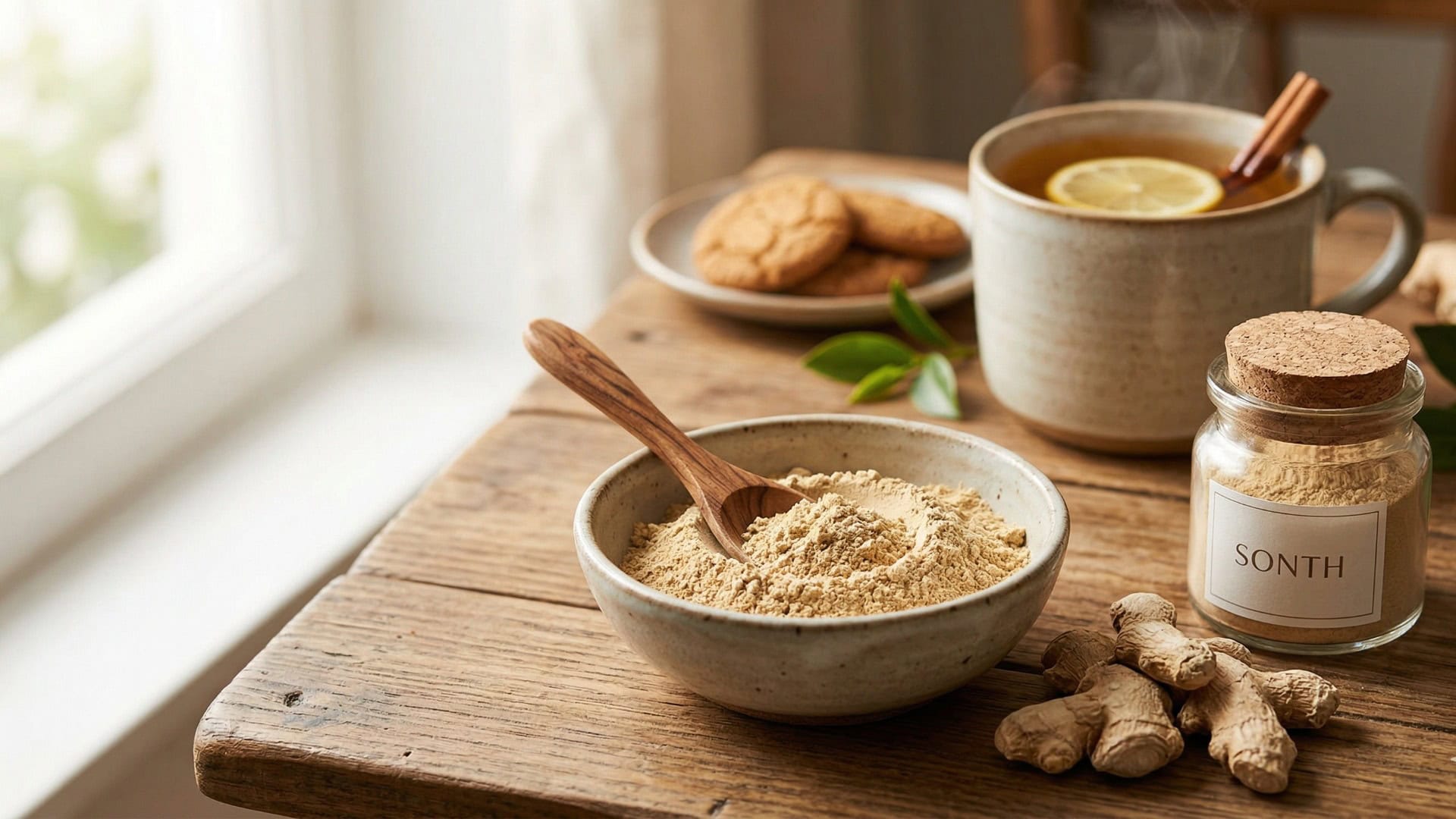
    If you have ever enjoyed a warm cup of spiced chai, a slice of gingerbread, or a soothing bowl of curry, chances are you have experienced the unmistakable, comforting warmth of dried ginger. Known widely as “Sonth” or “Saunth” in Hindi, dried ginger is a culinary and medicinal powerhouse that has been utilized by humans for thousands of years.

    Across the globe, from the holistic practices of Ayurveda in India to Traditional Chinese Medicine, dried ginger is celebrated not just for its robust flavor, but for its profound health-promoting properties. Whether you are looking to soothe an upset stomach, add a fiery kick to your favorite baked goods, or simply explore the world of natural remedies, dried ginger is an accessible and highly effective ingredient to incorporate into your lifestyle.

    In this comprehensive, SEO-friendly guide, we will explore everything you need to know about dried ginger (sonth). We will dive deep into its nutritional profile, uncover its science-backed health benefits, provide practical tips for everyday use, and answer your most frequently asked questions.


    What is Dried Ginger (Sonth)?

    Dried ginger is exactly what it sounds like: the fresh root (rhizome) of the Zingiber officinale plant that has been carefully washed, peeled, and dried until it loses its moisture content. This drying process transforms the physical state of the root and fundamentally alters its flavor profile and chemical composition.

    While fresh ginger is known for its sharp, zesty, and slightly sweet flavor, the drying process concentrates the essential oils within the root. As a result, dried ginger powder has a more intense, earthy, and pungent flavor. A little goes a long way.

    The Chemical Transformation: Gingerols to Shogaols

    To understand the true power of sonth, we must look at its chemistry. Fresh ginger is rich in active compounds called gingerols. However, when ginger is subjected to heat and dehydration during the drying process, these gingerols undergo a chemical reaction and convert into compounds known as shogaols.

    Shogaols are significantly more pungent than gingerols. More importantly, scientific research suggests that shogaols possess enhanced antioxidant and anti-inflammatory properties compared to their fresh counterparts. This chemical shift is why traditional medicine systems often prescribe dried ginger specifically for deep-seated inflammation, joint pain, and metabolic stimulation, reserving fresh ginger for milder digestive issues or respiratory colds.


    Comprehensive Nutrition Facts of Dried Ginger

    Dried ginger is incredibly nutrient-dense. Because the water has been removed, the macronutrients, vitamins, and minerals are highly concentrated. While you typically only consume dried ginger in small quantities (usually a teaspoon or less at a time), it still contributes valuable nutrients to your diet.

    Here is the nutritional breakdown for 100 grams of dried ginger powder.

    Note: A standard serving size is usually about 1 tablespoon (approx. 5 to 7 grams) or 1 teaspoon (approx. 2 grams).

    Nutrient Amount per 100g
    Calories 335 kcal
    Total Carbohydrates 71.6 g
    Dietary Fiber 14.1 g
    Sugars 3.4 g
    Protein 8.9 g
    Total Fat 4.2 g
    Calcium 114 mg
    Iron 19.8 mg
    Magnesium 214 mg
    Potassium 1320 mg
    Vitamin C 0.7 mg
    Folate 43 µg

    Key Nutritional Takeaways

    • High in Dietary Fiber: With over 14% of its weight coming from dietary fiber, dried ginger supports a healthy digestive tract and helps maintain steady blood sugar levels.
    • Rich in Iron: Dried ginger is a surprising source of plant-based iron, which is essential for transporting oxygen throughout the body and preventing fatigue.
    • Packed with Potassium: High potassium levels help regulate fluid balance, muscle contractions, and nerve signals, while also supporting heart health by counteracting the effects of sodium.
    • Magnesium Content: Magnesium is vital for hundreds of biochemical reactions in the body, including energy creation and muscle movement.

    Top Health Benefits of Dried Ginger (Sonth)

    The benefits of dried ginger extend far beyond the kitchen. Backed by centuries of traditional use and an increasing amount of modern scientific research, sonth offers a wide array of advantages for human health.

    1. Promotes Digestive Wellness and Relieves Nausea

    Dried ginger is arguably most famous for its ability to soothe the digestive system. It acts as a carminative, meaning it helps to break up and expel intestinal gas, relieving bloating and discomfort.

    Furthermore, sonth helps accelerate gastric emptying. For individuals experiencing functional dyspepsia (chronic indigestion), the delayed emptying of the stomach is a major trigger for discomfort. Consuming a small amount of dried ginger before a meal can stimulate digestive enzymes and encourage the stomach to process food more efficiently.

    It is also a widely recognized natural remedy for nausea. Whether an individual is experiencing motion sickness, post-operative nausea, or morning sickness during pregnancy, ginger’s active compounds interact with receptors in the digestive tract and the central nervous system to suppress the feeling of nausea.

    2. Potent Anti-Inflammatory and Pain-Relieving Properties

    Chronic inflammation is at the root of many common modern diseases, including arthritis, heart disease, and cognitive decline. The high concentration of shogaols in dried ginger makes it an excellent natural anti-inflammatory agent.

    These compounds work by inhibiting the production of pro-inflammatory cytokines in the body. For individuals living with osteoarthritis or rheumatoid arthritis, consuming dried ginger regularly or applying a sonth-based paste to affected joints can significantly reduce pain, stiffness, and swelling.

    3. Natural Relief for Menstrual Discomfort (Dysmenorrhea)

    For individuals who experience painful menstrual cramps (dysmenorrhea), dried ginger can be a game-changer. Several clinical studies have compared the efficacy of dried ginger powder to common over-the-counter pain medications like ibuprofen. The results frequently show that taking roughly 1 gram of dried ginger powder daily during the first few days of a menstrual cycle is just as effective at reducing pelvic pain as standard pharmaceutical painkillers, without the potential gastrointestinal side effects.

    4. Supports Immune Function and Provides Cold Relief

    In traditional Ayurvedic medicine, sonth is considered a “warming” spice. It is known to induce sweating (acting as a diaphoretic), which can help the body naturally cool down during a fever and eliminate toxins.

    Dried ginger is frequently used during the colder months to ward off the common cold and flu. It helps to break down mucus accumulation in the respiratory tract, making it easier to expel. A warm cup of sonth tea with honey is a time-tested remedy for soothing sore throats, suppressing coughs, and providing a comforting boost to the immune system.

    5. Helps Regulate Blood Sugar Levels

    Emerging research highlights dried ginger as a powerful ally for individuals managing Type 2 diabetes or those at risk of developing the condition. Ginger has been shown to improve insulin sensitivity and increase glucose clearance in insulin-responsive tissues.

    Studies indicate that daily consumption of dried ginger powder can lead to a significant reduction in fasting blood sugar levels, as well as improvements in Hemoglobin A1c (HbA1c) markers, which reflect long-term blood sugar control.

    6. May Support Healthy Weight Management

    Because dried ginger stimulates the metabolism and improves digestion, it can indirectly support weight management goals. The thermogenic properties of the spice mean that it slightly increases your body’s core temperature, causing you to burn more calories during digestion. Additionally, stabilizing blood sugar levels helps prevent the severe spikes and crashes that often lead to sugar cravings and overeating.


    Culinary Uses: How to Incorporate Sonth into Your Diet

    Dried ginger is incredibly versatile. Because it is shelf-stable and easy to measure, it is a staple in pantries worldwide. Here are some of the most popular and delicious ways to use sonth in your daily life:

    Baking and Desserts

    Dried ginger is the star ingredient in many classic baked goods. Its warm, sweet-yet-spicy flavor pairs perfectly with cinnamon, nutmeg, and cloves.

    • Gingerbread and Ginger Snaps: You cannot make these holiday classics without a generous amount of dried ginger powder.
    • Spice Cakes and Muffins: Add a teaspoon of sonth to carrot cake, pumpkin bread, or apple muffins for an extra layer of warmth.
    • Fruit Compotes: Sprinkle a pinch of dried ginger over stewed apples, pears, or rhubarb to enhance their natural sweetness.

    Savory Dishes and Spice Blends

    In Indian, Middle Eastern, and North African cuisines, dried ginger is a fundamental building block of flavor.

    • Curries and Stews: It is frequently used in rich, meat-based curries or hearty lentil stews where the moisture of fresh ginger might alter the texture of the spice paste.
    • Garam Masala: Sonth is a key ingredient in many traditional Garam Masala blends.
    • Marinades: Mix dried ginger with yogurt, garlic, and spices to create a tenderizing marinade for poultry, tofu, or paneer.

    Comforting Beverages

    Drinking your ginger is one of the fastest ways to absorb its benefits.

    • Masala Chai: Dried ginger is what gives traditional Indian spiced tea its fiery, throat-warming kick.
    • Golden Milk (Haldi Doodh): Combine dried ginger with turmeric, black pepper, and warm milk (dairy or plant-based) for a potent, anti-inflammatory nighttime beverage.
    • Simple Sonth Tea: Boil a quarter teaspoon of dried ginger powder in water for 5 minutes. Strain, add a squeeze of lemon and a dash of honey, and enjoy a stomach-soothing tea.

    Traditional and Home Remedies Using Dried Ginger

    Beyond everyday cooking, dried ginger is frequently utilized in DIY home remedies. Here are a few traditional applications:

    • Sonth and Jaggery Balls: In many South Asian households, equal parts of dried ginger powder and jaggery (unrefined cane sugar) are mixed with a little ghee to form small balls. Eating one of these during winter mornings helps keep the body warm and wards off seasonal bugs.
    • Headache and Joint Pain Paste: Mixing a tablespoon of dried ginger powder with just enough warm water to form a thick paste creates a topical remedy. Applying this paste directly to the forehead for a tension headache, or onto aching joints, can provide localized warming pain relief. (Note: Always do a patch test first, as ginger can cause mild skin irritation in sensitive individuals).
    • Throat Soother: Mixing a pinch of sonth with a teaspoon of raw honey and slowly licking it helps coat a scratchy throat and suppress dry, tickling coughs.

    How to Make Dried Ginger at Home

    While buying sonth powder from the store is convenient, making it at home ensures maximum freshness and zero additives. The process is straightforward:

    1. Select Fresh Ginger: Choose plump, firm ginger roots with smooth skin. Avoid pieces that are shriveled or have soft spots.
    2. Wash and Peel: Thoroughly wash the ginger to remove any dirt. Using the edge of a spoon, gently scrape off the thin outer skin.
    3. Slice Thinly: Cut the ginger into very thin, uniform slices. The thinner the slices, the faster and more evenly they will dry.
    4. Drying Process: * Sun Drying: Spread the slices out on a wire rack or baking sheet and place them in direct, hot sunlight for several days until they snap when bent. Bring them indoors at night to avoid moisture.
      • Dehydrator/Oven: Place the slices in a food dehydrator or an oven set to the lowest possible temperature (usually around 65°C or 150°F). Leave the oven door slightly cracked to let moisture escape. This process usually takes 2 to 4 hours.

    5. Grind and Store: Once the ginger is completely brittle and cooled, grind the slices into a fine powder using a spice grinder or blender. Store the powder in an airtight glass jar in a cool, dark place.

    Precautions and Potential Side Effects

    While dried ginger is widely considered safe for the vast majority of people when consumed in typical culinary amounts, there are a few precautions to keep in mind, especially if you are taking it in larger, therapeutic doses.

    • Heartburn and Acid Reflux: While ginger aids digestion, consuming too much dried ginger on an empty stomach can actually trigger heartburn or acid reflux in sensitive individuals.
    • Blood-Thinning Medications: Ginger contains natural salicylates, which can act as mild blood thinners. If you are taking anticoagulant medications (like Warfarin), consult your healthcare provider before consuming large amounts of dried ginger, as it may increase the risk of bleeding.
    • Gallbladder Issues: Ginger stimulates the production of bile. People with a history of gallstones or gallbladder disease should use ginger cautiously and under medical supervision.
    • During Pregnancy: While ginger is a famous remedy for morning sickness, expectant mothers should consult their obstetrician regarding the safe dosage of dried ginger, as extremely high doses have historically been cautioned against in traditional medicine during late pregnancy.

    Frequently Asked Questions (FAQ)

    1. Can I substitute dried ginger for fresh ginger in recipes?

    Yes, but the ratio and flavor will be different. Because dried ginger is much more concentrated, you cannot substitute them at a 1:1 ratio. The general rule of thumb is to use 1/4 teaspoon of dried ginger powder for every 1 tablespoon of freshly grated ginger. Keep in mind that dried ginger has an earthier flavor, so it works best in baked goods and rich curries, while fresh ginger is better suited for light stir-fries and fresh marinades.

    2. Does dried ginger go bad?

    Like most ground spices, dried ginger does not technically “spoil” or become unsafe to eat, but it will lose its potency, flavor, and health benefits over time. For the best flavor and medicinal value, try to use dried ginger powder within 1 to 2 years of purchasing or grinding it.

    3. What is the best way to store dried ginger?

    To maximize its shelf life, store dried ginger powder in an airtight container, preferably made of glass. Keep the container in a cool, dark, and dry place, such as a pantry or a spice cabinet away from the stove. Heat, light, and moisture are the enemies of spice longevity.

    4. Is it safe to consume dried ginger every day?

    For most individuals, consuming small, culinary amounts of dried ginger (about 1/2 to 1 teaspoon a day) is perfectly safe and highly beneficial. However, if you plan to take ginger capsules or consume large amounts for specific medicinal purposes, it is always best to consult with a healthcare professional first.

    5. Why is my home-ground dried ginger fibrous?

    Ginger roots naturally contain tough, stringy fibers. When you grind dried ginger at home, some of these fibers might not break down completely, especially if you are not using a high-powered spice grinder. You can easily fix this by passing your freshly ground ginger powder through a fine-mesh sieve to catch and discard the larger fibrous pieces.

    6. Does sonth contain caffeine?

    No, dried ginger is naturally 100% caffeine-free. This makes sonth tea or golden milk an excellent, warming beverage choice for the evening that will not disrupt your sleep cycle.


    Conclusion

    Dried ginger (sonth) is much more than just a pantry staple reserved for holiday baking. It is a dynamic, nutrient-dense spice that bridges the gap between culinary delight and natural wellness. From aiding digestion and fighting inflammation to providing soothing relief from colds and cramps, the concentrated power of shogaols makes dried ginger an invaluable addition to a healthy, balanced lifestyle.

    By understanding its nutritional profile and experimenting with different ways to incorporate it into your meals, beverages, and home remedies, you can easily unlock the incredible benefits that this ancient root has to offer.


    References for Further Reading

    To ensure the accuracy and reliability of the health claims discussed in this article, please refer to the following scientific resources and authoritative health websites:

    1. National Center for Biotechnology Information (NCBI): Antibacterial and Antioxidant Activities of Ginger Extract. Available at: https://www.ncbi.nlm.nih.gov/pmc/articles/PMC3665023/

    2. Healthline: 11 Proven Health Benefits of Ginger. Available at: https://www.healthline.com/nutrition/11-proven-benefits-of-ginger

    3. WebMD: Health Benefits of Ginger. Available at: https://www.webmd.com/diet/ss/slideshow-health-benefits-ginger

    4. PubMed: Efficacy of Ginger for Alleviating the Symptoms of Primary Dysmenorrhea. Available at: https://pubmed.ncbi.nlm.nih.gov/22781186/

    5. U.S. Department of Agriculture (USDA) FoodData Central: Ginger, dried. Available at: https://fdc.nal.usda.gov/ (Search: Spices, ginger)

  • What Is Indian Bay Leaf? A Complete Beginner’s Guide to Tej Patta

    What Is Indian Bay Leaf? A Complete Beginner’s Guide to Tej Patta

    Welcome to the vibrant, aromatic world of South Asian spices! If you have ever flipped through an Indian cookbook or ordered a fragrant bowl of biryani, you have likely encountered an ingredient that raises a common question for many home cooks: What exactly is an Indian bay leaf? Perhaps you already have a jar of standard bay leaves sitting in your pantry, and you are wondering if they are the same thing. (Spoiler alert: they are quite different!)

    Whether you are a seasoned cook looking to refine your spice cabinet or a complete beginner eager to try your hand at cooking inclusive, global cuisines, this guide is for you. We will explore everything you need to know about the Indian bay leaf—known locally as Tej Patta—including its history, unique flavor profile, culinary uses, health benefits, and how to source it.


    1. What Is an Indian Bay Leaf (Tej Patta)?

    The Indian bay leaf, scientifically known as Cinnamomum tamala, is an aromatic leaf commonly used as a culinary spice in India, Nepal, Bhutan, and other parts of the South Asian subcontinent. In Hindi, it is most commonly referred to as Tej Patta, which translates to “pungent leaf” or “spicy leaf.”

    These leaves come from a medium-sized evergreen tree belonging to the laurel family (Lauraceae). Interestingly, this is the exact same botanical family that gives us cinnamon and cassia. This genetic connection is the secret to the leaf’s highly distinct, warm, and sweet aroma.

    Physical Appearance: How to Identify It

    To the untrained eye, dried leaves can look somewhat similar, but the Indian bay leaf has a few unmistakable characteristics:

    • Color: They are typically an olive-green color, sometimes with a brownish tint depending on how they were dried.
    • Size and Shape: They are generally larger, longer, and wider than European bay leaves.
    • The Vein Test: This is the most crucial identifying feature. An Indian bay leaf has three distinct parallel veins running the entire length of the leaf. In contrast, a standard European bay leaf has only one central vein running down the middle, with smaller veins branching out like a feather.

    2. Indian Bay Leaf vs. European Bay Leaf

    One of the most frequent hurdles for home cooks is understanding the difference between the Indian bay leaf (Cinnamomum tamala) and the European/Mediterranean bay leaf (Laurus nobilis). Because they share the English name “bay leaf,” recipes translated into English often cause confusion.

    Here is a simple breakdown to help you differentiate them:

    Feature Indian Bay Leaf (Tej Patta) European Bay Leaf
    Botanical Family Cinnamomum tamala (Cinnamon family) Laurus nobilis (Laurel family)
    Flavor Profile Warm, sweet, notes of cinnamon, clove, and cassia. Piney, herbal, subtle notes of eucalyptus and mint.
    Physical Look Large, three parallel veins running top to bottom. Smaller, oval, one single central vein.
    Primary Cuisine Indian, Pakistani, Bangladeshi, Nepalese. French, Italian, Mediterranean, American.
    Best Used In Biryanis, curries, garam masala, spiced teas. Soups, stews, pasta sauces, roasts.

    Important Note: Because their flavor profiles are entirely different, they are not direct substitutes for one another. Using a European bay leaf in a rich Indian curry will result in a more savory, herbal note, missing the warm, sweet spice intended for the dish.


    3. The Aroma and Flavor Profile

    Imagine taking a walk through a bustling spice market. The air is thick with the scent of roasted barks, dried flowers, and pungent seeds. The Indian bay leaf captures a slice of that exact atmosphere.

    When you smell a dried Tej Patta, you will immediately notice notes of:

    • Cinnamon and Cassia: A warm, woody sweetness.
    • Cloves: A slight, sharp piquancy.
    • Citrus: A very faint, uplifting background note of lemon or orange peel.

    Unlike herbs that lose their potency quickly, the Indian bay leaf is robust. When added to hot oil or simmering liquids, it slowly releases its essential oils, enveloping the dish in a complex, warming fragrance that builds a foundational layer of flavor. It doesn’t overpower the dish; instead, it acts as a bridge, connecting other spices like cumin, coriander, and cardamom together.


    4. Culinary Uses: How to Cook with Tej Patta

    Cooking with Indian bay leaves is an inclusive, welcoming experience—you do not need to be a master chef to utilize them effectively! They are incredibly forgiving and add immense depth to a wide variety of meals.

    Here are the most common ways this incredible leaf is utilized in the kitchen:

    A. The Art of Tempering (Tadka or Chhaunk)

    In South Asian cooking, a technique called tadka (tempering) is often used. This involves briefly frying whole spices in hot oil or ghee (clarified butter) to release their essential oils before adding the rest of the ingredients.

    1. Heat a tablespoon of oil or ghee in a pan.
    2. Add a whole Indian bay leaf along with other whole spices (like cumin seeds, cardamom pods, or cinnamon sticks).
    3. Let them sizzle for 15–30 seconds until they become fragrant.
    4. Proceed with adding your onions, garlic, or main ingredients. The oil is now deeply infused with the leaf’s flavor!

    B. Rice Dishes and Biryanis

    If there is one dish where the Indian bay leaf truly shines, it is biryani or pulao. Dropping a few whole leaves into the boiling water or the simmering rice infuses every single grain with a warm, spiced aroma that elevates a simple carbohydrate into a luxurious meal.

    C. Rich Curries, Soups, and Stews

    Whether you are making a hearty lentil dal, a rich tomato-based paneer dish, or a slow-cooked meat curry, the Indian bay leaf is a staple. It stews beautifully over long cooking times, continuously releasing flavor without turning bitter.

    D. The Backbone of Garam Masala

    Garam masala is a famous spice blend used across the globe. While recipes vary from household to household, authentic, homemade garam masala almost always involves dry-roasting whole Indian bay leaves along with black pepper, cloves, cinnamon, and cardamom, before grinding them all into a fine powder.

    E. Masala Chai (Spiced Tea)

    While not as common as cardamom or ginger, a small piece of Indian bay leaf steeped into your morning black tea alongside milk and sugar adds a wonderful, complex, cinnamon-like warmth.


    5. Potential Health and Wellness Benefits

    Spices have been used for thousands of years in traditional medicine systems, such as Ayurveda, to support overall well-being. While we celebrate the Indian bay leaf primarily for its culinary magic, it is also celebrated for its potential health benefits.

    Disclaimer: The following information is for educational purposes. Always consult with a healthcare professional before using spices or herbs as a medical treatment.

    1. Digestive Support

    In traditional Ayurvedic practices, Tej Patta is often used to help soothe the digestive tract. The warming properties of the leaf are believed to stimulate digestive enzymes, helping to reduce bloating, gas, and indigestion after a heavy meal.

    2. Rich in Antioxidants

    Like many spices in the cinnamon family, Indian bay leaves contain antioxidants. Antioxidants help the body neutralize free radicals, which are unstable molecules that can cause cellular stress. Incorporating antioxidant-rich spices into your diet is a great, accessible way to support long-term cellular health.

    3. Blood Sugar Regulation

    Some preliminary studies and traditional uses suggest that the compounds found in Cinnamomum tamala may help improve insulin sensitivity and support healthy blood sugar levels. While it is not a replacement for medication, it is a beneficial addition to a balanced, health-conscious diet.

    4. Respiratory Relief

    The essential oils in the leaf (similar to the camphor-like qualities found in cinnamon and cloves) can be soothing when you have a cold. Boiling a few leaves in water and inhaling the steam is a traditional remedy to help clear congestion and soothe the respiratory tract.


    6. How to Buy and Store Indian Bay Leaves

    Sourcing authentic ingredients can sometimes feel intimidating, but finding Indian bay leaves is easier today than ever before!

    Where to Buy

    • Local South Asian Grocers: This is your best bet. Look for bags labeled “Tej Patta” or “Indian Bay Leaves.” You will usually find large, inexpensive bags in the spice aisle.
    • Online Spice Merchants: Many reputable online retailers that specialize in global spices carry high-quality, ethically sourced Tej Patta.
    • Specialty Supermarkets: Larger, well-stocked international supermarkets often have a designated section for Indian spices.

    What to Look For

    When purchasing, look for leaves that are predominantly green (a little brown is okay, but avoid bags where all the leaves are dark brown or grey). The leaves should be mostly whole and intact, though a few broken pieces in the bag are completely normal and still usable.

    Proper Storage

    To keep your Indian bay leaves fresh and aromatic for as long as possible:

    1. Airtight is Key: Transfer the leaves from their plastic bag into a glass jar or airtight metal tin.
    2. Avoid Light and Heat: Store the container in a cool, dark cupboard or pantry. Keep it away from the stove or direct sunlight, which can bleach the leaves and sap their essential oils.
    3. Shelf Life: When stored properly, dried Indian bay leaves will retain their optimal flavor for about 12 to 18 months. After that, they won’t spoil, but they will lose their aromatic punch.

    7. What Are the Best Substitutes?

    Let’s say you are halfway through a recipe for a beautiful Chicken Tikka Masala and realize you are out of Indian bay leaves. What do you do?

    Because of its unique cinnamon-clove profile, the European bay leaf is not the best substitute. Instead, try to mimic the flavor profile with these accessible alternatives:

    • Cinnamon Stick + Cloves: A small piece of a cinnamon stick (or a piece of cassia bark) paired with 2-3 whole cloves will provide a very similar sweet, warming background note.
    • Cassia Bark: If you have Chinese cassia bark on hand, it belongs to the exact same family and offers a nearly identical, robust flavor.
    • Garam Masala Powder: If your recipe calls for whole spices but you only have powders, adding a pinch of garam masala towards the end of cooking will introduce the flavors of the Indian bay leaf, as it is a core ingredient in the blend.
    • Omit it completely: If you don’t have a good substitute, it is perfectly fine to leave it out! Cooking is adaptable, and your dish will still be delicious.

    8. Frequently Asked Questions (FAQ)

    Can I eat the Indian bay leaf?

    No, it is highly recommended that you do not eat the leaf whole. Even after hours of simmering in a stew, the leaf remains quite rigid, fibrous, and tough. It presents a choking hazard and can scratch your digestive tract. It is meant to be used like a tea bag—steeped for its flavor and then discarded or pushed to the side of the plate before eating.

    Is an Indian bay leaf the same as a curry leaf?

    Absolutely not! This is a very common point of confusion. Curry leaves come from the Murraya koenigii tree. They are small, bright green, and have a very pungent, nutty, and citrus-like aroma. They are usually used fresh. Indian bay leaves are large, dried, and taste like cinnamon. They cannot be used interchangeably.

    Do I need to wash dried Indian bay leaves before using them?

    It is always a good practice! Since they are an agricultural product dried outdoors or in large facilities, they can occasionally carry a bit of dust. A quick rinse under cold water right before tossing them into your cooking pot is a great idea.

    Can I grow an Indian bay leaf tree at home?

    If you live in a tropical or subtropical climate (USDA zones 9-11), you can grow Cinnamomum tamala outdoors! They require well-draining soil, plenty of sunlight, and high humidity. If you live in a cooler climate, you can grow them in a large pot and bring them indoors during the winter, though they can be somewhat finicky as houseplants.

    How many leaves should I use in a recipe?

    A little goes a long way. For a standard family-sized dish (serving 4-6 people), 1 or 2 medium-to-large Indian bay leaves are more than enough to impart a beautiful, warming flavor without overpowering the other ingredients.


    Conclusion

    The Indian bay leaf, or Tej Patta, is a magnificent, hardworking spice that forms the aromatic backbone of countless beloved dishes across South Asia. With its warm notes of cinnamon and clove, it has the power to transform a standard weeknight meal into a fragrant, comforting culinary experience.

    By learning how to identify it, store it, and bloom it in hot oil, you have unlocked a foundational skill in global cooking. Food is a universal language, and exploring new ingredients is a wonderful way to connect with different cultures from the comfort of your own kitchen. So, the next time you are at the grocery store, grab a bag of Tej Patta and see where your culinary imagination takes you!


    Reference Links for Further Reading

    To deepen your knowledge, explore these reputable botanical and culinary resources:

    1. The Spice House: A Guide to Different Types of Bay Leaves (Search: Bay Leaves)

    2. Specialty Produce: Botanical Information on Tej Patta (Cinnamomum tamala) (Search: Indian Bay Leaf)

    3. Serious Eats: An Introduction to Essential Indian Spices (Search: Essential Indian Spices)

    4. Healthline: The Evidence-Based Health Benefits of Spices (Search: Health benefits of cinnamon family spices)

  • Asafoetida (Hing): Benefits, Uses, and Side Effects Explained

    Asafoetida (Hing): Benefits, Uses, and Side Effects Explained

    If you have ever explored the vibrant world of South Asian or Middle Eastern cuisines, you may have encountered a spice with a reputation that precedes it. Known botanically as Ferula assa-foetida, and colloquially referred to as “Hing” in Hindi, asafoetida is a truly unique culinary and medicinal ingredient. Because of its incredibly pungent raw odor, it has earned polarizing nicknames ranging from “Devil’s Dung” to “Food of the Gods.”

    However, do not let the raw smell deter you. When cooked, asafoetida undergoes a remarkable transformation, mellowing out to deliver a rich, savory, umami flavor reminiscent of slow-cooked leeks, garlic, and onions. Beyond its culinary magic, asafoetida has been a cornerstone of traditional medicine for centuries, praised for its digestive, antimicrobial, and respiratory benefits.

    This comprehensive guide will explore everything you need to know about asafoetida (hing), including its science-backed health benefits, diverse culinary uses, traditional applications, and potential side effects.


    What is Asafoetida (Hing)?

    Asafoetida is a dried latex (gum oleoresin) extracted from the taproot or stem of several species of Ferula, a perennial herb native to the deserts of Iran, Afghanistan, and other parts of Central Asia. The process of harvesting hing is labor-intensive; farmers must slice the roots of the plant and collect the sticky, milky resin that oozes out. Once dried, this resin hardens into a dark amber or brown mass.

    Historically, this spice made its way to India via ancient spice routes, where it became an indispensable ingredient in regional cooking and Ayurvedic medicine. Interestingly, while India is the world’s largest consumer of hing, the plant itself requires cold desert conditions to thrive, meaning almost all of the asafoetida consumed in India is imported from Afghanistan, Iran, and Uzbekistan.

    Pure Asafoetida vs. Compounded Asafoetida

    When you shop for hing, you will generally find it in two distinct forms. Understanding the difference is crucial for both dietary needs and cooking applications.

    Feature Pure Asafoetida (Tears/Lumps) Compounded Asafoetida (Powder)
    Appearance Hard, brown, crystal-like lumps Fine, pale yellow or light brown powder
    Potency Extremely strong; requires very little Diluted; easier to measure and use
    Ingredients 100% Ferula resin Asafoetida resin mixed with starch (wheat/rice) and gum arabic
    Gluten-Free? Yes Often No (unless specifically mixed with rice flour)
    Shelf Life Very long (years if stored properly) Shorter (aroma fades over a year)

    Pro Tip for Gluten Intolerance: If you have celiac disease or gluten sensitivity, always check the label of compounded asafoetida powder. Many commercial brands use wheat flour as the anti-caking agent. Look specifically for “gluten-free hing” that uses rice flour instead.


    The Nutritional and Chemical Profile of Asafoetida

    Because asafoetida is consumed in incredibly tiny amounts (often just a pinch, or a fraction of a teaspoon), it does not contribute significant macronutrients like carbohydrates, fats, or proteins to your diet. Instead, its power lies in its complex chemical profile and dense concentration of bioactive compounds.

    • Volatile Oils (Essential Oils): Comprising up to 20% of the resin, these oils contain sulfur compounds (specifically disulfides). These sulfur compounds are entirely responsible for the raw, pungent smell, similar to the sulfurous compounds found in raw onions and garlic.
    • Resin (40-65%): The resin contains ferulic acid, umbelliferone, and asaresinotannols. Ferulic acid is a powerful antioxidant known for neutralizing free radicals.
    • Gum (20-25%): This provides the sticky texture in its raw form and contains complex carbohydrates.

    8 Evidence-Backed Health Benefits of Asafoetida

    Traditional medicine systems, particularly Ayurveda, have long championed hing as a cure-all for various ailments. Modern science has begun to validate many of these ancient claims. Here is an in-depth look at the health benefits of asafoetida.

    1. Promotes Digestive Health and Eases IBS Symptoms

    The most famous and widely utilized benefit of asafoetida is its positive impact on the gastrointestinal system. It acts as a carminative, meaning it helps prevent the formation of gas in the gastrointestinal tract and facilitates the expulsion of said gas, thereby combating flatulence and bloating.

    For individuals experiencing Irritable Bowel Syndrome (IBS), asafoetida can be particularly helpful. Studies suggest that its antispasmodic properties help relax the smooth muscles of the stomach and intestines, reducing cramping and discomfort. Furthermore, it stimulates the production of digestive enzymes, which helps the body break down heavy proteins and complex carbohydrates (like those found in beans and lentils) more efficiently.

    2. Rich in Antioxidants

    Antioxidants are vital compounds that protect your cells against oxidative stress caused by free radicals—unstable molecules linked to aging, heart disease, and cellular damage. Asafoetida is highly concentrated with phenolic compounds, most notably ferulic acid and tannins. Incorporating antioxidant-rich spices like hing into your daily diet is an excellent way to support long-term cellular health and reduce systemic inflammation.

    3. Supports Respiratory Health

    In traditional medicine, a paste made of asafoetida and water is often rubbed on the chest to relieve respiratory congestion. When consumed, asafoetida acts as an expectorant, helping to thin and loosen mucus in the airways. This makes it a helpful natural remedy for individuals managing symptoms of asthma, bronchitis, and the common cold. Its anti-inflammatory properties further assist in soothing irritated respiratory tracts.

    4. Exhibits Antibacterial and Antifungal Properties

    Research has shown that the essential oils and extracts of Ferula assa-foetida possess significant broad-spectrum antimicrobial activity. It has been found effective against various strains of bacteria and fungi. While it should not replace prescribed antibiotics for active infections, its inclusion in the diet serves as a natural preservative in foods and provides a mild protective effect against foodborne pathogens.

    5. May Help Lower Blood Pressure

    Preliminary animal and test-tube studies indicate that asafoetida may possess hypotensive (blood pressure-lowering) properties. The phytonutrients in the resin are believed to act as natural arterial relaxants. By relaxing the blood vessels, it allows blood to flow more freely, which can reduce the pressure against the arterial walls. More human studies are needed to confirm the exact dosage and efficacy, but it remains a heart-healthy spice choice.

    6. Relieves Menstrual Pain (Dysmenorrhea)

    For individuals who experience severe cramps during their menstrual cycle, asafoetida may offer natural relief. Its powerful antispasmodic and anti-inflammatory properties help to relax the uterine muscles, minimizing the painful contractions that cause cramps. It is also believed to stimulate blood flow to the pelvic region, promoting a smoother menstrual cycle.

    7. Potential Blood Sugar Management

    Emerging research suggests a link between asafoetida consumption and improved blood glucose levels. Certain compounds in the spice may stimulate the beta cells of the pancreas to secrete more insulin, helping to regulate blood sugar. While promising for individuals managing prediabetes or type 2 diabetes, anyone on blood-sugar-lowering medications should consult a healthcare provider to avoid hypoglycemia.

    8. Nerve Health and Headache Relief

    Due to its rich concentration of coumarins (which can thin the blood and improve circulation) and its anti-inflammatory nature, asafoetida is traditionally used to relieve tension headaches and migraines. Improved blood flow to the brain, combined with the relaxing of tense blood vessels, can reduce the severity of headaches.


    Culinary Uses: How to Cook with Asafoetida

    If you are new to cooking with hing, the golden rule is: A little goes a long way. If you use too much, it can overpower your dish with a bitter, medicinal taste. .If you use it correctly, it elevates the entire flavor profile.

    The Art of “Blooming”

    To unlock the true, savory flavor of asafoetida and neutralize its raw, sulfurous smell, it must be “bloomed” or tempered in hot fat. This technique is known in Indian cuisine as Tadka or Chaunk.

    1. Heat a tablespoon of oil or ghee in a pan.
    2. Add a pinch (roughly 1/8 to 1/4 teaspoon) of compounded asafoetida powder.
    3. Let it sizzle for 5 to 10 seconds. You will immediately notice the harsh smell transforming into a fragrant, onion-like aroma.
    4. Add your other spices (like cumin or mustard seeds) and your main ingredients.

    Common Culinary Applications

    • The Ultimate Allium Substitute: For individuals following a Jain diet, an Ayurvedic diet, or those who simply have intolerances to FODMAPs (specifically onions and garlic), asafoetida is the perfect substitute. It provides the same deep, savory baseline flavor without the gastrointestinal distress that alliums can cause some people.
    • Lentils and Legumes: It is almost mandatory to add a pinch of hing when cooking dals, chickpeas, or beans. Not only does it complement their earthy flavors, but it directly counteracts the gas-producing nature of legumes.
    • Pickling: Asafoetida is a staple in Indian pickles (Achaar). Its antimicrobial properties help preserve the pickle, while its strong flavor cuts through the tartness of green mangoes or lemons.
    • Vegetable Curries: It pairs beautifully with starchy or dense vegetables like potatoes, cauliflower, and cabbage.

    Traditional and Ayurvedic Perspectives

    In Ayurveda, the traditional system of medicine from India, health is viewed through the balance of three Doshas: Vata, Pitta, and Kapha.

    Asafoetida is considered a “heating” spice. Therefore:

    • Vata: It is highly effective at balancing Vata dosha, which is associated with air and movement. Excess Vata often manifests as gas, bloating, and anxiety—all of which hing helps to pacify.
    • Kapha: It helps reduce excess Kapha (associated with earth and water, often manifesting as sluggishness or mucus congestion) due to its heating and expectorant properties.
    • Pitta: Individuals with a dominant Pitta dosha (associated with fire and heat, prone to acid reflux or inflammation) should use asafoetida sparingly. Because it is a heating spice, consuming too much can aggravate Pitta and lead to heartburn or irritation.

    How to Choose and Store Asafoetida

    Buying Guide

    When purchasing compounded hing powder, pay attention to the color and aroma. It should be a pale yellow or light brown. Read the ingredient list carefully to check for the base starch—if you need it to be gluten-free, ensure it is blended with edible gum and rice flour, not wheat flour.

    If you choose to buy pure asafoetida lumps (tears), know that you will need to crush them into a powder yourself using a mortar and pestle before use.

    Storage Tips

    Asafoetida’s smell is notoriously invasive. If left open in a pantry, its volatile oils will seep into your other spices, teas, and baked goods, making everything taste faintly of sulfur.

    • Keep it in an airtight glass jar or a high-quality tin container.
    • For an extra layer of protection, store the sealed container inside another airtight container.
    • Store it in a cool, dark, and dry place, away from direct sunlight and heat, to preserve its essential oils.
    • Do not store it in the refrigerator, as the moisture can cause the powder to clump and degrade.

    Potential Side Effects and Precautions

    While asafoetida is generally safe for most people when consumed in typical culinary amounts, consuming it in large, medicinal doses or using it in concentrated supplement forms can lead to adverse effects. It is important to approach this potent spice with care.

    1. Pregnancy and Breastfeeding (Strict Contraindication)

    Asafoetida is strictly considered unsafe for pregnant individuals. In traditional medicine, it was historically used as an abortifacient and to stimulate menstruation. Consuming it, especially in large amounts, can trigger uterine contractions, potentially leading to miscarriage. It should also be avoided by individuals who are breastfeeding, as the active chemical compounds can pass into breast milk and may cause bleeding disorders in infants.

    2. Bleeding Disorders

    Asafoetida contains coumarins, which are compounds known to thin the blood and slow down blood clotting. If you have a diagnosed bleeding disorder or are currently taking anticoagulant medications (blood thinners like Warfarin), consuming asafoetida can increase the risk of bruising and bleeding.

    3. Gastrointestinal Issues

    Ironically, while a small pinch cures digestive woes, consuming excessive amounts of asafoetida can cause the exact opposite effect. Overconsumption can irritate the lining of the stomach and intestines, leading to nausea, vomiting, diarrhea, and heartburn.

    4. Blood Pressure Fluctuations

    Because it may naturally lower blood pressure, it can interact with antihypertensive medications. If you are on medication for high blood pressure, consuming therapeutic doses of hing might cause your blood pressure to drop too low (hypotension).

    5. Surgery Precautions

    Due to its blood-thinning properties, you should stop consuming asafoetida at least two weeks before any scheduled surgical procedure to prevent excessive bleeding during and after the operation.


    Asafoetida vs. Other Common Seasonings

    To better understand where hing fits in your pantry, here is a quick comparison with other flavor enhancers:

    • Asafoetida vs. MSG: Both provide an umami flavor profile. However, MSG is a synthesized sodium salt of glutamic acid, whereas asafoetida is a natural plant resin that provides umami via its sulfurous compounds.
    • Asafoetida vs. Garlic/Onion Powder: Garlic and onion powders are dehydrated alliums. They contain FODMAPs (fermentable carbohydrates) that can trigger IBS. Asafoetida mimics their flavor but is entirely FODMAP-free, making it the superior choice for sensitive stomachs.

    Frequently Asked Questions (FAQ)

    What does asafoetida taste like?

    In its raw form, asafoetida tastes incredibly bitter and smells unpleasantly pungent, resembling sulfur or rotting garlic. However, when bloomed in hot oil or ghee, the flavor completely transforms into a smooth, savory, umami-rich taste that perfectly mimics a blend of sautéed onions, leeks, and garlic.

    Can I eat asafoetida raw?

    It is highly recommended not to eat asafoetida raw. Not only is the taste incredibly overpowering and unpleasant, but raw asafoetida can also cause stomach irritation and nausea. It must be cooked or tempered in hot fat to release its beneficial compounds and pleasant flavors.

    Is asafoetida safe for individuals with a gluten allergy?

    Pure asafoetida resin is naturally gluten-free. However, the powdered form (compounded hing) found in most grocery stores is often mixed with wheat flour to prevent clumping. If you have celiac disease or gluten sensitivity, you must carefully read the label and purchase “gluten-free hing,” which uses rice flour instead of wheat flour.

    How much asafoetida should I use in a recipe?

    Because of its extreme potency, a standard recipe serving 4 to 6 people usually only requires a very small pinch (about 1/8 to 1/4 of a teaspoon). If you are using pure hing rather than the compounded powder, you need even less—just a piece the size of a mustard seed.

    Why does asafoetida help with gas and bloating?

    Asafoetida contains carminative and antispasmodic properties. It helps relax the smooth muscles of the digestive tract and prevents the buildup of gas in the intestines. It also stimulates the release of digestive enzymes, which helps the body break down gas-producing foods like lentils and beans more effectively.

    Can I substitute garlic or onion powder with asafoetida?

    Yes! Asafoetida is widely considered the best substitute for onions and garlic. If a recipe calls for 1 medium onion or 2 cloves of garlic, you can substitute it with roughly 1/4 teaspoon of bloomed asafoetida powder. This is an excellent alternative for those on a Low-FODMAP diet.

    Does asafoetida expire?

    Pure asafoetida lumps can last for many years if stored in an airtight container away from moisture and light. Compounded asafoetida powder has a shorter shelf life and will begin to lose its pungent aroma and flavor after 12 to 18 months. If your powder no longer smells strong, it is time to replace it.

    Why is asafoetida forbidden in pregnancy?

    Historically, concentrated doses of asafoetida were used to stimulate menstruation and as an abortifacient. The compounds in the resin can stimulate uterine contractions, which creates a high risk of miscarriage. Pregnant individuals should avoid it entirely.


    Conclusion

    Asafoetida (Hing) is much more than just a culinary curiosity with a strong smell. It is a profoundly powerful spice that bridges the gap between delicious, umami-rich cooking and holistic health. Whether you are looking to manage digestive issues like bloating and IBS, seeking a flavorful alternative to onions and garlic, or simply wanting to authentic South Asian recipes at home, asafoetida is a worthy addition to your spice rack.

    Just remember to treat it with respect: store it tightly, bloom it in hot oil, and use only a pinch. By doing so, you will unlock the ancient “Food of the Gods” and elevate your cooking to new, savory heights.


    Reference Links

    For further reading and to verify the scientific studies behind the benefits of Asafoetida, please consult the following authoritative sources:

    1. National Center for Biotechnology Information (NCBI) / PubMed: Pharmacological and therapeutic properties of Ferula assa-foetida. https://pubmed.ncbi.nlm.nih.gov/

    2. Healthline: Asafoetida (Hing): Benefits, Uses, and Side Effects. https://www.healthline.com/nutrition/asafoetida-benefits

    3. WebMD: Asafoetida – Uses, Side Effects, and More. https://www.webmd.com/vitamins/ai/ingredientmono-248/asafoetida

    4. ScienceDirect: Phytochemical and pharmacological potential of Ferula species. https://www.sciencedirect.com/

    5. Ayurvedic Journal of Health: Traditional Ayurvedic applications of Hing for Vata and Kapha imbalances. https://www.ayurvedacollege.com/

  • The Ultimate Guide to Tamarind: Benefits, Recipes, and More

    If you’ve ever enjoyed the complex, tangy zip of a Pad Thai, the savory depth of an Indian chutney, or the refreshing coolness of a Mexican agua fresca, you’ve likely encountered tamarind. Often described as the “sweet-and-sour superstar” of global cuisine, this humble pod-like fruit packs a flavor punch that is simultaneously sharp, fruity, and deeply satisfying.

    But tamarind is more than just a culinary chameleon. For centuries, it has been valued not only for its unique taste but also for its remarkable medicinal properties and nutritional density. Whether you are a curious home cook looking to expand your pantry or someone interested in the holistic benefits of natural foods, this ultimate guide will tell you everything you need to know about tamarind.


    Part 1: What Is Tamarind? The Sweet-Sour Powerhouse

    Tamarind (Tamarindus indica) is the fruit of a tall, evergreen tree native to tropical Africa. However, it was introduced to India so long ago that it is often associated with the Indian subcontinent, where it grows wild and is a staple ingredient. Today, it is cultivated in tropical regions across the globe, including Southeast Asia, Mexico, and the Caribbean.

    Appearance and Flavor

    Tamarind grows in long, curved, brown pods that resemble oversized bean pods. Inside the brittle shell is a fleshy, sticky, reddish-brown pulp that surrounds several hard, glossy seeds.

    The magic of tamarind lies in its flavor profile. It is renowned for its high concentration of tartaric acid, which provides a potent, citrus-like sourness. Yet, as the fruit ripens, it also develops a significant sugar content, resulting in a complex, balanced sweet-and-sour taste.

    Common Forms of Tamarind

    When shopping for tamarind, you’ll encounter it in several forms:

    • Fresh Pods: The least processed form. You must crack the shells and remove the pulp and seeds yourself. They offer the freshest, most intense flavor.
    • Compressed Blocks: These are peeled tamarind pulp (sometimes with seeds, sometimes seedless) pressed into a dense block. They require soaking in warm water to extract the paste.
    • Tamarind Paste/Concentrate: The most convenient form. This is a smooth, ready-to-use purée that has been strained of seeds and fibers. Note that some brands are more concentrated than others.
    • Tamarind Powder: Made from dried, ground tamarind, it’s used primarily in spice blends or as a dry souring agent.

    Part 2: Nutritional Powerhouse: What’s Inside?

    Don’t let its sticky appearance fool you; tamarind is packed with essential nutrients. While typically consumed in smaller quantities as a flavoring agent, it still contributes significantly to a balanced diet.

    A one-cup serving (approximately 120 grams) of raw tamarind pulp contains:

    • Fiber: An excellent source, aiding digestion.
    • Magnesium: crucial for over 300 biochemical reactions in the body, including muscle and nerve function.
    • Potassium: Essential for heart health and regulating blood pressure.
    • Iron: Vital for oxygen transport in the blood.
    • Calcium: Important for bone strength.
    • B Vitamins: Specifically Thiamine (B1), Riboflavin (B2), and Niacin (B3), which are essential for energy metabolism.
    • Vitamin C: A powerful antioxidant that boosts immunity.

    Tamarind is also uniquely high in tartaric acid, which not only gives it its signature sourness but also acts as a powerful antioxidant within the body.


    Part 3: The Remarkable Health Benefits of Tamarind

    For generations, traditional medicine systems like Ayurveda in India and traditional practices in Africa and Southeast Asia have used tamarind to treat a variety of ailments. Modern science is now beginning to validate many of these traditional uses.

    1. Digestive Health and Constipation Relief

    Perhaps its most famous traditional use is as a gentle, natural laxative. Due to its high fiber content and the presence of tartaric acid and potassium, tamarind facilitates smoother bowel movements and helps alleviate constipation. It is also used to soothe stomach discomfort and aid general digestion.

    2. Heart Health and Cholesterol Management

    Tamarind shows promise in supporting cardiovascular health. Its high fiber content helps lower LDL (“bad”) cholesterol by preventing its absorption in the gut. Furthermore, the antioxidants present—especially polyphenols and flavonoids—protect the heart from oxidative stress and help reduce inflammation in blood vessels. The potassium in tamarind also helps regulate blood pressure.

    3. Blood Sugar Regulation

    Research suggests that tamarind may be beneficial for managing blood sugar levels. It contains compounds that may inhibit the enzyme alpha-amylase, which is responsible for breaking down carbohydrates into sugars. This can help prevent sudden spikes in blood glucose after meals. The high magnesium content is also crucial for improving insulin sensitivity.

    4. Potent Anti-Inflammatory Properties

    Chronic inflammation is linked to many serious diseases, including arthritis, heart disease, and diabetes. Tamarind contains several bioactive compounds, such as lupeol, which have powerful anti-inflammatory effects. Traditional medicine has long used tamarind poultices to reduce joint pain and swelling.

    5. Powerful Antioxidant Defense

    The polyphenols, flavonoids, and Vitamin C in tamarind act as potent antioxidants. They neutralize free radicals—unstable molecules that damage cells and contribute to aging and diseases like cancer. Consuming antioxidant-rich foods like tamarind helps protect the body on a cellular level.

    6. Liver Health Support

    Traditional practices often use tamarind to support liver health. Modern studies indicate that tamarind extract may help protect the liver from oxidative damage and even help manage non-alcoholic fatty liver disease (NAFLD) by reducing fat accumulation in the liver.


    Part 4: Global Tamarind Recipes: Bringing the Tang Home

    The best way to experience tamarind is by cooking with it. Its ability to balance salty, sweet, and spicy flavors makes it indispensable in countless dishes.

    Here are a few iconic global recipes that showcase the versatility of tamarind.

    1. Traditional Tamarind Chutney (Imli Chutney) – India

    A staple accompaniment in Indian cuisine, this sweet, tangy, and slightly spicy sauce is a must-have for chaat (street snacks) or dipping samosas.

    Ingredients:

    • 1 cup tamarind pulp (extracted from a compressed block)
    • 1 cup jaggery or brown sugar (adjust to preference)
    • 2 cups water
    • 1 tsp cumin seeds (roasted and ground)
    • 1 tsp ginger powder
    • ½ tsp red chili powder
    • Salt to taste

    Instructions:

    1. In a saucepan, combine the tamarind pulp, jaggery, and water. Bring to a boil.
    2. Reduce heat and simmer for 10-15 minutes until the jaggery dissolves completely and the sauce thickens slightly.
    3. Add the cumin powder, ginger powder, chili powder, and salt. Stir well.
    4. Simmer for another 2-3 minutes. Let it cool completely.
    5. Strain the chutney through a sieve for a smooth consistency (optional). Store in an airtight glass jar in the refrigerator.

    2. Classic Pad Thai Sauce – Thailand

    The soul of Pad Thai lies in its perfectly balanced sauce. While many variations exist, authentic Pad Thai relies heavily on tamarind for its tangy core.

    Ingredients for the Sauce:

    • 3 tbsp tamarind paste/concentrate (ensure it is smooth)
    • 3 tbsp palm sugar (or brown sugar)
    • 2 tbsp fish sauce (or soy sauce for vegans)
    • 1 tbsp chili flakes (optional, for heat)

    Instructions:

    1. In a small saucepan, combine all ingredients over low heat.
    2. Stir constantly until the sugar has completely dissolved and the sauce is smooth.
    3. Taste and adjust: it should be an even balance of sweet, sour, and salty.
    4. Use this sauce when stir-frying your Pad Thai noodles, shrimp/tofu, and vegetables.

    3. Agua de Tamarindo (Tamarind Water) – Mexico

    A deeply refreshing agua fresca (fresh water) common throughout Mexico, perfect for hot summer days.

    Ingredients:

    • 1 cup fresh tamarind pods or ½ cup compressed tamarind block
    • 4 cups water
    • ½ cup sugar (or to taste)
    • Ice
    • Lime wedges (for serving)

    Instructions:

    1. If using pods: Shell them and remove as many fibers as possible.
    2. If using a block: Tear it into smaller pieces.
    3. Soak the tamarind in 2 cups of warm water for 15-20 minutes until softened.
    4. Use your hands to squeeze the pulp, separating it from the seeds and fibers.
    5. Strain the resulting thick liquid into a pitcher. Squeeze the remaining pulp in the sieve to extract all the flavor.
    6. Add the remaining 2 cups of cold water and sugar to the pitcher. Stir until the sugar dissolves.
    7. Serve chilled over ice with a wedge of lime.

    Part 5: Selection, Storage, and Preparation Tips

    How to Select Tamarind

    • Fresh Pods: Look for pods that are full, firm, and do not have mold or excessive cracking. The shell should be brittle.
    • Compressed Blocks: Choose a block that looks moist and dark brown. Avoid blocks that look very dry or have a greyish hue.
    • Paste/Concentrate: Opt for glass jars over plastic when possible. Check the ingredients—it should ideally contain only tamarind and water, with no added sugars or preservatives.

    How to Store Tamarind

    • Fresh Pods: Store at room temperature in a cool, dry place for several months.
    • Compressed Blocks: Once opened, wrap tightly in plastic wrap and store in an airtight container in the refrigerator. It will last for up to a year.
    • Paste/Concentrate: Store in the refrigerator after opening. Always use a clean, dry spoon to avoid contamination.

    DIY: How to Make Your Own Tamarind Paste

    Making fresh paste from a compressed block is easy and offers superior flavor to many store-bought jars.

    1. Break off a chunk of the tamarind block (about 2 ounces) and place it in a heat-proof bowl.
    2. Pour 1 cup of boiling water over it. Let it soak for 20-30 minutes until soft.
    3. Once cool enough to handle, use your fingers to mash the tamarind, breaking up lumps and separating the pulp from any seeds or fibers.
    4. Pour the mixture through a fine-mesh sieve set over a clean bowl.
    5. Use a spoon to press the pulp through the sieve. Scrape the bottom of the sieve to collect all the thick paste.
    6. Discard the seeds and fibers left in the sieve. Your fresh tamarind paste is ready to use!

    Conclusion: Embrace the Tang

    From the ancient trade routes of Africa and India to the modern kitchens of Bangkok, Mexico City, and beyond, tamarind has earned its place as one of the world’s most beloved flavoring agents. Its journey from a hardy tropical pod to a key component of globally recognized dishes is a testament to its irresistible flavor.

    Whether you are drawn to it for its potential to soothe digestion, its potent antioxidant properties, or simply its ability to transform a dish from ordinary to extraordinary, tamarind is an ingredient that deserves a permanent spot in your pantry. So, the next time you see those brown pods or a compressed block at the store, don’t hesitate. Pick it up, embrace the tang, and start your own culinary adventure with the sweet-sour superstar.

    Frequently Asked Questions About Tamarind

    Is tamarind safe to eat every day?

    For most people, incorporating moderate amounts of tamarind into a daily diet is perfectly safe and can be quite healthy due to its antioxidant and fiber content. However, because it has natural laxative properties, eating large quantities of the raw pulp daily might cause digestive upset in some individuals. If you are on specific medications, especially for blood sugar or blood thinners, it’s best to consult a healthcare provider, as tamarind can interact with them.

    Does tamarind have a lot of sugar?

    While tamarind is famous for its sour, tartaric acid punch, it actually has a surprisingly high natural sugar content—especially as it ripens. A 100-gram serving of raw pulp contains about 38 grams of sugar. However, because it is so intensely flavored, you typically only consume a small amount at a time, making its glycemic impact relatively low in everyday cooking.

    Can I substitute lemon or lime juice for tamarind?

    Yes, but with caveats. Lemon or lime juice will replicate the sourness of tamarind, but they lack its underlying fruity sweetness and depth. If you are in a pinch and need a substitute for a savory dish, mixing equal parts lime juice and light brown sugar can approximate the sweet-and-sour profile, though it won’t be a perfect match for dishes like Pad Thai.

    Is tamarind good for weight loss?

    Tamarind can be a helpful addition to a weight management plan. It is rich in dietary fiber, which helps promote a feeling of fullness and prevents overeating. Additionally, some studies suggest that the hydroxycitric acid (HCA) found in tamarind might help inhibit an enzyme in the body that helps store fat, though more research is needed to fully confirm this effect in humans.

    How do I know if my tamarind has gone bad?

    Fresh tamarind pods stored in a cool, dry place can last for months. You’ll know they have spoiled if you see visible mold inside the brittle shell or if they develop a fermented, off-putting alcohol-like smell. For store-bought paste or concentrate, always check for mold on the surface or a sour, rancid odor, and be sure to keep it refrigerated after opening.

    Is tamarind a nightshade?

    No, tamarind is not a nightshade. It belongs to the Fabaceae family, making it a legume—related to peas, beans, and lentils. This makes it a safe ingredient for those following a nightshade-free or autoimmune protocol diet.


    Disclaimer: The information in this article is for educational purposes only and should not be taken as medical advice. Always consult with a healthcare professional before making significant changes to your diet, especially if you have existing health conditions or are taking medication.

  • Coriander Powder: Benefits, Uses, and Recipes You’ll Love

    Coriander powder, derived from the ground seeds of the Coriandrum sativum plant, is an indispensable staple in kitchens worldwide. Known as Dhania powder in the Indian subcontinent, this spice is cherished not just for its subtle, earthy flavor but also for its surprisingly robust health benefits. Whether you are a seasoned chef or a curious home cook, coriander powder is a versatile ingredient that deserves a prominent place in your pantry.

    In this comprehensive guide, we explore the many dimensions of coriander powder, from its impressive nutritional profile to practical ways to use it daily, and we share some fantastic recipes that highlight its unique charm.


    What is Coriander Powder?

    Before we dive into the benefits, let’s understand the spice itself. Coriander powder is made by finely grinding dried coriander seeds. The seeds themselves have a citrusy, slightly sweet, and warm aroma, which intensifies when ground. Unlike the fresh coriander leaves (cilantro), which are bright and herbaceous, the powder is mellow, deep, and savory. This makes it a perfect foundation for building complex flavors in cooked dishes.

    Coriander Powder

    A close-up of finely ground coriander powder in a handcrafted ceramic bowl, showcasing its delicate texture and earthy yellowish-brown color. The natural, warm daylight highlights its freshness.


    Key Benefits of Coriander Powder

    Coriander powder is more than just a flavor enhancer; it’s a powerhouse of wellness. For centuries, it has been used in traditional medicine systems like Ayurveda and Traditional Chinese Medicine. Modern science is now beginning to validate many of these traditional uses.

    Coriander Powder

    An infographic illustrating six key health benefits of coriander powder, ranging from digestive aid to antioxidant power.

    Here is a breakdown of the primary health benefits associated with regular consumption of coriander powder:

    1. Digestive Powerhouse

    One of the most widely recognized benefits of coriander powder is its positive impact on digestion. It is a known carminative, meaning it helps to prevent and relieve gas and bloating. It contains compounds that stimulate digestive enzymes and juices, facilitating smoother digestion. In traditional practices, it’s often combined with cumin for a potent digestive tonic.

    2. Powerful Anti-Inflammatory

    Coriander is rich in antioxidants like terpinene, quercetin, and tocopherols, which have strong anti-inflammatory effects. Inflammation is linked to many chronic diseases, including heart disease and certain cancers. Adding coriander powder to your meals can help reduce overall inflammation in the body. Some studies suggest it may even help alleviate symptoms of arthritis.

    3. Supports Heart Health

    Studies indicate that coriander powder may contribute to better heart health by helping to manage cholesterol levels. It can help lower ‘bad’ LDL cholesterol and triglycerides while potentially raising ‘good’ HDL cholesterol. This balanced action is crucial for preventing plaque buildup in the arteries.

    4. May Help Regulate Blood Sugar

    For those managing type 2 diabetes or at risk, coriander powder could be a helpful dietary addition. Some research suggests that coriander seeds and powder can increase the activity of enzymes that help remove sugar from the blood, potentially improving insulin sensitivity.

    5. Natural Antioxidant Protection

    The compounds found in coriander powder help neutralize free radicals—unstable molecules that damage cells. This antioxidant activity is essential for overall cellular health and can contribute to anti-aging effects and a stronger immune system.

    6. Cognitive Function

    Emerging research suggests that coriander might possess neuroprotective properties, potentially supporting brain health. While more human studies are needed, its ability to reduce inflammation and fight oxidative stress may offer benefits for cognitive clarity and memory preservation.


    How to Use Coriander Powder

    The beauty of coriander powder lies in its subtle flavor, allowing it to blend seamlessly into a vast array of dishes without overwhelming other ingredients. Its mildness makes it an exceptional base for building flavor layers.

    • In Savory Curries and Stews: This is the most classic application. Coriander powder provides the rich, savory backdrop for almost all Indian, Pakistani, and Sri Lankan curries. It thickens the gravy and melds with other robust spices like cumin, turmeric, and chili.
    • Dry Rubs for Meats and Vegetables: Create your own spice blend by combining coriander powder with paprika, cumin, garlic powder, and oregano. This rub adds depth and a pleasant earthiness to roasted chicken, baked fish, or even tofu.
    • Roasted Vegetables: Toss root vegetables like carrots, potatoes, and sweet potatoes with olive oil, salt, and a generous sprinkling of coriander powder before roasting. It caramelizes beautifully, giving the vegetables a savory complexity.
    • Legumes and Grains: A spoonful of coriander powder completely transforms simple lentil soups (dal) and grain bowls. It pairs exceptionally well with chickpeas and black beans.
    • Marinades and Dressings: Add a pinch to creamy yogurt-based marinades or even straightforward vinaigrettes to introduce an unexpectedly sophisticated layer of flavor.
    Coriander Powder
    A medium close-up shot of a hand sprinkling finely ground coriander powder into a large, bubbling stainless steel pot of rich, orange-red vegetable curry on a gas stovetop, demonstrating its most dynamic cooking application.

    Coriander Powder Recipes You’ll Love

    The best way to appreciate a spice is to cook with it. Here are two distinct and visually appealing recipes that showcase the versatility of coriander powder.

    Recipe 1: Classic Indian Chana Masala (Chickpea Curry)

    This is a staple North Indian dish—hearty, flavorful, and incredibly satisfying. The rich, thick gravy relies on the base provided by coriander powder.

    Ingredients:

    • 2 cups cooked chickpeas (or 1 can, rinsed and drained)
    • 2 large onions, finely chopped
    • 3 large tomatoes, finely chopped (or 1 can crushed tomatoes)
    • 2 tbsp vegetable oil
    • 1 tbsp ginger-garlic paste
    • 1 tbsp coriander powder
    • 1 tsp cumin powder
    • 1 tsp turmeric powder
    • 1 tsp garam masala powder
    • 1/2 tsp red chili powder (adjust to taste)
    • 1 tsp salt (or to taste)
    • Fresh coriander leaves for garnish

    Instructions:

    1. Heat the oil in a large pot or Kadai. Add the chopped onions and sauté until they are golden-brown.
    2. Add the ginger-garlic paste and sauté for another minute.
    3. Add all the ground spices (coriander powder, cumin, turmeric, red chili powder, and salt) and cook for a minute, stirring constantly to avoid burning. This toasting releases the oils and enhances the flavor.
    4. Add the chopped tomatoes and cook until they become soft and start to release oil from the sides.
    5. Add the cooked chickpeas and mix well with the masala base. Add about 1 cup of water (or chickpea liquid) to create the gravy. Bring to a simmer.
    6. Cover and let the chana masala simmer on low heat for 15-20 minutes, allowing the flavors to meld.
    7. Finally, stir in the garam masala and garnish generously with fresh coriander leaves. Serve hot with rice or naan.

    Recipe 2: Roasted Spiced Cauliflower & Chickpeas

    This is a fantastic way to enjoy the warm, savory flavor of coriander powder in a more modern, globally inspired dish. The coriander provides a golden-brown coating that makes the roasted vegetables irresistible.

    Ingredients:

    • 1 large cauliflower, cut into medium florets
    • 1 cup cooked chickpeas (ensure they are dry)
    • 1/2 cup green peas (fresh or frozen)
    • 2 tbsp olive oil
    • 1 tbsp coriander powder
    • 1 tsp cumin powder
    • 1/2 tsp turmeric powder
    • 1/2 tsp smoked paprika
    • 1/2 tsp salt
    • For the Drizzle: 2 tbsp tahini mixed with 1 tbsp lemon juice and 2 tbsp water (or yogurt dressing)

    Instructions:

    1. Preheat your oven to 400°F (200°C).
    2. In a large bowl, combine the cauliflower florets, chickpeas, and green peas.
    3. Add the olive oil and all the spices (coriander powder, cumin, turmeric, smoked paprika, and salt). Toss everything well until all the vegetables are evenly coated with the spice mixture.
    4. Spread the coated vegetables in a single layer on a large, parchment-lined baking sheet.
    5. Roast for 25-30 minutes, tossing halfway through, until the cauliflower is tender and the edges are beautifully golden-brown and slightly charred.
    6. Transfer the roasted mixture to a serving plate. Drizzle with the creamy tahini or yogurt dressing and garnish with freshly chopped green coriander leaves.

    Coriander
    A top-down photograph of a finished dish: Roasted Spiced Cauliflower & Chickpeas, plated on a dark rustic ceramic plate, with the cauliflower florets coated in the warm brown coriander powder shown in image_0.png and image_2.png. The dish is garnished with fresh green coriander leaves and a drizzle of creamy tahini dressing.

    This simple roasted dish is a testament to the fact that you don’t need a lot of ingredients to make something spectacularly flavorful. The coriander powder provides the perfect balance of earthiness and savory goodness.

    Final Thoughts on Coriander Powder

    Coriander powder is a versatile and nutritionally rewarding spice. While it’s relatively mild compared to its counterparts, its ability to enhance and balance flavors makes it an essential ingredient in many cuisines. Whether you’re a fan of rich curries or fresh, roasted vegetable dishes, coriander powder has something to offer.

    With its host of health benefits—from supporting digestion to combating inflammation—incorporating this spice into your daily cooking is a simple yet impactful step towards better health.

    Frequently Asked Questions About Coriander Powder

    What is the difference between coriander powder and fresh coriander (cilantro)?

    While they come from the same plant (Coriandrum sativum), they have very different flavor profiles and uses. Fresh coriander leaves (often called cilantro in the Americas) are bright, citrusy, and pungent, typically used as a raw garnish. Coriander powder is made from the dried seeds and has a warm, earthy, and slightly sweet flavor that is best when cooked to release its aromatic oils.

    Can I substitute coriander powder for cumin powder?

    While they are often used together in recipes, they are not perfect substitutes for one another. Cumin has a much stronger, smokier, and slightly bitter flavor, whereas coriander is milder and sweeter. If you must substitute, use less cumin than the recipe calls for, as it can easily overpower a dish.

    How long does coriander powder last, and how should I store it?

    Store-bought coriander powder generally retains its best flavor for about 6 months. To keep it fresh for as long as possible, store it in an airtight container in a cool, dark place, away from direct sunlight and heat sources like your stove.

    Is it better to buy coriander powder or grind it myself?

    Grinding it yourself will almost always yield a fresher, more potent flavor. Whole coriander seeds retain their volatile oils much longer than pre-ground powder. To make your own, simply toast the whole seeds lightly in a dry pan until fragrant, let them cool, and grind them in a spice grinder or mortar and pestle.

    Can I consume coriander powder every day?

    Yes, for most people, incorporating culinary amounts of coriander powder into daily meals is perfectly safe and highly beneficial for digestion and reducing inflammation. However, if you are pregnant, nursing, or on specific medications (especially for blood pressure or blood sugar), it is always best to consult your healthcare provider before making large dietary changes.


  • Meets Health: The Amazing, Underappreciated Benefits of Green Chili Peppe

    Whether you’re a devout spicy food enthusiast or someone who carefully removes every single seed from a jalapeño before it touches your plate, there is no denying the power of the chili pepper. They are the backbone of flavor in countless global cuisines—from Mexican salsas and Indian curries to Thai stir-fries and Sichuan hotpots.

    But beyond the sweat on your brow and the kick in your mouth lies a surprising truth: green chili peppers are not just a culinary tool. They are genuine nutritional powerhouses.

    In the world of superfoods, vibrant berries, leafy greens, and ancient grains often hog the spotlight. It’s time to give the humble green chili its moment in the sun. In this article, we will peel back the skin and explore the multifaceted, scientifically backed benefits of incorporating green chili peppers into your diet. Let’s find out what happens when heat meets health.


    The Secret Ingredient: What Makes Chilies Hot (and Healthy)?

    Before diving into the specific health benefits, we need to understand the magic molecule responsible for it all: Capsaicin.

    Capsaicin is the chemical compound that binds to the pain receptors in your mouth, throat, and stomach that are responsible for detecting heat. This is why spicy food feels hot, even though it isn’t physically burning you.

    But for the chili plant, capsaicin isn’t for flavor; it’s a defense mechanism to deter mammals and fungi. For humans, however, this compound has proven to be a therapeutic wonder. From pain relief to metabolic stimulation, nearly every benefit on this list is linked to the presence of capsaicin.

    In green chili peppers (which are simply unripe red chili peppers), you get this powerful compound alongside a different profile of vitamins and antioxidants than you find in their fully ripe, red counterparts.


    1. The Ultimate Metabolic Ignition Switch: Weight Loss and Management

    If there is one benefit that green chilies are famous for, it’s their potential to aid in weight management. This isn’t a myth; it’s backed by science.

    The Thermogenic Effect

    Capsaicin is a potent thermogenic agent. This means it increases your body’s core temperature. When your core temperature rises, your body must work harder to cool itself down, a process that burns extra calories. Eating a meal rich in green chilies can significantly boost your metabolic rate for hours after consumption.

    Appetite Suppression

    The heat from green chilies also acts as a natural appetite suppressant. Study after study has shown that individuals who consume capsaicin before or during a meal tend to feel full sooner and eat fewer calories overall. It reduces the production of grehlin (the hunger hormone) and stimulates the production of satiety hormones.

    Fat Burning (Lipid Metabolism)

    Capsaicin may also play a role in how your body handles fat. Research suggests that capsaicin can stimulate the mobilization of stored fat and increase “fat oxidation” (using fat for fuel). While eating a chili won’t magically melt away pounds, it can give your body a significant physiological edge in your weight loss journey.


    2. A Vitamin C Powerhouse: Immunity and Skin Health

    When you think of Vitamin C, you likely think of oranges. But did you know that green chili peppers, ounce-for-ounce, contain more Vitamin C than many citrus fruits? Just a small serving of fresh green chilies can meet your entire daily requirement.

    Fuel for the Immune System

    Vitamin C is essential for the production of white blood cells, which are your body’s first line of defense against infections. Regular consumption of green chilies can help strengthen your immune system, potentially making you less susceptible to common colds, the flu, and other viruses.

    Collagen Production and Anti-Aging

    Vitamin C is also critical for the synthesis of collagen. Collagen is the structural protein that gives your skin its elasticity and strength. Adequate Vitamin C intake helps keep your skin looking firm, reduces the appearance of fine lines, and accelerates the healing of wounds. Combined with the other antioxidants found in chilies, they offer a powerful anti-aging defense.


    3. The Natural Aspirin: Pain Relief and Anti-Inflammatory Action

    This may seem counterintuitive. Why would something that causes a burning sensation reduce pain?

    It all comes back to how capsaicin works. The compound stimulates pain receptors, but after the initial “heat” signal, the receptors become effectively exhausted. Capsaicin also triggers the release of endorphins (your body’s natural painkillers) and, most importantly, depletes the body’s supply of Substance P, a neurotransmitter responsible for sending pain signals to the brain.

    While topical capsaicin creams are widely used for arthritis and nerve pain, consuming green chilies can also have a mild anti-inflammatory and pain-relieving effect throughout the body.


    4. Heart Health: Lowering Cholesterol and Improving Circulation

    Your cardiovascular system loves a little heat. Green chili peppers, largely thanks to capsaicin and Vitamin C, contribute to heart health in several key ways.

    Cholesterol Management

    Capsaicin has been shown to help lower “bad” (LDL) cholesterol levels and triglycerides, while simultaneously increasing “good” (HDL) cholesterol. It helps prevent cholesterol from accumulating in the bloodstream.

    Reducing Blood Clotting

    Green chilies contain properties that can help thin the blood and improve circulation. They also prevent the formation of dangerous blood clots, reducing the risk of heart attacks and strokes. This improved blood flow is often noticed immediately as that “flushed” feeling you get after eating spicy food.


    5. Digestive Harmony and the Gut Microbiome (Yes, Really!)

    There is a common misconception that spicy food causes ulcers and ruins digestion. Modern research, however, paints a very different picture. While spice irritates existing ulcers or IBS symptoms, it does not cause them. In fact, for a healthy gut, green chilies are beneficial.

    Stimulating Digestive Juices

    The heat of the chili stimulates the stomach lining to secrete protective digestive juices. This can actually aid in more efficient digestion and help protect the stomach lining from damaging acids.

    Anti-Bacterial Properties

    Capsaicin has natural antibacterial and antifungal properties. Historically, chilies were used to preserve food. In the body, they can help keep “bad” gut bacteria in check. Some studies even suggest capsaicin can inhibit the growth of H. pylori, the bacteria primarily responsible for stomach ulcers.


    6. The Ultimate Mood Booster: That Chili High

    Ever notice that after a particularly spicy meal, you feel a sense of euphoria, clarity, or intense relaxation? That’s not in your head; it’s biology.

    When your body detects the “pain” of the capsaicin, your brain assumes you are under stress. To counter this, it releases a rush of endorphins and dopamine, the body’s “feel-good” neurotransmitters. This chemical reaction results in the famous “chili high”—a natural, drug-free mood boost.


    7. Vision Protection and Anti-Cancer Potential

    Green chilies are also rich in other essential nutrients:

    • Vitamin A (Beta-Carotene): Crucial for eye health and maintaining clear vision, especially in low-light conditions. It also helps prevent age-related macular degeneration.

    • Antioxidants: In addition to Vitamin C, green chilies contain various other antioxidants that fight free radicals in the body. Free radicals are unstable molecules that damage cells and contribute to aging and diseases, including cancer. Emerging research suggests that capsaicin itself may even have chemopreventive properties, meaning it may inhibit the growth of certain cancer cells.


    How to Incorporate Green Chilies (Without Burning Your Mouth Off)

    The health benefits are clear, but how do you reap them without needing a gallon of milk?

    Start Slow

    If you are new to spice, don’t start with habaneros. Begin with mild varieties like banana peppers or mild jalapeños. Even a tiny amount on a regular basis will yield benefits.

    The Seed Secret

    The vast majority of the heat (and capsaicin concentration) in a chili pepper is in the inner white membranes (the placenta) and the seeds. If you want the flavor and health benefits of the green chili with less of the burn, carefully remove the seeds and the white ribs before cooking.

    Versatile Applications

    • Salsas and Dips: Finely chop mild green chilies into a tomato salsa or avocado guacamole.

    • Stir-fries and Curries: They add essential depth of flavor to Asian and Indian dishes.

    • Eggs: A little diced jalapeño in your morning scrambled eggs will kickstart your metabolism.

    • Roast Them: Roasting green chilies (like Anaheim or Poblano peppers) mellows their heat and develops a complex, smoky-sweet flavor. Use them on sandwiches or in casseroles.

    • A Simple Topping: In many cultures, a raw, mild green chili is eaten alongside a main meal as a simple condiment.


    A Note of Caution

    While green chilies are overwhelmingly beneficial, they are not for everyone.

    • Individuals with GERD, IBS, or existing stomach ulcers may find that spicy food exacerbates their symptoms. Listen to your body.

    • Handle with care! Capsaicin can linger on your fingers long after you are done chopping. Avoid touching your eyes, face, or any sensitive area until you have washed your hands thoroughly with soap.

    • Moderation is always key. A daily dose of green chili is fantastic, but a meal that causes extreme physical distress is not doing your body any favors.


    Conclusion

    The green chili pepper is a testament to the idea that the best things come in small (and spicy) packages. By adding just a little bit of heat to your plate, you aren’t just elevating the flavor; you are firing up your metabolism, supercharging your immune system, protecting your heart, and even boosting your mood.

    It is a true superfood that bridges the gap between culinary enjoyment and biological optimization. The next time you see a green chili, don’t fear the heat—embrace it, because that’s exactly where the health lies.

    Frequently Asked Questions (FAQs)

    Q: Are green chilies healthier than red chilies?

    A: Neither is strictly “healthier,” but they offer different nutritional profiles. Green chilies are simply unripe red chilies. Because they are harvested earlier, green chilies generally have higher water content and are packed with Vitamin C. Fully ripened red chilies, on the other hand, typically have higher concentrations of Vitamin A and beta-carotene. Both are excellent additions to a balanced diet!

    Q: Will eating green chilies really help me lose weight?

    A: Green chilies are not a magic weight-loss pill, but they are a fantastic tool. The capsaicin in the peppers creates a thermogenic effect, slightly raising your core body temperature and causing you to burn more calories. It also acts as a natural appetite suppressant. When combined with a healthy diet and exercise, they can give your metabolism a helpful edge.

    Q: I’ve always heard spicy food causes stomach ulcers. Is that true?

    A: This is a very common myth! Research actually shows that the capsaicin in green chilies stimulates protective digestive juices and helps keep bad bacteria (like H. pylori, which is a primary cause of ulcers) in check. However, if you already have a stomach ulcer, acid reflux, or irritable bowel syndrome (IBS), spicy foods can irritate the existing condition and cause discomfort.

    Q: I have a very low spice tolerance. How can I still get the health benefits?

    A: You don’t need to eat fire to get the benefits! Start by choosing mild varieties like Anaheim or banana peppers. The most important trick is to remove the seeds and the white, spongy membrane (the placenta) inside the pepper before cooking, as this is where the vast majority of the heat is stored. You can also try roasting them, which naturally mellows out the spice and brings out a sweeter flavor.

    Q: What exactly is a “chili high”?

    A: It’s a real biological reaction! When capsaicin binds to the pain receptors in your mouth, your brain thinks your body is experiencing physical stress. To help you cope, your brain releases a rush of endorphins and dopamine—your body’s natural painkillers and “feel-good” chemicals. This results in a mild, natural wave of euphoria and relaxation after finishing a spicy meal.

    Q: Can I eat green chilies every day?

    A: For most people, yes! Adding a mild to moderate amount of green chili to your daily meals is a great way to consistently get a boost of Vitamin C, antioxidants, and metabolic support. Just listen to your digestive system and adjust the heat level to what feels comfortable for you.