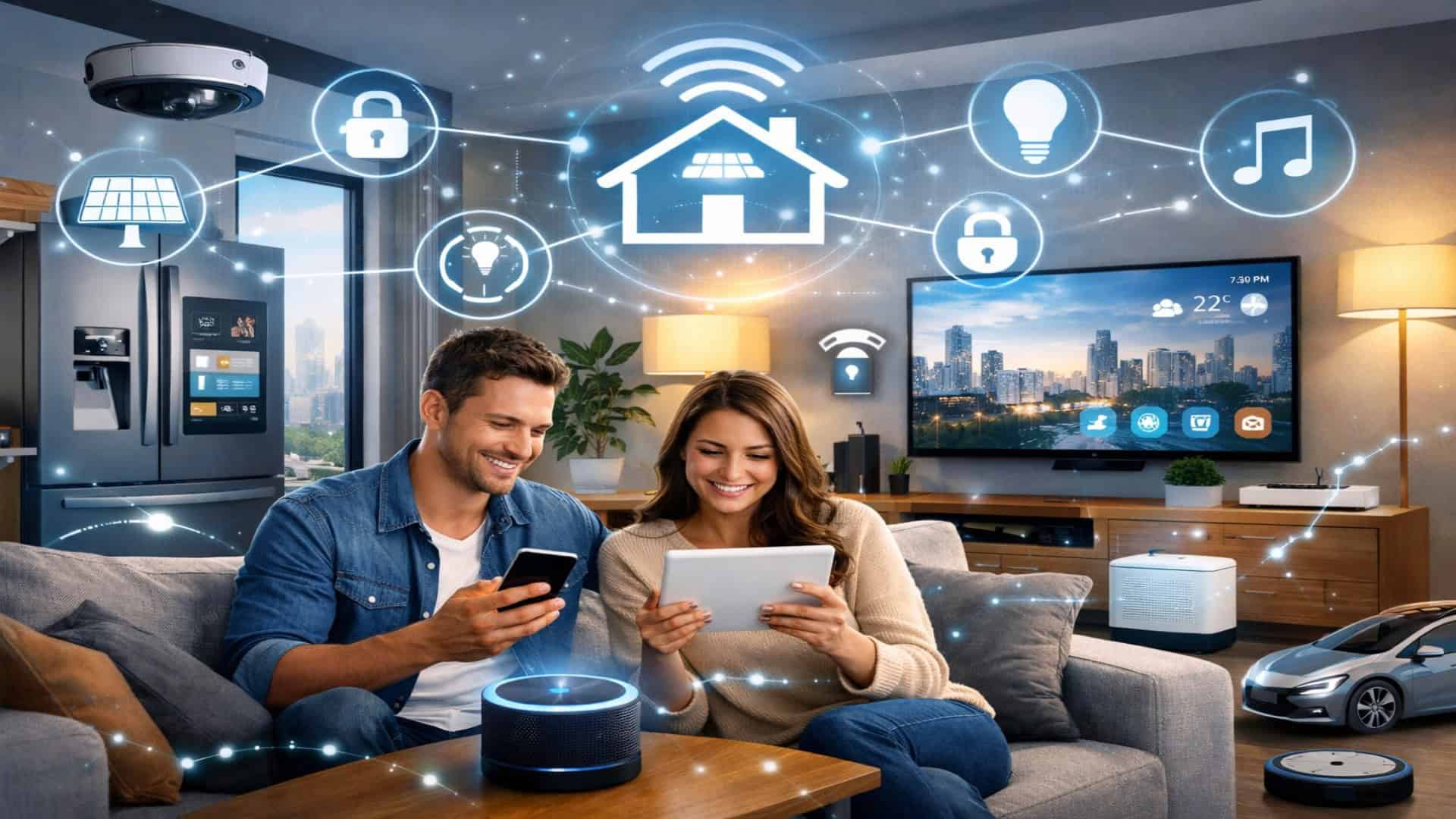
The way we interact with our living spaces has undergone a profound transformation. Just a decade ago, controlling the lights with a smartphone felt like a novelty. Today, the rise of smart technology in modern living is no longer an emerging trend; it is the standard. From intelligent thermostats that learn our schedules to advanced security systems that offer peace of mind, connected devices are reshaping our daily routines, enhancing accessibility, and redefining what it means to be “at home.”
This comprehensive guide explores the evolution, benefits, challenges, and future trajectory of smart technology. Whether you are a tech enthusiast building a fully automated house or someone simply curious about how these tools can make life a little easier, understanding this digital shift is essential for navigating the modern world.
The Evolution of the Connected Ecosystem
The journey from manual appliances to a fully synchronized smart home has been driven by rapid advancements in the Internet of Things (IoT), artificial intelligence (AI), and high-speed broadband connectivity. Initially, smart technology was fragmented. Consumers had to navigate a frustrating landscape of incompatible devices, multiple apps, and spotty connections.
Today, the ecosystem has matured. The adoption of unified communication protocols and interoperable platforms has allowed different devices to “talk” to one another seamlessly. Your morning alarm can now trigger your coffee maker, gently raise the window blinds, and adjust the thermostat—all before you even step out of bed.
This evolution is largely fueled by a desire for convenience, but it has expanded far beyond simple automation. Modern smart technology is deeply integrated into energy conservation, preventative healthcare, and inclusive living, making our environments more responsive to our human needs.
2026 Market Landscape and Growth Statistics
To truly grasp the magnitude of smart technology’s rise, we must look at the numbers. The market has moved from a niche luxury sector to a massive global industry. Increased accessibility, lower device costs, and an undeniable consumer demand for efficiency are driving exponential growth.
Global Market Projections
The data reflects a massive shift toward automation and connected living. Below is a snapshot of the current market landscape based on recent industry reports.
| Market Metric | 2026 Estimate | Projected Future Growth | Key Drivers |
| Global Market Value | $154.18 Billion | Expected to reach $812.55 Billion by 2033 | Rising IoT adoption, demand for home security |
| Compound Annual Growth Rate | 26.8% (2026-2033) | 21.7% in related device sectors | AI integration, expansion of 5G networks |
| Residential Market Share | 65.8% of total market | Continued dominance expected | Consumer demand for comfort and energy efficiency |
| Security & Access Control | 29.1% segment share | Steady growth as privacy concerns rise | Mandatory cybersecurity compliance, safety awareness |
| Wi-Fi Connectivity | 52.7% segment share | Transitioning toward mesh networks | Ubiquity, high bandwidth, device compatibility |
The statistics highlight a clear narrative: consumers are not just buying single devices; they are investing in comprehensive, whole-home ecosystems. The DIY smart home market is particularly booming, as everyday users increasingly prefer affordable, easy-to-install automation solutions over expensive, professionally installed systems.
Reshaping the Modern Home: Room by Room
The impact of smart technology is most visible when we examine how it alters specific areas of our homes. The modern living space is becoming a proactive partner in our daily routines.
Security and Access Control
Safety is a fundamental human need, and smart technology has revolutionized home security. Modern systems go far beyond traditional burglar alarms.
- Smart Locks: Digital access solutions allow homeowners to lock and unlock doors remotely, grant temporary access to guests or delivery personnel, and receive notifications when someone enters or leaves.
- Video Doorbells and Cameras: High-definition cameras with AI-powered person and package detection offer real-time monitoring from anywhere in the world.
- Interactive Sensors: Smart smoke detectors, carbon monoxide monitors, and water leak sensors can instantly alert you to emergencies, potentially saving lives and preventing thousands of dollars in property damage.
The Intelligent Kitchen
The kitchen, traditionally the heart of the home, is becoming its most high-tech hub.
- Smart Refrigerators: These appliances can track expiration dates, suggest recipes based on current ingredients, and allow you to peek inside via a smartphone app while you are at the grocery store.
- Automated Cooking: Smart ovens can preheat remotely and adjust cooking times based on the exact weight and type of food.
- Voice-Activated Assistants: Smart displays help with setting multiple timers, converting measurements hands-free, and ordering depleted groceries instantly.
Climate Control and Energy Management
One of the most practical applications of smart home technology is in heating, ventilation, and air conditioning (HVAC).
- Smart Thermostats: These devices learn your daily schedule and temperature preferences, automatically adjusting the climate to optimize comfort when you are home and conserve energy when you are away.
- Smart Blinds and Lighting: Automated window coverings and LED lighting systems adjust based on the time of day and the amount of natural sunlight entering the room, significantly reducing electricity consumption.
Inclusive Living: Smart Tech for Everyone
One of the most profound, yet frequently overlooked, benefits of smart technology is its capacity to foster inclusive living. For older adults and individuals with disabilities, these devices are not merely conveniences; they are vital tools for independence and safety.
Assisted Living and Elderly Care
The global population is aging, and there is a growing preference for “aging in place”—remaining in one’s own home for as long as possible rather than moving to an assisted living facility. Smart technology is making this a safe reality.
- Fall Detection Sensors: Wearable devices and ambient home sensors can detect if a person has fallen and automatically alert emergency services or family members.
- Medication Reminders: Smart pill dispensers provide auditory and visual cues for medication schedules and can notify caregivers if a dose is missed.
- Behavioral Monitoring: Proactive systems can learn an individual’s normal routine. If a significant deviation occurs—such as not opening the refrigerator all day or spending an unusually long time in the bathroom—the system can alert family members to check in.
Accessibility for Individuals with Disabilities
Smart home ecosystems level the playing field by removing physical barriers within the home.
- Voice Control: For individuals with limited mobility or dexterity, voice assistants allow them to turn on lights, adjust the thermostat, lock doors, and operate entertainment systems without needing to physically reach a switch or a remote.
- Automated Routines: Complex tasks can be simplified into a single command. A “Goodnight” routine can simultaneously lock all doors, turn off the lights, and arm the security system, providing autonomy and security.
- Screen Readers and Haptic Feedback: Smart devices are increasingly designed with accessibility in mind, using screen-reading technology and haptic (touch) feedback to support users with different sensory needs
The Impact on Daily Productivity and Well-Being
Beyond the physical hardware, the rise of smart technology has a deep psychological and physiological impact on our daily lives.
Cognitive Offloading
Modern life is incredibly complex, filled with endless to-do lists, appointments, and micro-tasks. Smart assistants help manage this mental burden through a process called cognitive offloading. By delegating calendar management, reminders, and routine tasks to AI, we free up our mental bandwidth. This allows individuals to focus their cognitive energy on complex problem-solving, creativity, and meaningful interpersonal connections, rather than trying to remember if they turned off the oven.
Democratizing Health and Fitness
Smart devices have taken health monitoring out of the doctor’s office and placed it firmly on our wrists and in our homes.
- Continuous Monitoring: Wearables track heart rate, blood oxygen levels, daily steps, and sleep architecture. This provides a holistic, 24/7 picture of an individual’s health.
- Predictive Insights: Advanced algorithms can detect anomalies, such as irregular heart rhythms (like atrial fibrillation) or sleep apnea events, prompting users to seek medical advice before a minor issue becomes a major emergency.
- Engagement and Motivation: Gamification features in fitness apps encourage users to stay active, fostering a community of support and turning personal health into an engaging daily pursuit.
Environmental Sustainability and Resource Conservation
The collective impact of millions of smart homes can lead to massive environmental benefits. Smart technology plays a crucial role in reducing our carbon footprint and managing precious resources.
Energy Efficiency
Smart homes are designed to eliminate energy waste. Smart plugs can shut off “phantom power” drawn by electronics in standby mode. Predictive automation can reduce residential energy consumption by approximately 20% to 25%. By optimizing heating, cooling, and lighting, smart homes ensure that energy is only used when and where it is strictly necessary.
Water Conservation
Smart irrigation systems utilize local weather data and soil moisture sensors to water lawns and gardens only when required, preventing the massive water waste associated with traditional, timed sprinkler systems. Furthermore, smart leak detectors can immediately shut off the main water valve if a burst pipe is detected, preventing water waste and catastrophic home damage.
Navigating the Challenges: Privacy, Security, and Equity
While the benefits are vast, the rapid adoption of smart technology brings significant challenges that must be addressed candidly. We cannot discuss the rise of the smart home without acknowledging the inherent risks.
Data Privacy and Cyber Security
Smart devices operate by collecting staggering amounts of personal data. Microphones listen for wake words, cameras observe our living rooms, and sensors track our daily habits.
- The Vulnerability: As the number of interconnected devices multiplies, every single endpoint becomes a potential vulnerability. Low-cost IoT devices with poor security standards can serve as gateways for malicious actors to breach home networks.
- The Solution: Consumers must prioritize devices that offer end-to-end encryption, local data processing (where data is processed on the device rather than in the cloud), and mandatory two-factor authentication. Furthermore, manufacturers and regulatory bodies are increasingly implementing strict cybersecurity compliance standards, such as the EU Cyber Resilience Act, to force companies to build secure products.
The Digital Divide
There is a profound risk that the benefits of smart technology will be distributed unequally. The “Digital Divide” refers to the gap between those who have access to modern information and communications technology and those who do not.
- High upfront costs, the requirement for stable, high-speed broadband, and the necessary technical literacy create barriers to entry.
- If smart technology becomes essential for accessing healthcare insights, reducing energy bills, and maintaining home security, society must ensure that lower-income households and rural communities are not left behind. Government initiatives, subsidized broadband, and affordable device programs are critical to ensuring inclusive access.
The Future of Smart Living: Context-Aware Environments
Looking ahead, the trajectory of smart technology points toward an era of true ambient intelligence. We are moving away from reactive technology (where you must explicitly command a device to do something) toward proactive, context-aware environments.
In the near future, homes will anticipate our needs based on AI-driven behavioral analysis. Your home will know you have had a stressful day based on data from your smartwatch, and it will automatically dim the lights to a soothing hue, play relaxing music, and adjust the temperature as you walk through the door. Predictive maintenance will become standard; your washing machine will sense a failing motor and automatically order the replacement part and schedule a repair technician before the appliance actually breaks down.
The goal is an invisible technology layer that seamlessly supports human life, enhancing comfort, health, and sustainability without requiring constant manual management.
Conclusion
The rise of smart technology in modern living is fundamentally altering the human experience. It reclaims our time through automation, protects our spaces through advanced security, promotes environmental sustainability, and fosters inclusive living for the elderly and disabled.
However, this transformation requires mindful navigation. As we welcome these devices into our most intimate spaces, we must remain vigilant about data privacy, advocate for robust cybersecurity standards, and work to bridge the digital divide so that everyone can benefit from a connected future. Ultimately, the best smart home is not just one with the most gadgets; it is one that uses technology to create a safer, healthier, and more supportive environment for the people living inside it.
Frequently Asked Questions (FAQ)
1. What exactly is a “smart home”?
A smart home is a residence equipped with internet-connected devices that allow for the remote monitoring, management, and automation of appliances and systems, such as lighting, heating, and security.
2. Is smart home technology safe from hackers?
No system is 100% immune to hacking, but the risks can be heavily mitigated. To secure your smart home, always change default passwords, enable two-factor authentication, keep device firmware updated, and use a secure, encrypted Wi-Fi network.
3. Do smart devices really save money on energy bills?
Yes. Devices like smart thermostats and smart LED lighting optimize usage based on your actual habits and occupancy, reducing unnecessary heating, cooling, and lighting. Studies show smart thermostats can lower heating and cooling costs by up to 20%.
4. Can smart home devices help people with disabilities?
Absolutely. Smart technology is a powerful tool for inclusive living. Voice-activated assistants, automated door locks, and smart appliances remove physical barriers, allowing individuals with mobility or visual impairments to control their environment independently.
5. Do I need a fast internet connection for a smart home to work?
Yes, a stable and relatively fast Wi-Fi connection is the backbone of any smart home ecosystem. Devices need to communicate with your router, each other, and often cloud servers to function correctly. Without reliable internet, device performance will be sluggish or completely unresponsive.
6. What happens to my smart home if the power or internet goes out?
Most smart devices rely on the internet and continuous power. During an internet outage, voice assistants and remote access will fail, though some devices running on local protocols (like Zigbee or Z-Wave) may still execute basic automated routines. During a power outage, unless the devices have battery backups (common in security cameras and smart locks), they will not function.
Reference Links
For further reading and verification of the market trends, statistics, and concepts discussed in this article, please refer to the following industry reports and research resources:
-
Smart Home Technologies Market Size & Trends, 2026-2033 – Coherent Market Insights
-
Smart Home Devices Market Size, Share | Growth Report [2034] – Fortune Business Insights
-
Importance of Smart Devices: Reshaping Our Daily Lives and Future – inairspace
-
Smart Home Statistics By Technology, Features, Security – Market.us Scoop
Leave a Reply