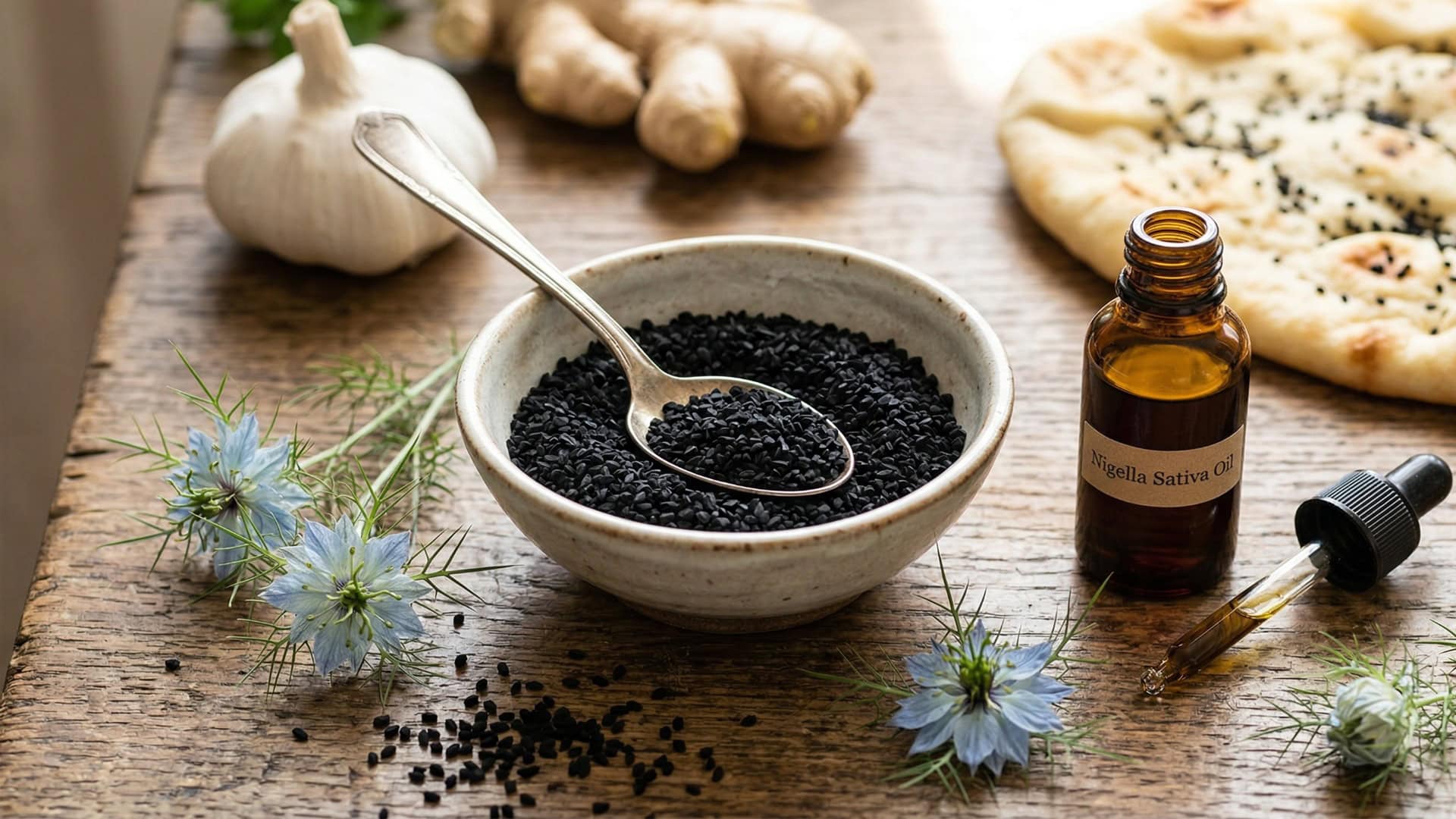
Whether you are an adventurous home chef, a wellness enthusiast, or someone simply looking to incorporate more nutrient-dense foods into your lifestyle, you have likely come across a tiny, jet-black seed with a massive reputation. Known formally as Nigella sativa, and commonly referred to as black cumin, kalonji, or black seed, this remarkable spice has been a staple in traditional wellness practices and global cuisines for thousands of years.
Despite its diminutive size, kalonji packs a profound punch. From ancient Egyptian pharaohs to modern-day dietitians, people across diverse cultures and generations have celebrated this seed. In this comprehensive guide, we will explore the fascinating world of black cumin. We will dive deep into its rich nutritional profile, uncover the science-backed health benefits it offers, explore how you can use it in your daily cooking, and answer the most frequently asked questions about this “seed of blessing.”
What is Black Cumin (Kalonji)?
To truly appreciate black cumin, we first need to clear up some common botanical confusion. The name “black cumin” is frequently misused, which can make shopping for the right spice a bit of a treasure hunt.
True kalonji is the seed of the Nigella sativa plant, an annual flowering shrub that belongs to the Ranunculaceae (buttercup) family. The plant is native to South Asia, the Middle East, and parts of the Mediterranean. It grows to about 8 to 35 inches tall and produces delicate, pale blue or white flowers. Inside the fruit of these flowers are tiny, angular, pitch-black seeds—this is the kalonji we use.
Clearing Up the Confusion: What Kalonji is Not
Because common names vary by region, Nigella sativa is often confused with other spices. Here is how to tell them apart:
- Regular Cumin (Cuminum cyminum): This is the brown, boat-shaped seed found in taco seasonings and chili powders. They look entirely different and have a completely different, earthy flavor profile.
- Black Caraway / True Black Cumin (Bunium bulbocastanum): This seed looks very similar to regular brown cumin but is darker and thinner. It is popular in Northern Indian and Middle Eastern cooking but is not kalonji.
- Black Sesame Seeds: While they look similar at a quick glance, black sesame seeds are flatter, more teardrop-shaped, and have a nutty flavor. Kalonji seeds are more triangular and have a distinctively pungent, onion-like taste.
The Flavor Profile of Kalonji
If you have never tasted black cumin, you are in for a unique culinary experience. The flavor is complex and layered. When raw, the seeds have a slightly bitter, pungent taste reminiscent of a combination of onions, black pepper, and oregano. When toasted or cooked in oil, they mellow out, releasing a rich, nutty, and slightly smoky aroma that enhances savory dishes beautifully.
The Historical and Cultural Significance of the “Seed of Blessing”
The story of kalonji is as rich as its flavor. Its use spans over three millennia, making it one of the oldest known medicinal spices in human history.
In ancient Egypt, black seed oil was found in the tomb of Pharaoh Tutankhamun. The ancient Egyptians believed that items buried with the pharaohs were essential for the afterlife, highlighting the immense value they placed on this seed. Cleopatra was also rumored to use black cumin oil as part of her daily beauty and skincare routine.
In the Middle East, the seed is often referred to as Habbatul Barakah, which translates beautifully to the “seed of blessing.” Traditional Islamic texts mention it as a remedy capable of healing every ailment except death itself.
Similarly, in Ayurveda—the traditional holistic healing system of India—kalonji is prized for its warming properties. Ayurvedic practitioners have historically used it to balance the body’s doshas (energies), particularly to support digestion, alleviate respiratory issues, and boost overall vitality.
Nutrition Facts: What Makes Kalonji So Powerful?
While black cumin is typically consumed in small amounts—usually just a teaspoon or two at a time—it is remarkably nutrient-dense. Its true power, however, lies not just in its basic macronutrients, but in its complex array of phytochemicals and active compounds.
The Macronutrient Breakdown
A standard serving of black cumin seeds (about 1 tablespoon or 5 grams) contains roughly:
| Nutrient | Amount per 1 Tablespoon (approx.) |
| Calories | 45 kcal |
| Protein | 1.5 grams |
| Carbohydrates | 2.5 grams |
| Dietary Fiber | 1.8 grams |
| Total Fat | 3.5 grams |
The fats found in kalonji are primarily healthy, unsaturated fats, including linoleic acid (Omega-6) and oleic acid (Omega-9), which are essential for brain health and cellular function.
Essential Vitamins and Minerals
Black cumin seeds are a fantastic source of several essential micronutrients that support various bodily functions:
- Calcium: Vital for strong bones and teeth, as well as proper muscle function.
- Iron: Crucial for the formation of red blood cells and the transport of oxygen throughout the body.
- Zinc: A powerhouse mineral that supports the immune system, DNA synthesis, and wound healing.
- Copper: Helps your body make red blood cells and keeps nerve cells and your immune system healthy.
- B Vitamins: Kalonji contains trace amounts of B1 (Thiamine), B2 (Riboflavin), B3 (Niacin), and B9 (Folate), which are necessary for energy production.
The Magic Ingredient: Thymoquinone (TQ)
While the vitamins and minerals are beneficial, the absolute star of the show in kalonji is a unique phytochemical compound called Thymoquinone (TQ).
Thymoquinone is the primary active ingredient in Nigella sativa and is responsible for the vast majority of its health benefits. It is a highly potent antioxidant, anti-inflammatory, and hepatoprotective (liver-protecting) agent. When researchers study black cumin for its effects on disease prevention and wellness, they are almost always looking at the effects of thymoquinone.
Top Health Benefits of Black Cumin (Kalonji)
Modern science has begun to rigorously study what traditional wellness practitioners have known for centuries. Today, there are hundreds of peer-reviewed studies highlighting the profound health benefits of incorporating kalonji into a balanced diet. Here are the most significant, science-backed benefits.
1. Packed with Disease-Fighting Antioxidants
Antioxidants are compounds that help protect your body’s cells against oxidative stress caused by free radicals. When free radicals outnumber antioxidants in your body, it leads to a state called oxidative stress, which is linked to chronic conditions like heart disease, Alzheimer’s, and certain cancers.
Kalonji is exceptionally rich in antioxidants, particularly thymoquinone, carvacrol, t-anethole, and 4-terpineol. These compounds work together to scavenge free radicals, protecting your cells from damage and promoting long-term cellular health.
2. Powerful Anti-Inflammatory Properties
Inflammation is a natural immune response, but chronic inflammation is the root cause of many modern diseases, including type 2 diabetes, arthritis, and cardiovascular disease.
The thymoquinone in black cumin has been shown to strongly inhibit the production of inflammatory markers in the body. For individuals dealing with inflammatory joint conditions like rheumatoid arthritis, regular consumption of black seed oil or kalonji seeds may help reduce joint swelling, morning stiffness, and overall pain.
3. May Support Blood Sugar Regulation
Managing blood sugar is crucial for everyone, not just those managing diabetes. Stable blood sugar levels mean stable energy, better mood, and a reduced risk of metabolic syndrome.
Several studies suggest that kalonji can help keep blood sugar steady. It appears to work by improving insulin sensitivity—meaning it helps your cells respond better to insulin so they can efficiently take up glucose from the bloodstream. Incorporating a small amount of black cumin powder or oil into your daily routine, alongside a balanced diet, may be a great supportive strategy for metabolic health.
4. Promotes Heart Health and Lowers Cholesterol
Heart disease remains one of the leading causes of mortality worldwide. Diet and lifestyle play a massive role in cardiovascular health, and kalonji can be a valuable addition to a heart-healthy regimen.
Research indicates that supplementing with Nigella sativa can significantly decrease “bad” LDL cholesterol and blood triglycerides. Interestingly, it has also been shown to help raise “good” HDL cholesterol. Furthermore, the anti-inflammatory and antioxidant properties of the seeds help protect blood vessels from damage, which is a key factor in maintaining healthy blood pressure.
5. Supports a Robust Immune System
Whether it is cold and flu season or you simply want to keep your natural defenses strong year-round, black cumin can help. Kalonji has both antibacterial and antiviral properties.
Studies have shown that black seed extracts can effectively inhibit the growth of certain strains of bacteria, including some that are resistant to standard antibiotics (such as MRSA). While it should never replace prescribed medical treatments, it acts as a wonderful complementary food to keep your immune system vigilant and responsive.
6. Protects and Supports Liver Function
Your liver is the body’s ultimate detoxifier. It works tirelessly to process nutrients, filter out toxins, and metabolize medications. However, poor diet, alcohol consumption, and environmental toxins can overwork the liver.
Animal studies and some human trials have demonstrated that black cumin can help protect the liver from injury and damage. The antioxidants in kalonji reduce the oxidative stress placed on the liver, supporting its natural detoxification processes and preventing cellular damage.
7. May Alleviate Respiratory Conditions
In traditional medicine, kalonji is frequently used to treat respiratory ailments like asthma and bronchitis. Modern science supports this use.
Black cumin acts as a bronchodilator, meaning it helps relax the muscles in the airways, making it easier to breathe. The anti-inflammatory effects also help reduce swelling in the respiratory tract. Some studies involving individuals with asthma found that taking black seed extract significantly improved asthma control and pulmonary function.
8. Enhances Brain Health and Memory
Cognitive decline is a major concern as populations age. The brain is highly susceptible to oxidative stress, which contributes to conditions like Alzheimer’s and Parkinson’s disease.
The thymoquinone in kalonji has neuroprotective effects. It helps protect brain tissue from free radical damage and reduces neuroinflammation. Early research suggests that regular consumption of Nigella sativa may help enhance memory, attention, and cognitive function, making it a true “brain food.”
9. Potential Cancer-Fighting Properties
Note: It is important to approach this topic with care. Kalonji is not a cure for cancer, but it contains compounds that show promise in preventative wellness.
Test-tube studies have found that the thymoquinone in black cumin can induce apoptosis (programmed cell death) in various types of cancer cells, including breast, pancreatic, lung, and prostate cancer cells. While these results are promising, more extensive human trials are needed to fully understand how kalonji can be used safely and effectively as an adjunct therapy in cancer treatment.
10. Prevents Stomach Ulcers
Stomach ulcers are painful sores that form when the layer of mucus that protects the stomach lining is eroded, often by excess stomach acid or bacterial infections (H. pylori). Kalonji has been shown to help preserve the stomach lining and prevent the formation of ulcers. It also exhibits antibacterial activity against H. pylori, addressing one of the root causes of ulcer formation.
Culinary Uses: How to Add Kalonji to Your Diet
Now that we understand the incredible benefits of black cumin, how do we actually eat it? Because of its strong, somewhat pungent flavor, kalonji is best used as a spice rather than consumed by the handful. Here are some delicious and accessible ways to incorporate it into your cooking.
1. Master the “Panch Phoron”
If you love South Asian cuisine, you must try Panch Phoron. This is a traditional Bengali five-spice blend made of equal parts:
- Kalonji (Black Cumin)
- Cumin seeds
- Fennel seeds
- Mustard seeds
- Fenugreek seeds
How to use it: Heat a tablespoon of oil or ghee in a pan, add a teaspoon of the Panch Phoron blend, and let the seeds sizzle and pop for about 30 seconds. This process, called tempering or tadka, releases the essential oils. Pour this over roasted root vegetables, lentil soups (dals), or potato curries for an authentic, aromatic flavor.
2. Elevate Your Breads and Baking
In the Middle East and India, kalonji is traditionally sprinkled over flatbreads before baking.
- Naan and Pita: Press a pinch of black cumin seeds into the dough of your homemade naan or pita bread before sliding it into the oven.
- Savory Crackers: Add a teaspoon of kalonji to your favorite savory cracker or biscuit recipe. The seeds add a beautiful visual contrast and a savory crunch.
3. Spice Up Soups, Stews, and Curries
Because kalonji has a slightly oniony flavor, it pairs wonderfully with rich, savory liquids.
- Drop half a teaspoon into your next batch of chicken noodle soup or minestrone.
- Stir it into a hearty beef or root vegetable stew.
- Add it to tomato-based curries to deepen the flavor profile.
4. Flavor Pickles and Preserves
Kalonji is a natural preservative due to its antibacterial properties, making it a staple in traditional pickling.
- Add a teaspoon of black cumin to the brine when making homemade pickled cucumbers, red onions, or jalapeños. It adds a complex spice note that elevates standard pickles to gourmet status.
5. Create a Wellness Tea
For a direct, soothing way to consume kalonji, make a simple tea.
- Crush 1 teaspoon of black cumin seeds lightly with a mortar and pestle.
- Steep the crushed seeds in hot water for 10 minutes.
- Strain, and add a slice of lemon and a dash of raw honey to balance the bitterness. This is an excellent, warming drink to support digestion after a heavy meal.
Non-Culinary Uses: Skincare and Haircare
Beyond the kitchen, Nigella sativa is a powerhouse in the world of natural cosmetics. For external use, people generally use Black Seed Oil (cold-pressed oil extracted from kalonji seeds) rather than the whole seeds.
Radiant, Clear Skin
Because black seed oil is antimicrobial and anti-inflammatory, it is highly regarded for acne-prone skin. It can help reduce the redness and swelling of blemishes while fighting the bacteria that cause breakouts.
- How to use: Dilute a few drops of black seed oil with a carrier oil (like jojoba or sweet almond oil) and apply it to the face as the last step in your nighttime skincare routine. It is also deeply hydrating, making it beneficial for individuals dealing with eczema or psoriasis.
Healthy, Strong Hair
Black seed oil is frequently found in high-end hair serums and scalp treatments. It is believed to stimulate hair follicles, reduce hair fallout, and soothe dry, flaky scalps.
- How to use: Massage a mixture of black seed oil and coconut oil into your scalp 30 minutes before washing your hair. This acts as a deeply nourishing pre-shampoo treatment.
Potential Side Effects and Precautions
While black cumin is generally recognized as safe when consumed in culinary amounts, there are some important precautions to keep in mind, particularly when taking concentrated supplements or extracts. We believe in providing inclusive, holistic information so that everyone can make the best choices for their unique bodies.
- Pregnancy and Breastfeeding: In small, food-like amounts, kalonji is safe during pregnancy. However, taking large, medicinal doses or using concentrated black seed oil is discouraged. Large doses can affect uterine contractions. Always consult with your healthcare provider or obstetrician.
- Bleeding Disorders: Kalonji may slow blood clotting. If you have a bleeding disorder or are taking anticoagulant medications (blood thinners), speak with a doctor before using black cumin supplements, as it could increase the risk of bruising and bleeding.
- Upcoming Surgery: Because of its effects on blood clotting and blood sugar, it is recommended to stop taking black cumin supplements at least two weeks prior to any scheduled surgery.
- Medication Interactions: If you take medications for high blood pressure or diabetes, monitor yourself closely if you start using kalonji supplements. Because kalonji can naturally lower blood pressure and blood sugar, combining it with medications could cause these levels to drop too low (hypoglycemia or hypotension).
Conclusion
Black cumin, or kalonji, truly earns its historical title as the “seed of blessing.” From its potent antioxidant and anti-inflammatory properties to its unique, savory flavor profile, it is a versatile and highly beneficial addition to any lifestyle. Whether you are tempering it in hot oil for a fragrant curry, sprinkling it on homemade bread, or using the oil to soothe your skin, you are tapping into a wellness tradition that has stood the test of time.
As with any dietary change, listen to your body, start with small culinary amounts, and consult with a healthcare professional if you plan to use it as a concentrated supplement. Happy cooking, and here is to your health!
Frequently Asked Questions (FAQ)
1. What is the best time of day to consume kalonji?
There is no strict rule, but many traditional practitioners recommend consuming a small amount of kalonji (either a pinch of seeds or a half-teaspoon of oil) in the morning on an empty stomach, often chased with warm water or honey, to support digestion and metabolism throughout the day.
2. Can I eat black cumin seeds raw?
Yes, you can eat them raw, but they have a very strong, bitter, and pungent flavor. Lightly toasting them in a dry pan or frying them in a small amount of oil softens the bitterness and brings out a pleasant, nutty aroma, making them much more palatable.
3. Is black seed oil better than the whole seeds?
Neither is inherently “better,” but they serve different purposes. The whole seeds provide dietary fiber and are excellent for culinary uses. Black seed oil is highly concentrated, meaning you get a larger dose of the active compound thymoquinone quickly. The oil is also better suited for topical applications on the skin and hair.
4. Can kalonji help with weight loss?
Some studies suggest that black cumin supplementation may lead to modest weight loss and a reduction in waist circumference. It is believed to help by regulating blood sugar levels and reducing inflammation, which are both linked to metabolic health. However, it is not a magic pill and should be combined with a healthy diet and regular physical activity.
5. How should I store kalonji seeds to keep them fresh?
Like all spices, heat, light, and moisture are the enemies of kalonji. Store the seeds in an airtight glass container in a cool, dark place, such as a pantry or a dedicated spice drawer away from the stove. Properly stored, they can retain their flavor and potency for up to two years.
6. Are onion seeds and black cumin the same thing?
No! This is a very common misconception because kalonji is sometimes incorrectly labeled as “black onion seed” in Western grocery stores due to its slightly onion-like flavor. However, they are entirely different plants. Kalonji is Nigella sativa, while true onion seeds come from the Allium cepa plant.
Reference Links
For further reading and to review the scientific literature supporting the benefits of black cumin, please explore the following trusted resources:
-
National Center for Biotechnology Information (NCBI): A review on therapeutic potential of Nigella sativa: A miracle herb. https://www.ncbi.nlm.nih.gov/pmc/articles/PMC3642442/
-
Healthline: 9 Impressive Health Benefits of Kalonji (Nigella Seeds). https://www.healthline.com/nutrition/kalonji-nigella-seeds-benefits
-
WebMD: Black Seed – Uses, Side Effects, and More. https://www.webmd.com/vitamins/ai/ingredientmono-901/black-seed
-
National Institutes of Health (NIH) – PubMed: Antioxidant and anti-inflammatory effects of Thymoquinone. https://pubmed.ncbi.nlm.nih.gov/24056265/
-
Medical News Today: What are the health benefits of black seed oil? https://www.medicalnewstoday.com/articles/322948
Leave a Reply