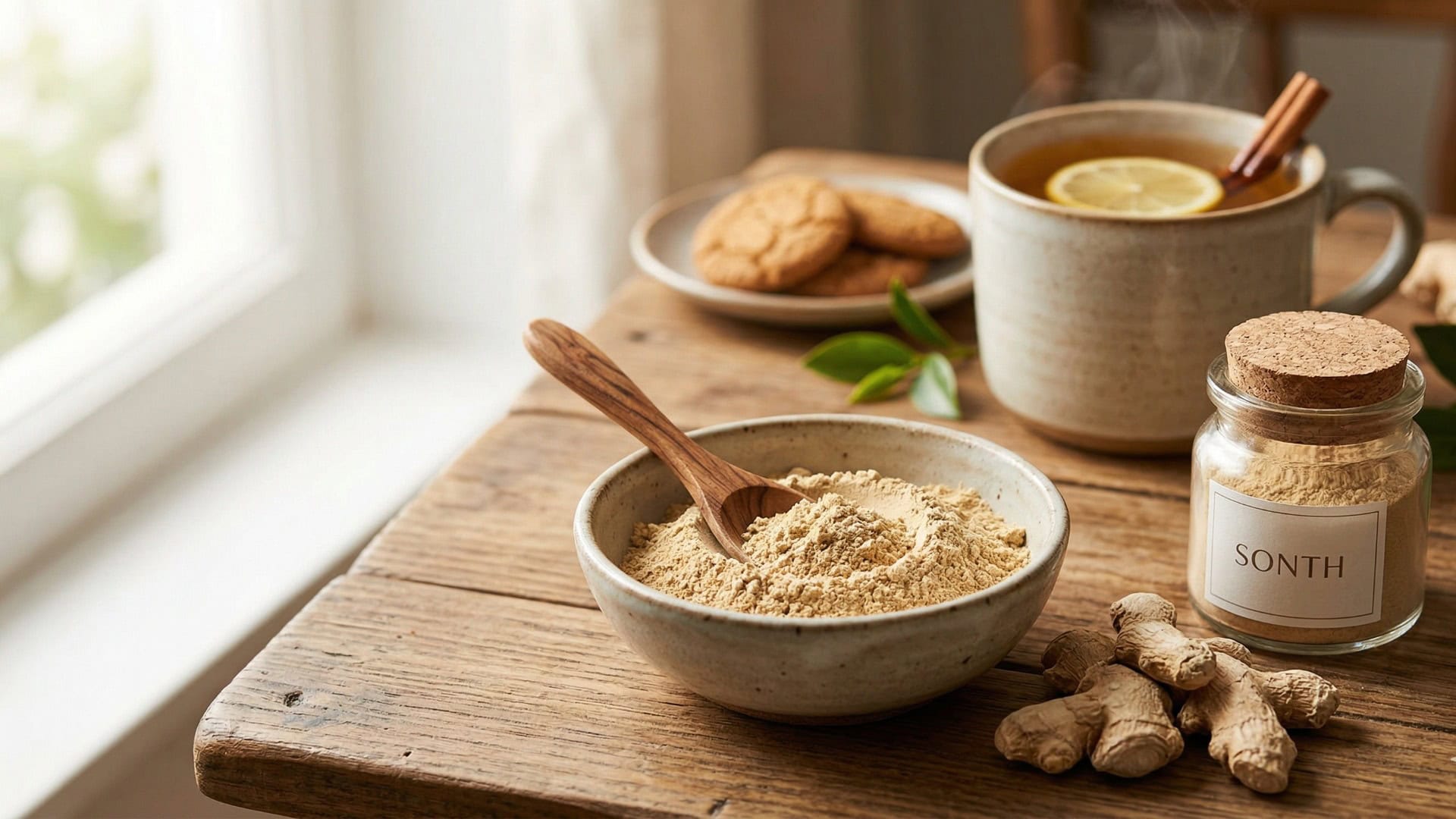
If you have ever enjoyed a warm cup of spiced chai, a slice of gingerbread, or a soothing bowl of curry, chances are you have experienced the unmistakable, comforting warmth of dried ginger. Known widely as “Sonth” or “Saunth” in Hindi, dried ginger is a culinary and medicinal powerhouse that has been utilized by humans for thousands of years.
Across the globe, from the holistic practices of Ayurveda in India to Traditional Chinese Medicine, dried ginger is celebrated not just for its robust flavor, but for its profound health-promoting properties. Whether you are looking to soothe an upset stomach, add a fiery kick to your favorite baked goods, or simply explore the world of natural remedies, dried ginger is an accessible and highly effective ingredient to incorporate into your lifestyle.
In this comprehensive, SEO-friendly guide, we will explore everything you need to know about dried ginger (sonth). We will dive deep into its nutritional profile, uncover its science-backed health benefits, provide practical tips for everyday use, and answer your most frequently asked questions.
What is Dried Ginger (Sonth)?
Dried ginger is exactly what it sounds like: the fresh root (rhizome) of the Zingiber officinale plant that has been carefully washed, peeled, and dried until it loses its moisture content. This drying process transforms the physical state of the root and fundamentally alters its flavor profile and chemical composition.
While fresh ginger is known for its sharp, zesty, and slightly sweet flavor, the drying process concentrates the essential oils within the root. As a result, dried ginger powder has a more intense, earthy, and pungent flavor. A little goes a long way.
The Chemical Transformation: Gingerols to Shogaols
To understand the true power of sonth, we must look at its chemistry. Fresh ginger is rich in active compounds called gingerols. However, when ginger is subjected to heat and dehydration during the drying process, these gingerols undergo a chemical reaction and convert into compounds known as shogaols.
Shogaols are significantly more pungent than gingerols. More importantly, scientific research suggests that shogaols possess enhanced antioxidant and anti-inflammatory properties compared to their fresh counterparts. This chemical shift is why traditional medicine systems often prescribe dried ginger specifically for deep-seated inflammation, joint pain, and metabolic stimulation, reserving fresh ginger for milder digestive issues or respiratory colds.
Comprehensive Nutrition Facts of Dried Ginger
Dried ginger is incredibly nutrient-dense. Because the water has been removed, the macronutrients, vitamins, and minerals are highly concentrated. While you typically only consume dried ginger in small quantities (usually a teaspoon or less at a time), it still contributes valuable nutrients to your diet.
Here is the nutritional breakdown for 100 grams of dried ginger powder.
Note: A standard serving size is usually about 1 tablespoon (approx. 5 to 7 grams) or 1 teaspoon (approx. 2 grams).
| Nutrient | Amount per 100g |
| Calories | 335 kcal |
| Total Carbohydrates | 71.6 g |
| Dietary Fiber | 14.1 g |
| Sugars | 3.4 g |
| Protein | 8.9 g |
| Total Fat | 4.2 g |
| Calcium | 114 mg |
| Iron | 19.8 mg |
| Magnesium | 214 mg |
| Potassium | 1320 mg |
| Vitamin C | 0.7 mg |
| Folate | 43 µg |
Key Nutritional Takeaways
- High in Dietary Fiber: With over 14% of its weight coming from dietary fiber, dried ginger supports a healthy digestive tract and helps maintain steady blood sugar levels.
- Rich in Iron: Dried ginger is a surprising source of plant-based iron, which is essential for transporting oxygen throughout the body and preventing fatigue.
- Packed with Potassium: High potassium levels help regulate fluid balance, muscle contractions, and nerve signals, while also supporting heart health by counteracting the effects of sodium.
- Magnesium Content: Magnesium is vital for hundreds of biochemical reactions in the body, including energy creation and muscle movement.
Top Health Benefits of Dried Ginger (Sonth)
The benefits of dried ginger extend far beyond the kitchen. Backed by centuries of traditional use and an increasing amount of modern scientific research, sonth offers a wide array of advantages for human health.
1. Promotes Digestive Wellness and Relieves Nausea
Dried ginger is arguably most famous for its ability to soothe the digestive system. It acts as a carminative, meaning it helps to break up and expel intestinal gas, relieving bloating and discomfort.
Furthermore, sonth helps accelerate gastric emptying. For individuals experiencing functional dyspepsia (chronic indigestion), the delayed emptying of the stomach is a major trigger for discomfort. Consuming a small amount of dried ginger before a meal can stimulate digestive enzymes and encourage the stomach to process food more efficiently.
It is also a widely recognized natural remedy for nausea. Whether an individual is experiencing motion sickness, post-operative nausea, or morning sickness during pregnancy, ginger’s active compounds interact with receptors in the digestive tract and the central nervous system to suppress the feeling of nausea.
2. Potent Anti-Inflammatory and Pain-Relieving Properties
Chronic inflammation is at the root of many common modern diseases, including arthritis, heart disease, and cognitive decline. The high concentration of shogaols in dried ginger makes it an excellent natural anti-inflammatory agent.
These compounds work by inhibiting the production of pro-inflammatory cytokines in the body. For individuals living with osteoarthritis or rheumatoid arthritis, consuming dried ginger regularly or applying a sonth-based paste to affected joints can significantly reduce pain, stiffness, and swelling.
3. Natural Relief for Menstrual Discomfort (Dysmenorrhea)
For individuals who experience painful menstrual cramps (dysmenorrhea), dried ginger can be a game-changer. Several clinical studies have compared the efficacy of dried ginger powder to common over-the-counter pain medications like ibuprofen. The results frequently show that taking roughly 1 gram of dried ginger powder daily during the first few days of a menstrual cycle is just as effective at reducing pelvic pain as standard pharmaceutical painkillers, without the potential gastrointestinal side effects.
4. Supports Immune Function and Provides Cold Relief
In traditional Ayurvedic medicine, sonth is considered a “warming” spice. It is known to induce sweating (acting as a diaphoretic), which can help the body naturally cool down during a fever and eliminate toxins.
Dried ginger is frequently used during the colder months to ward off the common cold and flu. It helps to break down mucus accumulation in the respiratory tract, making it easier to expel. A warm cup of sonth tea with honey is a time-tested remedy for soothing sore throats, suppressing coughs, and providing a comforting boost to the immune system.
5. Helps Regulate Blood Sugar Levels
Emerging research highlights dried ginger as a powerful ally for individuals managing Type 2 diabetes or those at risk of developing the condition. Ginger has been shown to improve insulin sensitivity and increase glucose clearance in insulin-responsive tissues.
Studies indicate that daily consumption of dried ginger powder can lead to a significant reduction in fasting blood sugar levels, as well as improvements in Hemoglobin A1c (HbA1c) markers, which reflect long-term blood sugar control.
6. May Support Healthy Weight Management
Because dried ginger stimulates the metabolism and improves digestion, it can indirectly support weight management goals. The thermogenic properties of the spice mean that it slightly increases your body’s core temperature, causing you to burn more calories during digestion. Additionally, stabilizing blood sugar levels helps prevent the severe spikes and crashes that often lead to sugar cravings and overeating.
Culinary Uses: How to Incorporate Sonth into Your Diet
Dried ginger is incredibly versatile. Because it is shelf-stable and easy to measure, it is a staple in pantries worldwide. Here are some of the most popular and delicious ways to use sonth in your daily life:
Baking and Desserts
Dried ginger is the star ingredient in many classic baked goods. Its warm, sweet-yet-spicy flavor pairs perfectly with cinnamon, nutmeg, and cloves.
- Gingerbread and Ginger Snaps: You cannot make these holiday classics without a generous amount of dried ginger powder.
- Spice Cakes and Muffins: Add a teaspoon of sonth to carrot cake, pumpkin bread, or apple muffins for an extra layer of warmth.
- Fruit Compotes: Sprinkle a pinch of dried ginger over stewed apples, pears, or rhubarb to enhance their natural sweetness.
Savory Dishes and Spice Blends
In Indian, Middle Eastern, and North African cuisines, dried ginger is a fundamental building block of flavor.
- Curries and Stews: It is frequently used in rich, meat-based curries or hearty lentil stews where the moisture of fresh ginger might alter the texture of the spice paste.
- Garam Masala: Sonth is a key ingredient in many traditional Garam Masala blends.
- Marinades: Mix dried ginger with yogurt, garlic, and spices to create a tenderizing marinade for poultry, tofu, or paneer.
Comforting Beverages
Drinking your ginger is one of the fastest ways to absorb its benefits.
- Masala Chai: Dried ginger is what gives traditional Indian spiced tea its fiery, throat-warming kick.
- Golden Milk (Haldi Doodh): Combine dried ginger with turmeric, black pepper, and warm milk (dairy or plant-based) for a potent, anti-inflammatory nighttime beverage.
- Simple Sonth Tea: Boil a quarter teaspoon of dried ginger powder in water for 5 minutes. Strain, add a squeeze of lemon and a dash of honey, and enjoy a stomach-soothing tea.
Traditional and Home Remedies Using Dried Ginger
Beyond everyday cooking, dried ginger is frequently utilized in DIY home remedies. Here are a few traditional applications:
- Sonth and Jaggery Balls: In many South Asian households, equal parts of dried ginger powder and jaggery (unrefined cane sugar) are mixed with a little ghee to form small balls. Eating one of these during winter mornings helps keep the body warm and wards off seasonal bugs.
- Headache and Joint Pain Paste: Mixing a tablespoon of dried ginger powder with just enough warm water to form a thick paste creates a topical remedy. Applying this paste directly to the forehead for a tension headache, or onto aching joints, can provide localized warming pain relief. (Note: Always do a patch test first, as ginger can cause mild skin irritation in sensitive individuals).
- Throat Soother: Mixing a pinch of sonth with a teaspoon of raw honey and slowly licking it helps coat a scratchy throat and suppress dry, tickling coughs.
How to Make Dried Ginger at Home
While buying sonth powder from the store is convenient, making it at home ensures maximum freshness and zero additives. The process is straightforward:
- Select Fresh Ginger: Choose plump, firm ginger roots with smooth skin. Avoid pieces that are shriveled or have soft spots.
- Wash and Peel: Thoroughly wash the ginger to remove any dirt. Using the edge of a spoon, gently scrape off the thin outer skin.
- Slice Thinly: Cut the ginger into very thin, uniform slices. The thinner the slices, the faster and more evenly they will dry.
- Drying Process: * Sun Drying: Spread the slices out on a wire rack or baking sheet and place them in direct, hot sunlight for several days until they snap when bent. Bring them indoors at night to avoid moisture.
-
Dehydrator/Oven: Place the slices in a food dehydrator or an oven set to the lowest possible temperature (usually around 65°C or 150°F). Leave the oven door slightly cracked to let moisture escape. This process usually takes 2 to 4 hours.
-
- Grind and Store: Once the ginger is completely brittle and cooled, grind the slices into a fine powder using a spice grinder or blender. Store the powder in an airtight glass jar in a cool, dark place.
Precautions and Potential Side Effects
While dried ginger is widely considered safe for the vast majority of people when consumed in typical culinary amounts, there are a few precautions to keep in mind, especially if you are taking it in larger, therapeutic doses.
- Heartburn and Acid Reflux: While ginger aids digestion, consuming too much dried ginger on an empty stomach can actually trigger heartburn or acid reflux in sensitive individuals.
- Blood-Thinning Medications: Ginger contains natural salicylates, which can act as mild blood thinners. If you are taking anticoagulant medications (like Warfarin), consult your healthcare provider before consuming large amounts of dried ginger, as it may increase the risk of bleeding.
- Gallbladder Issues: Ginger stimulates the production of bile. People with a history of gallstones or gallbladder disease should use ginger cautiously and under medical supervision.
- During Pregnancy: While ginger is a famous remedy for morning sickness, expectant mothers should consult their obstetrician regarding the safe dosage of dried ginger, as extremely high doses have historically been cautioned against in traditional medicine during late pregnancy.
Frequently Asked Questions (FAQ)
1. Can I substitute dried ginger for fresh ginger in recipes?
Yes, but the ratio and flavor will be different. Because dried ginger is much more concentrated, you cannot substitute them at a 1:1 ratio. The general rule of thumb is to use 1/4 teaspoon of dried ginger powder for every 1 tablespoon of freshly grated ginger. Keep in mind that dried ginger has an earthier flavor, so it works best in baked goods and rich curries, while fresh ginger is better suited for light stir-fries and fresh marinades.
2. Does dried ginger go bad?
Like most ground spices, dried ginger does not technically “spoil” or become unsafe to eat, but it will lose its potency, flavor, and health benefits over time. For the best flavor and medicinal value, try to use dried ginger powder within 1 to 2 years of purchasing or grinding it.
3. What is the best way to store dried ginger?
To maximize its shelf life, store dried ginger powder in an airtight container, preferably made of glass. Keep the container in a cool, dark, and dry place, such as a pantry or a spice cabinet away from the stove. Heat, light, and moisture are the enemies of spice longevity.
4. Is it safe to consume dried ginger every day?
For most individuals, consuming small, culinary amounts of dried ginger (about 1/2 to 1 teaspoon a day) is perfectly safe and highly beneficial. However, if you plan to take ginger capsules or consume large amounts for specific medicinal purposes, it is always best to consult with a healthcare professional first.
5. Why is my home-ground dried ginger fibrous?
Ginger roots naturally contain tough, stringy fibers. When you grind dried ginger at home, some of these fibers might not break down completely, especially if you are not using a high-powered spice grinder. You can easily fix this by passing your freshly ground ginger powder through a fine-mesh sieve to catch and discard the larger fibrous pieces.
6. Does sonth contain caffeine?
No, dried ginger is naturally 100% caffeine-free. This makes sonth tea or golden milk an excellent, warming beverage choice for the evening that will not disrupt your sleep cycle.
Conclusion
Dried ginger (sonth) is much more than just a pantry staple reserved for holiday baking. It is a dynamic, nutrient-dense spice that bridges the gap between culinary delight and natural wellness. From aiding digestion and fighting inflammation to providing soothing relief from colds and cramps, the concentrated power of shogaols makes dried ginger an invaluable addition to a healthy, balanced lifestyle.
By understanding its nutritional profile and experimenting with different ways to incorporate it into your meals, beverages, and home remedies, you can easily unlock the incredible benefits that this ancient root has to offer.
References for Further Reading
To ensure the accuracy and reliability of the health claims discussed in this article, please refer to the following scientific resources and authoritative health websites:
-
National Center for Biotechnology Information (NCBI): Antibacterial and Antioxidant Activities of Ginger Extract. Available at: https://www.ncbi.nlm.nih.gov/pmc/articles/PMC3665023/
-
Healthline: 11 Proven Health Benefits of Ginger. Available at: https://www.healthline.com/nutrition/11-proven-benefits-of-ginger
-
WebMD: Health Benefits of Ginger. Available at: https://www.webmd.com/diet/ss/slideshow-health-benefits-ginger
-
PubMed: Efficacy of Ginger for Alleviating the Symptoms of Primary Dysmenorrhea. Available at: https://pubmed.ncbi.nlm.nih.gov/22781186/
-
U.S. Department of Agriculture (USDA) FoodData Central: Ginger, dried. Available at: https://fdc.nal.usda.gov/ (Search: Spices, ginger)
Leave a Reply