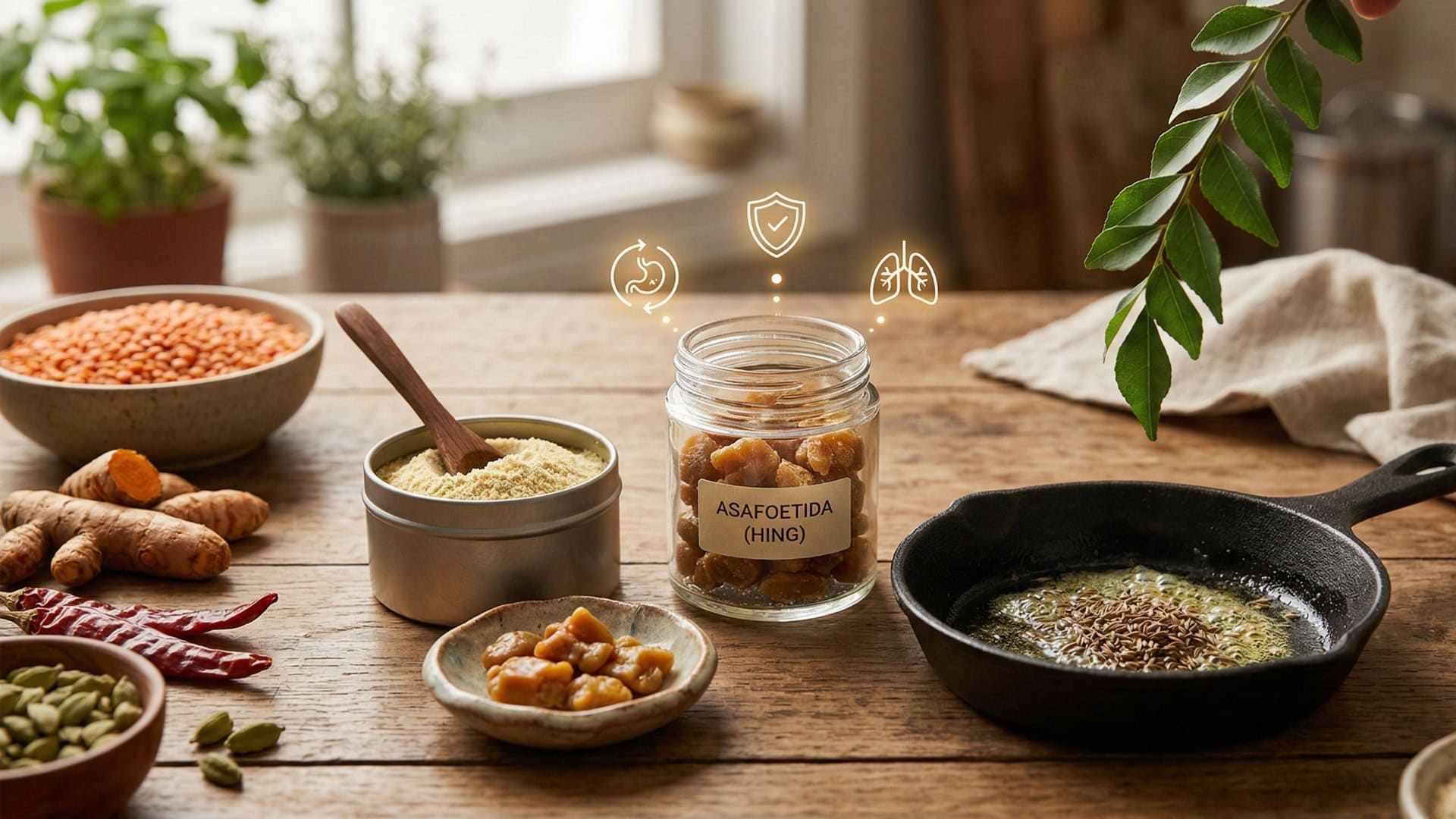
If you have ever explored the vibrant world of South Asian or Middle Eastern cuisines, you may have encountered a spice with a reputation that precedes it. Known botanically as Ferula assa-foetida, and colloquially referred to as “Hing” in Hindi, asafoetida is a truly unique culinary and medicinal ingredient. Because of its incredibly pungent raw odor, it has earned polarizing nicknames ranging from “Devil’s Dung” to “Food of the Gods.”
However, do not let the raw smell deter you. When cooked, asafoetida undergoes a remarkable transformation, mellowing out to deliver a rich, savory, umami flavor reminiscent of slow-cooked leeks, garlic, and onions. Beyond its culinary magic, asafoetida has been a cornerstone of traditional medicine for centuries, praised for its digestive, antimicrobial, and respiratory benefits.
This comprehensive guide will explore everything you need to know about asafoetida (hing), including its science-backed health benefits, diverse culinary uses, traditional applications, and potential side effects.
What is Asafoetida (Hing)?
Asafoetida is a dried latex (gum oleoresin) extracted from the taproot or stem of several species of Ferula, a perennial herb native to the deserts of Iran, Afghanistan, and other parts of Central Asia. The process of harvesting hing is labor-intensive; farmers must slice the roots of the plant and collect the sticky, milky resin that oozes out. Once dried, this resin hardens into a dark amber or brown mass.
Historically, this spice made its way to India via ancient spice routes, where it became an indispensable ingredient in regional cooking and Ayurvedic medicine. Interestingly, while India is the world’s largest consumer of hing, the plant itself requires cold desert conditions to thrive, meaning almost all of the asafoetida consumed in India is imported from Afghanistan, Iran, and Uzbekistan.
Pure Asafoetida vs. Compounded Asafoetida
When you shop for hing, you will generally find it in two distinct forms. Understanding the difference is crucial for both dietary needs and cooking applications.
| Feature | Pure Asafoetida (Tears/Lumps) | Compounded Asafoetida (Powder) |
| Appearance | Hard, brown, crystal-like lumps | Fine, pale yellow or light brown powder |
| Potency | Extremely strong; requires very little | Diluted; easier to measure and use |
| Ingredients | 100% Ferula resin | Asafoetida resin mixed with starch (wheat/rice) and gum arabic |
| Gluten-Free? | Yes | Often No (unless specifically mixed with rice flour) |
| Shelf Life | Very long (years if stored properly) | Shorter (aroma fades over a year) |
Pro Tip for Gluten Intolerance: If you have celiac disease or gluten sensitivity, always check the label of compounded asafoetida powder. Many commercial brands use wheat flour as the anti-caking agent. Look specifically for “gluten-free hing” that uses rice flour instead.
The Nutritional and Chemical Profile of Asafoetida
Because asafoetida is consumed in incredibly tiny amounts (often just a pinch, or a fraction of a teaspoon), it does not contribute significant macronutrients like carbohydrates, fats, or proteins to your diet. Instead, its power lies in its complex chemical profile and dense concentration of bioactive compounds.
- Volatile Oils (Essential Oils): Comprising up to 20% of the resin, these oils contain sulfur compounds (specifically disulfides). These sulfur compounds are entirely responsible for the raw, pungent smell, similar to the sulfurous compounds found in raw onions and garlic.
- Resin (40-65%): The resin contains ferulic acid, umbelliferone, and asaresinotannols. Ferulic acid is a powerful antioxidant known for neutralizing free radicals.
- Gum (20-25%): This provides the sticky texture in its raw form and contains complex carbohydrates.
8 Evidence-Backed Health Benefits of Asafoetida
Traditional medicine systems, particularly Ayurveda, have long championed hing as a cure-all for various ailments. Modern science has begun to validate many of these ancient claims. Here is an in-depth look at the health benefits of asafoetida.
1. Promotes Digestive Health and Eases IBS Symptoms
The most famous and widely utilized benefit of asafoetida is its positive impact on the gastrointestinal system. It acts as a carminative, meaning it helps prevent the formation of gas in the gastrointestinal tract and facilitates the expulsion of said gas, thereby combating flatulence and bloating.
For individuals experiencing Irritable Bowel Syndrome (IBS), asafoetida can be particularly helpful. Studies suggest that its antispasmodic properties help relax the smooth muscles of the stomach and intestines, reducing cramping and discomfort. Furthermore, it stimulates the production of digestive enzymes, which helps the body break down heavy proteins and complex carbohydrates (like those found in beans and lentils) more efficiently.
2. Rich in Antioxidants
Antioxidants are vital compounds that protect your cells against oxidative stress caused by free radicals—unstable molecules linked to aging, heart disease, and cellular damage. Asafoetida is highly concentrated with phenolic compounds, most notably ferulic acid and tannins. Incorporating antioxidant-rich spices like hing into your daily diet is an excellent way to support long-term cellular health and reduce systemic inflammation.
3. Supports Respiratory Health
In traditional medicine, a paste made of asafoetida and water is often rubbed on the chest to relieve respiratory congestion. When consumed, asafoetida acts as an expectorant, helping to thin and loosen mucus in the airways. This makes it a helpful natural remedy for individuals managing symptoms of asthma, bronchitis, and the common cold. Its anti-inflammatory properties further assist in soothing irritated respiratory tracts.
4. Exhibits Antibacterial and Antifungal Properties
Research has shown that the essential oils and extracts of Ferula assa-foetida possess significant broad-spectrum antimicrobial activity. It has been found effective against various strains of bacteria and fungi. While it should not replace prescribed antibiotics for active infections, its inclusion in the diet serves as a natural preservative in foods and provides a mild protective effect against foodborne pathogens.
5. May Help Lower Blood Pressure
Preliminary animal and test-tube studies indicate that asafoetida may possess hypotensive (blood pressure-lowering) properties. The phytonutrients in the resin are believed to act as natural arterial relaxants. By relaxing the blood vessels, it allows blood to flow more freely, which can reduce the pressure against the arterial walls. More human studies are needed to confirm the exact dosage and efficacy, but it remains a heart-healthy spice choice.
6. Relieves Menstrual Pain (Dysmenorrhea)
For individuals who experience severe cramps during their menstrual cycle, asafoetida may offer natural relief. Its powerful antispasmodic and anti-inflammatory properties help to relax the uterine muscles, minimizing the painful contractions that cause cramps. It is also believed to stimulate blood flow to the pelvic region, promoting a smoother menstrual cycle.
7. Potential Blood Sugar Management
Emerging research suggests a link between asafoetida consumption and improved blood glucose levels. Certain compounds in the spice may stimulate the beta cells of the pancreas to secrete more insulin, helping to regulate blood sugar. While promising for individuals managing prediabetes or type 2 diabetes, anyone on blood-sugar-lowering medications should consult a healthcare provider to avoid hypoglycemia.
8. Nerve Health and Headache Relief
Due to its rich concentration of coumarins (which can thin the blood and improve circulation) and its anti-inflammatory nature, asafoetida is traditionally used to relieve tension headaches and migraines. Improved blood flow to the brain, combined with the relaxing of tense blood vessels, can reduce the severity of headaches.
Culinary Uses: How to Cook with Asafoetida
If you are new to cooking with hing, the golden rule is: A little goes a long way. If you use too much, it can overpower your dish with a bitter, medicinal taste. .If you use it correctly, it elevates the entire flavor profile.
The Art of “Blooming”
To unlock the true, savory flavor of asafoetida and neutralize its raw, sulfurous smell, it must be “bloomed” or tempered in hot fat. This technique is known in Indian cuisine as Tadka or Chaunk.
- Heat a tablespoon of oil or ghee in a pan.
- Add a pinch (roughly 1/8 to 1/4 teaspoon) of compounded asafoetida powder.
- Let it sizzle for 5 to 10 seconds. You will immediately notice the harsh smell transforming into a fragrant, onion-like aroma.
- Add your other spices (like cumin or mustard seeds) and your main ingredients.
Common Culinary Applications
- The Ultimate Allium Substitute: For individuals following a Jain diet, an Ayurvedic diet, or those who simply have intolerances to FODMAPs (specifically onions and garlic), asafoetida is the perfect substitute. It provides the same deep, savory baseline flavor without the gastrointestinal distress that alliums can cause some people.
- Lentils and Legumes: It is almost mandatory to add a pinch of hing when cooking dals, chickpeas, or beans. Not only does it complement their earthy flavors, but it directly counteracts the gas-producing nature of legumes.
- Pickling: Asafoetida is a staple in Indian pickles (Achaar). Its antimicrobial properties help preserve the pickle, while its strong flavor cuts through the tartness of green mangoes or lemons.
- Vegetable Curries: It pairs beautifully with starchy or dense vegetables like potatoes, cauliflower, and cabbage.
Traditional and Ayurvedic Perspectives
In Ayurveda, the traditional system of medicine from India, health is viewed through the balance of three Doshas: Vata, Pitta, and Kapha.
Asafoetida is considered a “heating” spice. Therefore:
- Vata: It is highly effective at balancing Vata dosha, which is associated with air and movement. Excess Vata often manifests as gas, bloating, and anxiety—all of which hing helps to pacify.
- Kapha: It helps reduce excess Kapha (associated with earth and water, often manifesting as sluggishness or mucus congestion) due to its heating and expectorant properties.
- Pitta: Individuals with a dominant Pitta dosha (associated with fire and heat, prone to acid reflux or inflammation) should use asafoetida sparingly. Because it is a heating spice, consuming too much can aggravate Pitta and lead to heartburn or irritation.
How to Choose and Store Asafoetida
Buying Guide
When purchasing compounded hing powder, pay attention to the color and aroma. It should be a pale yellow or light brown. Read the ingredient list carefully to check for the base starch—if you need it to be gluten-free, ensure it is blended with edible gum and rice flour, not wheat flour.
If you choose to buy pure asafoetida lumps (tears), know that you will need to crush them into a powder yourself using a mortar and pestle before use.
Storage Tips
Asafoetida’s smell is notoriously invasive. If left open in a pantry, its volatile oils will seep into your other spices, teas, and baked goods, making everything taste faintly of sulfur.
- Keep it in an airtight glass jar or a high-quality tin container.
- For an extra layer of protection, store the sealed container inside another airtight container.
- Store it in a cool, dark, and dry place, away from direct sunlight and heat, to preserve its essential oils.
- Do not store it in the refrigerator, as the moisture can cause the powder to clump and degrade.
Potential Side Effects and Precautions
While asafoetida is generally safe for most people when consumed in typical culinary amounts, consuming it in large, medicinal doses or using it in concentrated supplement forms can lead to adverse effects. It is important to approach this potent spice with care.
1. Pregnancy and Breastfeeding (Strict Contraindication)
Asafoetida is strictly considered unsafe for pregnant individuals. In traditional medicine, it was historically used as an abortifacient and to stimulate menstruation. Consuming it, especially in large amounts, can trigger uterine contractions, potentially leading to miscarriage. It should also be avoided by individuals who are breastfeeding, as the active chemical compounds can pass into breast milk and may cause bleeding disorders in infants.
2. Bleeding Disorders
Asafoetida contains coumarins, which are compounds known to thin the blood and slow down blood clotting. If you have a diagnosed bleeding disorder or are currently taking anticoagulant medications (blood thinners like Warfarin), consuming asafoetida can increase the risk of bruising and bleeding.
3. Gastrointestinal Issues
Ironically, while a small pinch cures digestive woes, consuming excessive amounts of asafoetida can cause the exact opposite effect. Overconsumption can irritate the lining of the stomach and intestines, leading to nausea, vomiting, diarrhea, and heartburn.
4. Blood Pressure Fluctuations
Because it may naturally lower blood pressure, it can interact with antihypertensive medications. If you are on medication for high blood pressure, consuming therapeutic doses of hing might cause your blood pressure to drop too low (hypotension).
5. Surgery Precautions
Due to its blood-thinning properties, you should stop consuming asafoetida at least two weeks before any scheduled surgical procedure to prevent excessive bleeding during and after the operation.
Asafoetida vs. Other Common Seasonings
To better understand where hing fits in your pantry, here is a quick comparison with other flavor enhancers:
- Asafoetida vs. MSG: Both provide an umami flavor profile. However, MSG is a synthesized sodium salt of glutamic acid, whereas asafoetida is a natural plant resin that provides umami via its sulfurous compounds.
- Asafoetida vs. Garlic/Onion Powder: Garlic and onion powders are dehydrated alliums. They contain FODMAPs (fermentable carbohydrates) that can trigger IBS. Asafoetida mimics their flavor but is entirely FODMAP-free, making it the superior choice for sensitive stomachs.
Frequently Asked Questions (FAQ)
What does asafoetida taste like?
In its raw form, asafoetida tastes incredibly bitter and smells unpleasantly pungent, resembling sulfur or rotting garlic. However, when bloomed in hot oil or ghee, the flavor completely transforms into a smooth, savory, umami-rich taste that perfectly mimics a blend of sautéed onions, leeks, and garlic.
Can I eat asafoetida raw?
It is highly recommended not to eat asafoetida raw. Not only is the taste incredibly overpowering and unpleasant, but raw asafoetida can also cause stomach irritation and nausea. It must be cooked or tempered in hot fat to release its beneficial compounds and pleasant flavors.
Is asafoetida safe for individuals with a gluten allergy?
Pure asafoetida resin is naturally gluten-free. However, the powdered form (compounded hing) found in most grocery stores is often mixed with wheat flour to prevent clumping. If you have celiac disease or gluten sensitivity, you must carefully read the label and purchase “gluten-free hing,” which uses rice flour instead of wheat flour.
How much asafoetida should I use in a recipe?
Because of its extreme potency, a standard recipe serving 4 to 6 people usually only requires a very small pinch (about 1/8 to 1/4 of a teaspoon). If you are using pure hing rather than the compounded powder, you need even less—just a piece the size of a mustard seed.
Why does asafoetida help with gas and bloating?
Asafoetida contains carminative and antispasmodic properties. It helps relax the smooth muscles of the digestive tract and prevents the buildup of gas in the intestines. It also stimulates the release of digestive enzymes, which helps the body break down gas-producing foods like lentils and beans more effectively.
Can I substitute garlic or onion powder with asafoetida?
Yes! Asafoetida is widely considered the best substitute for onions and garlic. If a recipe calls for 1 medium onion or 2 cloves of garlic, you can substitute it with roughly 1/4 teaspoon of bloomed asafoetida powder. This is an excellent alternative for those on a Low-FODMAP diet.
Does asafoetida expire?
Pure asafoetida lumps can last for many years if stored in an airtight container away from moisture and light. Compounded asafoetida powder has a shorter shelf life and will begin to lose its pungent aroma and flavor after 12 to 18 months. If your powder no longer smells strong, it is time to replace it.
Why is asafoetida forbidden in pregnancy?
Historically, concentrated doses of asafoetida were used to stimulate menstruation and as an abortifacient. The compounds in the resin can stimulate uterine contractions, which creates a high risk of miscarriage. Pregnant individuals should avoid it entirely.
Conclusion
Asafoetida (Hing) is much more than just a culinary curiosity with a strong smell. It is a profoundly powerful spice that bridges the gap between delicious, umami-rich cooking and holistic health. Whether you are looking to manage digestive issues like bloating and IBS, seeking a flavorful alternative to onions and garlic, or simply wanting to authentic South Asian recipes at home, asafoetida is a worthy addition to your spice rack.
Just remember to treat it with respect: store it tightly, bloom it in hot oil, and use only a pinch. By doing so, you will unlock the ancient “Food of the Gods” and elevate your cooking to new, savory heights.
Reference Links
For further reading and to verify the scientific studies behind the benefits of Asafoetida, please consult the following authoritative sources:
-
National Center for Biotechnology Information (NCBI) / PubMed: Pharmacological and therapeutic properties of Ferula assa-foetida. https://pubmed.ncbi.nlm.nih.gov/
-
Healthline: Asafoetida (Hing): Benefits, Uses, and Side Effects. https://www.healthline.com/nutrition/asafoetida-benefits
-
WebMD: Asafoetida – Uses, Side Effects, and More. https://www.webmd.com/vitamins/ai/ingredientmono-248/asafoetida
-
ScienceDirect: Phytochemical and pharmacological potential of Ferula species. https://www.sciencedirect.com/
-
Ayurvedic Journal of Health: Traditional Ayurvedic applications of Hing for Vata and Kapha imbalances. https://www.ayurvedacollege.com/
Leave a Reply