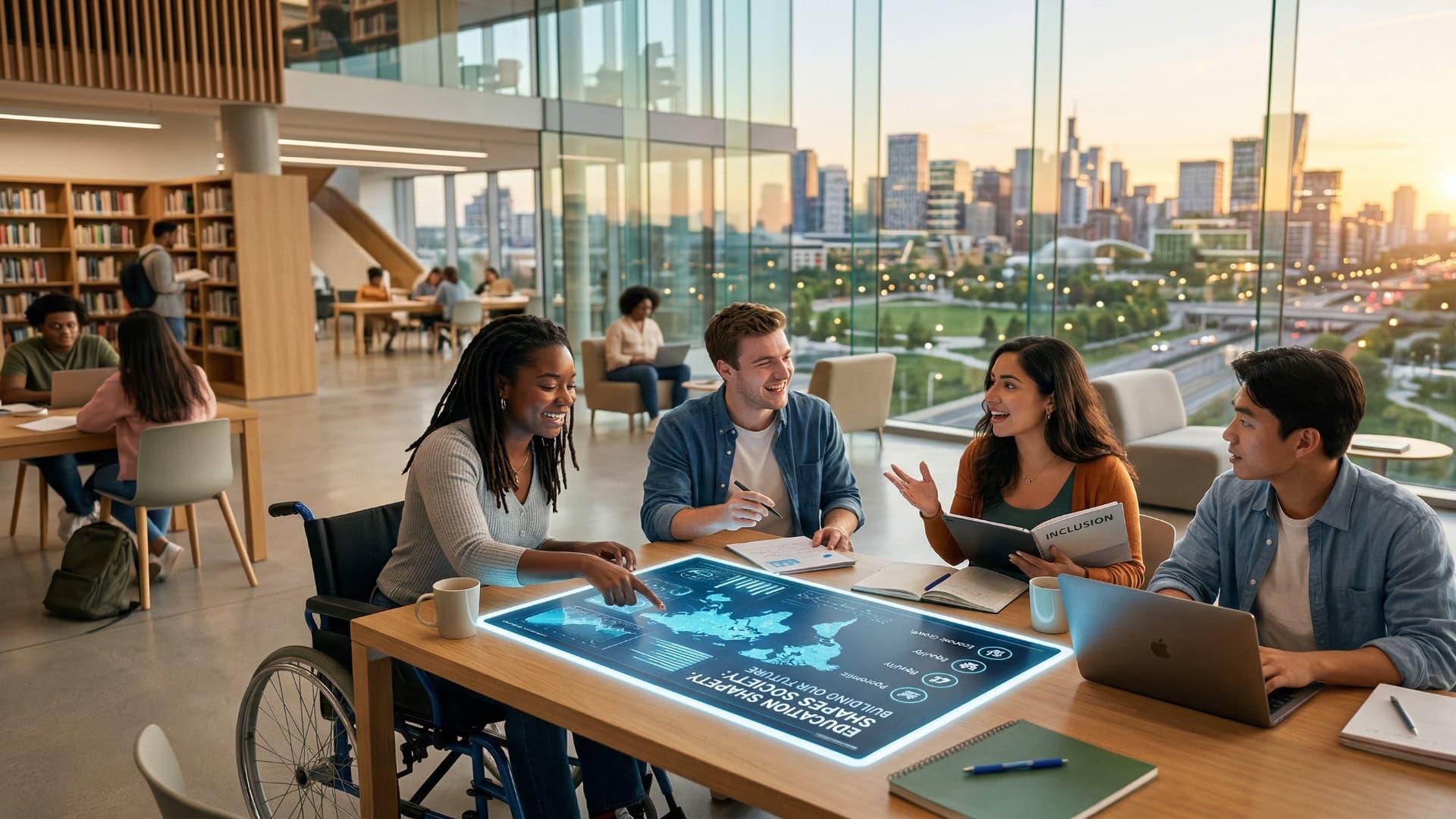
Education is often described as the great equalizer, the engine of progress, and the foundation of human development. But how exactly does the transfer of knowledge inside a classroom translate to the complex, sweeping changes we see in the world around us? The relationship between learning and societal growth is deeply intertwined. From driving economic prosperity to fostering empathy and civic duty, the way we educate our populations directly dictates the kind of world we will live in tomorrow.
In this comprehensive guide, we will explore the profound mechanisms through which education shapes society. Whether you are an educator, a student, a policymaker, or simply a curious mind, understanding this dynamic is crucial for advocating for a better, more inclusive future.
The Economic Engine: How Learning Drives Prosperity
The most immediate and measurable impact of education on society is its effect on the economy. A well-educated workforce is the backbone of any thriving nation. As we transition deeper into a globalized, knowledge-based economy, the demand for critical thinking, technical skills, and adaptability has never been higher.
Preparing the Workforce for the Future
Education systems are responsible for equipping individuals with the skills necessary to navigate the modern job market. This goes far beyond basic literacy and numeracy. Today’s educational institutions are tasked with fostering digital literacy, complex problem-solving, and emotional intelligence. When individuals are equipped with these tools, they become productive contributors to the economy. They innovate, they build, and they drive industries forward.
Reducing Poverty and Fostering Upward Mobility
Education is one of the most effective tools for breaking the generational cycle of poverty. By providing individuals with the knowledge and credentials needed to secure stable, well-paying employment, education empowers marginalized communities to elevate their socio-economic status. When families transition out of poverty, the entire community benefits from increased local spending, higher tax revenues, and a reduced reliance on social safety nets.
Global Competitiveness and Innovation
Nations that invest heavily in their educational infrastructure are consistently the ones leading the world in technological advancements, medical breakthroughs, and sustainable practices. Universities and research institutions serve as incubators for innovation. When a society values and funds higher education and research, it attracts global talent and secures its position as a leader on the world stage.
Social Cohesion: Building Empathy and Civic Engagement
Beyond economics, education plays a vital role in the social fabric of our communities. It is in the classroom that many individuals first encounter people from different backgrounds, cultures, and belief systems. This exposure is critical for building a cohesive, harmonious society.
Fostering Democratic Participation
A functioning democracy relies heavily on an informed electorate. Education provides individuals with the historical context, media literacy, and critical thinking skills required to evaluate political candidates, understand complex policies, and vote responsibly. Furthermore, schools often serve as microcosms of civic life, teaching students how to debate respectfully, advocate for their beliefs, and participate in community governance.
Cultivating Empathy and Understanding
When education curriculums intentionally include diverse historical perspectives, literature from various cultures, and inclusive narratives, they actively dismantle prejudice and xenophobia. Learning about the struggles, triumphs, and experiences of others builds a profound sense of empathy. A society rooted in empathy is naturally more equitable, less prone to systemic violence, and more resilient in the face of division.
Lowering Crime Rates through Opportunity
There is a well-documented inverse relationship between educational attainment and incarceration rates. By keeping youth engaged, providing them with a sense of purpose, and offering clear pathways to legitimate economic success, education significantly reduces the likelihood of individuals turning to crime out of desperation or lack of options. Communities with highly rated, well-funded schools consistently report safer neighborhoods.
Bridging the Gap: The Role of Equity and Inclusion
For education to truly benefit society as a whole, it must be accessible to everyone, regardless of their background, identity, or physical abilities. Inclusive education is not just a moral imperative; it is a societal necessity.
Redefining the Classroom for All Learners
Historically, educational systems were designed with a narrow “standard” student in mind, often leaving out those who were neurodivergent, lived with disabilities, or came from underrepresented backgrounds. Today, the push for inclusive education means creating environments where every individual feels valued and supported. This includes implementing universal design for learning (UDL), providing necessary accommodations, and ensuring that educational materials are accessible to everyone.
Empowering Women and Girls
One of the most transformative societal shifts occurs when women and girls are given equal access to education. Educated women are more likely to participate in the formal labor market, delay marriage, and have healthier, better-educated children. According to data from the United Nations Educational, Scientific and Cultural Organization (UNESCO), advancing girls’ education is one of the most powerful strategies for tackling global poverty and accelerating sustainable development.
Health, Well-being, and Quality of Life
The ripple effects of education extend deeply into public health and personal well-being. A society’s overall health outcomes are inextricably linked to its educational levels.
Enhancing Health Literacy
Individuals with higher levels of education generally possess better health literacy. This means they are more capable of understanding medical advice, navigating complex healthcare systems, reading nutritional labels, and making informed decisions about their physical well-being. They are more likely to engage in preventative care, get vaccinated, and avoid high-risk behaviors, leading to a generally healthier population.
Prioritizing Mental Health Awareness
Modern education is increasingly recognizing the importance of mental health. Schools and universities are integrating socio-emotional learning (SEL) into their daily practices. By teaching young people how to identify their emotions, manage stress, and seek help when needed, education helps build a society that destigmatizes mental illness and prioritizes holistic well-being.
Environmental Stewardship
Education is the frontline defense against environmental degradation and climate change. Through environmental science curriculums and sustainability initiatives, students learn about the delicate balance of our ecosystems. An educated society is more likely to support green policies, innovate renewable energy technologies, and adopt sustainable personal habits that protect the planet for future generations.
The Role of Technology in Modern Education
We cannot discuss how education shapes society without addressing the digital revolution. Technology has fundamentally altered how we access information, how we teach, and how we learn.
Closing the Digital Divide
As learning becomes increasingly digitized, access to high-speed internet and modern computing devices has become a basic educational right. Society is currently grappling with the “digital divide”—the gap between those who have access to this technology and those who do not. Bridging this divide is essential. When a society ensures that all its citizens have digital access, it democratizes information and levels the playing field for the future workforce.
Global Connectivity and Collaborative Learning
Technology allows students in a rural classroom to collaborate with peers across the globe. This unprecedented level of connectivity breaks down geographical and cultural barriers. It creates a generation of global citizens who understand that societal issues—like pandemics, economic crises, and climate change—are interconnected and require cooperative, borderless solutions.
The Rise of Lifelong Learning
Historically, education was viewed as a phase of life that ended in early adulthood. Today, the rapid pace of technological advancement means that skills become obsolete quickly. Education now shapes society by promoting the concept of lifelong learning. Online courses, micro-credentials, and adult education programs allow individuals to continuously upskill and adapt, creating a resilient and agile societal workforce.
Challenges and the Future of Education
While the power of education is undeniable, the systems that deliver it are far from perfect. If we want education to continue shaping society for the better, we must address several pressing challenges.
Addressing Funding Disparities
In many parts of the world, public school funding is tied to local property taxes, meaning wealthy neighborhoods have well-resourced schools while lower-income areas struggle with outdated materials and underpaid staff. This system inherently perpetuates inequality. Societies must move toward more equitable funding models at the state or national level to ensure that a child’s zip code does not determine their educational destiny.
Evolving the Curriculum
The world is changing faster than our curriculums are adapting. There is an urgent need to shift away from rote memorization and standardized testing toward project-based learning, critical thinking, and creativity. We must prepare students for jobs that do not yet exist, using technologies that haven’t been invented yet. This requires a flexible, forward-thinking approach to educational policy.
Supporting and Elevating Educators
No educational system can outgrow the quality of its teachers. Yet, in many societies, educators are overworked, underpaid, and undervalued. Shaping a better society requires elevating the teaching profession. This means providing competitive compensation, robust mental health support, and continuous professional development for those who are tasked with molding the next generation.
Conclusion
Education is not merely the transmission of facts; it is the active construction of society. It is the economic engine that drives prosperity, the social glue that binds diverse communities together in empathy, and the light that dispels the shadows of inequality and prejudice.
When we invest in education, we are not just paying for textbooks and classrooms; we are investing in lower crime rates, better public health, a stronger democracy, and a more innovative economy. By committing to inclusive, accessible, and forward-thinking educational practices, we can consciously shape a society that is fairer, wiser, and infinitely more capable of navigating the challenges of tomorrow.
The blueprint for a better world is drawn in our classrooms. It is our collective responsibility to ensure that this blueprint is accessible to all.
Frequently Asked Questions (FAQ)
1. Why is education considered the foundation of society?
Education is considered the foundation of society because it provides individuals with the essential skills, knowledge, and ethical frameworks needed to contribute meaningfully to their communities. It drives economic growth, fosters social harmony, and ensures that critical cultural and historical knowledge is passed down through generations.
2. How does education impact the economy?
Education impacts the economy by creating a skilled and adaptable workforce. Higher levels of education correlate directly with higher earning potential, reduced reliance on social welfare, increased tax revenues, and a greater capacity for technological and industrial innovation.
3. Can education really reduce crime rates?
Yes. Extensive research shows a strong inverse relationship between educational attainment and crime. Education provides individuals with viable economic opportunities, teaches conflict resolution skills, and fosters a sense of community belonging, all of which significantly reduce the likelihood of criminal behavior.
4. What does “inclusive education” mean?
Inclusive education refers to a system where all students, regardless of their physical abilities, neurodiversity, race, gender, or socio-economic background, have equal access to quality learning. It involves adapting teaching methods, removing physical and social barriers, and celebrating diversity within the classroom.
5. Why is lifelong learning important in modern society?
Due to the rapid advancement of technology and the shifting nature of the global economy, skills can quickly become outdated. Lifelong learning ensures that individuals remain adaptable, employable, and intellectually engaged throughout their entire lives, creating a more resilient society.
Leave a Reply