Category: Education

  • Master Your Mind: 10 Proven Study Techniques That Actually Work

    Master Your Mind: 10 Proven Study Techniques That Actually Work

    Whether you are a university student navigating complex lectures, a professional upgrading your certifications, or a lifelong learner picking up a new language, the process of acquiring new information can often feel overwhelming. Many of us were taught what to learn, but very few of us were actually taught how to learn.

    If you have ever spent hours rereading a textbook only to blank out during the exam, you are not alone. The frustration is real, but it is not a reflection of your intelligence. Often, the issue lies entirely in the approach. Traditional studying methods rely heavily on passive learning, which provides a false sense of security. It is time to replace outdated habits with evidence-based strategies.

    This comprehensive guide breaks down 10 proven study techniques backed by cognitive psychology. We will explore how to study smarter, retain information longer, and create an inclusive, accessible learning routine that works for your unique brain.


    The Trap of Passive Learning

    Before diving into what works, we must address what does not. Passive learning techniques are incredibly popular because they feel easy and productive. However, numerous studies, including those published by the American Psychological Association (APA), consistently show that these methods yield the lowest long-term retention rates.

    Common Passive Learning Mistakes:

    • Rereading textbooks or notes multiple times without pausing to reflect.
    • Highlighting or underlining entire paragraphs in neon colors.
    • Listening to a lecture without taking active, synthesized notes.
    • Reviewing summarized study guides created by someone else.

    These activities create “fluency illusions.” Because the material looks familiar when you read it the third time, your brain tricks you into thinking you have mastered it. Real learning requires cognitive friction. It should feel slightly difficult. If your studying feels entirely effortless, you are likely not committing the information to long-term memory.


    1. Active Recall

    Active recall is arguably the most powerful study technique in existence. Instead of putting information into your brain (like reading), active recall forces you to pull information out of your brain.

    Why It Works

    When you actively retrieve an answer from your memory, you strengthen the neural pathways associated with that information. Research shows that the very act of trying to remember something makes you more likely to remember it in the future.

    How to Implement Active Recall

    • Close your book after reading a chapter and write down everything you remember on a blank piece of paper.
    • Convert your notes into a list of questions rather than a list of facts.
    • Teach the material to a friend or simply speak it out loud to an empty room.

    Common Mistake

    Giving up too quickly when you cannot remember the answer. The struggle of trying to remember is precisely what builds the memory. Give yourself a moment to think before checking your notes.


    2. Spaced Repetition

    Cramming the night before a test might help you pass the next morning, but you will forget nearly all of it within a week. Spaced repetition solves this problem by flattening the “Forgetting Curve”—a psychological concept discovered by Hermann Ebbinghaus, which shows how information is lost over time when there is no attempt to retain it.

    Why It Works

    Spaced repetition involves reviewing material at systematically increasing intervals. You review the information just as your brain is about to forget it. This sends a signal to your brain that the information is important and needs to be stored in long-term memory.

    How to Implement Spaced Repetition

    • Review new material within 24 hours of first learning it.
    • Review it again after three days, then a week, then a month.
    • Use spaced repetition software (SRS) like Anki or Quizlet, which use algorithms to calculate the exact optimal time you should review a specific concept.

    Common Mistake

    Reviewing material you already know perfectly just to feel productive. Spaced repetition relies on focusing your energy on the concepts you struggle with the most.


    3. The Feynman Technique

    Named after the Nobel Prize-winning physicist Richard Feynman, this technique is a mental model for understanding complex concepts. Feynman was famous for his ability to explain dense quantum mechanics in plain, accessible language.

    Why It Works

    Jargon and complex vocabulary often mask a lack of true understanding. If you cannot explain a concept simply, you do not understand it well enough. This technique quickly highlights your knowledge gaps.

    How to Implement The Feynman Technique

    • Write the name of the concept at the top of a blank piece of paper.
    • Write an explanation of the concept as if you were teaching it to a sixth-grader.
    • Identify the areas where you get stuck or resort to using complex jargon.
    • Go back to your source material, re-learn the weak areas, and simplify your explanation further.

    Common Mistake

    Using analogies that are too complicated. Keep your language as simple and accessible as possible. If an eleven-year-old would not understand your explanation, simplify it again.


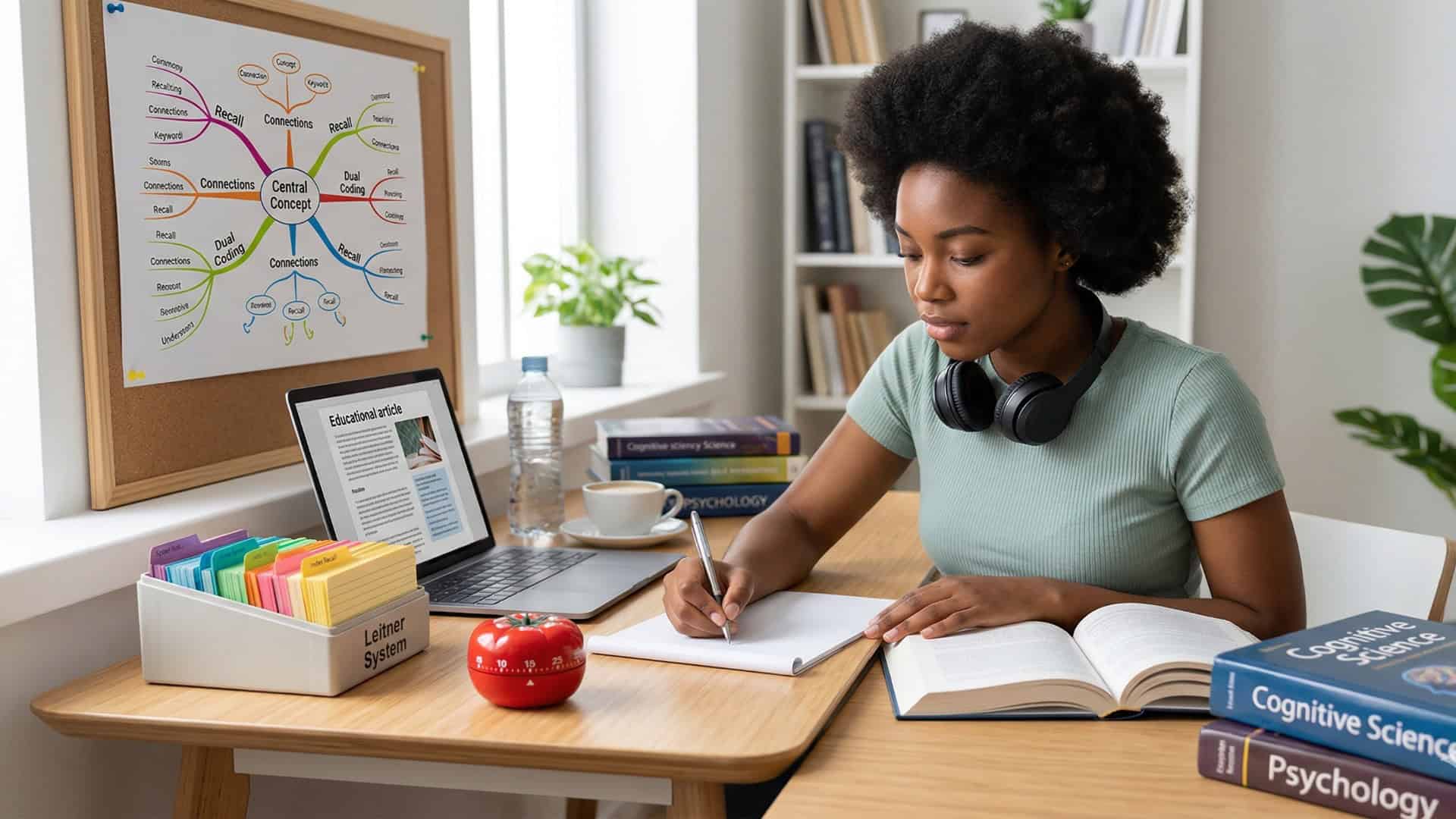
    4. The Pomodoro Technique

    Attention is a finite resource. Expecting yourself to maintain high-level focus for four hours straight is a recipe for burnout. The Pomodoro Technique, developed by Francesco Cirillo in the late 1980s, uses timeboxing to maintain peak cognitive performance.

    Why It Works

    This method breaks work into manageable intervals (usually 25 minutes), followed by short breaks. Frequent breaks keep your mind fresh, prevent cognitive fatigue, and make the psychological barrier of starting a study session much lower.

    How to Implement The Pomodoro Technique

    • Choose a single task to focus on.
    • Set a timer for 25 minutes and work exclusively on that task without distractions.
    • When the timer goes off, take a strict 5-minute break. Stretch, hydrate, or step away from your desk.
    • After completing four cycles (Pomodoros), take a longer 15 to 30-minute break.

    Common Mistake

    Using your 5-minute break to scroll through social media. Screen time does not allow your brain to rest. Instead, look out a window, do a brief physical stretch, or grab a glass of water.


    5. Interleaving Practice

    When studying math, most learners will practice ten addition problems, followed by ten subtraction problems, followed by ten multiplication problems. This is called “blocking.” Interleaving is the exact opposite: mixing different topics or types of problems together in a single study session.

    Why It Works

    Blocking allows you to turn your brain onto autopilot because you know the strategy required for the next question. Interleaving forces your brain to constantly evaluate the problem and choose the correct strategy, which closely mimics the conditions of a real exam.

    How to Implement Interleaving Practice

    • Create practice tests that draw questions from multiple different chapters or subjects.
    • Switch between related topics during a single study block (e.g., studying Spanish vocabulary for 20 minutes, followed by Spanish grammar for 20 minutes).
    • Avoid spending an entire day studying only one subject.

    Common Mistake

    Switching topics too rapidly. Give yourself enough time to deeply engage with one concept before moving on to the next.


    6. Dual Coding

    The idea of rigid “learning styles” (the belief that you are strictly a visual, auditory, or kinesthetic learner) has been largely debunked by modern neuroscience. Instead, researchers advocate for dual coding: combining verbal materials with visual materials.

    Why It Works

    When you represent information in two different ways—visually and textually—you create two distinct neural pathways to that information in your brain. This makes it much easier to retrieve the memory later.

    How to Implement Dual Coding

    • Draw diagrams, charts, or timelines to accompany your written notes.
    • Find infographics or educational videos that explain the text you are reading.
    • When looking at a diagram in a textbook, practice writing out an explanation of what the graphic represents in your own words.

    Common Mistake

    Focusing on making the visuals look “pretty” rather than accurate. Your diagrams do not need to be artistic masterpieces; they just need to represent the core relationships of the data.


    7. The SQ3R Method

    Reading heavy, academic textbooks can feel like a chore, and it is easy to read ten pages only to realize you absorbed nothing. The SQ3R method is a structured reading strategy designed to maximize reading comprehension.

    Why It Works

    It transforms passive reading into an active, goal-oriented process. By establishing a purpose for reading before you even start, your brain becomes primed to look for specific answers.

    How to Implement The SQ3R Method

    • Survey: Skim the chapter. Look at headings, bold words, charts, and the summary.
    • Question: Turn all the headings and subheadings into questions.
    • Read: Read the text actively, specifically searching for the answers to the questions you just generated.
    • Recite: After each section, look away from the book and summarize the answer to your question out loud.
    • Review: Once you finish the chapter, review all your questions and ensure you can still answer them from memory.

    Common Mistake

    Skipping the “Question” and “Recite” steps. These two steps are the active components that actually cement the knowledge.


    8. Mind Mapping

    For big-picture thinkers who need to see how individual facts connect to a larger framework, mind mapping is an invaluable tool. Popularized by author Tony Buzan, it is a highly visual way to organize information.

    Why It Works

    Traditional outlining is linear and rigid. Mind mapping mimics the way our brains actually work: by radiating ideas outward from a central concept and forming associations.

    How to Implement Mind Mapping

    • Write the main topic in the center of a blank page.
    • Draw branches outward for the primary subtopics.
    • Create smaller, secondary branches for the specific facts, dates, or details associated with those subtopics.
    • Use different colors or simple icons to group related ideas across different branches.

    Common Mistake

    Using too many words. A mind map should rely on keywords and short phrases, not full sentences.


    9. The Leitner System

    The Leitner System is a highly efficient, physical application of spaced repetition using flashcards and multiple boxes. It is an excellent alternative for learners who prefer tactile studying over using digital apps.

    Why It Works

    It prioritizes your weaknesses. Instead of studying all your flashcards equally, the system ensures you study the cards you do not know frequently, and the cards you do know less often.

    How to Implement The Leitner System

    • Create three to five boxes (or designated piles). Put all your new flashcards in Box 1.
    • When you review a card in Box 1 and get it right, move it to Box 2. If you get it wrong, it stays in Box 1.
    • When you review Box 2, any correct cards move to Box 3. Any incorrect cards go all the way back to Box 1.
    • Set a schedule: Review Box 1 every day, Box 2 every three days, and Box 3 once a week.

    Common Mistake

    Cheating yourself. If you hesitate for too long or only get the answer partially right, the card must go back to Box 1. Strict honesty is required for this to work.


    10. Pre-testing and Practice Testing

    You do not need to wait until you have mastered a subject to test yourself. In fact, testing yourself before you study (pre-testing) and continuously taking mock exams (practice testing) are phenomenal ways to accelerate learning.

    Why It Works

    Pre-testing highlights your knowledge gaps immediately, which makes your brain highly receptive to the correct answers when you finally encounter them in your reading. Practice testing reduces test anxiety by familiarizing you with the format and pressure of the actual exam.

    How to Implement Practice Testing

    • Take the practice quiz at the end of a textbook chapter before you actually read the chapter.
    • Search for past exams or practice papers online.
    • Simulate real exam conditions: use a timer, put your phone in another room, and clear your desk.

    Common Mistake

    Looking at the answer key as soon as you get stuck on a practice test. Force yourself to complete the entire test before reviewing your mistakes.


    Building a Holistic and Inclusive Study Environment

    Techniques and strategies are only one piece of the puzzle. Cognitive function is deeply tied to your physical and mental well-being. Furthermore, learning should be accessible and adaptable. What works for a neurotypical brain may require adjustments for an individual with ADHD, dyslexia, or chronic fatigue.

    Optimize Your Biological Hardware

    No study technique in the world can overcome severe sleep deprivation. During sleep—specifically REM and deep sleep stages—your brain consolidates the information you learned that day, moving it from short-term to long-term memory. Pulling an all-nighter effectively destroys the neurological work you just put in. Aim for 7 to 9 hours of quality sleep, stay hydrated to prevent brain fog, and fuel your body with nutrient-dense foods rather than relying entirely on caffeine and sugar crashes.

    Design an Accessible Routine

    Flexibility is key. If sitting at a desk for hours causes physical pain or severe restlessness, adapt. Consider using a standing desk, walking on a treadmill while listening to an audio lecture, or using text-to-speech software if visual reading causes strain. Embrace assistive technologies. Apps that block digital distractions, screen readers, and speech-to-text dictation tools are not shortcuts; they are valid instruments for making education accessible to everyone. Allow yourself the grace to adjust these techniques until they fit your specific cognitive and physical needs.


    Quick Reference Summary

    Technique Best Used For Core Concept
    Active Recall Memorization Testing yourself to retrieve information from memory.
    Spaced Repetition Long-term retention Reviewing material at increasing intervals over time.
    Feynman Technique Complex concepts Explaining topics in simple, jargon-free language.
    Pomodoro Technique Focus & Burnout prevention Working in 25-minute intervals with 5-minute breaks.
    Interleaving Problem-solving skills Mixing different subjects or problem types together.
    Dual Coding Deep comprehension Combining visual graphics with written text.
    SQ3R Textbook reading Survey, Question, Read, Recite, Review.
    Mind Mapping Brainstorming & Outlining Visually connecting related ideas and subtopics.
    Leitner System Flashcard mastery Prioritizing difficult flashcards over easy ones.
    Practice Testing Exam preparation Taking mock exams under realistic conditions.

    Frequently Asked Questions (FAQ)

    Is cramming ever effective?

    Cramming can sometimes help you pass a test the very next day by keeping information in your short-term working memory. However, it is highly ineffective for long-term retention. You will likely forget the vast majority of the information within a few days. Furthermore, cramming elevates cortisol levels (stress), which can actually inhibit memory retrieval during the exam. For true mastery, spaced repetition is always superior.

    Should I listen to music while studying?

    This depends entirely on the individual and the type of task. Research suggests that listening to music with lyrics can interfere with tasks that require reading or writing, as your brain tries to process two streams of language simultaneously. However, instrumental music, lo-fi beats, or ambient noise can block out distracting background sounds and help many learners maintain focus. Experiment to see what helps you concentrate without becoming a distraction itself.

    What is the best time of day to study?

    There is no universal “best” time. It relies on your personal circadian rhythm. Some people are “morning larks” who experience peak cognitive alertness early in the day, making it the best time for deep work and heavy reading. Others are “night owls” who find their peak focus in the late evening. Track your energy levels for a week to identify your personal peak hours and schedule your most difficult study sessions during those windows.

    How do I stay motivated when the material is boring?

    Relying on motivation is a trap; motivation is an emotion, and emotions are fleeting. Instead, rely on discipline and systems. Break the boring material down into extremely small, manageable chunks using the Pomodoro Technique. Connect the material to a larger, meaningful goal (e.g., “I need to pass this required accounting class so I can ultimately start my own business”). Reward yourself after completing a difficult study block.

    Do “Learning Styles” really exist?

    The popular concept of strict learning styles (the idea that you are exclusively a visual learner and cannot learn well through text) is largely a neuromyth unsupported by rigorous scientific data. While individuals certainly have preferences, research indicates that everyone benefits from encountering information in multiple formats. Utilizing techniques like Dual Coding (combining words and pictures) is significantly more effective than artificially restricting yourself to one “style” of learning.

    (For more extensive research on the science of learning, you can explore resources provided by institutions like Edutopia or cognitive psychology journals.)
  • The Transformative Impact of Technology on Education: A Comprehensive Guide to the Future of Learning

    The Transformative Impact of Technology on Education: A Comprehensive Guide to the Future of Learning

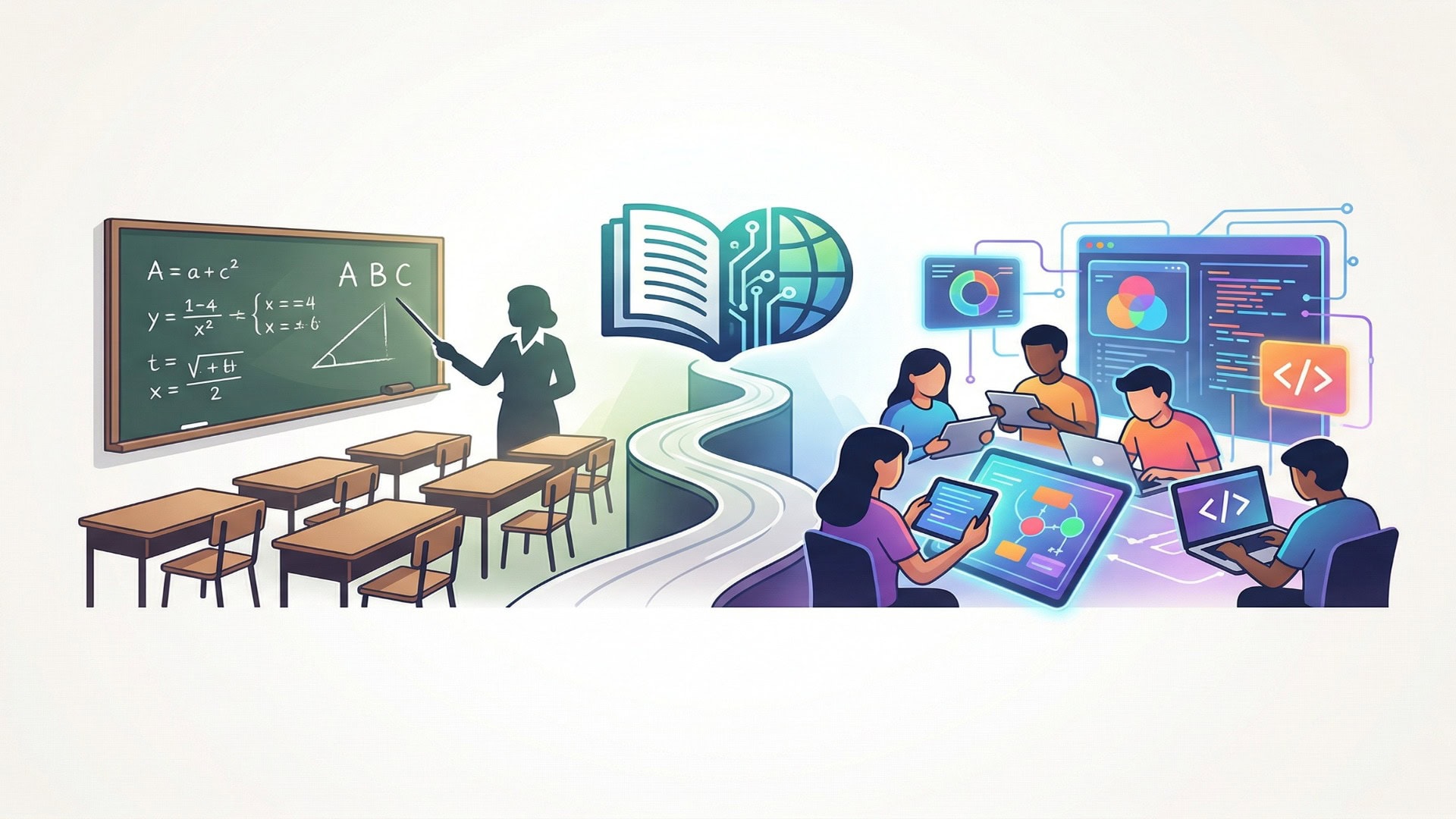
    The classroom of today looks remarkably different from the classroom of just two decades ago. The chalkboard has been replaced by interactive smartboards, heavy textbooks have given way to lightweight tablets, and the traditional lecture format is increasingly making room for personalized, digital-first learning experiences. The impact of technology on education is profound, far-reaching, and continually evolving. It is reshaping how educators teach, how learners acquire knowledge, and how institutions operate on a global scale.

    However, integrating technology into education is not simply about placing a screen in front of a student. It is about fundamentally rethinking pedagogy to foster engagement, accessibility, and critical thinking. As we navigate this digital renaissance, it is crucial to examine both the incredible opportunities and the persistent challenges that educational technology (EdTech) brings to the table.

    This comprehensive guide explores the evolution of digital classrooms, the tangible benefits of EdTech, the challenges we must overcome to ensure equitable access, and what the future holds for learners worldwide.


    The Evolution of the Modern Classroom

    To understand the current impact of technology on education, it is helpful to look back at how we arrived here. The integration of technology in learning spaces has occurred in distinct phases, moving from basic administrative tools to deeply immersive learning environments.

    1. The Analog Era and Early Digitization

    In the late 20th century, classroom technology was largely limited to overhead projectors, VHS tapes, and the occasional desktop computer reserved for typing class or playing early educational games like The Oregon Trail. Technology was an “event” rather than an integrated part of the daily curriculum.

    2. The Information Age and Internet Access

    With the proliferation of the internet in the late 1990s and early 2000s, the world’s information became accessible from a single terminal. Research shifted from physical encyclopedias to search engines. Schools began building computer labs, but access was still tethered to specific rooms and times.

    3. The 1:1 Device Movement and Cloud Computing

    The true paradigm shift occurred when schools began adopting 1:1 device programs—providing every student with a laptop, Chromebook, or tablet. Coupled with cloud-based platforms like Google Workspace for Education and Microsoft Teams, learning was no longer confined to the four walls of a classroom. Students could collaborate on documents in real-time, submit assignments digitally, and communicate with educators outside of school hours.

    4. The Era of Intelligent and Immersive Learning

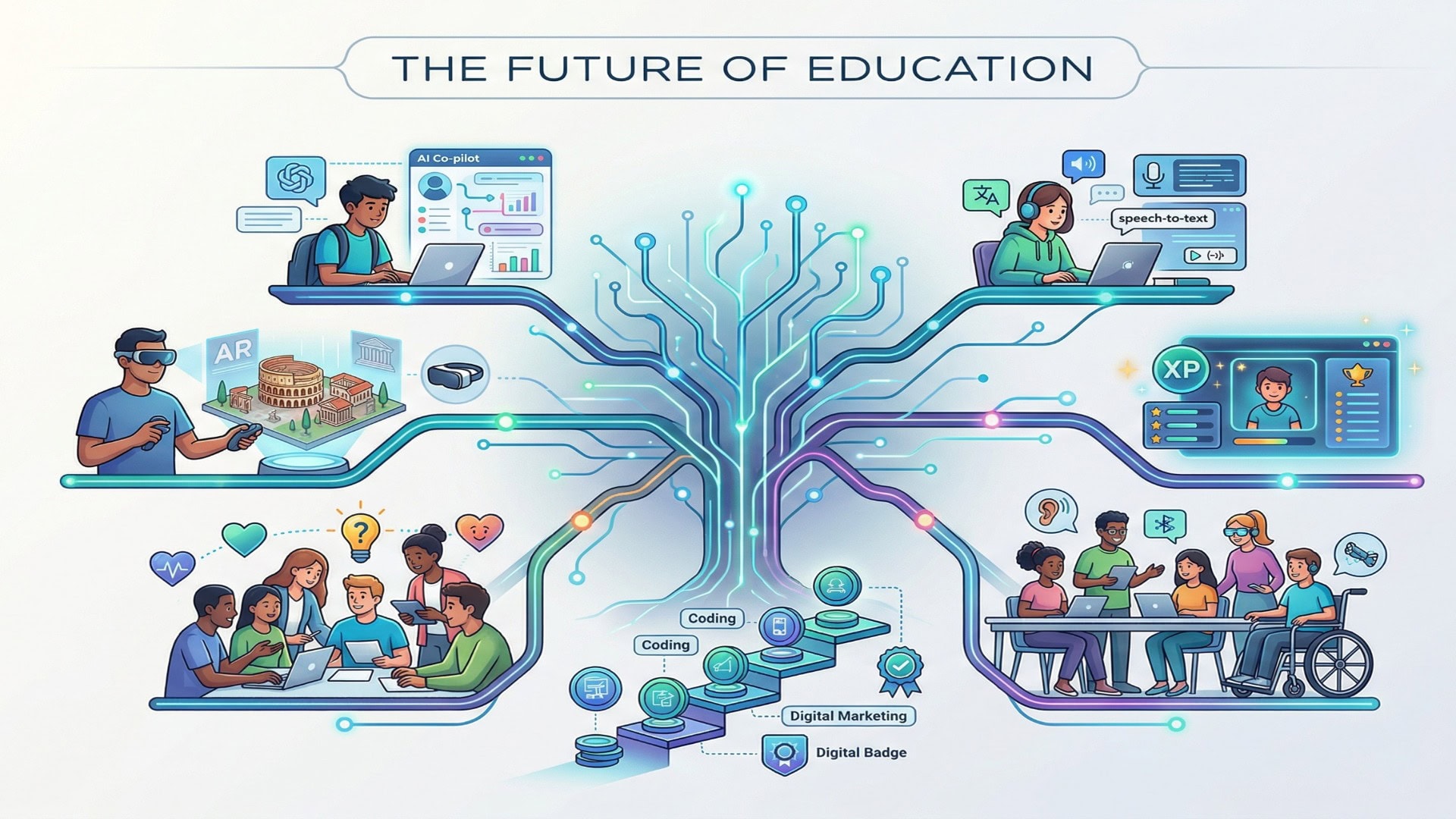
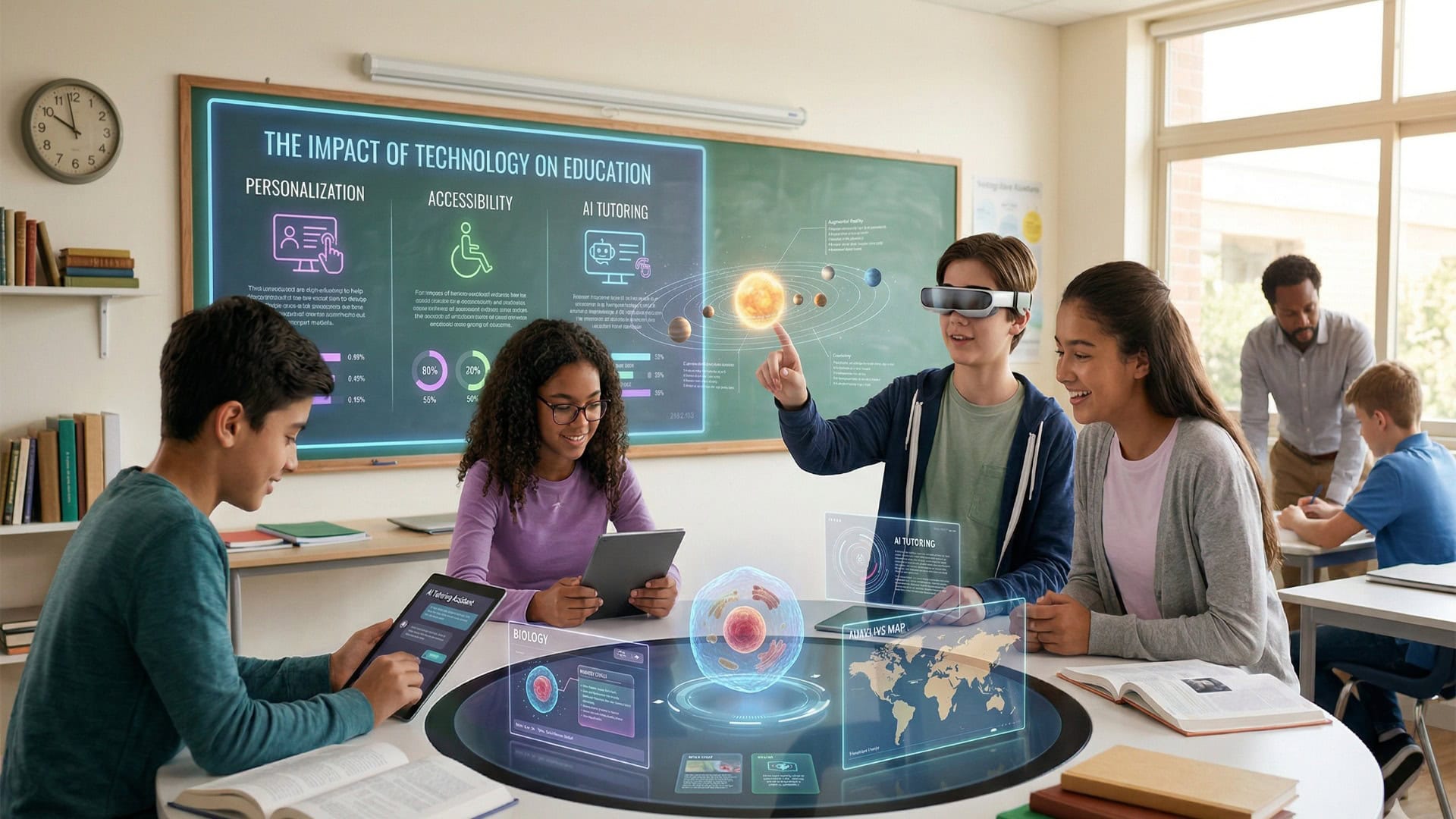
    Today, we are entering an era defined by Artificial Intelligence (AI), Virtual Reality (VR), Augmented Reality (AR), and adaptive learning algorithms. Technology is no longer just a delivery mechanism for information; it is an active participant in the learning process, capable of analyzing student performance and tailoring content to individual needs.


    Key Benefits of Technology in Education

    The widespread adoption of educational technology has unlocked a multitude of benefits for students, educators, and administrators alike. When implemented thoughtfully, technology empowers users and creates more inclusive, effective learning environments.

    1. Personalized and Differentiated Learning

    Historically, education has operated on a “one-size-fits-all” model. A teacher delivered a lesson at a set pace, and students were expected to keep up. Technology has shattered this model by enabling personalized learning.

    • Adaptive Learning Software: Platforms can assess a student’s current understanding of a topic in real-time. If a learner struggles with a specific math concept, the software automatically provides additional practice and alternative explanations until mastery is achieved. Conversely, students who grasp the material quickly are challenged with advanced concepts, preventing boredom.
    • Self-Paced Exploration: Digital platforms allow students to learn at their own speed. They can pause, rewind, and re-watch recorded lectures or interactive modules, ensuring they fully comprehend the material before moving forward.

    2. Enhanced Accessibility and Inclusive Education

    One of the most significant impacts of technology on education is its ability to break down barriers for learners with disabilities and those from diverse linguistic backgrounds. EdTech provides vital accommodations that foster true inclusivity.

    • Assistive Technologies: Tools such as text-to-speech (TTS), speech-to-text transcription, and screen readers empower students with visual impairments, dyslexia, or physical disabilities to access curriculum independently.
    • Translation and Captioning: For students learning in a non-native language, real-time translation tools and closed captioning on educational videos provide crucial support, ensuring that language barriers do not impede academic achievement.
    • Diverse Representation: Digital resources allow educators to easily curate content that reflects diverse cultures, perspectives, and histories, moving beyond the limitations of outdated, standardized textbooks.

    3. Fostering Collaboration and Communication

    Technology has redefined what it means to work on a group project. It breaks down geographical barriers and encourages collaboration both within the classroom and across the globe.

    • Real-Time Collaboration Tools: Applications like collaborative word processors and digital whiteboards allow students to brainstorm, edit, and create together simultaneously, even when they are not in the same room.
    • Global Connectivity: Classrooms can now connect via video conferencing with experts, authors, or peer classrooms halfway across the world. This global exchange of ideas fosters cultural competency and broadens students’ worldviews.

    4. Engaging Multimedia and Interactive Content

    Attention spans are evolving, and modern students process information differently than previous generations. Technology caters to various learning styles by providing rich, multimedia experiences.

    • Gamification: Incorporating game design elements—such as points, badges, and leaderboards—into learning activities increases motivation and engagement. Learning becomes an interactive quest rather than a passive chore.
    • Virtual and Augmented Reality: Complex subjects become tangible through immersive tech. Students can virtually dissect a frog, walk through ancient Rome, or explore the human circulatory system from the inside. This experiential learning deeply cements knowledge.

    5. Data-Driven Insights for Educators

    For educators, technology acts as a powerful diagnostic tool. Learning Management Systems (LMS) and educational software generate vast amounts of data on student performance.

    • Early Intervention: Teachers can identify which students are falling behind and exactly where they are struggling before a major exam. This allows for timely, targeted interventions.
    • Curriculum Refinement: By analyzing aggregate data, schools can determine which lesson plans are highly effective and which need to be revised.

    The Role of Artificial Intelligence in the Classroom

    Artificial Intelligence is arguably the most disruptive force in education today. It is important to ground our understanding of AI in reality: AI is not here to replace human educators. Instead, it serves as an incredibly capable assistant, freeing up teachers to do what they do best—mentor, inspire, and connect with students on a human level.

    Intelligent Tutoring Systems

    AI-powered chatbots and tutoring systems are available 24/7 to answer student queries, explain complex concepts, and guide learners through homework problems. These systems use natural language processing to understand the student’s intent and provide conversational, step-by-step assistance.

    Automating Administrative Tasks

    Educators spend a significant portion of their week on administrative duties. AI tools can automate grading for multiple-choice and short-answer tests, organize digital files, and even help draft email communications to parents. This reduction in administrative burden helps combat teacher burnout.

    Lesson Planning and Content Generation

    Generative AI tools can assist teachers in brainstorming lesson plans, creating custom reading passages tailored to specific reading levels, and generating quiz questions. This allows educators to quickly assemble highly customized resources for their classrooms.


    Navigating the Challenges: The Reality of EdTech Integration

    While the benefits are immense, the integration of technology in education is not without significant hurdles. To build an equitable future, we must candidly address these challenges.

    1. The Digital Divide and Educational Equity

    The most pressing issue regarding technology in education is the digital divide. Not all students have reliable access to high-speed internet or modern devices outside of school.

    • The Homework Gap: When assignments require internet access, students from low-income households or rural areas are disproportionately disadvantaged. Schools and policymakers must work together to provide mobile hotspots, subsidized internet programs, and community Wi-Fi initiatives to ensure equitable access to learning resources. For more on digital equity, explore research by the Pew Research Center.

    2. Screen Time and Digital Well-being

    Replacing physical books and active play with prolonged screen time raises valid concerns regarding student physical and mental health.

    • Cognitive Overload: Constant notifications and digital multi-tasking can fragment attention spans and increase stress.
    • Mindful Integration: Educators must balance digital tasks with “unplugged” activities. Technology should be used when it adds pedagogical value, not simply for the sake of using a screen.

    3. Data Privacy and Security

    As schools rely more on digital platforms, they collect massive amounts of sensitive student data—from grades and attendance to behavioral records.

    • Protecting Student Information: Institutions must rigorously vet the privacy policies of the EdTech vendors they use, ensuring compliance with laws like the Family Educational Rights and Privacy Act (FERPA) in the US, or the General Data Protection Regulation (GDPR) in Europe. Safeguarding students against data breaches and unauthorized tracking is paramount.

    4. The Need for Comprehensive Teacher Training

    You can place the most advanced technology in a classroom, but if the educator does not know how to effectively integrate it into their pedagogy, it becomes an expensive paperweight.

    • Professional Development: Schools must invest heavily in ongoing professional development. Teachers need time to explore new tools, collaborate on best practices, and learn how to shift from being the “sage on the stage” to the “guide on the side.”

    The Future of Learning: What Comes Next?

    As we look toward the future, the relationship between technology and education will only deepen. Here are the trends shaping the next decade of learning.

    The Rise of Blended and Hybrid Learning

    The COVID-19 pandemic forced a global experiment in remote education. While purely remote learning has its drawbacks, the future is undeniably blended. Hybrid models—where students combine face-to-face classroom instruction with self-paced digital learning—offer flexibility and cater to a wider variety of learning preferences.

    Micro-credentials and Lifelong Learning

    The rapid pace of technological advancement means that skills become obsolete faster than ever before. Education is shifting from a one-time event (e.g., a four-year degree) to a continuous journey of lifelong learning. We will see a rise in digital micro-credentials, boot camps, and modular courses that allow adult learners to upskill and reskill throughout their careers.

    Deep Immersive Experiences

    As hardware becomes more affordable, VR and AR will become standard classroom tools. Imagine architectural students building and walking through 3D models of their designs, or history students virtually participating in the signing of the Declaration of Independence. The transition from 2D screens to 3D immersive environments will revolutionize experiential learning.


    Conclusion

    The impact of technology on education is a complex, multifaceted phenomenon. It has the power to democratize access to information, personalize the learning journey, and prepare students for a rapidly digitizing workforce. However, technology is simply a tool; its effectiveness depends entirely on how it is utilized.

    To harness the full potential of EdTech, we must prioritize digital equity, protect student privacy, and empower educators with the training they need. By balancing the incredible capabilities of digital tools with the irreplaceable value of human mentorship, we can create an inclusive, engaging, and highly effective educational ecosystem for generations to come.


    Frequently Asked Questions (FAQ)

    1. What is educational technology (EdTech)?

    Educational technology, or EdTech, refers to the hardware, software, and digital platforms designed to enhance teacher-led instruction and improve student learning outcomes. This includes everything from interactive whiteboards and tablets to learning management systems, adaptive software, and AI-powered tutoring tools.

    2. How does technology improve student engagement?

    Technology improves engagement by catering to different learning styles and moving away from passive lecturing. Tools like gamified learning apps, interactive multimedia, video content, and virtual reality make lessons more dynamic, visually stimulating, and hands-on, which helps capture and retain student attention.

    3. What is the “digital divide” in education?

    The digital divide refers to the gap between students who have robust access to the internet and modern digital devices, and those who do not. This disparity creates unequal educational opportunities, as students without home internet access (often referred to as the “homework gap”) struggle to complete assignments, conduct research, or participate in remote learning.

    4. Will AI replace teachers in the future?

    No, AI is highly unlikely to replace teachers. Education is fundamentally a human endeavor that requires empathy, emotional intelligence, moral guidance, and complex behavioral management—traits AI does not possess. AI will, however, automate administrative tasks and provide intelligent tutoring support, allowing teachers to spend more time directly interacting with and mentoring their students.

    5. How can parents help manage screen time for educational purposes?

    Parents can help by distinguishing between active screen time (creating digital art, coding, writing, or interactive learning) and passive screen time (mindlessly scrolling or watching videos). Setting boundaries, encouraging screen-free breaks, and engaging in conversations about what children are learning online can help maintain a healthy digital balance.

    6. Is technology in the classroom safe for student privacy?

    It can be, provided that schools and districts rigorously vet the applications they use. Educational institutions must ensure that the software complies with regional data protection laws (like FERPA or GDPR), uses secure encryption, and explicitly prohibits the selling of student data to third-party advertisers.


    For further reading on best practices for technology integration in the classroom, visit trusted resources for educators such as Edutopia and the International Society for Technology in Education (ISTE).

  • A Comprehensive Comparison of Education Systems Around the World

    A Comprehensive Comparison of Education Systems Around the World

    Education is the cornerstone of societal progress. It shapes the minds of future generations, drives economic innovation, and fosters cultural empathy. However, there is no universal blueprint for how learning should happen. When we look at education systems around the world compared, we see a fascinating tapestry of philosophies, methodologies, and cultural priorities.

    Some nations prioritize rigorous standardized testing to drive academic excellence, while others emphasize play-based learning, emotional well-being, and vocational pathways. As our world becomes increasingly interconnected, understanding how diverse cultures approach schooling can help educators, policymakers, and parents advocate for more inclusive, effective, and holistic learning environments for students of all backgrounds.

    In this comprehensive guide, we will explore the varied educational landscapes across the globe, examining the unique strengths, challenges, and core philosophies of several prominent systems.


    The Core Philosophies of Global Education

    Before diving into specific countries, it is helpful to understand the broad philosophical spectrums that define global education. Most systems lean toward one side of the following concepts:

    • Standardization vs. Individualization: Does the system require all students to meet the exact same benchmarks at the exact same time (standardization), or does it adapt to the unique pace and interests of each learner (individualization)?
    • Academic Rigor vs. Holistic Development: Is the primary goal to achieve high scores in core subjects like math, science, and literacy, or is the focus equally distributed among emotional intelligence, physical health, the arts, and social skills?
    • Centralized vs. Decentralized Control: Are curriculum and funding decisions made at the national level by a single governing body, or are they left to local states, provinces, or municipalities?

    Understanding these spectrums helps us critically analyze why certain countries succeed in specific areas—such as high test scores—while perhaps struggling in others, like student mental health or educational equity.


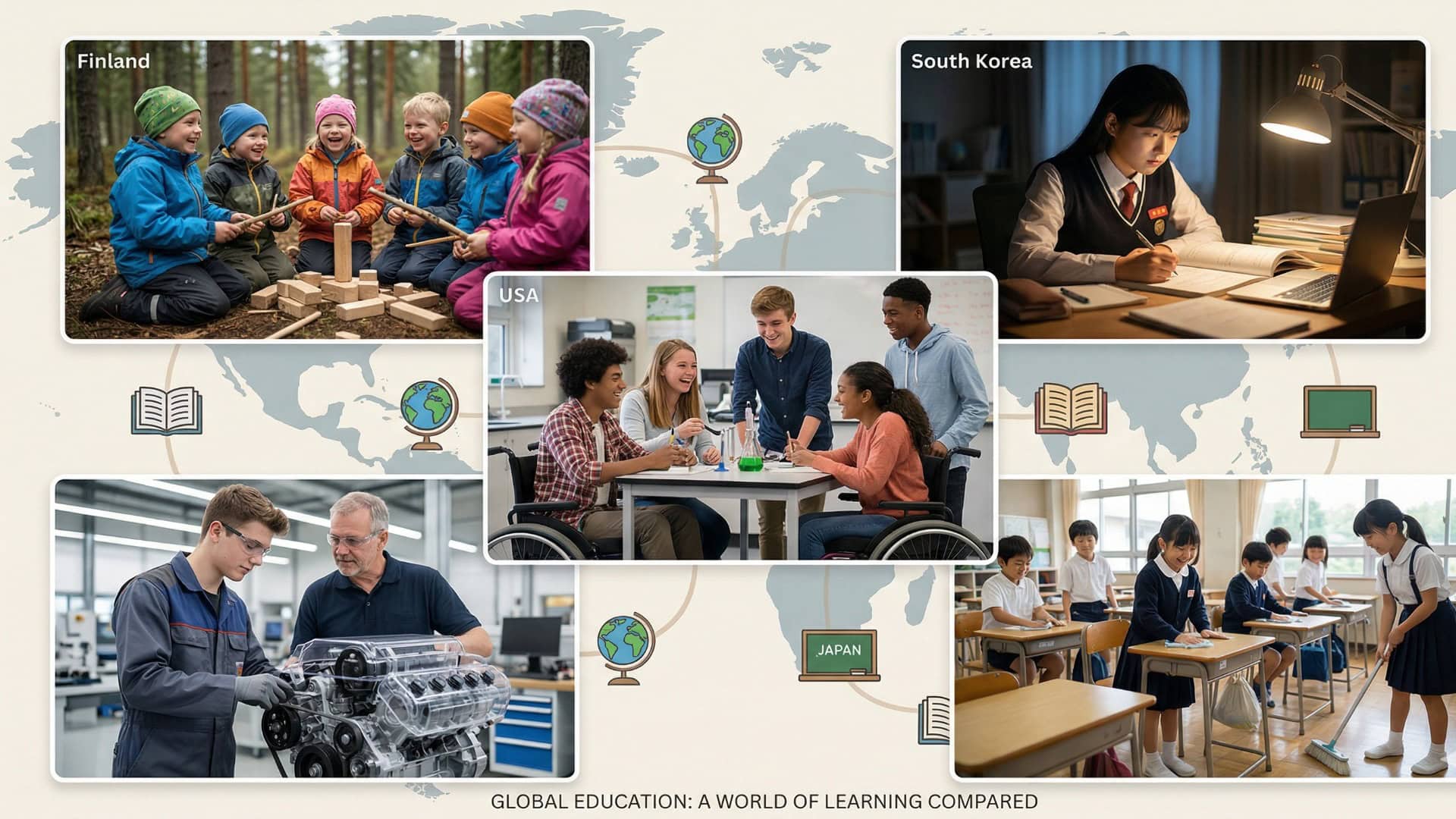
    Finland: The Champion of Equity and Play-Based Learning

    When education experts discuss the best systems globally, Finland is almost always at the top of the list. The Finnish approach is radically different from many Western and Asian models, focusing heavily on equity, well-being, and trust rather than competition and testing.

    Early Childhood and Play

    In Finland, formal academic schooling does not begin until a child is seven years old. Before that, early childhood education is heavily subsidized and focuses entirely on play, socialization, and emotional development. The belief is that children must first learn how to be children—how to interact with others and explore their environment—before they are subjected to sitting at desks and learning arithmetic.

    Equity Over Excellence

    The Finnish system prioritizes equity. There are no private schools allowed to charge tuition fees, meaning children from affluent families and children from low-income families attend the exact same schools, share the same classrooms, and eat the same free, universally provided school meals. This creates a deeply inclusive environment where resources are distributed evenly.

    Teacher Autonomy and Respect

    Teachers in Finland are highly respected. Teaching is a prestigious, highly competitive profession, requiring a master’s degree funded by the government. Because teachers are so well-trained, the government trusts them to design their own lesson plans and assessments. There is no mandated standardized testing until the very end of high school.

    Read more about the Finnish educational model from the World Economic Forum.


    South Korea: The High-Pressure Powerhouse

    In stark contrast to Finland, South Korea represents a system driven by intense academic rigor, high stakes, and a deep cultural reverence for education as the primary vehicle for social mobility.

    The Pursuit of Academic Excellence

    South Korea consistently ranks at the very top of international assessments, such as the Programme for International Student Assessment (PISA), particularly in mathematics and reading. The system is highly centralized, with a rigorous national curriculum. From a young age, students are conditioned to focus heavily on academics, driven by the belief that hard work and perseverance trump innate talent.

    The Role of “Hagwons” (Shadow Education)

    A defining—and highly controversial—feature of the South Korean system is the reliance on hagwons, or private cram schools. After a full day of regular public school, a vast majority of students attend hagwons late into the evening for tutoring in English, math, science, and test preparation. This “shadow education” system places a significant financial burden on families and creates an exhausting schedule for young learners.

    The Suneung Exam

    The culmination of a South Korean student’s educational journey is the College Scholastic Ability Test (CSAT), known as the Suneung. This singular, nine-hour exam dictates university admissions and, by extension, future career prospects and social standing. The pressure surrounding this exam is so immense that on test day, flights are grounded to prevent noise pollution, and police officers escort late students to testing centers. While the system produces highly capable graduates, there are ongoing national conversations about the urgent need to address student mental health and reduce academic burnout.


    Germany: The Leader in Vocational Pathways

    Germany offers a highly structured education system that is globally renowned for its emphasis on vocational training and its success in keeping youth unemployment remarkably low.

    The Tracking System

    Unlike countries where all students follow a general curriculum through high school, Germany begins tracking students into different educational pathways relatively early—often around age 10 or 12, depending on the state.

    • Gymnasium: Designed for highly academic students, preparing them for the Abitur (the exam required for university entrance).
    • Realschule: Offers a broader general education for students likely to pursue mid-level white-collar careers.
    • Hauptschule: Prepares students for the trades and blue-collar professions.

    While this tracking system is highly efficient, it has faced criticism for potentially locking students into career paths too early, sometimes disproportionately affecting students from immigrant or lower-income backgrounds. However, recent reforms have made it easier for students to move between tracks later in their academic careers.

    The Dual Vocational Education and Training (VET) System

    Germany’s crowning educational achievement is the Dual VET system. Students in this pathway split their time between classroom learning at a vocational school and paid, on-the-job training at a company. This inclusive approach ensures that students who do not wish to pursue a traditional university degree are equipped with highly marketable skills, earning potential, and a direct pipeline into the workforce.

    Explore global vocational trends via the OECD Education Directorate.


    The United States: Decentralization and Diversity

    The education system in the United States is vast, diverse, and fundamentally decentralized, making it difficult to define with a single brushstroke.

    Local Control and Funding Disparities

    Unlike countries with a strict national curriculum, the U.S. federal government has relatively limited control over day-to-day schooling. Decisions regarding curriculum, textbooks, and hiring are largely made at the state and local district levels.

    A critical aspect of the U.S. system is how it is funded. Public schools are heavily reliant on local property taxes. This creates significant disparities: schools in wealthy, high-property-value neighborhoods benefit from state-of-the-art facilities, advanced placement courses, and highly paid teachers, while schools in economically disadvantaged areas often struggle with underfunding and resource shortages. Addressing this funding gap remains one of the most pressing civil rights issues in American education.

    The Holistic Approach to the Student Experience

    Despite its challenges with equity, the U.S. system excels in its holistic approach to student life. American schools place a massive emphasis on extracurricular activities, including athletics, theater, debate clubs, and student government. The philosophy is that education is not just about academics, but about fostering leadership, teamwork, and well-rounded citizens. Furthermore, the U.S. higher education system remains one of the most prestigious in the world, drawing millions of international learners annually.


    Singapore: The Focused Meritocracy

    Singapore, a small island city-state, has rapidly transformed itself into a global educational superpower over the last few decades.

    A Culture of Meritocracy

    Singapore’s system is deeply rooted in meritocracy. The government invests heavily in education, viewing its human capital as its most valuable resource. The curriculum is rigorous, particularly in STEM (Science, Technology, Engineering, and Mathematics) subjects. The “Singapore Math” method—which focuses heavily on conceptual understanding and problem-solving rather than rote memorization—has been so successful that it has been exported to schools worldwide.

    Bilingual Policy

    Inclusivity and global readiness are baked into the curriculum through Singapore’s bilingual policy. All students are taught in English (the primary language of instruction) but are also required to study their “Mother Tongue” (Mandarin, Malay, or Tamil). This ensures that learners remain connected to their cultural heritage while being fully prepared to participate in the global economy.

    Evolving the System: “Teach Less, Learn More”

    Historically, Singapore relied heavily on streaming (tracking students based on ability) and high-stakes exams. Recognizing the immense stress this placed on children, the Ministry of Education has recently shifted toward a “Teach Less, Learn More” initiative. This approach reduces the sheer volume of syllabus content to allow more time for engaged, active learning, critical thinking, and character development, showing a willingness to adapt and prioritize student well-being.


    Canada: High Performance Through Inclusivity

    Canada frequently flies under the radar in global education discussions, yet it consistently ranks among the top-performing nations, particularly in reading and science.

    Provincial Autonomy

    Similar to the United States, Canada has no federal department of education. Each of its 10 provinces and 3 territories administers its own education system. Despite this decentralization, educational outcomes across the country are remarkably consistent and high.

    A Focus on Integration and Equity

    Canada’s true strength lies in its commitment to equity and its inclusive approach to a highly diverse, immigrant-rich population. Canadian schools are highly successful at integrating children of immigrants; within a few years of arrival, these learners typically perform at the same academic level as their native-born peers.

    The system provides robust support for students with diverse learning needs, emphasizing differentiated instruction over rigid standardized testing. Teachers are well-compensated and highly trained, and there is a strong cultural consensus on the value of public education, resulting in very low rates of private school enrollment compared to the U.S. or U.K.


    Japan: Cultivating Character and Community

    Education in Japan is about much more than academic acquisition; it is fundamentally about shaping the moral and social character of the individual to benefit the community.

    The Three Pillars of Learning

    The Japanese curriculum is built on three pillars: chiiku (intellectual education), tokuiku (moral education), and taiiku (physical education). Moral education is an official, graded subject where students learn about empathy, responsibility, justice, and how to function harmoniously within a group.

    O-Soji: Responsibility Through Cleaning

    One of the most unique and inclusive aspects of Japanese schooling is o-soji, or the daily cleaning period. There are very few janitors in Japanese schools. Instead, students—from kindergarten through high school—are responsible for sweeping the classrooms, cleaning the hallways, and even serving lunch to their peers. This practice instills a profound sense of respect for their environment, teaches humility, and reinforces the idea that everyone is equally responsible for the community’s well-being.

    Learn more about global educational statistics and data via the World Bank Education Overview.


    The Future of Global Education: Shared Challenges and Trends

    While the approaches differ wildly, education systems around the world are facing similar challenges and shifting toward common trends as we navigate the 21st century.

    1. The Integration of Artificial Intelligence: From personalized tutoring algorithms to AI-assisted grading, technology is fundamentally changing how instruction is delivered. Systems globally are grappling with how to integrate AI ethically and equitably, ensuring that the digital divide does not widen.
    2. Prioritizing Mental Health: As seen in the reforms in Singapore and South Korea, there is a global awakening to the crisis of student burnout. Schools are increasingly incorporating social-emotional learning (SEL) and mental health resources into their standard offerings.
    3. Lifelong Learning: The traditional model of front-loading education in the first two decades of life is becoming obsolete. With the rapid pace of technological change, systems are looking at how to foster “lifelong learners” who can continuously upskill and adapt to new industries.
    4. Inclusive Education: There is a growing movement worldwide to move away from segregated special education models, instead bringing students with diverse physical, neurological, and cognitive needs into mainstream classrooms with the appropriate support systems in place.

    Conclusion

    When we view education systems around the world compared side-by-side, it becomes clear that there is no perfect model. Finland shows us the power of play and equity; South Korea demonstrates the results of rigorous dedication; Germany highlights the value of respecting all career paths; and Canada proves that diverse, inclusive environments can yield incredible academic results.

    The future of global education relies on our willingness to look beyond our own borders. By sharing best practices, addressing systemic inequalities, and prioritizing the holistic well-being of all learners, we can build educational frameworks that truly prepare the next generation for a complex, beautiful, and interconnected world.


    Frequently Asked Questions (FAQ)

    1. Which country has the “best” education system in the world?

    There is no single “best” system, as success is measured differently depending on cultural values. If the metric is standardized test scores in math and science, Asian nations like Singapore, China, and South Korea usually rank highest. If the metric is student well-being, equity, and lack of systemic stress, Nordic countries like Finland and Estonia are generally considered the global leaders.

    2. What is the PISA test, and why does it matter?

    PISA stands for the Programme for International Student Assessment. It is a worldwide study conducted by the OECD (Organisation for Economic Co-operation and Development) every three years. It measures 15-year-old students’ scholastic performance in mathematics, science, and reading. Policymakers use PISA rankings to compare their nation’s educational effectiveness against global peers and to identify areas for reform.

    3. How does funding affect educational equity globally?

    Funding mechanisms drastically impact educational inclusivity and quality. In countries where schools are funded by a central national government (like Finland or Japan), resources are distributed relatively equally regardless of a neighborhood’s wealth. In systems reliant on local property taxes (like the United States), wealthy areas naturally generate more school funding than impoverished areas, often perpetuating cycles of inequality.

    4. Why is there a growing global focus on Early Childhood Education (ECE)?

    Extensive global research shows that the first five years of a child’s life are critical for brain development. Quality ECE programs improve a child’s cognitive, social, and emotional skills, leading to better outcomes in primary school and beyond. Many forward-thinking systems are investing heavily in universal, subsidized ECE to level the playing field for children from lower-income backgrounds before formal schooling even begins.

    5. What is the difference between “tracking” and “streaming” in education?

    Both terms refer to the practice of separating students based on their perceived academic ability or future career goals. “Tracking” (common in Germany) usually refers to placing students into entirely different types of schools (e.g., vocational vs. academic) based on early assessments. “Streaming” (previously common in Singapore and the UK) often happens within the same school, where students are placed into different difficulty levels for specific subjects based on their test scores. Both practices are highly debated regarding their impact on educational equity.

  • The Ultimate Guide to the Importance of Lifelong Learning: Growth Beyond the Classroom

    The Ultimate Guide to the Importance of Lifelong Learning: Growth Beyond the Classroom

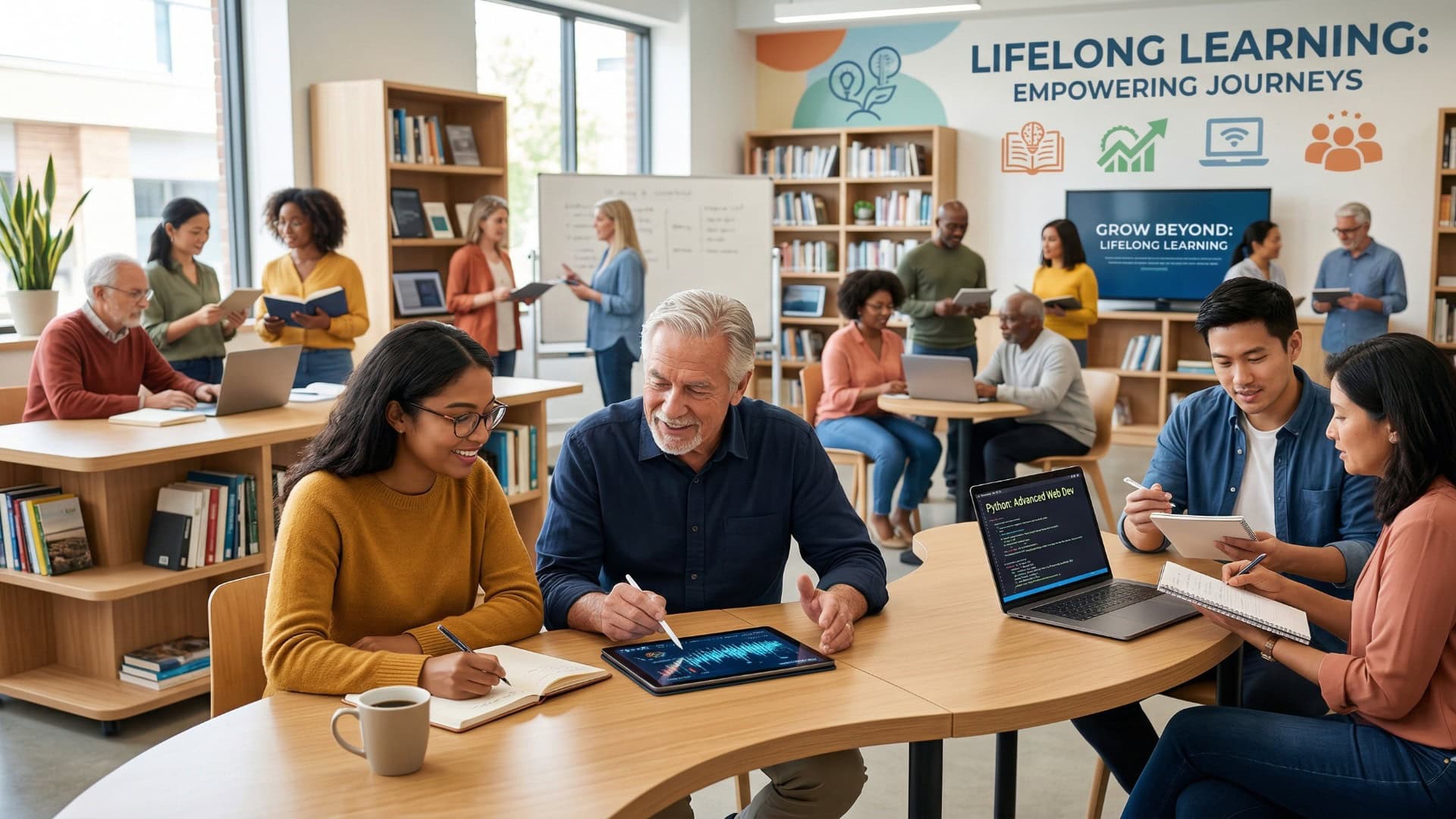
    The world is evolving at an unprecedented pace. Between rapid technological advancements, shifting cultural landscapes, and dynamic global economies, the idea that education ends the moment we receive a diploma is not just outdated—it is actively holding us back. Today, thriving requires a commitment to continuous growth. This is where lifelong learning steps in.

    Lifelong learning is not just a buzzword for corporate seminars; it is a fundamental approach to personal and professional development that empowers everyone, regardless of age, background, or ability. Whether you are aiming to pivot in your career, keep your mind sharp as you age, or simply discover a new passion, adopting a continuous learning mindset is your greatest asset.

    In this comprehensive guide, we will explore why lifelong learning matters, how it benefits your brain, career, and personal life, and how you can seamlessly integrate it into your daily routine. We will also address common barriers and provide actionable solutions to help you become a resilient, self-directed learner.


    What Exactly is Lifelong Learning?

    Lifelong learning is the self-motivated, voluntary, and ongoing pursuit of knowledge for either personal or professional reasons.

    Historically, education was viewed as a linear path: you went to school, learned a trade or earned a degree, and then entered the workforce to apply those specific skills until retirement. That model is no longer sufficient. Today, the “half-life” of a learned skill—the time it takes for a skill to become half as valuable—is shrinking rapidly.

    Lifelong learning breaks the traditional mold by embracing the idea that education is a continuous, lifelong journey. It encompasses several different types of education:

    • Formal Learning: Structured educational programs, such as university degrees, vocational training, or certificated online courses.
    • Informal Learning: Unstructured, spontaneous learning that happens in daily life. This could be watching a tutorial on YouTube, reading an insightful article, or having a deep conversation with a mentor.
    • Non-formal Learning: Organized learning that falls outside the formal educational system, such as community workshops, book clubs, or fitness classes.

    “Intellectual growth should commence at birth and cease only at death.” — Albert Einstein

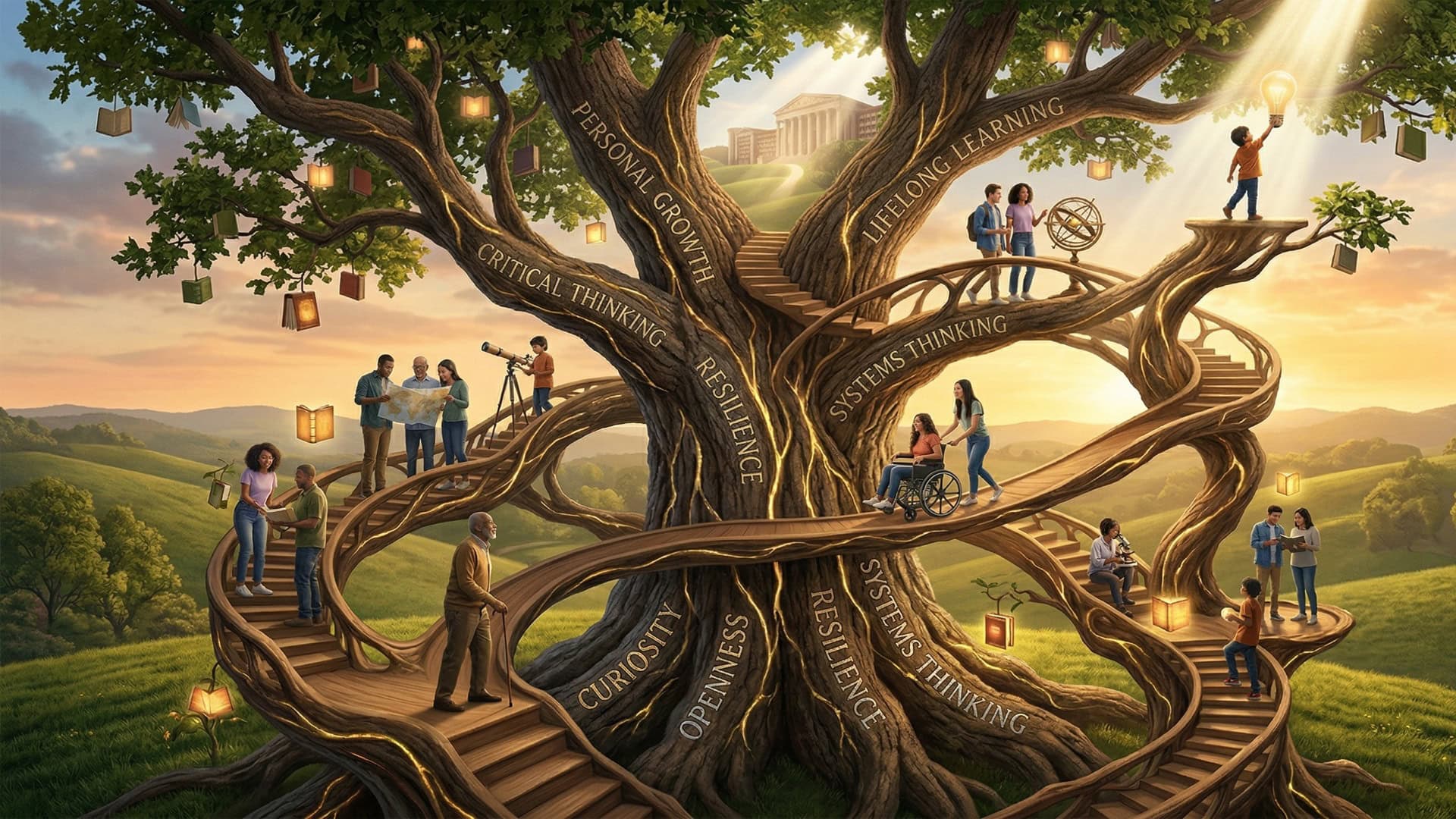
    At its core, lifelong learning is about curiosity. It is the recognition that there is always something new to discover, understand, and master.


    The Cognitive Benefits: Fuel for the Human Brain

    One of the most compelling reasons to embrace continuous education is the profound impact it has on cognitive health. The human brain is not a static organ; it is highly adaptable, a characteristic scientists refer to as neuroplasticity.

    1. Harnessing Neuroplasticity

    Neuroplasticity is the brain’s ability to reorganize itself by forming new neural connections throughout life. When we learn a new language, pick up a musical instrument, or struggle through a complex puzzle, we are actively strengthening these neural pathways. This continuous “mental gymnastics” builds a cognitive reserve, which helps the brain become more resilient to stress and the natural effects of aging. You can read more about neuroplasticity and brain health from resources like the Harvard Medical School.

    2. Delaying Cognitive Decline

    Numerous studies have shown that engaging in mentally stimulating activities can delay the onset of cognitive decline and conditions such as Alzheimer’s disease and dementia. Learning keeps the mind sharp, improves memory retention, and enhances our ability to focus. It is, quite literally, exercise for your brain.

    3. Enhancing Problem-Solving Skills

    Exposing yourself to new subjects and diverse perspectives forces your brain to think outside its usual patterns. This cross-pollination of ideas enhances creativity and problem-solving abilities. A software engineer who takes a class on psychology, for instance, might suddenly understand user experience in a profoundly new way.


    Career Advancement and Economic Resilience

    In the modern workforce, adaptability is the ultimate currency. Automation, artificial intelligence, and globalization are reshaping industries overnight. According to the World Economic Forum’s Future of Jobs Report, millions of jobs will be displaced by technology, while millions of new roles will be created.

    1. Upskilling and Reskilling

    To remain relevant, professionals must engage in upskilling (improving current skills) and reskilling (learning entirely new skills). Lifelong learners are agile; they do not wait for their employers to mandate training. They proactively seek out certifications, master new software, and study industry trends. This makes them indispensable to their current employers and highly attractive to future ones.

    2. Standing Out in a Competitive Market

    When hiring, modern recruiters look beyond just degrees. They look for a growth mindset. Demonstrating that you are a continuous learner signals to employers that you are adaptable, motivated, and capable of handling future challenges that the company hasn’t even anticipated yet.

    3. Navigating Career Pivots

    The days of working for a single company for forty years are largely behind us. Many people will change careers—not just jobs, but entirely different fields—several times in their lives. Lifelong learning provides the bridge to cross from one industry to another. It allows individuals to reinvent themselves economically, ensuring they are never permanently trapped in a declining industry.


    Personal Fulfillment, Well-being, and Inclusion

    While the cognitive and economic benefits are immense, the personal and emotional rewards of lifelong learning are equally vital. Education should not just be about economic output; it should be about human flourishing.

    1. Boosting Self-Confidence

    There is a unique sense of pride that comes from mastering a difficult concept or completing a challenging project. Every time we learn something new, we prove to ourselves that we are capable of growth. This builds a deep, intrinsic self-confidence that permeates other areas of our lives.

    2. Finding Purpose and Meaning

    Many individuals find that their primary career does not fulfill all their passions. Lifelong learning allows people to explore hobbies and interests—such as painting, creative writing, or urban gardening—that bring joy and meaning to their lives. This is especially crucial for individuals approaching retirement, providing a renewed sense of purpose and structure.

    3. Fostering Connection and Community

    Learning is rarely a solitary endeavor. Joining a coding bootcamp, attending a pottery class, or participating in an online forum connects us with like-minded individuals. This fosters a sense of belonging and helps combat the modern epidemic of loneliness.

    4. Expanding Worldviews and Empathy

    Continuous education exposes us to different cultures, histories, and perspectives. By learning about the experiences of people who are different from us, we cultivate empathy and become more inclusive, socially aware global citizens. Lifelong learning challenges our biases and helps us understand the complex, intersectional world we live in.


    How to Cultivate a Lifelong Learning Mindset

    Knowing the importance of lifelong learning is one thing; making it a habit is another. Here are practical, actionable strategies to weave continuous education into the fabric of your daily life.

    1. Identify Your “Why”

    Before diving into courses and books, figure out your motivation. Are you looking to get a promotion? Do you want to communicate better with family members from another culture? Are you simply curious about astronomy? Having a clear “why” will keep you motivated when the learning process gets difficult.

    2. Embrace Microlearning

    You do not need to dedicate three hours a day to see results. Microlearning involves consuming information in small, manageable chunks.

    • Listen to an educational podcast during your daily commute.
    • Read one chapter of a non-fiction book before bed.
    • Watch a 10-minute TED Talk while drinking your morning coffee.

    3. Utilize Accessible, High-Quality Resources

    We live in the golden age of accessible information. Financial barriers to education are lower than ever before. Take advantage of platforms offering free or low-cost learning:

    • Massive Open Online Courses (MOOCs): Platforms like Coursera and edX partner with top universities to offer courses on everything from data science to philosophy.
    • Public Libraries: Libraries are incredible hubs for free resources, including audiobooks, online language software (like Mango or Rosetta Stone), and community workshops.
    • YouTube and Podcasts: Countless experts share their knowledge for free on digital platforms.

    4. Adopt a Growth Mindset

    Psychologist Carol Dweck popularized the concept of the “growth mindset”—the belief that abilities and intelligence can be developed through dedication and hard work. Embrace mistakes as part of the learning process. If you struggle to learn a new coding language, do not say, “I’m just not good at tech.” Instead, say, “I haven’t mastered this yet.”

    5. Teach What You Learn

    One of the most effective ways to solidify your own understanding of a topic is to teach it to someone else. This is known as the Feynman Technique. Write a blog post about what you just learned, explain it to a friend over lunch, or mentor a junior colleague.


    Overcoming Common Barriers to Learning

    Even with the best intentions, we all face obstacles. Recognizing these barriers is the first step to overcoming them in a way that respects different life circumstances and neurodivergent needs.

    Barrier 1: “I Don’t Have Enough Time”

    The Solution: Audit your time. Many people spend hours scrolling through social media or binge-watching television. Try replacing just 30 minutes of passive consumption with active learning. Schedule learning time on your calendar just as you would a doctor’s appointment. Remember, consistency is more important than volume.

    Barrier 2: “Education is Too Expensive”

    The Solution: While formal degrees can be prohibitively expensive, learning is largely free. As mentioned above, lean into open-source materials, free community classes, library resources, and digital platforms. Many prestigious universities offer their entire course catalogs online for free via OpenCourseWare.

    Barrier 3: “I’m Too Old to Learn Something New”

    The Solution: This is a persistent and harmful myth. While learning speed might change as we age, the capacity to learn never vanishes. In fact, older adults often have better crystallized intelligence (the ability to use learned knowledge and experience) which can make connecting complex ideas easier.

    Barrier 4: Imposter Syndrome and Fear of Failure

    The Solution: Many people stop learning because they are afraid of looking foolish as a beginner. Give yourself permission to be a novice. Everyone starts at zero. Focus on the process of learning rather than comparing your chapter one to someone else’s chapter twenty.


    Conclusion

    The importance of lifelong learning cannot be overstated. It is the engine of personal growth, the armor against economic uncertainty, and the key to a vibrant, engaged, and empathetic life. By shifting our perspective from “learning as a chore” to “learning as a lifelong privilege,” we open doors to opportunities we never knew existed.

    You do not need to go back to university to be a lifelong learner. You simply need to nurture your curiosity, ask questions, and take small, consistent steps toward expanding your horizons. The world is full of fascinating things waiting to be understood. What will you learn today?


    Frequently Asked Questions (FAQ)

    What is an example of lifelong learning?

    An example of lifelong learning could be anything from a graphic designer taking an online course in AI prompt engineering, a retiree learning conversational Spanish to prepare for a trip, or a parent reading books about child psychology to better support their neurodivergent child. It spans formal certifications to casual, self-directed hobbies.

    How does lifelong learning improve mental health?

    Engaging in continuous learning can significantly boost mental health by providing a sense of purpose and achievement, which increases dopamine levels. It helps build confidence, reduces feelings of stagnation, and, when done in a group setting, alleviates social isolation and loneliness.

    Is lifelong learning necessary for everyone?

    While the type of learning will vary wildly from person to person, the act of learning is essential for everyone who wishes to adapt to a changing world. Even if you are completely satisfied with your career, learning new things protects your cognitive health, enhances your personal relationships, and keeps you engaged with the world around you.

    What is the difference between lifelong learning and continuous training?

    Continuous training is usually structured, mandated, and career-specific, often provided by an employer to ensure employees are up to date on specific tools or compliance protocols. Lifelong learning is a broader, self-directed philosophy. It encompasses continuous training but also includes learning for personal fulfillment, hobbies, and general knowledge outside of one’s professional life.

    How can employers support lifelong learning in the workplace?

    Employers can build a culture of learning by offering educational stipends, providing access to online learning platforms (like LinkedIn Learning or Udemy), allowing employees time during the workweek to dedicate to study, and rewarding individuals who proactively upskill. Cultivating psychological safety—where employees feel safe asking questions and admitting they don’t know something—is also a crucial foundation.

    I have ADHD and find self-directed learning incredibly difficult. What can I do?

    Traditional learning methods don’t work for everyone, and that is completely okay. If you have ADHD or other neurodivergent traits, try leaning into “hyperfocus” on topics that genuinely excite you. Use gamified learning apps that offer immediate dopamine rewards, keep sessions very short (10-15 minutes), and try kinesthetic or hands-on learning rather than just reading text. Body doubling—learning alongside someone else, even silently over a video call—can also help maintain focus and accountability.

  • The Blueprint of Tomorrow: How Education Shapes Society

    The Blueprint of Tomorrow: How Education Shapes Society

    Education is often described as the great equalizer, the engine of progress, and the foundation of human development. But how exactly does the transfer of knowledge inside a classroom translate to the complex, sweeping changes we see in the world around us? The relationship between learning and societal growth is deeply intertwined. From driving economic prosperity to fostering empathy and civic duty, the way we educate our populations directly dictates the kind of world we will live in tomorrow.

    In this comprehensive guide, we will explore the profound mechanisms through which education shapes society. Whether you are an educator, a student, a policymaker, or simply a curious mind, understanding this dynamic is crucial for advocating for a better, more inclusive future.


    The Economic Engine: How Learning Drives Prosperity

    The most immediate and measurable impact of education on society is its effect on the economy. A well-educated workforce is the backbone of any thriving nation. As we transition deeper into a globalized, knowledge-based economy, the demand for critical thinking, technical skills, and adaptability has never been higher.

    Preparing the Workforce for the Future

    Education systems are responsible for equipping individuals with the skills necessary to navigate the modern job market. This goes far beyond basic literacy and numeracy. Today’s educational institutions are tasked with fostering digital literacy, complex problem-solving, and emotional intelligence. When individuals are equipped with these tools, they become productive contributors to the economy. They innovate, they build, and they drive industries forward.

    Reducing Poverty and Fostering Upward Mobility

    Education is one of the most effective tools for breaking the generational cycle of poverty. By providing individuals with the knowledge and credentials needed to secure stable, well-paying employment, education empowers marginalized communities to elevate their socio-economic status. When families transition out of poverty, the entire community benefits from increased local spending, higher tax revenues, and a reduced reliance on social safety nets.

    Global Competitiveness and Innovation

    Nations that invest heavily in their educational infrastructure are consistently the ones leading the world in technological advancements, medical breakthroughs, and sustainable practices. Universities and research institutions serve as incubators for innovation. When a society values and funds higher education and research, it attracts global talent and secures its position as a leader on the world stage.


    Social Cohesion: Building Empathy and Civic Engagement

    Beyond economics, education plays a vital role in the social fabric of our communities. It is in the classroom that many individuals first encounter people from different backgrounds, cultures, and belief systems. This exposure is critical for building a cohesive, harmonious society.

    Fostering Democratic Participation

    A functioning democracy relies heavily on an informed electorate. Education provides individuals with the historical context, media literacy, and critical thinking skills required to evaluate political candidates, understand complex policies, and vote responsibly. Furthermore, schools often serve as microcosms of civic life, teaching students how to debate respectfully, advocate for their beliefs, and participate in community governance.

    Cultivating Empathy and Understanding

    When education curriculums intentionally include diverse historical perspectives, literature from various cultures, and inclusive narratives, they actively dismantle prejudice and xenophobia. Learning about the struggles, triumphs, and experiences of others builds a profound sense of empathy. A society rooted in empathy is naturally more equitable, less prone to systemic violence, and more resilient in the face of division.

    Lowering Crime Rates through Opportunity

    There is a well-documented inverse relationship between educational attainment and incarceration rates. By keeping youth engaged, providing them with a sense of purpose, and offering clear pathways to legitimate economic success, education significantly reduces the likelihood of individuals turning to crime out of desperation or lack of options. Communities with highly rated, well-funded schools consistently report safer neighborhoods.


    Bridging the Gap: The Role of Equity and Inclusion

    For education to truly benefit society as a whole, it must be accessible to everyone, regardless of their background, identity, or physical abilities. Inclusive education is not just a moral imperative; it is a societal necessity.

    Redefining the Classroom for All Learners

    Historically, educational systems were designed with a narrow “standard” student in mind, often leaving out those who were neurodivergent, lived with disabilities, or came from underrepresented backgrounds. Today, the push for inclusive education means creating environments where every individual feels valued and supported. This includes implementing universal design for learning (UDL), providing necessary accommodations, and ensuring that educational materials are accessible to everyone.

    Empowering Women and Girls

    One of the most transformative societal shifts occurs when women and girls are given equal access to education. Educated women are more likely to participate in the formal labor market, delay marriage, and have healthier, better-educated children. According to data from the United Nations Educational, Scientific and Cultural Organization (UNESCO), advancing girls’ education is one of the most powerful strategies for tackling global poverty and accelerating sustainable development.


    Health, Well-being, and Quality of Life

    The ripple effects of education extend deeply into public health and personal well-being. A society’s overall health outcomes are inextricably linked to its educational levels.

    Enhancing Health Literacy

    Individuals with higher levels of education generally possess better health literacy. This means they are more capable of understanding medical advice, navigating complex healthcare systems, reading nutritional labels, and making informed decisions about their physical well-being. They are more likely to engage in preventative care, get vaccinated, and avoid high-risk behaviors, leading to a generally healthier population.

    Prioritizing Mental Health Awareness

    Modern education is increasingly recognizing the importance of mental health. Schools and universities are integrating socio-emotional learning (SEL) into their daily practices. By teaching young people how to identify their emotions, manage stress, and seek help when needed, education helps build a society that destigmatizes mental illness and prioritizes holistic well-being.

    Environmental Stewardship

    Education is the frontline defense against environmental degradation and climate change. Through environmental science curriculums and sustainability initiatives, students learn about the delicate balance of our ecosystems. An educated society is more likely to support green policies, innovate renewable energy technologies, and adopt sustainable personal habits that protect the planet for future generations.


    The Role of Technology in Modern Education

    We cannot discuss how education shapes society without addressing the digital revolution. Technology has fundamentally altered how we access information, how we teach, and how we learn.

    Closing the Digital Divide

    As learning becomes increasingly digitized, access to high-speed internet and modern computing devices has become a basic educational right. Society is currently grappling with the “digital divide”—the gap between those who have access to this technology and those who do not. Bridging this divide is essential. When a society ensures that all its citizens have digital access, it democratizes information and levels the playing field for the future workforce.

    Global Connectivity and Collaborative Learning

    Technology allows students in a rural classroom to collaborate with peers across the globe. This unprecedented level of connectivity breaks down geographical and cultural barriers. It creates a generation of global citizens who understand that societal issues—like pandemics, economic crises, and climate change—are interconnected and require cooperative, borderless solutions.

    The Rise of Lifelong Learning

    Historically, education was viewed as a phase of life that ended in early adulthood. Today, the rapid pace of technological advancement means that skills become obsolete quickly. Education now shapes society by promoting the concept of lifelong learning. Online courses, micro-credentials, and adult education programs allow individuals to continuously upskill and adapt, creating a resilient and agile societal workforce.


    Challenges and the Future of Education

    While the power of education is undeniable, the systems that deliver it are far from perfect. If we want education to continue shaping society for the better, we must address several pressing challenges.

    Addressing Funding Disparities

    In many parts of the world, public school funding is tied to local property taxes, meaning wealthy neighborhoods have well-resourced schools while lower-income areas struggle with outdated materials and underpaid staff. This system inherently perpetuates inequality. Societies must move toward more equitable funding models at the state or national level to ensure that a child’s zip code does not determine their educational destiny.

    Evolving the Curriculum

    The world is changing faster than our curriculums are adapting. There is an urgent need to shift away from rote memorization and standardized testing toward project-based learning, critical thinking, and creativity. We must prepare students for jobs that do not yet exist, using technologies that haven’t been invented yet. This requires a flexible, forward-thinking approach to educational policy.

    Supporting and Elevating Educators

    No educational system can outgrow the quality of its teachers. Yet, in many societies, educators are overworked, underpaid, and undervalued. Shaping a better society requires elevating the teaching profession. This means providing competitive compensation, robust mental health support, and continuous professional development for those who are tasked with molding the next generation.


    Conclusion

    Education is not merely the transmission of facts; it is the active construction of society. It is the economic engine that drives prosperity, the social glue that binds diverse communities together in empathy, and the light that dispels the shadows of inequality and prejudice.

    When we invest in education, we are not just paying for textbooks and classrooms; we are investing in lower crime rates, better public health, a stronger democracy, and a more innovative economy. By committing to inclusive, accessible, and forward-thinking educational practices, we can consciously shape a society that is fairer, wiser, and infinitely more capable of navigating the challenges of tomorrow.

    The blueprint for a better world is drawn in our classrooms. It is our collective responsibility to ensure that this blueprint is accessible to all.


    Frequently Asked Questions (FAQ)

    1. Why is education considered the foundation of society?

    Education is considered the foundation of society because it provides individuals with the essential skills, knowledge, and ethical frameworks needed to contribute meaningfully to their communities. It drives economic growth, fosters social harmony, and ensures that critical cultural and historical knowledge is passed down through generations.

    2. How does education impact the economy?

    Education impacts the economy by creating a skilled and adaptable workforce. Higher levels of education correlate directly with higher earning potential, reduced reliance on social welfare, increased tax revenues, and a greater capacity for technological and industrial innovation.

    3. Can education really reduce crime rates?

    Yes. Extensive research shows a strong inverse relationship between educational attainment and crime. Education provides individuals with viable economic opportunities, teaches conflict resolution skills, and fosters a sense of community belonging, all of which significantly reduce the likelihood of criminal behavior.

    4. What does “inclusive education” mean?

    Inclusive education refers to a system where all students, regardless of their physical abilities, neurodiversity, race, gender, or socio-economic background, have equal access to quality learning. It involves adapting teaching methods, removing physical and social barriers, and celebrating diversity within the classroom.

    5. Why is lifelong learning important in modern society?

    Due to the rapid advancement of technology and the shifting nature of the global economy, skills can quickly become outdated. Lifelong learning ensures that individuals remain adaptable, employable, and intellectually engaged throughout their entire lives, creating a more resilient society.

  • The Complete Guide: The Role of Education in Personal Development

    The Complete Guide: The Role of Education in Personal Development

    When we hear the word “education,” it is incredibly easy to immediately picture a classroom, a chalkboard, and a stack of textbooks. However, defining education strictly by formal schooling paints an incomplete picture. Education is fundamentally the process of acquiring knowledge, skills, values, and habits. Whether it happens in a university lecture hall, through a community workshop, or by navigating the complexities of daily life, education is the bedrock of personal development.

    Personal development is a lifelong process. It is the conscious pursuit of personal growth by expanding self-awareness, building new skills, and realizing your fullest potential. In this comprehensive guide, we will explore the profound and multifaceted role of education in personal development, breaking down how learning shapes our minds, our emotions, our careers, and our communities.


    1. Cognitive Growth: Sharpening the Mind

    At its core, education is a workout for the human brain. It is the primary catalyst for cognitive development, which encompasses how we think, explore, and figure things out.

    Building Critical Thinking Skills

    We live in an era of information overload. We are constantly bombarded with data, opinions, and news. Education equips us with the mental tools to sift through this noise. Instead of accepting information at face value, a well-educated mind asks questions: Who is the source? What is the evidence? Are there alternative perspectives? Critical thinking allows individuals to analyze complex problems and formulate reasoned judgments. For further reading on why these skills are critical in the modern world, you can explore insights from the World Economic Forum on the future of jobs and skills.

    Fostering Neuroplasticity

    Every time we learn something new, our brain forms new neural connections. This concept, known as neuroplasticity, proves that our cognitive abilities are not fixed at birth. By continuously engaging in educational pursuits—whether that means learning a new language, picking up a musical instrument, or mastering a new software program—we actively keep our brains agile and adaptable well into old age.

    Expanding Worldviews

    Ignorance breeds fear, while knowledge fosters understanding. Education exposes us to histories, cultures, and scientific realities far beyond our immediate surroundings. This exposure dismantles prejudices and cognitive biases, allowing individuals to approach the world with curiosity rather than apprehension.


    2. Emotional Intelligence and Self-Awareness

    While cognitive skills (often measured by IQ) are vital, emotional intelligence (EQ) is arguably just as important for personal development. Education—particularly environments that encourage collaboration and diverse interactions—plays a massive role in building EQ.

    Developing Empathy

    Inclusive educational environments bring together individuals from various backgrounds, cultures, and neurotypes. Interacting with people who have different life experiences teaches empathy. We learn to listen, to validate feelings we may not personally understand, and to navigate disagreements constructively.

    Resilience and Managing Failure

    Learning is rarely a linear journey. It is paved with mistakes, low grades, misunderstood concepts, and failed experiments.

    “Failure is instructive. The person who really thinks learns quite as much from his failures as from his successes.” – John Dewey

    A healthy educational framework teaches resilience. It frames failure not as an endpoint, but as a necessary stepping stone toward mastery. When individuals learn to tolerate the frustration of not knowing something immediately, they build emotional fortitude that carries over into personal relationships and life challenges.

    Cultivating Self-Awareness

    Education requires self-reflection. To learn effectively, you must understand your own learning style. Are you a visual learner? Do you need hands-on practice? Do you struggle with time management? By answering these questions throughout your educational journey, you develop a profound sense of self-awareness. You learn your strengths, your limitations, and the specific environments where you thrive. For deeper insights into the psychology of self-awareness, resources like the American Psychological Association offer extensive research and articles.


    3. Career Advancement and Economic Empowerment

    It is important to be candid: one of the primary reasons people pursue formal education is economic survival and mobility. While personal development is deeply philosophical, it is also highly practical. You cannot focus on self-actualization if you are constantly stressed about meeting your basic needs.

    Acquiring Marketable Skills

    The modern workforce is evolving rapidly due to automation and artificial intelligence. Education provides the foundational hard skills required to enter the job market. More importantly, it provides the meta-skill of learning how to learn, ensuring that individuals can adapt when their industries inevitably change.

    Breaking Cycles of Poverty

    Historically, access to education has been the most reliable vehicle for upward social mobility. For marginalized communities, education is a tool to dismantle systemic barriers. By acquiring knowledge and credentials, individuals gain access to higher-paying opportunities, healthier living conditions, and the ability to invest in the next generation.

    The Confidence to Advocate for Oneself

    Professional development is a core subset of personal development. Education gives people the vocabulary, the confidence, and the contextual knowledge to negotiate fair compensation, recognize workplace exploitation, and advocate for equitable treatment in professional settings.


    4. The Social and Civic Dimensions

    Personal development does not happen in a vacuum. We are social creatures, and our individual growth is intimately tied to how we interact with our communities.

    Cultivating Civic Responsibility

    A well-rounded education includes an understanding of civics, history, and social structures. It teaches individuals how societies function and how they can actively participate in shaping them. Educated individuals are historically more likely to vote, volunteer, and engage in community organizing.

    Promoting Inclusive Communities

    Education is the antidote to systemic exclusion. When education incorporates inclusive language, diverse historical narratives, and accessible learning tools, it models the kind of society we should strive to build. It teaches us to respect all folks, regardless of race, gender identity, socioeconomic background, or physical ability.

    A Comparison of Development Areas and Educational Impact:

    Area of Development How Education Drives It Real-World Application
    Cognitive Builds problem-solving skills and critical thinking. Analyzing news sources, managing finances, fixing a household issue.
    Emotional Fosters resilience, patience, and self-awareness. Navigating interpersonal conflicts, handling workplace stress.
    Professional Provides hard skills and adaptability. Securing employment, pivoting to a new career, negotiating salary.
    Social/Civic Teaches societal structures and empathy. Participating in local government, advocating for community rights.

    5. Lifelong Learning: The Modern Educational Paradigm

    The narrative that education ends when you receive a diploma is entirely outdated. In the context of personal development, education is a continuous, lifelong pursuit.

    The Rise of Informal Education

    Today, formal schooling is just one piece of the puzzle. The internet has democratized access to information. Podcasts, online courses, YouTube tutorials, and community workshops are all valid and highly effective forms of education. You do not need a university degree to experience profound personal growth through learning.

    Upskilling and Reskilling

    Because the world changes so quickly, lifelong learning is no longer a luxury; it is a necessity. Upskilling (learning new skills to advance in your current field) and reskilling (learning entirely new skills to change fields) are ongoing processes. Taking charge of your own continuing education is the ultimate act of personal development because it requires self-motivation and discipline.


    6. Acknowledging and Overcoming Barriers

    To speak about education and personal development honestly, we must acknowledge that access to quality education is not universally equal. Systemic inequalities, economic barriers, and ableist societal structures prevent many brilliant individuals from accessing traditional learning environments.

    The Importance of Accessibility

    For education to truly serve humankind, it must be accessible to everyone. This means advocating for:

    • Affordable or free public schooling and higher education.
    • Accessible physical campuses and digital platforms for individuals with disabilities.
    • Support systems for neurodivergent learners who may not thrive in traditional, rigid academic settings.
    • Representation in curriculums so that all learners see themselves reflected in history and literature.

    Personal development is a human right, not a privilege reserved for the wealthy. Recognizing these systemic barriers allows us to redefine education. If formal avenues are blocked, community-led initiatives, self-directed learning, and peer-to-peer skill sharing become incredibly vital acts of resistance and growth.


    Conclusion

    The role of education in personal development is absolute and all-encompassing. It is the engine that drives cognitive sharpness, emotional depth, professional capability, and civic duty. By viewing education not as a finite task to be completed, but as a lifelong journey of curiosity, we open ourselves up to endless possibilities for growth. Remember that every book read, every difficult conversation navigated, and every new skill practiced is a step forward in your personal development journey. Keep asking questions, keep challenging your own assumptions, and never stop learning.


    Frequently Asked Questions (FAQ)

    What is the difference between formal and informal education in personal development?

    Formal education refers to structured, institutional learning that typically results in a credential (like high school, university, or trade school). It provides foundational knowledge and societal recognition. Informal education happens outside these structures—through reading, traveling, hobbies, mentorships, and life experiences. Both are equally crucial for personal development. Formal education often opens career doors, while informal education deeply shapes character, practical wisdom, and specialized passions.

    Can personal development happen without formal education?

    Absolutely. While formal education provides a structured pathway and specific socioeconomic advantages, personal development is intrinsically tied to a willingness to learn, not a piece of paper. Many of the most empathetic, resilient, and skilled individuals are self-taught. Through community resources, books, online platforms, and practical life experience, profound personal growth is entirely possible outside of traditional academic institutions.

    How does education improve mental health?

    Education can positively impact mental health by providing individuals with coping mechanisms, problem-solving skills, and a deeper understanding of human psychology. Learning about mental health itself helps destigmatize struggles and encourages people to seek help when needed. Furthermore, the act of learning builds confidence, provides a sense of purpose, and fosters social connections, all of which are protective factors against anxiety and depression.

    How do I start educating myself for personal growth as an adult?

    The best approach is to start small and follow your genuine curiosity. You do not need to enroll in a massive, expensive degree program.

    • Identify a topic you know nothing about but find interesting.
    • Read a highly-rated book or listen to a dedicated podcast on the subject.
    • Take a free online course through platforms like Coursera or edX.
    • Focus on consistency rather than intensity; dedicating just 20 minutes a day to learning something new compounds massively over time.

    Why is inclusive language important in educational settings?

    Inclusive language respects and acknowledges the diversity of all learners. It ensures that no one is alienated or marginalized by the words used in textbooks, lectures, or classroom discussions. When education utilizes inclusive language, it creates psychological safety. Learners can only truly develop and reach their potential when they feel seen, respected, and safe in their learning environment.

  • Traditional vs. Modern Education: Which Approach Truly Works Better?

    Traditional vs. Modern Education: Which Approach Truly Works Better?

    Education is the cornerstone of human progress, yet the methods we use to impart knowledge are in a constant state of evolution. For generations, the image of a teacher standing before a chalkboard, delivering lectures to rows of quietly taking-notes students, was the undisputed standard. Today, that image is rapidly being replaced by collaborative pods, interactive tablets, and global, digital classrooms.

    The debate between traditional vs. modern education is one of the most significant conversations happening among educators, parents, and policymakers today. As society shifts toward a more complex, technology-driven future, we must ask: Are the old ways holding us back, or do they provide a necessary foundation? Conversely, does modern education offer a superior path, or does it sacrifice discipline for the sake of engagement?

    In this comprehensive guide, we will explore the core philosophies, the distinct advantages, and the inherent drawbacks of both educational paradigms. By breaking down how each system impacts learners, educators, and the broader community, we aim to uncover what truly works best for the diverse minds of the 21st century.


    1. The Foundations of Traditional Education

    Traditional education, often referred to as conventional or customary education, has been the dominant model for centuries. Its roots can be traced back to the Industrial Revolution, a time when societies needed to educate large numbers of citizens efficiently to prepare them for standardized roles in a growing industrial economy.

    Core Characteristics of the Traditional Model

    • Teacher-Centered Instruction: The educator is the primary source of knowledge—the “sage on the stage.” Information flows in one direction: from the teacher to the learner.
    • Standardized Curriculum: All students in a particular grade or course learn the same material, at the same pace, regardless of their individual interests or background.
    • Rote Memorization: A heavy emphasis is placed on memorizing facts, formulas, and historical dates to build a baseline of general knowledge.
    • Summative Assessment: Success is primarily measured through high-stakes, standardized testing and final exams.
    • Physical and Structured Environment: Learning happens within a specific location (the brick-and-mortar classroom) and adheres to a rigid daily bell schedule.

    The Strengths of Traditional Education

    While it is easy to criticize older methods in the face of shiny new technologies, traditional education has survived for so long because it possesses undeniable strengths.

    1. A Strong Foundational Knowledge Base: By focusing on core subjects like mathematics, literature, and history through direct instruction, students often build a robust, shared foundation of general knowledge. This shared baseline is essential for societal cohesion and advanced academic pursuits.
    2. Discipline and Routine: The structured environment of a traditional classroom teaches punctuality, respect for authority, and the ability to adhere to a schedule. These soft skills are highly transferable to traditional workplace environments.
    3. Familiarity and Predictability: Because this system is universally understood, it creates a seamless transition for students moving between different schools, cities, or even countries.
    4. Equalization of Materials: In a purely traditional setting, every student is looking at the same textbook and listening to the same lecture, which can, in theory, create a baseline of equal opportunity (though socioeconomic factors often complicate this).

    The Drawbacks of the Traditional Approach

    The limitations of traditional education become apparent when we consider the diverse needs of modern learners and the demands of the contemporary workforce.

    • The “One-Size-Fits-All” Fallacy: Traditional education assumes that everyone learns at the same pace and in the same way. This environment can severely marginalize students who are neurodivergent, those who need more time to process information, or gifted learners who are not adequately challenged.
    • Passive Learning: When students are merely receptacles for information, they rarely develop critical thinking or problem-solving skills. They learn what to think, but not necessarily how to think.
    • Test Anxiety: Tying a student’s worth and academic future to a few high-stakes exams can cause severe anxiety and fails to measure creativity, emotional intelligence, or collaborative skills.

    2. The Rise of Modern Education

    Modern education emerged as a response to the changing needs of the globalized, digital world. Influenced by psychological theories of constructivism—which suggest that learners actively construct knowledge rather than passively receiving it—modern education represents a fundamental paradigm shift.

    Core Characteristics of the Modern Model

    • Student-Centered Learning: The educator acts as a facilitator or the “guide on the side.” The curriculum is more flexible, allowing students to explore topics based on their interests and inquiries.
    • Technological Integration: EdTech is a foundational pillar. Laptops, tablets, learning management systems, and educational software are used to enhance and personalize the learning experience.
    • Skill-Based Focus: Rather than just memorizing facts, modern education emphasizes the “4 Cs”: Critical thinking, Communication, Collaboration, and Creativity.
    • Formative Assessment: Continuous, low-stakes assessments—such as peer reviews, portfolio creations, and project-based assignments—are used to gauge understanding throughout the learning process, rather than just at the end.
    • Personalized Learning Paths: Utilizing data and adaptive technologies, education is tailored to the individual learner’s strengths, weaknesses, and preferred pacing.

    The Strengths of Modern Education

    Modern educational practices align closely with the skills required to navigate the modern world, making it highly attractive to forward-thinking institutions.

    1. High Engagement and Motivation: When learners are given autonomy and allowed to connect their studies to real-world applications, their intrinsic motivation increases dramatically. Project-based learning makes education feel relevant.
    2. Preparation for the Modern Workforce: The modern economy values adaptability, digital literacy, and the ability to work in diverse teams. Modern education actively simulates these environments.
    3. Inclusivity and Accessibility: Modern education often champions frameworks like the Universal Design for Learning (UDL) guidelines by CAST, which aim to give all individuals equal opportunities to learn. Technologies like text-to-speech, closed captioning, and interactive visual aids make education far more accessible for students with diverse learning needs.
    4. Global Perspectives: Through the internet, a classroom is no longer confined by four walls. Students can collaborate with peers across the globe, fostering cultural awareness and empathy.

    The Drawbacks of the Modern Approach

    Despite its innovative appeal, the modern education system is not without its significant challenges.

    • The Digital Divide: Modern education relies heavily on technology. Students from lower-income families or underfunded school districts may lack access to high-speed internet or personal devices, widening the educational inequality gap.
    • Screen Fatigue and Distraction: Constant reliance on digital screens can lead to physical fatigue and opens the door to immense distractions. It can be difficult for a learner to focus on an educational module when social media or games are just a click away.
    • Over-reliance on Self-Direction: While autonomy is great for many, some students—particularly younger ones or those who thrive on clear structure—can become lost or overwhelmed without the firm guidance provided by a traditional framework.

    3. A Direct Comparison: Traditional vs. Modern

    To truly understand what works better, it is helpful to contrast these two systems across several key educational dimensions.

    Role of the Educator

    • Traditional: The teacher is the absolute authority and the primary broadcaster of information.
    • Modern: The teacher is a mentor, a curator of resources, and a facilitator who helps students navigate their own learning journeys.

    The Classroom Environment

    • Traditional: Desks are arranged in rows facing the front. The environment is generally quiet, emphasizing individual focus and minimal disruption.
    • Modern: Flexible seating is common (bean bags, standing desks, collaborative pods). The environment is often buzzing with conversation, group work, and active movement.

    Approach to Mistakes

    • Traditional: Mistakes are often penalized through lower grades, fostering a fear of failure that can stifle intellectual risk-taking.
    • Modern: Mistakes are reframed as essential components of the learning process. Iterative work, where a student drafts, receives feedback, and improves, is heavily encouraged.

    Sourcing Information

    • Traditional: Information is finite, coming primarily from approved textbooks, encyclopedias, and the teacher’s lectures.
    • Modern: Information is infinite. Students are taught how to search the internet, evaluate the credibility of diverse sources, and synthesize information from multiple media formats.

    4. The Inclusion Factor: Supporting Diverse Minds

    One of the most vital lenses through which we must view this debate is that of inclusivity. Education must serve everyone, not just those who fit neatly into the middle of the bell curve.

    Traditional education has historically struggled with inclusivity. By relying on a singular method of delivery (mostly auditory and text-based) and a singular method of expression (handwritten exams), it inadvertently disadvantages individuals with specific learning disabilities, such as dyslexia or ADHD, as well as those who are English Language Learners (ELL).

    Modern education has made massive strides in this area. Through inclusive language, adaptive software, and a broader acceptance of neurodiversity, modern classrooms allow learners to engage with content in ways that suit their brains. If a student struggles with reading comprehension, they can listen to an audiobook version of the text. If they struggle with written exams, they might be allowed to demonstrate their knowledge by recording a podcast or creating a visual presentation.

    However, it is also important to recognize that the highly structured, predictable nature of the traditional classroom is actually deeply comforting and necessary for some neurodivergent individuals, particularly those who experience anxiety in chaotic or overly flexible environments. Therefore, completely abandoning traditional structures can sometimes be just as exclusionary.


    5. What Works Better? The Case for the Hybrid Approach

    So, which system reigns supreme? The reality is that framing this as a strict binary—traditional versus modern—is a false dichotomy. The most effective educational framework is not one or the other, but a thoughtful synthesis of both.

    This synthesis is often referred to as Blended Learning or a Hybrid Approach.

    The Best of Both Worlds

    A successful modern classroom does not throw out the foundational knowledge championed by traditional education; rather, it changes how that knowledge is acquired and applied.

    1. The Flipped Classroom: This is a perfect example of hybrid learning. Students acquire foundational knowledge at home (often through modern means, like watching a recorded video lecture or reading interactive articles). Then, they come to the physical classroom to do the “homework”—engaging in deep discussions, collaborative projects, and problem-solving under the guidance of the teacher. This respects the traditional need for direct instruction while utilizing the modern desire for active, collaborative application.
    2. Structured Flexibility: Educators can maintain the firm boundaries, clear expectations, and discipline of a traditional classroom, while offering choices within those boundaries. For example, a teacher might mandate that a specific historical event must be analyzed (traditional curriculum), but allow students to choose whether they write an essay, build a diorama, or code a simple timeline website to present their findings (modern execution).
    3. Balanced Assessment: A robust educational system uses both formative and summative assessments. Students need the low-stakes feedback loops of modern education to grow, but they also need the ability to synthesize their knowledge and perform under pressure, a skill that traditional exams can help cultivate.

    Preparing for an Unpredictable Future

    We are preparing students for jobs that do not yet exist, to use technologies that haven’t been invented, to solve problems we don’t yet know are problems.

    Relying solely on traditional education leaves learners ill-equipped for a world that demands rapid adaptation and technological fluency. Conversely, an entirely modern approach that neglects foundational knowledge and discipline may produce highly creative individuals who lack the resilience and fundamental literacy to execute their ideas.

    The approach that works better is the one that remains adaptable. Educators and institutions must be willing to leverage the efficiency and structure of the past alongside the inclusive, technologically empowered, and student-centered innovations of the present.


    Conclusion

    The evolution of education is not about discarding the past, but building upon it. Traditional education provided the scaffolding upon which our modern society was built, offering structure, discipline, and essential foundational knowledge. Modern education has expanded our horizons, teaching us to value creativity, celebrate diverse learning styles, and harness the power of technology.

    By embracing a blended approach, we can foster environments that are both structured and flexible, demanding yet forgiving, and universally accessible. Ultimately, the system that works best is the one that prioritizes the holistic well-being and lifelong learning capacity of the individual student, empowering them to navigate whatever the future may hold.


    Frequently Asked Questions (FAQ)

    1. Is traditional education completely obsolete?

    Not at all. The traditional model’s emphasis on foundational knowledge, classroom structure, and direct instruction still holds immense value, particularly when introducing entirely new and complex concepts where students lack prior context.

    2. Does modern education rely too much on screen time?

    This is a valid concern. Effective modern education integrates technology as a tool, not a crutch. The best modern classrooms balance screen time with hands-on activities, physical movement, and face-to-face peer collaboration to prevent digital fatigue.

    3. Which approach is better for a student with ADHD?

    There is no single answer, as ADHD presents differently in everyone. However, modern education’s flexibility, frequent shifts in activity, and interactive nature often keep an ADHD brain more engaged. Conversely, the strict routines of a traditional classroom can provide helpful boundaries for some. A blended approach with clear structures but flexible tasks is usually ideal.

    4. Is modern education more expensive to implement?

    Initially, yes. Equipping a school with high-speed internet, smartboards, and individual devices requires a significant upfront investment compared to buying textbooks and chalk. However, over time, digital resources can be updated more cheaply than replacing outdated physical textbooks.

    5. How does the role of the teacher change in modern education?

    In traditional settings, teachers are the primary source of all information. In modern settings, they act more like academic coaches or facilitators. They guide students toward credible resources, help them overcome hurdles in their projects, and facilitate group discussions rather than simply lecturing.

    6. Can a traditional school transition to a modern approach easily?

    It requires a significant cultural shift, not just the purchase of new technology. Teachers need professional development to change their pedagogical strategies, and administrators must be willing to adjust how they assess both student success and teacher performance. It is a gradual process rather than an overnight switch.

  • Why Education Is the Key to Success in the Modern World: A Comprehensive Guide

    Why Education Is the Key to Success in the Modern World: A Comprehensive Guide

    In an era defined by rapid technological advancements, shifting global economies, and profound social transformations, the path to achieving one’s goals can often seem complex. Yet, amid all these changes, one foundational element remains a constant driver of progress: education.

    When people ask, “Why is education the key to success?” they often limit their perspective to diplomas and starting salaries. However, the true value of learning extends far beyond a piece of paper. Education is a transformative process that equips individuals with the tools to navigate uncertainty, build meaningful careers, and contribute positively to their communities.

    Whether you are a student mapping out your future, a professional considering a career pivot, or a lifelong learner seeking personal growth, understanding the multifaceted benefits of education is vital. This comprehensive guide will explore why continuous learning and formal education remain the ultimate keys to unlocking success in the modern world.


    Redefining Success in the 21st Century

    Before exploring how education drives success, it is important to understand what “success” actually means today. In the past, success was frequently measured solely by job titles and financial accumulation. While financial stability remains a crucial goal, the modern definition of success is much broader and more inclusive.

    Today, success encompasses:

    • Professional Adaptability: The ability to pivot and thrive in new industries as the job market evolves.
    • Personal Fulfillment: Finding purpose, satisfaction, and balance in one’s daily life and career.
    • Global Citizenship: Understanding complex global issues and contributing to the well-being of the wider community.
    • Health and Well-being: Making informed decisions that positively impact physical and mental health.

    Education is the engine that drives all these outcomes. It provides the framework not just to earn a living, but to build a meaningful, resilient life.


    The Economic Engine: Career Growth and Financial Stability

    One of the most immediate and tangible benefits of education is its impact on economic prosperity. The correlation between educational attainment and financial stability is backed by decades of robust data.

    The World Bank Perspective on Returns on Investment

    According to extensive research compiled by the World Bank, education is one of the most powerful investments for sustainable development. Their studies on the “returns to schooling” reveal striking statistics:

    • A 10% Earnings Boost: On average, each additional year of education boosts an individual’s future earnings by about 10%.
    • High Social Returns: The social returns to schooling—meaning the broader economic benefits to society—remain exceptionally high, particularly at the secondary and higher education levels.
    • Bridging the Gap: Human capital, which includes education and health, accounts for roughly half of the difference in income per capita between nations.

    These figures illustrate that education is not just a personal achievement; it is an economic imperative. Individuals with post-secondary education consistently secure safer, more fulfilling, and higher-paying jobs. In a competitive global market, specialized knowledge and advanced credentials serve as vital differentiators.

    Escaping the Poverty Cycle

    For marginalized communities, education acts as the most reliable escalator out of poverty. By providing learners with foundational skills—such as literacy, numeracy, and socio-emotional competencies—education empowers individuals to advocate for themselves, negotiate better wages, and access opportunities that would otherwise remain out of reach.


    Navigating the Future of Work: Adaptability and the Skills Crisis

    The modern workplace is experiencing a digital disruption unlike anything seen in previous generations. Automation, artificial intelligence, and globalized markets are fundamentally altering the types of jobs available. In this environment, static knowledge quickly becomes obsolete.

    The Looming Need for Retraining

    The World Bank and UNESCO have sounded the alarm on a growing “skills crisis.” According to UNESCO’s projections, an estimated 60% of all workers globally will require significant retraining by the year 2030 to meet the demands of a shifting job market.

    Education provides the ultimate antidote to this disruption through adaptability. Modern education systems increasingly focus on teaching people how to learn, rather than just what to memorize.

    • Digital Literacy: Understanding how to use, evaluate, and create technology is no longer optional; it is a fundamental requirement across nearly all sectors.
    • Critical Thinking: The capacity to analyze complex data, recognize biases, and solve unprecedented problems is highly prized by modern employers.
    • Socio-Emotional Competencies: As machines take over routine tasks, human-centric skills like empathy, collaboration, and communication are becoming the most valuable assets a worker can possess.

    By committing to continuous education, professionals can future-proof their careers, transforming potential job market disruptions into opportunities for growth.


    Cognitive Development and Personal Empowerment

    Beyond the workplace, education profoundly shapes how individuals interact with the world around them. It is a catalyst for cognitive development and personal empowerment.

    Enhancing Decision-Making

    Education sharpens the mind. It exposes individuals to diverse perspectives, historical contexts, and scientific methodologies. This exposure fosters independent thought and reduces susceptibility to misinformation. When people are educated, they are better equipped to evaluate the long-term consequences of their actions, leading to healthier life choices, better financial planning, and more constructive relationships.

    Fostering Emotional Intelligence

    Modern educational frameworks place a strong emphasis on group work, peer feedback, and cross-cultural communication. These collaborative environments naturally build emotional intelligence. Learners develop the capacity to listen actively, respect differing viewpoints, and resolve conflicts constructively—skills that are indispensable for achieving personal happiness and professional leadership.


    Social Cohesion, Peace, and Global Stability

    The benefits of a well-educated population ripple outward, creating safer, more stable, and more equitable societies. Education is quite literally the foundation of a functioning community.

    Promoting Civic Engagement

    Educated individuals are statistically more likely to vote, volunteer, and participate in civic initiatives. They possess the knowledge required to hold institutions accountable and advocate for policies that benefit the public good.

    Peacebuilding and Conflict Resolution

    As highlighted by international development organizations, education is a fundamental conduit for global peace and security. It promotes stability by teaching tolerance and dismantling prejudices. Furthermore, equitable access to education—particularly for women and girls—is one of the most effective strategies for promoting peace. According to UNESCO, women with secondary education are more likely to participate in their local economies, delay marriage, and actively contribute to community leadership, all of which stabilize and enrich societies.

    Improving Public Health

    The link between education and health outcomes is remarkably strong. Educated individuals generally have better access to health information, are more likely to seek timely medical care, and engage in preventative health practices. This not only improves individual life expectancy but also reduces the strain on public healthcare systems, freeing up resources for further community development.


    The Spectrum of Education: Beyond the Traditional Classroom

    When discussing why education is the key to success, it is crucial to use inclusive language that recognizes all forms of learning. Success is not exclusively reserved for those who follow a traditional four-year university path. The modern world demands a spectrum of educational approaches.

    1. Formal Education

    This includes primary, secondary, and tertiary schooling. Formal education provides the necessary foundational knowledge, socialization, and accredited credentials required for many specialized professions, such as medicine, law, and engineering.

    2. Vocational and Technical Training

    Apprenticeships, trade schools, and technical institutes offer highly focused, practical training. In many modern economies, there is a massive shortage of skilled tradespeople. Vocational education often leads directly to lucrative, stable careers without the burden of excessive student debt, proving that success has many different blueprints.

    3. Informal and Self-Directed Learning

    In the age of the internet, self-directed learning is more accessible than ever. Online courses, bootcamps, podcasts, and open-source libraries allow individuals to upskill rapidly. This democratization of knowledge means that anyone with an internet connection can learn coding, graphic design, or a new language, bypassing traditional gatekeepers to success.

    4. Lifelong Learning

    The most successful individuals in the modern world share one common trait: they never stop learning. Lifelong learning is the ongoing, voluntary, and self-motivated pursuit of knowledge. It is the understanding that graduation is not the end of an educational journey, but rather the beginning of a self-guided one.


    Overcoming Barriers to Educational Access

    While the benefits of education are undeniable, it is equally important to acknowledge that access to quality education remains unequal. Disparities in funding, systemic biases, and socioeconomic barriers prevent millions from accessing the tools they need to succeed.

    To truly unlock global success, societies must prioritize:

    • Equitable Funding: Ensuring that schools in low-income areas receive the same resources, technologies, and quality educators as those in affluent areas.
    • Inclusive Environments: Creating classrooms that accommodate neurodivergent learners, individuals with disabilities, and students from diverse cultural backgrounds.
    • Early Childhood Investment: Recognizing that the foundation for lifelong learning is built in the first few years of life. Providing universal access to early childhood education is a critical step in leveling the playing field.

    By addressing these barriers, we can transition from a world where education is a privilege to one where it is a universal right, maximizing human potential across the globe.


    Conclusion

    Why is education the key to success in the modern world? Because it is the most versatile tool humanity possesses. It is the catalyst for economic growth, the shield against job market disruption, and the foundation of a peaceful, healthy society.

    Education empowers individuals to think critically, adapt quickly, and act compassionately. Whether through a university lecture hall, a vocational workshop, or a late-night online tutorial, the pursuit of knowledge is the single most reliable pathway to achieving a fulfilling and prosperous life. In a world characterized by constant change, the commitment to lifelong learning is not just the key to success—it is the key to survival and progress.


    Frequently Asked Questions (FAQ)

    1. Does education guarantee success in life?

    While education does not provide an absolute guarantee of wealth or happiness—as success also depends on factors like timing, networking, and personal circumstances—it dramatically increases the probability of success. Education equips you with the critical skills, credentials, and adaptability needed to navigate challenges and seize opportunities. It is best viewed as the most reliable foundation upon which to build a successful life.

    2. Why is lifelong learning so important in the modern job market?

    The modern job market is evolving rapidly due to technological advancements like artificial intelligence and automation. Skills that were highly sought after a decade ago may be obsolete today. Lifelong learning ensures that your skill set remains relevant. By continuously upskilling and adapting to new trends, you protect your career from disruption and position yourself for upward mobility.

    3. Are traditional college degrees still necessary for success?

    The answer depends entirely on your career goals. For professions like healthcare, law, and academia, traditional degrees remain absolutely essential. However, the modern world has broadened the definition of valuable credentials. Many successful professionals in technology, creative industries, and the trades rely on vocational training, bootcamps, certifications, and robust portfolios rather than four-year degrees.

    4. How does education benefit society as a whole, not just the individual?

    Education generates massive “social returns.” An educated populace drives economic innovation, pays higher taxes that fund public services, and reduces the burden on social safety nets. Furthermore, education promotes civic engagement, lowers crime rates, and fosters a more tolerant, cohesive society. When individuals succeed through education, their communities thrive alongside them.

    5. What are foundational skills, and why do they matter?

    Foundational skills refer to basic literacy, numeracy, and socio-emotional competencies. They are the essential building blocks for all subsequent learning. Without these skills, individuals cannot effectively participate in the workforce or engage fully in society. Global organizations emphasize that mastering these early in life is critical for lifting people out of poverty and ensuring long-term economic independence.

    6. How does education improve mental and physical health?

    Education improves health literacy, meaning educated individuals are better at navigating healthcare systems, understanding medical advice, and making informed lifestyle choices (such as nutrition and exercise). Additionally, the financial stability and improved working conditions often afforded by higher education significantly reduce chronic stress, leading to better long-term physical and mental health outcomes.

  • The Future of Education: 7 Revolutionary Trends You Need to Know

    The Future of Education: 7 Revolutionary Trends You Need to Know

    The landscape of education is undergoing a seismic shift. For centuries, the traditional classroom model—rows of desks, a single educator delivering standardized lectures, and a curriculum built around rote memorization—remained largely unchallenged. However, the rapid acceleration of technology, shifting economic landscapes, and a growing understanding of cognitive diversity have catalyzed a global rethinking of how we learn, teach, and grow.

    As we look toward the future, the focus is shifting from a rigid, “one-size-fits-all” approach to a dynamic, continuous, and highly individualized learning journey. Education is no longer a destination you reach in your early twenties; it is a lifelong expedition. Whether you are an educator, a student, a policymaker, or a professional looking to upskill, understanding these emerging paradigms is critical for navigating the decades ahead.

    In this comprehensive guide, we will explore the core trends shaping the future of education, examining how technology, inclusive practices, and a renewed focus on human-centric skills are coming together to create an educational ecosystem that empowers every learner.


    1. Artificial Intelligence (AI) as the Ultimate Co-Pilot

    Artificial Intelligence is arguably the most transformative technology entering the educational sphere today. However, the narrative that “AI will replace teachers” is fundamentally flawed. Instead, AI is emerging as an invaluable co-pilot, designed to augment human instruction and alleviate administrative burdens so educators can focus on what they do best: connecting with students.

    Automated Administration and Grading

    Educators historically spend countless hours grading standardized assignments, managing schedules, and responding to routine questions. AI-driven platforms can now automate the grading of multiple-choice and short-answer assessments with near-perfect accuracy. Advanced natural language processing tools are even beginning to assist in evaluating essays, providing instant, baseline feedback on grammar, structure, and coherence. This saves thousands of hours, allowing instructors to reinvest their energy into lesson planning, one-on-one mentoring, and emotional support for their learners.

    Intelligent Tutoring Systems

    For students, AI acts as an ever-patient, 24/7 tutor. Intelligent tutoring platforms can engage students in Socratic dialogue, walking them through complex mathematical problems or coding challenges step-by-step. If a learner struggles with a specific concept, the AI can detect the knowledge gap and present the information in a new format—perhaps swapping a text-heavy explanation for a visual analogy—until comprehension is achieved.

    Early Intervention and Predictive Analytics

    By analyzing data points such as attendance, assignment completion rates, and quiz scores, predictive AI models can flag when a student is at risk of falling behind or dropping out long before it becomes obvious to the human eye. This allows counselors and teachers to intervene proactively, offering targeted support exactly when the learner needs it most.

    Actionable Takeaway for Educators: Begin integrating low-barrier AI tools into your daily workflow to handle routine tasks, and encourage students to use AI responsibly as a brainstorming or peer-review partner, focusing heavily on teaching them digital literacy and prompt-engineering skills.


    2. Hyper-Personalized Learning Pathways

    The industrialized model of education assumed that all students of the same age learned at the exact same pace. Modern pedagogy recognizes that this is simply not true. Driven by big data and adaptive algorithms, hyper-personalized learning is dismantling the traditional academic calendar in favor of competency-based progression.

    Adaptive Learning Technologies

    Imagine a digital textbook that rewrites itself based on how well you understand the previous chapter. Adaptive learning platforms assess a learner’s proficiency in real-time. If a student breezes through basic algebra, the system immediately introduces more complex calculus concepts, preventing boredom. Conversely, if a student struggles with reading comprehension, the system slows down, providing foundational vocabulary exercises before advancing.

    Fostering Student Agency

    Personalized learning is not just about the pace of learning; it is also about the path. Future educational models will increasingly allow students to curate their own curricula. A learner interested in environmental science might learn mathematics through ecological modeling, while another might learn the exact same math concepts through the lens of computer game design. This relevance-driven approach drastically increases intrinsic motivation.

    Moving Beyond the Report Card

    In a personalized system, traditional letter grades are losing their meaning. Instead, we are seeing a shift toward comprehensive digital portfolios and mastery-based assessments. Rather than getting a “C” in history, a student’s profile might show they have mastered “Historical Source Analysis” but are still developing “Chronological Reasoning.”

    Actionable Takeaway for Educators: Shift away from whole-class pacing where possible. Utilize adaptive software like Khan Academy or specialized LMS (Learning Management Systems) to allow students to master core competencies at their own speed, using class time for collaborative projects.


    3. Immersive Experiences: Virtual and Augmented Reality (VR/AR)

    The concepts of VR and AR have been buzzwords for years, but decreasing hardware costs and vastly improved software have finally made them viable tools for the everyday classroom. Immersive technologies transition students from passive observers to active participants in their education.

    Breaking Physical Boundaries

    A school’s geographical location no longer dictates a student’s access to the world. Through Virtual Reality, a history class can “walk” the streets of ancient Rome, a biology class can shrink down to explore the human circulatory system from the inside, and an astronomy class can stand on the surface of Mars. These visceral, memorable experiences cement knowledge far more effectively than reading text from a page.

    Risk-Free Vocational and Medical Training

    In higher education and vocational training, VR is revolutionary. Medical students can perform highly complex virtual surgeries repeatedly without risking a patient’s life. Aspiring welders, electricians, and mechanics can practice in simulated environments that mimic the physics of the real world, building muscle memory and technical proficiency safely and cost-effectively.

    Augmented Reality in Everyday Environments

    While VR requires headsets, AR utilizes the screens we already have—smartphones and tablets—to overlay digital information onto the physical world. A student can point their tablet at a complex machine in an engineering lab, and AR software can project labels, safety warnings, and step-by-step operational instructions directly onto the physical object.

    Actionable Takeaway for Educators: Start small. You do not need expensive headsets to utilize AR. Explore free AR applications available on standard tablets that allow students to visualize 3D geometry or explore interactive maps.

    Learn more about how technology is shaping global learning at the World Economic Forum.


    4. Microlearning and Stackable Credentials

    The traditional four-year degree is no longer the sole gatekeeper to professional success. The modern workforce is evolving so rapidly that skills learned in the first year of a university program may be obsolete by graduation. Enter microlearning and the modularization of education.

    The Science of Microlearning

    Microlearning involves delivering content in small, highly focused, and easily digestible bursts—typically ranging from two to ten minutes. This approach aligns perfectly with cognitive science regarding human attention spans and memory retention. By focusing on a single, specific objective per module, learners experience reduced cognitive overload and can more easily integrate learning into their busy lives.

    Nano-Degrees and Digital Badges

    Major tech companies and industries are increasingly shifting to skills-based hiring over pedigree-based hiring. To support this, educational institutions and corporate training programs are offering nano-degrees, professional certificates, and digital badges. These are verifiable micro-credentials that prove a candidate has mastered a specific, highly relevant skill—such as cloud computing architecture, digital marketing analytics, or crisis communication.

    The Concept of “Stackability”

    The future of higher education will look less like a fixed menu and more like a buffet. Learners will “stack” various micro-credentials over time. A professional might combine a certificate in graphic design, a digital badge in Python programming, and a nano-degree in project management to create a highly customized, unique skill profile that no traditional college major could perfectly encompass.

    Actionable Takeaway for Educators: Break down long lectures into bite-sized, thematic videos or interactive modules. When designing professional development or higher-ed courses, clearly define the specific skills gained and consider how they can be certified digitally.


    5. A Renewed Emphasis on Human-Centric “Soft” Skills

    As artificial intelligence and automation take over routine cognitive tasks and manual labor, the value of strictly technical skills is shifting. The skills that will be most prized in the future economy are those that are inherently human—skills that machines currently cannot replicate.

    Emotional Intelligence (EQ) and Empathy

    The ability to read a room, understand diverse perspectives, and manage human relationships is becoming the most critical currency in the modern workplace. Education systems are increasingly integrating social-emotional learning (SEL) directly into the curriculum. Students are taught how to manage their emotions, practice active listening, and navigate conflicts productively.

    Complex Problem Solving and Critical Thinking

    While AI can generate information rapidly, it requires human critical thinking to determine if that information is accurate, ethical, and applicable to a nuanced real-world problem. Future curricula will focus heavily on inquiry-based learning, where students are given messy, unstructured problems and asked to devise multifaceted solutions, teaching them how to think, rather than what to think.

    Adaptability and Resilience

    The only constant in the future of work is change. Education must instill resilience—the capacity to bounce back from failure—and adaptability—the willingness to unlearn outdated concepts and learn new ones. Schools are moving away from penalizing failure and instead framing it as a necessary step in the iterative design process.

    Actionable Takeaway for Educators: Transition from standardized testing to project-based learning (PBL). Grade students not just on the final product, but on their collaboration, communication, and creative problem-solving processes along the way.


    6. Radical Accessibility and Inclusive Education

    A truly modern education system must be universally accessible. The future of education relies heavily on dismantling systemic barriers—whether they are physical, geographical, cognitive, or socioeconomic—to ensure every learner has an equitable opportunity to succeed.

    Universal Design for Learning (UDL)

    UDL is a framework focused on providing multiple means of engagement, representation, and action for all students. This means moving away from a text-only curriculum. A lesson built on UDL principles will offer the information via written text, audio recording, video with closed captions, and interactive diagrams. It allows neurodivergent learners, such as those with ADHD or dyslexia, to engage with the material in the format that best suits their cognitive profile.

    Assistive Technologies

    The integration of assistive technologies is becoming seamless. Screen readers, voice-to-text software, and braille displays are empowering visually impaired and physically disabled students to navigate digital learning environments independently. Furthermore, real-time AI translation and captioning are breaking down language barriers, allowing international students and non-native speakers to participate fully in global classrooms.

    Bridging the Digital Divide

    The future of education cannot be realized if millions of learners lack basic internet access. Global initiatives aimed at expanding broadband infrastructure, satellite internet (such as Starlink), and the distribution of affordable mobile devices are critical trends. Governments and NGOs are recognizing that internet access is no longer a luxury, but a fundamental educational right.

    Actionable Takeaway for Educators: Audit your teaching materials. Ensure all videos have closed captions, documents are readable by screen readers, and that your curriculum reflects diverse cultures and perspectives. Adopt inclusive language that makes all students feel seen and valued.

    For more insights on global educational equity, visit UNESCO’s Education Initiatives.


    7. Gamification and Interactive Learning Ecosystems

    Gamification is not about simply playing video games in the classroom; it is about extracting the core psychological elements that make games so engaging and applying them to educational content. This trend is revolutionizing student motivation and engagement levels.

    Leveraging Intrinsic and Extrinsic Motivation

    Games masterfully utilize dopamine loops—the neurochemical reward we feel when we achieve a goal. Educational platforms are adopting features like experience points (XP), leaderboards, levels, and unlockable achievements. When a student correctly answers a math problem, they earn points to upgrade their digital avatar. This provides immediate, tangible rewards that keep learners engaged through challenging material.

    “Serious Games” and Simulations

    Beyond points and badges, we are seeing the rise of “serious games”—complex simulations designed specifically for education. Students might play a game where they must manage the economy, natural resources, and diplomatic relations of a virtual country. This requires them to apply principles of economics, political science, and environmental sustainability in a highly engaging, low-stakes environment.

    Failing Forward

    One of the most important aspects of gamification is its relationship with failure. In a video game, if your character fails a level, you simply try again, using the knowledge gained from your failure to succeed the next time. Gamified education encourages this “fail forward” mentality, drastically reducing the anxiety typically associated with academic testing.

    Actionable Takeaway for Educators: Introduce gamified elements gradually. Use platforms like Kahoot! or Quizizz for formative assessments, or create a simple “experience point” system for homework completion and classroom participation.


    Conclusion: Embracing the Future of Lifelong Learning

    The future of education is a vibrant, deeply interconnected ecosystem. It is shifting away from isolated classrooms and rigid curricula toward an environment that is fluid, technology-enhanced, and radically inclusive. Artificial intelligence will personalize our pathways, VR will expand our physical boundaries, and microlearning will keep our skills sharp in a rapidly evolving economy.

    However, at the very heart of this technological revolution remains the human element. The most successful educational environments of the future will be those that balance cutting-edge tools with a profound commitment to developing empathy, critical thinking, and emotional resilience. By embracing these trends, we can build a future where education is not just a phase of life, but a continuous, empowering journey accessible to all.


    Frequently Asked Questions (FAQ)

    Q1: Will AI eventually replace human teachers?

    Absolutely not. While AI is excellent at delivering information, grading, and identifying data patterns, it completely lacks the human empathy, emotional intelligence, and inspirational capacity that great educators possess. AI will handle the administrative and foundational tasks, allowing teachers to act as advanced mentors and facilitators.

    Q2: What is the difference between personalized learning and traditional learning?

    Traditional learning generally forces all students to learn the same material at the exact same pace, regardless of their individual understanding. Personalized learning uses technology and flexible pedagogy to adjust the pace, content, and delivery method to match the unique needs, strengths, and interests of each specific learner.

    Q3: Are micro-credentials and digital badges actually recognized by employers?

    Yes, increasingly so. Major global corporations like Google, IBM, and Apple have already dropped four-year degree requirements for many technical roles. Employers are shifting toward skills-based hiring, meaning they often value a verified micro-credential demonstrating proficiency in a specific, up-to-date skill over a generalized traditional degree.

    Q4: Is Virtual Reality (VR) safe for younger children in schools?

    While VR is generally safe, most hardware manufacturers recommend headset use only for children aged 13 and older due to developing vision and the potential for motion sickness. For younger students, educators heavily rely on Augmented Reality (AR) on tablets or interactive smartboards, which provide immersive benefits without the physical concerns of headsets.

    Q5: How can educators ensure technology doesn’t widen the inequality gap?

    This is a critical concern. Educators and school districts must prioritize the implementation of accessible technologies (like screen readers and offline-capable software) and advocate for infrastructural investments that bridge the digital divide. Furthermore, technology should always be paired with inclusive pedagogical frameworks like Universal Design for Learning (UDL).

    Q6: What are “soft skills” and why are they suddenly so important?

    Soft skills, also known as human-centric or interpersonal skills, include empathy, complex problem-solving, adaptability, and communication. They are becoming paramount because hard, technical skills are increasingly being automated by algorithms and robotics. The uniquely human ability to collaborate and innovate will be the primary differentiator in the future workforce.