Category: Tech

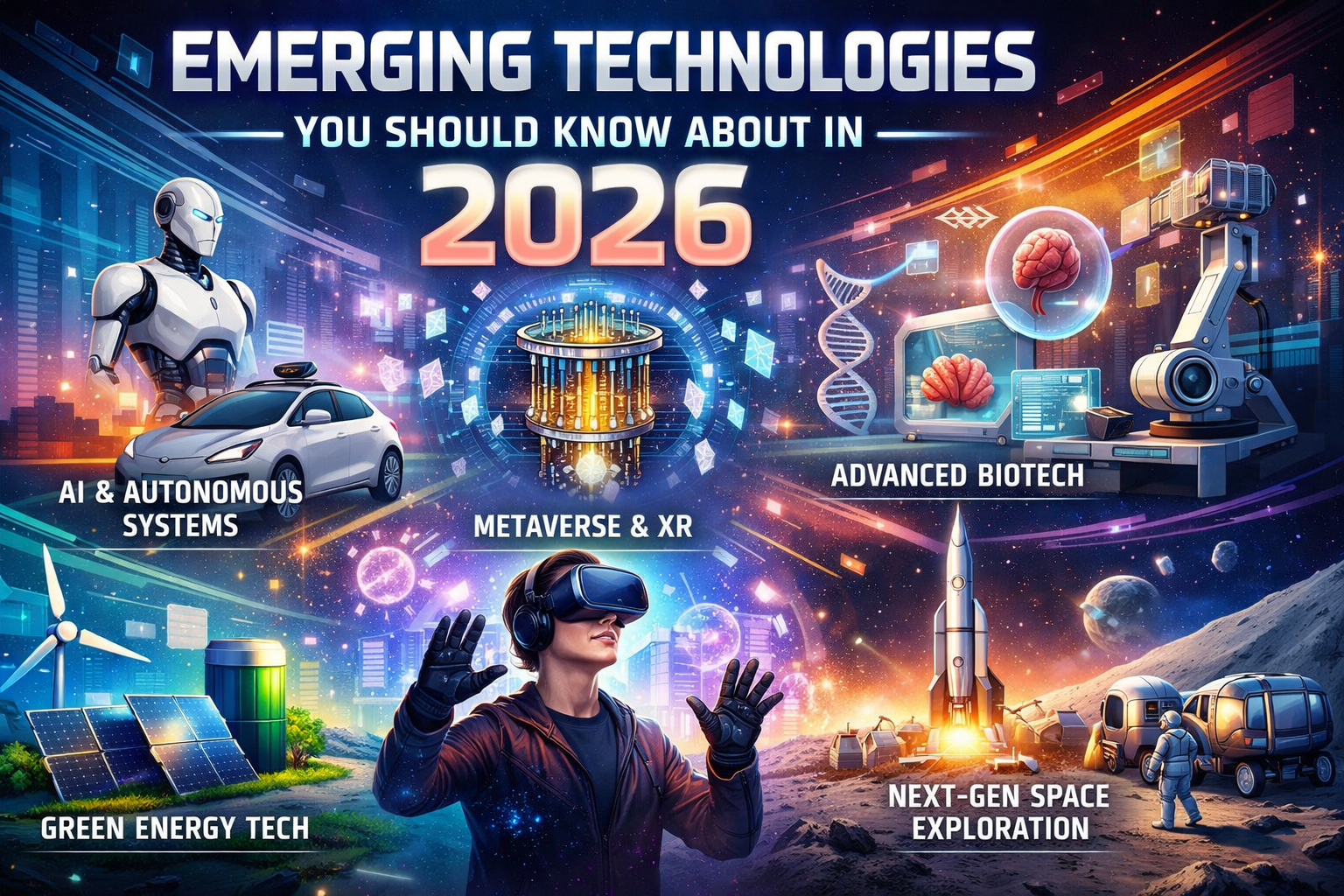
  • The Ultimate Guide to Emerging Technologies You Should Know About in 2026

    The Ultimate Guide to Emerging Technologies You Should Know About in 2026

    Welcome to 2026. We have officially crossed the threshold from an era of theoretical digital transformation into an age of practical, integrated, and ubiquitous technological wonder. The future tech trends we hypothesized about at the turn of the decade are no longer confined to the laboratory; they are actively reshaping our workplaces, homes, and communities.

    For business leaders, developers, and everyday citizens, staying informed about these technological advancements is no longer optional—it is essential for navigating a rapidly evolving global landscape. Whether it is artificial intelligence innovations streamlining our daily tasks or sustainable energy tech combating climate change, the tools of tomorrow are here today.

    In this comprehensive guide, we will explore the most critical emerging technologies you should know about in 2026. We will examine how they work, why they matter, and how they are creating a more inclusive, accessible, and connected world for everyone.

    If you are looking to catch up on how we got here, be sure to check out our Year-in-Review: The Tech that Defined 2025 before diving into what is next.


    Key Takeaways

    • Agentic AI has moved beyond conversational chatbots to autonomous systems capable of executing complex, multi-step workflows.
    • Spatial Computing is standardizing enterprise training, remote collaboration, and accessible education.
    • Solid-State Batteries are revolutionizing the electric vehicle (EV) market and renewable energy storage.
    • Quantum Commercialization is accelerating breakthroughs in material science and pharmaceutical drug discovery.
    • Neurotechnology is providing unprecedented accessibility solutions for individuals with motor and speech disabilities.

    1. Autonomous AI Agents: From Conversation to Action

    If the early 2020s were defined by generative AI that could write and create art, 2026 is defined by Agentic AI—systems that can do. We have transitioned from asking artificial intelligence to draft an email, to instructing an AI agent to manage an entire project workflow.

    What Are AI Agents?

    Unlike traditional generative AI models that wait for a human prompt to generate a single response, autonomous AI agents are goal-oriented. You provide the agent with a complex objective—such as, “Research the most cost-effective supply chain routes for our new product, contact the top three vendors, and schedule meetings with their representatives”—and the agent handles the intermediate steps. It browses the web, analyzes data, drafts communications, interacts with other software APIs, and manages the calendar without requiring step-by-step human intervention.

    Inclusivity and Accessibility in AI Workflows

    One of the most profound benefits of this artificial intelligence innovation is its democratizing effect. Agentic AI acts as a great equalizer in the workforce. Small business owners without the capital to hire massive administrative teams can now leverage AI agents to compete on a global scale. Furthermore, for individuals with cognitive or executive functioning challenges, AI agents serve as personalized digital assistants that help organize tasks, manage schedules, and break down complex projects into manageable actions.

    Interested in integrating these systems into your business? Read our comprehensive guide on Implementing Agentic AI in Enterprise Workflows.

    2. Spatial Computing and the Maturation of XR

    The term “metaverse” may have experienced a hype cycle, but the underlying technology—Spatial Computing and Extended Reality (XR)—has quietly matured into a robust, practical paradigm in 2026. Hardware has become lighter, more ergonomic, and significantly more affordable, moving from bulky headsets to sleek, inclusive wearables.

    Transforming the Enterprise and Education

    Spatial computing bridges the digital and physical worlds. In 2026, we are seeing widespread adoption across several key sectors:

    • Medical Training and Remote Surgery: Surgeons can now overlay 3D digital twins of a patient’s anatomy onto their physical body during operations. Medical students practice complex procedures in hyper-realistic, risk-free virtual environments.

    • Architectural and Urban Planning: City planners and architects walk through full-scale digital models of buildings and public spaces before a single brick is laid, allowing them to test for accessibility, environmental impact, and ergonomic design.

    • Accessible Education: Spatial computing is revolutionizing the classroom. Students who learn best visually or kinesthetically can interact with historical events, complex molecular structures, or distant planets. It offers equitable learning experiences for students regardless of their physical location or physical abilities.

    3. Solid-State Batteries and Next-Gen Energy Storage

    As the world intensifies its fight against climate change, sustainable energy tech has taken center stage. While solar and wind power generation have made massive strides, the bottleneck has always been storage. In 2026, Solid-State Batteries (SSBs) are breaking that bottleneck.

    The Shift from Lithium-Ion

    Traditional lithium-ion batteries use liquid electrolytes, which can be heavy, degrade over time, and pose flammability risks. Solid-state batteries replace this liquid with a solid material, resulting in a battery that is vastly superior.

    • Higher Energy Density: SSBs hold significantly more charge in a smaller, lighter package. This is a game-changer for electric vehicles (EVs), pushing standard ranges well past the 500-mile mark on a single charge and effectively eliminating range anxiety.
    • Faster Charging Times: These batteries can absorb energy at a much faster rate. Charging an EV or a home power wall now takes a fraction of the time it took just a few years ago.
    • Enhanced Safety and Longevity: Without the volatile liquid electrolyte, the risk of battery fires is practically eradicated, and the lifespan of the battery is doubled.

    This technological advancement is crucial for marginalized communities that are disproportionately affected by climate change and pollution. Cheaper, cleaner, and more efficient energy storage is paving the way for decentralized micro-grids, bringing reliable power to remote and underserved regions.

    To understand how your community can benefit, explore our resources on Transitioning to Smart Micro-Grids.

    4. The Commercial Dawn of Quantum Computing

    For decades, quantum computing was a theoretical physics concept confined to massive, super-cooled laboratories. By 2026, we have entered the era of practical, commercial quantum applications, often referred to as Quantum Utility.

    Solving the Unsolvable

    Classical computers process information in bits (0s and 1s). Quantum computers use qubits, which can exist in multiple states simultaneously thanks to the principles of superposition and entanglement. This allows them to process vast arrays of possibilities at once. While we don’t have quantum computers on our desks yet, businesses are accessing them via cloud networks to solve highly specific, incredibly complex problems:

    • Pharmaceutical Drug Discovery: Quantum algorithms are simulating molecular interactions at an unprecedented scale, drastically reducing the time and cost required to discover life-saving medications and personalized genetic therapies.
    • Advanced Material Science: Researchers are using quantum simulations to discover new, stronger, and lighter materials for aerospace engineering, as well as highly efficient catalysts for carbon capture technology.
    • Next-Generation Cryptography: As quantum computers become capable of breaking traditional encryption, the cybersecurity industry in 2026 is rapidly adopting Quantum Key Distribution (QKD) and post-quantum cryptography to secure sensitive global data.

    5. Non-Invasive Brain-Computer Interfaces (BCIs)

    One of the most human-centered technological advancements of 2026 is the rapid development of non-invasive Brain-Computer Interfaces (BCIs). While invasive implants have made headlines for specific medical interventions, non-invasive BCIs—often in the form of wearable headbands or earbuds—are now hitting the consumer market.

    A Leap Forward for Accessibility

    BCIs read the electrical signals produced by the brain and translate them into digital commands. The societal impact of this technology cannot be overstated, particularly regarding inclusivity:

    • Restoring Agency: For individuals with severe motor impairments, ALS, or spinal cord injuries, BCIs offer the ability to control smart home environments, operate wheelchairs, and communicate through digital interfaces using only their thoughts.
    • Hands-Free Computing: In industrial and enterprise settings, workers can navigate augmented reality menus or acknowledge safety alerts without needing to use their hands, drastically improving safety and efficiency in high-risk environments.
    • Mental Health and Neurofeedback: Advanced wearables are providing clinical-grade neurofeedback, helping individuals manage anxiety, ADHD, and sleep disorders by allowing them to visualize and actively train their brainwave states.

    6. Biotechnology: CRISPR 2.0 and Epigenetic Editing

    The biotechnology breakthroughs of 2026 are moving beyond basic gene editing into the realm of highly precise epigenetic regulation. While the original CRISPR-Cas9 technology allowed scientists to “cut and paste” DNA, it sometimes resulted in off-target effects. Today, we are utilizing “CRISPR 2.0” techniques like base editing and prime editing.

    Treating the Untreatable

    Instead of severing the DNA strand, these new technologies allow scientists to alter single letters of the genetic code or change how genes are expressed without altering the underlying DNA sequence at all (epigenetic editing).

    • Curative Therapies: We are seeing FDA and EMA approvals for single-dose genetic therapies that effectively cure previously debilitating inherited conditions, such as certain types of blindness, muscular dystrophies, and rare blood disorders.
    • Agricultural Resilience: With global food security threatened by changing climates, precision biotechnology is being used to engineer crop varieties that are naturally resistant to drought, pests, and extreme temperatures, ensuring a more stable and equitable global food supply.

    7. The Rollout of 6G Networks

    While 5G networks are finally reaching their full global saturation point, 2026 marks the year where the infrastructure for 6G is actively being laid down and tested in major metropolitan hubs.

    Beyond Connectivity: Sentient Networks

    6G operates at terahertz frequencies, promising speeds up to 100 times faster than 5G. However, 6G is not just about faster download speeds; it is about creating a “sentient network.”

    • Integrated Sensing and Communication (ISAC): 6G networks use radio waves not just to transmit data, but to map the physical environment. The cellular network itself acts as a massive radar system, enabling highly precise autonomous vehicle navigation and smart city management without relying solely on individual sensors.
    • Haptic Internet: The ultra-low latency of 6G (virtually zero) enables the “Internet of Senses.” Remote operators can feel tactile feedback in real-time, making remote robotic surgery or hazardous materials handling incredibly precise.

    Learn more about upgrading your enterprise infrastructure in our Networking Solutions Hub.


    How to Prepare for the 2026 Tech Landscape

    The sheer volume of emerging technologies in 2026 can feel overwhelming. However, adapting to this digital transformation does not require you to become an expert in quantum physics or molecular biology. Here are actionable steps to future-proof your career and business:

    1. Prioritize Continuous Learning: The half-life of technical skills is shorter than ever. Invest in micro-credentials and online courses. Focus on adaptability and critical thinking rather than rote memorization.
    2. Audit for AI Integration: Look at your daily workflows. Identify repetitive, rule-based tasks and begin testing autonomous AI agents to handle them. Start small, measure the efficiency gains, and scale up.
    3. Invest in Cybersecurity: With the rise of AI-driven cyber threats and the looming shadow of quantum computing, upgrading your cybersecurity posture from reactive to proactive is non-negotiable. Zero-trust architectures are now the baseline standard.
    4. Adopt Human-Centered Design: As you integrate new technologies, always ask: How does this impact the user? Does this technology exclude anyone? Ensure that any new software or hardware adopted by your organization meets rigorous accessibility standards.

    Conclusion

    The year 2026 is a testament to human ingenuity. The emerging technologies we are experiencing today—from the invisible power of quantum algorithms to the deeply personal assistance of neurotechnology and AI agents—are fundamentally redefining what is possible.

    The goal of these technological advancements is not to replace human effort, but to elevate it. By automating the mundane, curing the incurable, and connecting the unconnected, these innovations allow us to focus on what truly matters: creativity, empathy, and building a more equitable future for global society. As we continue to navigate this digital transformation, staying informed and adaptable will be our greatest assets.


    Frequently Asked Questions (FAQ)

    Q1: What is the difference between Generative AI and Agentic AI?

    A: Generative AI focuses on creating content (text, images, code) based on a human prompt. It is essentially a highly advanced tool. Agentic AI, prevalent in 2026, is goal-oriented. You give an Agentic AI an objective, and it autonomously plans, executes, and adapts the necessary steps to achieve that goal without needing a human to prompt every single action.

    Q2: Is quantum computing a threat to current cybersecurity?

    A: Eventually, yes, but not immediately. Quantum computers have the theoretical capability to break RSA encryption (the standard encryption for internet security). However, in 2026, the tech industry is already deep into the transition toward “post-quantum cryptography.” These are new cryptographic standards specifically designed to be secure against both classical and quantum computer attacks.

    Q3: Are Solid-State Batteries entirely safe?

    A: While no technology is 100% immune to failure, Solid-State Batteries represent a massive leap in safety over lithium-ion batteries. Because they do not contain a flammable liquid electrolyte, the risk of thermal runaway (battery fires) is drastically reduced, making them significantly safer for consumer electronics, EVs, and large-scale energy storage.

    Q4: How does Spatial Computing differ from Virtual Reality (VR)?

    A: Virtual Reality completely immerses you in a fabricated digital environment, cutting you off from the physical world. Spatial Computing (often grouped with Mixed Reality) seamlessly blends digital elements into your actual physical space. It maps your room and allows digital objects to interact with physical ones, enabling you to remain present and engaged with your actual surroundings while computing.

    Q5: Will 6G replace Wi-Fi?

    A: No. Historically, cellular networks and Wi-Fi have evolved in tandem to complement each other. While 6G will provide incredibly fast, ubiquitous connectivity outdoors and in major infrastructure, next-generation Wi-Fi (like Wi-Fi 8) will continue to be the standard for localized, high-capacity indoor networks in homes and closed enterprise environments.

    Q6: What are the ethical concerns surrounding Brain-Computer Interfaces (BCIs)?

    A: As BCIs move into the consumer market, the primary ethical concerns revolve around “neurorights” and mental privacy. Questions include: Who owns the brainwave data collected by these devices? How is it stored, and can it be monetized? In 2026, policymakers and tech ethicists are working urgently to establish legal frameworks to protect users’ neurological data from being exploited by third-party corporations.


    External References and Further Reading

    To continue exploring the technologies shaping 2026, we recommend the following authoritative resources:

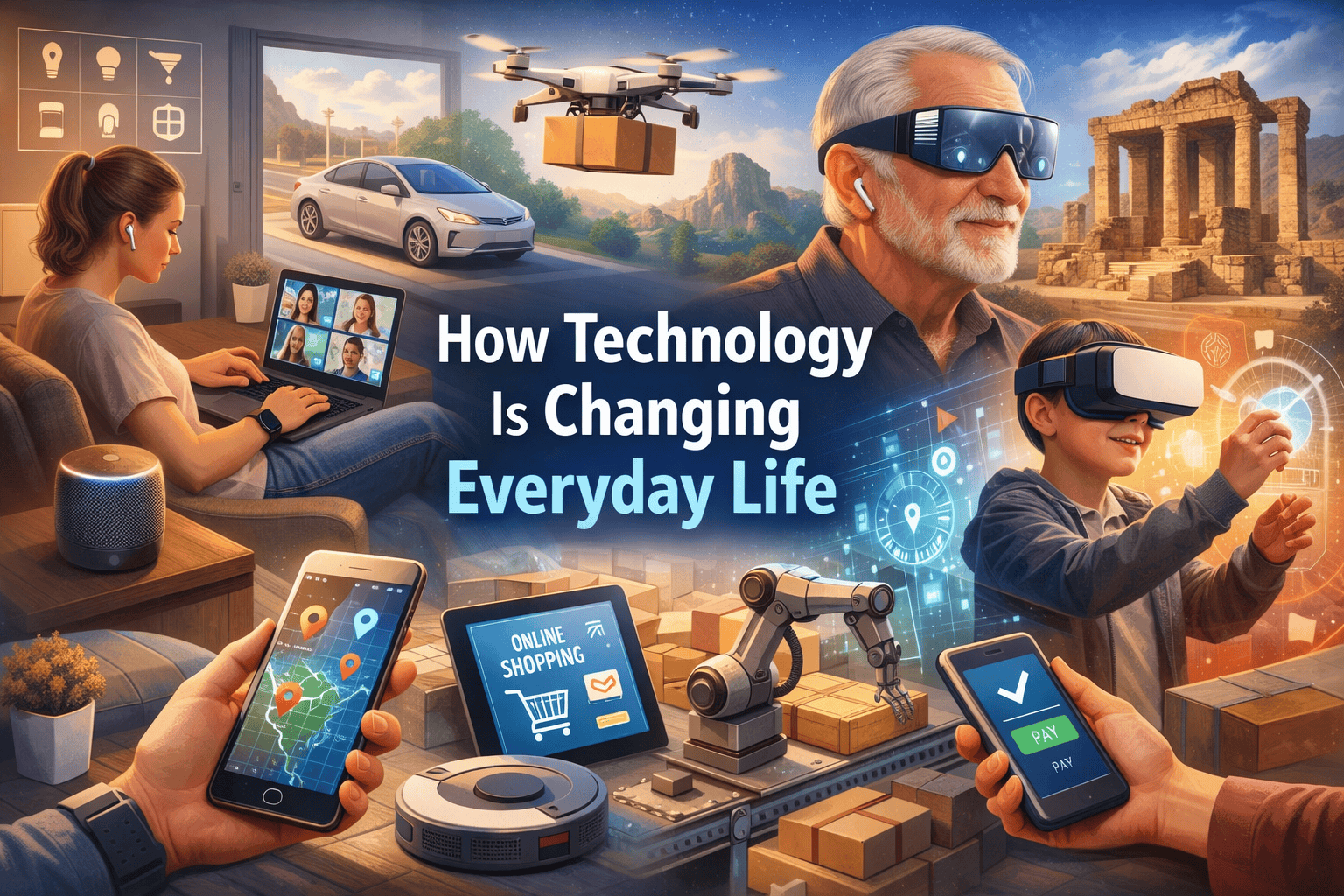
  • How Technology Is Changing Everyday Life: A Comprehensive Guide to Our Digital Future

    How Technology Is Changing Everyday Life: A Comprehensive Guide to Our Digital Future

    From the moment our smartphone alarms wake us up to the AI-curated algorithms that help us wind down with evening entertainment, the question isn’t if technology impacts us, but rather how deeply it weaves into our daily routines. The digital transformation of society has moved beyond mere convenience; it is fundamentally altering human behavior, redefining global connectivity, and reshaping the very fabric of our everyday lives.

    Whether you are a digital native who grew up with a tablet in hand or someone adapting to the rapid pace of modern innovation, understanding how technology is changing everyday life is crucial for navigating the modern world. In this comprehensive guide, we will explore the profound technological advancements driving this shift, examining everything from smart home devices and the future of remote work to wearable health tech and the evolution of digital education.


    1. The Digital Transformation of the Modern Household: Enter the Smart Home

    A decade ago, the concept of a “smart home” felt like science fiction. Today, the Internet of Things (IoT) has turned our living spaces into interconnected ecosystems designed to optimize comfort, security, and energy efficiency.

    Automating Daily Routines

    At the heart of the modern smart home are centralized hubs and voice assistants. Devices like smart speakers allow individuals to control lighting, adjust thermostats, and manage household schedules using simple voice commands. This level of automation is not just about luxury; it represents a monumental leap in accessibility. For older adults or individuals with mobility challenges, voice-activated technology provides newfound independence, allowing them to manage their environment without physical strain.

    Energy Efficiency and Sustainability

    Climate change and environmental awareness have pushed technology to prioritize sustainability. Smart thermostats learn our daily habits, adjusting heating and cooling systems to conserve energy when no one is home. Smart appliances—from refrigerators to washing machines—can now operate during off-peak energy hours, reducing both carbon footprints and utility bills. This integration of eco-friendly tech demonstrates how artificial intelligence in daily life can contribute to broader global sustainability goals.

    Enhanced Security Systems

    Home security has evolved from simple alarms to sophisticated, AI-driven surveillance networks. High-definition smart cameras, video doorbells, and motion sensors provide real-time alerts directly to our smartphones, regardless of where we are in the world. Modern systems can even differentiate between a passing car, a stray animal, and a potential intruder, minimizing false alarms and providing peace of mind.

    [Internal Link: Curious about upgrading your space? Read our beginner’s guide to building a smart home ecosystem.]


    2. Redefining the Workplace: Remote Work Trends and the Hybrid Ecosystem

    Perhaps nowhere is the impact of technology more evident than in how we earn a living. The traditional 9-to-5 cubicle model is rapidly making way for flexible, digital-first work environments.

    The Rise of Remote Collaboration

    High-speed internet, cloud computing, and advanced communication platforms have decoupled work from physical office spaces. Video conferencing software and asynchronous project management tools enable global teams to collaborate seamlessly across different time zones. This shift has democratized the workforce, allowing companies to hire top talent regardless of geographical location and giving employees the flexibility to design work-lives that suit their personal needs.

    Artificial Intelligence as the New Co-Worker

    Artificial intelligence is no longer looming on the horizon; it is sitting at the desk next to us. Generative AI tools are automating repetitive administrative tasks, drafting emails, analyzing massive datasets, and even writing code. Far from replacing human workers entirely, these tools are acting as digital assistants, freeing up human professionals to focus on creative problem-solving, strategic planning, and emotionally intelligent leadership.

    The Challenge of the “Always-On” Culture

    However, this technological advancement comes with caveats. The ability to work from anywhere often translates to the expectation of working from everywhere. The blurring of boundaries between professional and personal life has led to an increase in digital burnout. As we navigate the future of technology in the workplace, establishing healthy digital boundaries and promoting the “right to disconnect” will be just as important as the software we use to connect.

    [Internal Link: Discover strategies for maintaining work-life balance in a remote work environment.]


    3. Healthcare at Our Fingertips: Wearables and Telemedicine

    The intersection of technology and healthcare is shifting the medical paradigm from reactive treatments to proactive, personalized wellness.

    The Telemedicine Revolution

    Telehealth has dismantled geographical barriers to healthcare access. Through secure video links, patients can now consult with specialists located hundreds or thousands of miles away. This is particularly life-changing for individuals in rural communities or those with chronic illnesses who find frequent hospital visits physically or financially taxing. Digital prescriptions, virtual therapy sessions, and remote triage are making healthcare more inclusive and responsive.

    Wearable Health Tech: The Quantified Self

    Smartwatches and fitness trackers have evolved from simple step-counters to sophisticated medical monitors. Today’s wearable health tech can track heart rate variability, blood oxygen levels, sleep architecture, and even detect irregular heartbeats (like atrial fibrillation). By providing a continuous stream of biometric data, these devices empower individuals to take charge of their health. They also provide physicians with a more comprehensive view of a patient’s well-being than a standard bi-annual checkup ever could.

    Personalized Medicine and AI Diagnostics

    Behind the scenes, machine learning algorithms are revolutionizing medical research and diagnostics. AI can analyze complex medical imagery—such as MRIs and X-rays—with incredible speed and accuracy, often catching early signs of disease that the human eye might miss. Furthermore, genomic sequencing technology is paving the way for personalized medicine, where treatments and pharmaceuticals are tailored to the specific genetic makeup of the individual, drastically improving efficacy and reducing side effects.


    4. Moving Forward: The Future of Transportation and Mobility

    How we move from point A to point B is undergoing a radical transformation, driven by the urgent need to reduce emissions and the rapid advancement of autonomous systems.

    The Electric Vehicle (EV) Boom

    The transition from internal combustion engines to electric vehicles is one of the most visible technological shifts of the decade. Advances in lithium-ion battery technology have significantly increased the range of EVs while driving down costs. Accompanied by a growing global infrastructure of fast-charging stations, EVs are becoming a practical, everyday reality for millions of commuters, directly impacting our daily carbon footprint.

    Autonomous and Connected Vehicles

    Self-driving technology is gradually moving from testing facilities to public roads. While fully autonomous, steering-wheel-less cars are still navigating regulatory and technical hurdles, advanced driver-assistance systems (ADAS) are already commonplace. Features like adaptive cruise control, lane-keeping assist, and automatic emergency braking are utilizing sensors, radar, and cameras to make our daily commutes safer and less stressful.

    Micro-Mobility and Urban Planning

    Technology is also reshaping urban transit through micro-mobility solutions. App-based electric scooters and bike-sharing programs provide efficient “last-mile” transportation, reducing traffic congestion in densely populated cities. Furthermore, GPS and real-time transit data integrated into our smartphones allow individuals to navigate public transportation with unprecedented ease, encouraging more sustainable commuting habits.

    [Internal Link: Read more about how smart cities are utilizing data to improve urban living.]


    5. Education Without Borders: E-Learning and Lifelong Development

    The traditional classroom is expanding beyond four physical walls. The impact of technology on society is profoundly visible in how we acquire knowledge, share information, and develop new skills.

    The Democratization of Knowledge

    Online learning platforms and Massive Open Online Courses (MOOCs) have made world-class education accessible to anyone with an internet connection. Whether someone wants to learn a new coding language, understand ancient history, or develop leadership skills, the barrier to entry has never been lower. This democratization is vital in a rapidly changing economy where lifelong learning and continuous reskilling are necessary to stay competitive.

    Immersive Learning: VR and AR in the Classroom

    Virtual Reality (VR) and Augmented Reality (AR) are turning abstract concepts into tangible experiences. Medical students can practice complex surgeries in risk-free virtual environments. History students can take virtual field trips to ancient Rome, while engineering students can interact with 3D models of complex machinery. By engaging multiple senses, these immersive technologies cater to diverse learning styles and improve knowledge retention.

    AI-Powered Personalization

    Just as personalized medicine treats the individual, AI in education aims to personalize the learning journey. Intelligent tutoring systems can adapt to a student’s pace, identifying areas where they struggle and providing customized exercises to reinforce those specific concepts. This tailored approach ensures that advanced students remain engaged while providing crucial support to those who need extra time to master a subject.


    6. Rethinking Entertainment and Social Connection

    Technology has not only changed how we work and learn; it has completely overhauled how we relax, consume media, and connect with our communities.

    The Streaming Revolution

    The days of scheduling our evenings around television guides or visiting video rental stores are long gone. On-demand streaming services use sophisticated algorithms to analyze our viewing habits, serving up highly personalized recommendations. This shift has led to the rise of binge-watching culture and transformed the dynamics of the entertainment industry, with technology companies becoming some of the largest producers of original film and television content

    Social Media and the Global Village

    Social networking platforms have transformed how we maintain relationships and build communities. They allow us to stay connected with family across the globe, find niche communities of like-minded individuals, and mobilize social movements at lightning speed. However, this hyper-connectivity requires mindful navigation. The curation of perfect online lives can impact mental health, and the algorithms designed to maximize user engagement often create echo chambers that polarize public discourse.

    The Evolution of Gaming

    Video gaming has evolved from a solitary, pixelated pastime into a massive, interconnected cultural phenomenon. Cloud gaming allows individuals to play high-fidelity games on basic devices without expensive hardware. Furthermore, multiplayer online games and e-sports have become massive social hubs where millions gather not just to play, but to converse, collaborate, and form lasting friendships.

    [Internal Link: Explore our deep dive into the psychological effects of social media algorithms.]


    7. The Financial Landscape: FinTech and Digital Economies

    The way we manage, spend, and invest our money has been completely digitized, stripping away the friction of traditional banking.

    Cashless Societies and Mobile Payments

    Physical wallets are increasingly being replaced by digital ones. Mobile payment applications, powered by near-field communication (NFC) technology, allow for instant, secure transactions with a tap of a smartphone or smartwatch. Peer-to-peer payment apps have made splitting bills or sending money to friends seamless, accelerating the global shift toward truly cashless societies.

    Democratized Investing

    Historically, stock market investing was gated by high broker fees and a lack of accessible information. Today, micro-investing apps and robo-advisors use algorithms to manage portfolios based on an individual’s risk tolerance. This has opened up wealth-building opportunities to younger generations and lower-income demographics who were previously excluded from traditional financial markets.

    The Blockchain and Decentralization

    While still highly volatile, cryptocurrency and blockchain technology represent a fundamental rethinking of trust and digital ownership. Beyond just digital currency, the underlying blockchain technology offers secure, transparent ledgers that have the potential to revolutionize supply chain management, digital identity verification, and secure voting systems in the future.


    8. Navigating the Challenges: The Ethical Implications of Tech

    While celebrating technological advancements, it is crucial to address the ethical challenges and societal frictions they create. Acknowledging these issues is essential for shaping a future that benefits everyone.

    The Digital Divide

    Not everyone is experiencing this digital transformation equally. The “digital divide” refers to the gap between those who have access to modern information and communications technology and those who do not. Factors such as income, geography, and education can limit access to high-speed internet and reliable devices. Addressing this inequality is critical; without equitable access, technology threatens to widen existing socioeconomic disparities rather than close them.

    Data Privacy and Security

    As our daily lives become increasingly digitized, we generate a massive digital footprint. Every online purchase, web search, and GPS movement is data that is collected, analyzed, and often sold. Navigating the future requires robust conversations and legislation regarding data privacy. Individuals must become more literate in cybersecurity, utilizing multi-factor authentication and understanding the terms of service they agree to.

    The Impact on Human Interaction

    While technology connects us globally, it can sometimes isolate us locally. The phenomenon of “phubbing” (snubbing someone in favor of a mobile phone) and the reduction of face-to-face interactions can impact our capacity for deep empathy and active listening. Finding a balance—leveraging technology to enhance our lives without allowing it to replace genuine, in-person human connection—remains one of our greatest modern challenges.


    Conclusion: Embracing the Digital Tomorrow

    The story of how technology is changing everyday life is an ongoing narrative. We are living in a transitional era where the boundaries between the physical and digital worlds are continuously blurring. From the smart thermostats that warm our homes to the wearable health tech that monitors our vital signs, these innovations are tools designed to augment human capability.

    However, technology is merely a mirror reflecting our priorities. As we move forward into an increasingly automated and AI-driven future, the goal should not be technological advancement for the sake of it. Instead, we must focus on intentional, inclusive innovation. By championing accessibility, protecting digital privacy, and prioritizing human well-being, we can ensure that the technology of tomorrow creates a more connected, healthy, and equitable world for everyone.


    Frequently Asked Questions (FAQ)

    1. What are the negative effects of technology on daily life?

    While technology offers immense benefits, negative effects can include digital eye strain, decreased physical activity due to sedentary screen time, privacy vulnerabilities, and mental health challenges related to social media comparison and digital burnout. Maintaining digital boundaries and practicing mindful tech consumption can mitigate these issues.

    2. How is artificial intelligence used in everyday life today?

    AI is deeply integrated into daily routines. It powers the voice assistants in smart home devices, curates the recommendations on streaming services, filters spam from email inboxes, provides predictive text on smartphones, and optimizes navigation routes on GPS applications.

    3. Will automation and AI completely replace human jobs?

    While AI and automation are phasing out certain repetitive and manual tasks, they are concurrently creating new industries and roles. The future of work is likely a collaborative one, where humans leverage AI tools to enhance productivity, requiring a shift toward skills like emotional intelligence, complex problem solving, and technological literacy.

    4. What is the “Internet of Things” (IoT)?

    The Internet of Things refers to the network of physical objects—”things”—embedded with sensors, software, and other technologies that connect and exchange data with other devices and systems over the internet. Examples include smart refrigerators, fitness trackers, and internet-connected security cameras.

    5. How can I protect my privacy in a highly technological world?

    To protect digital privacy, use strong, unique passwords combined with two-factor authentication (2FA). Regularly review privacy settings on social media and applications, be cautious about the personal information you share on public Wi-Fi networks, and consider using reputable VPNs and privacy-focused web browsers.


    Reference Links

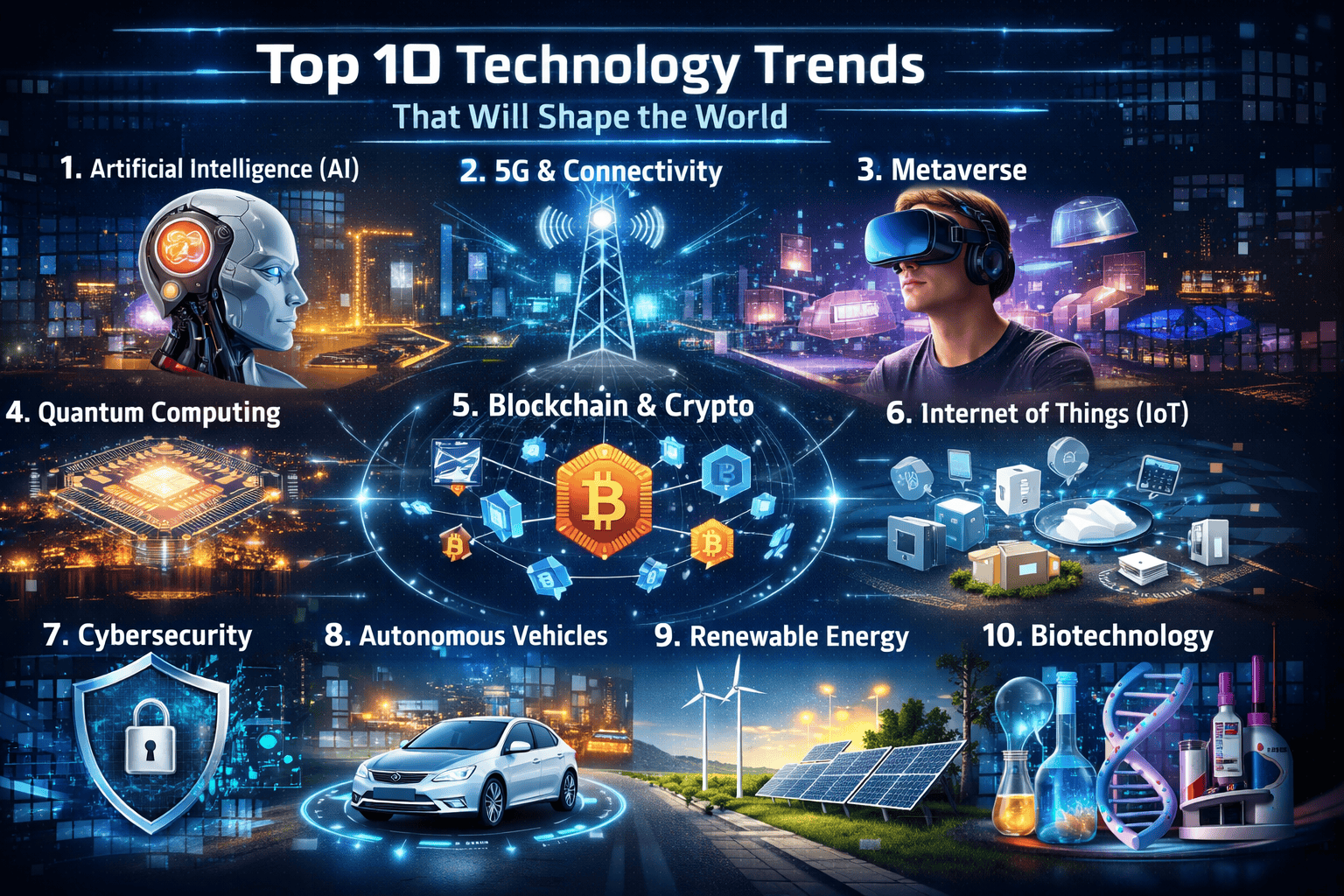
  • The Future is Now: Top 10 Technology Trends That Will Shape the World

    The Future is Now: Top 10 Technology Trends That Will Shape the World

    The pace of technological advancement has never been faster. We are standing on the brink of a technological revolution that will fundamentally alter the way we live, work, and relate to one another. For business leaders, developers, and everyday individuals alike, understanding these shifts is no longer optional—it is a necessity for navigating the digital transformation of our society.

    As we look toward the horizon, emerging technologies are converging to create unprecedented opportunities. From the cognitive leaps in artificial intelligence to the foundational shifts in data privacy and decentralized networks, the tech ecosystem is undergoing a massive paradigm shift.

    In this comprehensive guide, we will explore the top 10 technology trends that will shape the world in the coming years. Whether you are looking to future-proof your career, optimize your business strategies, or simply understand the digital ecosystem, these are the technological advancements you need to watch.


    1. Generative AI and Decentralized Artificial Intelligence

    Artificial Intelligence (AI) is no longer a distant sci-fi concept; it is the foundational layer of modern digital infrastructure. However, the next major leap isn’t just about making large language models (LLMs) smarter—it is about how we generate, govern, and distribute AI capabilities.

    The Evolution of Generative Models

    Generative AI has democratized digital content creation, allowing anyone to generate high-fidelity images, cinematic videos, and complex code with simple natural language prompts. This is radically transforming creative industries, marketing, and software development, allowing for rapid prototyping and unprecedented personalization.

    The Rise of Decentralized AI

    As AI becomes more powerful, the concentration of computing power in the hands of a few tech giants poses a risk. Enter decentralized AI networks. We are seeing a surge in platforms that allow communities to contribute computing power and data to train AI models collaboratively. By utilizing decentralized infrastructures to train agents and process data, the tech community is building a more equitable, transparent, and censorship-resistant AI ecosystem. This ensures that AI agents can operate autonomously while retaining verifiable and unbiased data sources.

    [Internal Link: Read our in-depth guide on the evolution of Generative AI and its impact on content creation here.]

    2. Web3 and High-Performance Blockchain Architectures

    The conversation around blockchain has matured far beyond simple cryptocurrency speculation. Today, Web3 represents a fundamental restructuring of the internet, moving from centralized platforms to decentralized, user-owned networks.

    Overcoming the Scalability Trilemma

    Historically, blockchains struggled with scalability, forcing developers to choose between security, decentralization, and speed. Now, a new generation of high-performance blockchains and Layer-2 scaling solutions are breaking these barriers. Utilizing advanced execution environments and localized state management, these networks can process hundreds of thousands of transactions per second with sub-millisecond latency.

    The Impact on Digital Ownership

    This massive increase in throughput enables real-time, on-chain applications that were previously impossible. From complex decentralized finance (DeFi) protocols to fully on-chain gaming and decentralized physical infrastructure networks (DePIN), high-performance blockchains are providing the robust, frictionless infrastructure needed for the mass adoption of digital ownership and smart contracts.

    3. Edge Computing and the Intelligent IoT

    The Internet of Things (IoT) has connected billions of devices, but sending all that data back to a centralized cloud for processing creates latency, consumes massive bandwidth, and raises privacy concerns. The solution is edge computing.

    Processing at the Source

    Edge computing pushes data processing and storage closer to the source of data generation—the “edge” of the network. Whether it is an autonomous vehicle making split-second braking decisions, a smart factory monitoring assembly line robotics, or a wearable health device analyzing vital signs, edge computing ensures real-time responsiveness.

    Synergy with AI

    When you combine edge computing with AI (Edge AI), devices become incredibly autonomous. They no longer need a constant internet connection to recognize patterns or make decisions. This trend is crucial for building smart cities, resilient supply chains, and advanced mobile applications where low latency is non-negotiable.

    4. Privacy-Enhancing Computation and Advanced Cryptography

    As our lives become increasingly digital, data privacy has emerged as a fundamental human right. However, businesses and researchers still need to analyze large datasets to build better products and advance scientific discoveries. Privacy-Enhancing Computation (PEC) solves this paradox.

    Fully Homomorphic Encryption (FHE)

    One of the most exciting breakthroughs in this space is Fully Homomorphic Encryption. FHE allows data to be processed and analyzed while it remains encrypted. This means a healthcare provider could send encrypted patient data to a cloud-based AI for analysis, and the AI could return encrypted results without ever “seeing” the actual health records.

    Zero-Knowledge Proofs (ZKPs)

    Similarly, Zero-Knowledge Proofs allow one party to prove to another that a statement is true without revealing any information beyond the validity of the statement itself. These cryptographic advancements are paramount for the future of digital identity, secure voting systems, and confidential business analytics, ensuring that user data remains entirely secure.

    [Internal Link: Discover how zero-knowledge technology is transforming decentralized identity and security.]

    5. Extended Reality (XR) and Spatial Computing

    Extended Reality (XR)—an umbrella term encompassing Virtual Reality (VR), Augmented Reality (AR), and Mixed Reality (MR)—is fundamentally changing how we interact with digital environments. We are moving away from flat screens and entering the era of spatial computing.

    Blending the Physical and Digital

    Spatial computing seamlessly blends digital content with the physical world. With the advent of advanced headsets and smart glasses, users can overlay digital interfaces onto their physical surroundings. This has profound implications for industries like architecture, where designers can walk through a 3D hologram of a building before construction begins, or healthcare, where surgeons can view overlaid patient vitals and anatomical guides during complex procedures.

    The Future of Remote Collaboration

    For the modern workforce, XR offers a solution to the limitations of video conferencing. Immersive virtual workspaces allow globally distributed teams to collaborate on 3D models, brainstorm on infinite virtual whiteboards, and experience a sense of shared presence that 2D screens simply cannot replicate.

    6. Quantum Computing: The Next Computational Paradigm

    While classical computers process information in bits (0s and 1s), quantum computers use quantum bits, or qubits. Through the principles of superposition and entanglement, quantum computers can perform complex calculations at speeds that are exponentially faster than today’s most powerful supercomputers.

    Solving the Unsolvable

    Quantum computing is not going to replace your laptop; rather, it is designed to solve specific, highly complex problems that are currently impossible for classical systems. This includes simulating molecular structures for rapid drug discovery, optimizing global logistics networks to reduce carbon emissions, and developing new, highly efficient materials for battery storage.

    The Cryptographic Threat and Opportunity

    It is important to note that quantum computing also poses a theoretical threat to current encryption standards. Consequently, another massive trend within this space is the development of “post-quantum cryptography”—creating new cryptographic algorithms that are secure against quantum attacks, ensuring the digital economy remains safe in the future.

    7. Sustainable Technology and Climate Tech

    In the face of global climate change, technology must be part of the solution. Sustainable technology refers to innovations designed to reduce environmental degradation and promote ecological balance.

    The Green Tech Ecosystem

    This trend encompasses a wide array of developments. We are seeing AI utilized to optimize energy grids and reduce waste in manufacturing. Breakthroughs in materials science are leading to more efficient solar panels and next-generation solid-state batteries that could revolutionize electric vehicles.

    ESG and Circular Economies

    Furthermore, businesses are increasingly adopting technologies to track and report their Environmental, Social, and Governance (ESG) metrics. Blockchain technology is being deployed to create transparent supply chains, allowing consumers to verify the ethical sourcing of products and supporting the transition toward a circular economy where waste is minimized and resources are continuously repurposed.

    8. Biotechnology and Precision Medicine

    The intersection of technology and biology is unlocking unprecedented advancements in human health. We are moving away from a “one-size-fits-all” approach to healthcare and entering an era of highly personalized, proactive medicine.

    Gene Editing and CRISPR

    Technologies like CRISPR-Cas9 allow scientists to edit DNA with incredible precision. This has the potential to cure genetic diseases, create disease-resistant crops, and develop highly targeted therapies for cancer.

    Wearables and Digital Biomarkers

    On a consumer level, the proliferation of advanced wearable health technology means individuals have access to clinical-grade health data on their wrists. Machine learning algorithms can analyze these continuous data streams (digital biomarkers) to detect anomalies—such as irregular heartbeats or sleep apnea—long before physical symptoms manifest, enabling early intervention and preventive care.

    9. Autonomous Systems and Advanced Robotics

    Robotics has long been a staple of manufacturing, but today’s robots are no longer confined to safety cages on factory floors. Powered by computer vision, AI, and edge computing, modern robots are highly autonomous and capable of operating safely alongside human workers.

    Redefining the Supply Chain

    Autonomous mobile robots (AMRs) are transforming logistics, seamlessly navigating warehouses to fulfill orders with incredible speed. In the broader world, we are witnessing the gradual but steady rollout of autonomous delivery drones and self-driving commercial fleets, which promise to radically improve the efficiency and safety of global supply chains.

    Collaborative Robots (Cobots)

    In the workplace, the focus is on “cobots”—collaborative robots designed to assist humans rather than replace them. By handling physically demanding, repetitive, or dangerous tasks, cobots free up human workers to focus on complex problem-solving, strategic planning, and creative endeavors.

    10. 5G Advanced and the Dawn of 6G Connectivity

    None of the aforementioned trends—from edge computing to autonomous vehicles—can function without robust, high-speed, and reliable connectivity. The global rollout of 5G has provided the bandwidth and low latency required for these technologies to flourish.

    The Capabilities of 5G Advanced

    As 5G networks mature, we are entering the phase of “5G Advanced,” which offers even greater capacity, better energy efficiency, and enhanced positioning accuracy. This is critical for supporting massive IoT deployments in smart cities and ensuring the seamless operation of industrial automation.

    Looking Toward 6G

    Even as 5G expands, the telecommunications industry is already defining the standards for 6G. Anticipated for commercial rollout in the early 2030s, 6G is expected to integrate sensing capabilities directly into the network and provide microsecond latency. This will enable applications we can scarcely imagine today, such as highly realistic holographic communications and true brain-computer interfaces.


    Conclusion: Embracing the Digital Transformation

    The top 10 technology trends outlined above do not exist in isolation; they are deeply interconnected. AI empowers advanced robotics; 5G enables edge computing; and Web3 infrastructure utilizes advanced cryptography to secure the entire ecosystem.

    As these emerging technologies continue to evolve, they will demand adaptability from both organizations and individuals. The future belongs to those who view technological advancement not as a threat, but as an expansive toolkit for solving complex problems, building equitable systems, and enhancing the human experience. By staying informed and open to digital transformation, we can actively participate in shaping a world that is more connected, sustainable, and prosperous for everyone.

    [Internal Link: Explore our services to see how we can help your business integrate these emerging technologies.]


    Frequently Asked Questions (FAQ)

    1. What is the difference between AI and Generative AI?

    Traditional Artificial Intelligence is primarily analytical—it is trained on data to recognize patterns, make predictions, or classify information (e.g., a spam filter). Generative AI, utilizing large language models and neural networks, goes a step further by creating entirely new, original content—such as text, images, video, or code—based on the patterns it has learned.

    2. How will decentralized tech and Web3 affect everyday internet users?

    Web3 aims to shift power away from centralized tech monopolies back to the users. For the everyday user, this could mean true ownership of digital assets (like in-game items or digital art), improved privacy since you control your own data, and the ability to interact with financial services without relying on traditional banks as intermediaries.

    3. Is Quantum Computing a threat to my current passwords and data?

    Eventually, yes, but not immediately. Quantum computers possess the potential to break current RSA encryption methods. However, the technology is still in its infancy. In preparation, the cybersecurity industry and government agencies are already actively developing and standardizing “post-quantum cryptography” to ensure digital security remains intact before quantum computing becomes mainstream.

    4. Will autonomous robots and AI take away human jobs?

    Technological shifts inevitably disrupt the labor market. While AI and robotics will automate routine, repetitive, and dangerous tasks, they are also expected to create new categories of jobs focused on AI management, tech ethics, robotics maintenance, and creative strategy. The consensus among experts is that AI will augment human capabilities rather than completely replace the workforce, making continuous learning and upskilling vital.

    5. How does technology contribute to sustainability?

    Technology plays a dual role in sustainability. While the tech industry itself must work to reduce its carbon footprint (e.g., through energy-efficient data centers), green technologies are crucial for fighting climate change. Innovations include smart grid software that optimizes renewable energy distribution, AI that helps farmers reduce water usage, and advanced materials that make electric vehicle batteries more efficient and recyclable.

    6. What exactly is Edge Computing?

    Imagine you touch a hot stove; your hand pulls away instantly because the reflex is processed in your spinal cord, not your brain. Edge computing works similarly. Instead of sending data from a smart device all the way to a distant cloud server for processing (which takes time), the data is processed locally, “at the edge” of the network, right where it is generated. This is essential for applications requiring instant reaction times, like self-driving cars.


    References & Further Reading

  • The Future of Technology: What to Expect in the Next 10 Years

    The Future of Technology: What to Expect in the Next 10 Years

    Introduction

    Technology is evolving at a pace that can feel both exciting and overwhelming. From artificial intelligence reshaping industries to breakthroughs in healthcare, transportation, and communication, the next decade promises to redefine how we live, work, and connect.

    But what does the future really look like? Will robots replace jobs? Will cities become fully smart? Can technology solve global challenges like climate change?

    In this in-depth guide, we explore what to expect in the next 10 years of technological innovation, breaking down key trends, real-world impacts, and what it means for individuals, businesses, and society.


    1. Artificial Intelligence Will Become Everywhere

    Artificial Intelligence (AI) is already part of daily life—from recommendation systems to voice assistants. Over the next decade, AI will move from being a helpful tool to becoming an essential layer of everyday systems.

    Key Developments:

    • AI-powered personal assistants will become more human-like
    • Businesses will rely on AI for decision-making
    • Automation will transform repetitive tasks
    • AI in education will personalize learning experiences

    Real Impact:

    AI won’t just replace jobs—it will change how jobs are done. Humans will increasingly collaborate with AI rather than compete with it.


    2. The Rise of Quantum Computing

    Quantum computing is still in its early stages, but within 10 years, it could revolutionize problem-solving in ways classical computers cannot.

    What It Means:

    • Faster drug discovery
    • Advanced climate modeling
    • Breakthroughs in cryptography

    Challenges:

    • High cost
    • Limited accessibility
    • Technical complexity

    Despite these challenges, quantum computing could become a game-changer for science and industry.


    3. 5G and Beyond: The Hyperconnected World

    With 5G already rolling out globally, the next decade will bring even faster connectivity and lower latency.

    Expected Innovations:

    • Seamless smart homes
    • Real-time remote surgeries
    • Fully connected transportation systems

    Future Vision:

    Imagine a world where everything is connected—your car, home, city infrastructure, and even wearable devices communicating instantly.


    4. The Growth of Smart Cities

    Urban areas will become smarter, safer, and more efficient through technology integration.

    Features of Smart Cities:

    • AI-managed traffic systems
    • Energy-efficient buildings
    • Smart waste management
    • Real-time surveillance for safety

    Benefits:

    • Reduced pollution
    • Improved quality of life
    • Better resource management

    Cities will increasingly use data to optimize urban living for everyone.


    5. The Evolution of Remote Work and Digital Collaboration

    The future of work is flexible, digital, and global.

    What to Expect:

    • Virtual offices powered by VR/AR
    • AI-driven productivity tools
    • Global talent collaboration without borders

    Impact:

    Work will become more inclusive, allowing people from different regions and backgrounds to participate in global opportunities.


    6. Augmented Reality (AR) and Virtual Reality (VR)

    AR and VR will move beyond gaming into everyday applications.

    Use Cases:

    • Virtual classrooms
    • Remote training simulations
    • Immersive shopping experiences
    • Virtual tourism

    Future Outlook:

    The line between digital and physical worlds will blur, creating new ways to interact and experience reality.


    7. Blockchain Beyond Cryptocurrency

    Blockchain is often associated with cryptocurrency, but its real potential lies in secure, transparent systems.

    Applications:

    • Supply chain tracking
    • Secure voting systems
    • Digital identity verification
    • Smart contracts

    Why It Matters:

    Blockchain could increase trust in digital systems by eliminating intermediaries.


    8. Advances in Healthcare Technology

    Healthcare will see some of the most impactful changes.

    Key Innovations:

    • AI-powered diagnostics
    • Wearable health monitoring devices
    • Telemedicine expansion
    • Personalized medicine based on genetics

    Future Impact:

    Healthcare will become more preventive, personalized, and accessible.


    9. Sustainable Technology and Green Innovation

    As climate concerns grow, technology will play a key role in sustainability.

    Trends:

    • Renewable energy advancements
    • Electric vehicles becoming mainstream
    • Carbon capture technologies
    • Smart energy grids

    Outcome:

    Technology will help reduce environmental impact and support a more sustainable future.


    10. Robotics and Automation

    Robots will become more common in industries and homes.

    Applications:

    • Manufacturing automation
    • Delivery robots
    • Home assistance robots
    • Agricultural robotics

    Human Role:

    Humans will shift toward roles that require creativity, empathy, and complex decision-making.


    11. Cybersecurity Will Become a Top Priority

    As technology grows, so do security risks.

    Emerging Threats:

    • AI-powered cyberattacks
    • Data privacy concerns
    • Identity theft

    Future Solutions:

    • Advanced encryption
    • AI-driven threat detection
    • Stronger global regulations

    Cybersecurity will be essential for maintaining trust in digital systems.


    12. Space Technology and Exploration

    The next decade could mark a new era in space exploration.

    Developments:

    • Commercial space travel
    • Moon and Mars missions
    • Satellite internet expansion

    Impact:

    Space technology could improve communication, research, and even open new economic opportunities.


    13. Human-Technology Integration

    Technology will increasingly integrate with the human body.

    Examples:

    • Brain-computer interfaces
    • Advanced prosthetics
    • Wearable tech enhancements

    Ethical Considerations:

    • Privacy concerns
    • Accessibility and fairness
    • Human identity questions

    This area will require careful balance between innovation and ethics.


    14. Education Will Be Transformed

    Learning will become more flexible and personalized.

    Future Trends:

    • AI tutors
    • Online immersive learning
    • Skill-based education models

    Outcome:

    Education will become more inclusive, accessible, and tailored to individual needs.


    15. The Ethical and Social Impact of Technology

    Technology is not just about innovation—it’s about responsibility.

    Key Issues:

    • Digital inequality
    • Bias in AI systems
    • Data privacy
    • Job displacement

    Moving Forward:

    Society must ensure that technological advancements benefit everyone, not just a few.


    Conclusion

    The next 10 years will bring extraordinary technological advancements that reshape nearly every aspect of life. From AI and quantum computing to sustainable innovation and smart cities, the future holds immense possibilities.

    However, with great innovation comes responsibility. It is essential to ensure that technology is developed and used in ways that are ethical, inclusive, and beneficial for all.

    The future of technology isn’t just something that happens—it’s something we actively shape.


    Frequently Asked Questions (FAQ)

    1. What is the most important technology of the future?

    Artificial Intelligence is expected to be the most influential technology, as it will impact nearly every industry and aspect of daily life.


    2. Will AI replace human jobs?

    AI will automate some tasks, but it will also create new job opportunities. The focus will shift toward roles that require creativity, problem-solving, and emotional intelligence.


    3. How will technology affect daily life in the future?

    Technology will make life more convenient, connected, and efficient—from smart homes to personalized healthcare and digital workspaces.


    4. What industries will benefit the most from future technology?

    Healthcare, education, transportation, and energy are expected to see significant transformation.


    5. Is future technology safe?

    While technology offers many benefits, it also comes with risks such as cybersecurity threats and privacy concerns. Proper regulations and safeguards are essential.


    6. What is a smart city?

    A smart city uses technology and data to improve infrastructure, reduce waste, and enhance the quality of life for residents.


    7. Will humans live on other planets in the next 10 years?

    While full colonization may take longer, there will likely be significant progress in space exploration and potential human missions.


    8. How can individuals prepare for the future of technology?

    • Learn digital skills
    • Stay updated on trends
    • Be adaptable to change
    • Focus on lifelong learning

    References & Further Reading

    Here are some valuable resources to explore the future of technology in more depth: