
Author: yousufatik

  • The Man Who Cheated Death: Exploring Enoch’s Role in Judaism, Christianity, and Islam

    The Man Who Cheated Death: Exploring Enoch’s Role in Judaism, Christianity, and Islam

    In the grand, sweeping narratives of ancient scripture, most figures follow a familiar, inescapable pattern: they are born, they live (often for centuries, according to ancient texts), and they die. But tucked away in the fifth chapter of Genesis is a staggering, enigmatic exception.

    Between the creation of the world and the devastating flood of Noah, the Hebrew Bible lists a genealogy of patriarchs. When it reaches the seventh generation from Adam, the rhythm of the text breaks. We are introduced to Enoch. The text simply says: “Enoch walked with God; then he was no more, because God took him.”

    No death is recorded. No burial site is mentioned. He simply stepped out of the mortal realm and into the divine.

    From this single, tantalizing verse sprouted one of the most complex, fascinating, and widely adapted figures in ancient religious history. Enoch was transformed by later traditions from a quiet ancient patriarch into a heavenly scribe, a visionary of cosmic secrets, an exalted angel, and an Islamic prophet of wisdom.

    I do not hold personal religious beliefs, but I can analyze the vast historical texts to show how this one figure became a cornerstone of ancient mysticism. This article explores the evolution of Enoch across Judaism, Christianity, and Islam, examining how each tradition utilized his story to understand the cosmos, the nature of angels, and the bridge between humanity and the divine.


    Part I: The Biblical Foundation – The Enigma of Genesis

    To understand the massive mythology surrounding Enoch, we must first look at the sparse source material. Enoch appears in Genesis 5, right in the middle of the “antediluvian” (pre-flood) patriarchs.

    “When Enoch had lived 65 years, he became the father of Methuselah. After he became the father of Methuselah, Enoch walked faithfully with God 300 years and had other sons and daughters. Altogether, Enoch lived a total of 365 years. Enoch walked faithfully with God; then he was no more, because God took him.” (Genesis 5:21-24)

    The Significance of the Details

    While brief, this passage contains several highly significant details that ancient readers immediately seized upon:

    1. “Walked with God”: The phrasing here is unique. Prior patriarchs simply “lived.” Enoch is said to have “walked with God” (halakh eth-ha-elohim in Hebrew), suggesting an unparalleled level of righteous intimacy with the Creator. Noah is the only other figure in Genesis described this way.
    2. The 365 Years: In a list where men are recorded as living for 800 or 900 years (his son Methuselah famously lived to 969), Enoch’s lifespan is relatively short. However, the number 365 is not arbitrary. It perfectly matches the number of days in a solar year. This immediately linked Enoch in the ancient mind to astronomy, the heavens, and cosmic order.
    3. “God Took Him”: The Hebrew word used here is laqakh. It implies a divine assumption—being snatched away or received into heaven without tasting death. (A similar phrase is later used for the prophet Elijah, who ascends in a whirlwind of fire).

    Because the biblical text provided a blank slate regarding where Enoch went and what he saw when God took him, ancient writers rushed to fill in the gaps. If Enoch was taken into heaven, they reasoned, he must have seen the inner workings of the universe.


    Part II: Enoch in Judaism – From Patriarch to Heavenly Scribe

    It is in ancient Judaism—specifically during the Second Temple period (roughly 516 BCE to 70 CE)—that the character of Enoch truly explodes into a figure of cosmic importance. This era was marked by political turmoil, foreign occupations (Greek, then Roman), and the rise of “apocalyptic” literature. People were looking for heavenly explanations for their earthly suffering.

    Enoch became the ultimate apocalyptic hero. Because he had bypassed death to enter heaven, ancient Jewish writers used him as a mouthpiece to reveal the secrets of the universe, the origins of evil, and the coming judgment.

    The Book of Enoch (1 Enoch)

    The most famous text from this period is 1 Enoch, a massive compilation of texts written between 300 BCE and 100 CE. It is not a single book, but rather a library of five distinct works:

    • The Book of the Watchers: This is arguably the most famous section. It expands upon the strange story in Genesis 6 about the “Sons of God” mating with human women. In 1 Enoch, these are fallen angels called “Watchers” (led by Semjaza and Azazel). They descend to earth, mate with women, and produce giant, violent offspring called the Nephilim. Furthermore, the Watchers teach humanity forbidden arts: metallurgy, weaponry, cosmetics, and sorcery. God decides to flood the earth to cleanse it. Enoch is given the extraordinary task of acting as the intermediary, delivering God’s judgment to these fallen angels.
    • The Book of Parables: This section introduces a highly developed concept of a heavenly messiah figure known as the “Son of Man,” the “Chosen One,” and the “Righteous One.” Shockingly to modern readers, at the end of this book, Enoch himself is identified as this heavenly Son of Man.
    • The Astronomical Book: Expanding on his 365-year lifespan, this book presents Enoch being guided by the angel Uriel through the heavens, learning the movements of the sun, moon, and stars. It argues fiercely for a 364-day solar calendar (contrasting with the lunar calendar used by the Jerusalem Temple establishment).
    • The Book of Dream Visions: Enoch recounts the history of the world from Adam to the final judgment using animal allegories (e.g., bulls, sheep, wolves).
    • The Epistle of Enoch: A series of woes and warnings to the wicked, and encouragements to the righteous.

    During this era, 1 Enoch was wildly popular. Fragments of it were found among the Dead Sea Scrolls in Qumran, proving it was highly esteemed by ancient Jewish sects like the Essenes.

    3 Enoch: Metatron and Rabbinic Mysticism

    As Judaism evolved after the destruction of the Second Temple in 70 CE, the Rabbis began to distance themselves from apocalyptic literature. The Book of Enoch was marginalized. In fact, some later Rabbinic literature (like the Targum Onkelos) tried to downplay Enoch’s ascension entirely, suggesting that “God took him” simply meant he died prematurely so he wouldn’t be corrupted by the wicked world.

    However, Enoch survived in the underground world of Jewish mysticism (Kabbalah and Merkabah mysticism). In a later text known as 3 Enoch (dating to roughly the 5th century CE), a rabbi ascends to heaven and meets the supreme archangel, a towering figure of fire named Metatron.

    When the rabbi asks the angel who he is, Metatron replies that he was once the human Enoch. God took him, expanded his body to the size of the cosmos, gave him 72 wings and 365 eyes, and transformed his flesh into divine fire. In this mystical tradition, Enoch/Metatron becomes the “Lesser YHWH,” the heavenly scribe, and the chief of all angels who sits immediately next to the throne of God.


    Part III: Enoch in Christianity – Faith, Prophecy, and the Ethiopian Canon

    Early Christianity, born out of Second Temple Judaism, inherited the widespread fascination with Enoch. The early Christians were thoroughly familiar with 1 Enoch, and its theology deeply influenced the New Testament.

    The New Testament Echoes

    Enoch is explicitly mentioned three times in the New Testament, cementing his importance in the early Christian worldview:

    1. The Lineage of Jesus: In the Gospel of Luke (3:37), Enoch is listed in the genealogy connecting Jesus back to Adam.

    2. The Hall of Faith: In the Book of Hebrews, Enoch is held up as a paramount example of faith.

      “By faith Enoch was taken from this life, so that he did not experience death: ‘He could not be found, because God had taken him away.’ For before he was taken, he was commended as one who pleased God.” (Hebrews 11:5)

    3. The Epistle of Jude: The most remarkable New Testament reference is in the short letter of Jude. Jude explicitly quotes from the Book of Enoch (1 Enoch 1:9) as a genuine prophecy:

      “Enoch, the seventh from Adam, prophesied about them: ‘See, the Lord is coming with thousands upon thousands of his holy ones to judge everyone…’” (Jude 1:14-15)

    The fact that a canonical New Testament book quotes a non-canonical apocryphal book has caused headaches for Christian theologians for centuries. It proves undeniably that first-century Christians viewed Enochic literature with high authority.

    The Early Church Fathers

    In the first two centuries of the Church, many influential theologians—such as Justin Martyr, Irenaeus, and Tertullian—read the Book of Enoch, accepted its story of the fallen angels (the Watchers), and considered it divinely inspired scripture. Tertullian even argued that the Jews had deliberately removed it from their scriptures because it contained prophecies about Christ.

    However, by the 4th century, the tide turned. As the Christian biblical canon was being finalized, church leaders like St. Augustine and St. Jerome rejected 1 Enoch. They found its theology of angels mating with humans unsavory and incompatible with later Christian doctrines of angelic purity. Because the book lacked a Hebrew original (it was circulating in Greek and Aramaic), it was deemed uncanonical by the broader Western and Eastern churches. The text was slowly lost to Europe.

    The Ethiopian Orthodox Sanctuary

    There is one major, magnificent exception to the Christian marginalization of Enoch: The Ethiopian Orthodox Tewahedo Church.

    While the rest of the Christian world lost the Book of Enoch, the Ethiopian Church preserved it, translated it entirely into the Ge’ez language, and officially included it in their biblical canon. To this day, the Ethiopian Bible has 81 books, and 1 Enoch sits proudly among them.

    The Ethiopian Church viewed the prophecies of the “Son of Man” in 1 Enoch as clear, undeniable prophecies of Jesus Christ. For centuries, the complete text of 1 Enoch existed only in the highlands of Ethiopia. It wasn’t until 1773 that a Scottish explorer named James Bruce acquired three copies of the Ethiopic text and brought them back to Europe, sparking a massive revival in historical biblical scholarship that continues to this day.


    Part IV: Enoch in Islam – Idris, the Exalted Prophet

    While Judaism and Christianity trace Enoch through the specific genealogies of Genesis, the Islamic tradition recognizes him under a different name, integrating him seamlessly into the prophetic lineage of Islam. In the Islamic worldview, Enoch is highly associated with the prophet Idris (إدريس).

    The Quranic Elevation

    Idris is mentioned twice by name in the Quran. While the references are brief, they bestow upon him immense honor and validate his historical importance as a prophet of Allah.

    1. Surah Maryam (Mary):

      “And mention in the Book, Idris. Indeed, he was a man of truth and a prophet. And We raised him to a high station.” (Quran 19:56-57)

    2. Surah Al-Anbiya (The Prophets):

      “And [mention] Ishmael and Idris and Dhul-Kifl; all were of the patient. And We admitted them into Our mercy. Indeed, they were of the righteous.” (Quran 21:85-86)

    The phrase “raised him to a high station” (raf’anahu makanan aliyyan) in Surah Maryam is the critical link. Islamic scholars and commentators (Mufassirun) widely interpret this as a parallel to the biblical account of Enoch being taken up by God. According to many traditions, Allah raised Idris alive to heaven, where he remains.

    The Prophet of Civilization and Science

    Islamic tradition (found in the Hadith and the Tafsir, or exegetical writings) greatly expands on the character of Idris, viewing him not just as a religious figure, but as a foundational pillar of human civilization.

    The name “Idris” is often theorized by Arab linguists to be derived from the Arabic root d-r-s, which means “to study” or “to instruct.” True to this etymology, Islamic tradition paints Idris as a master of knowledge:

    • The First Scribe: Idris is widely credited in Islamic lore as being the first human being to write with a pen.
    • The First Tailor: Tradition holds that before Idris, humanity wore animal skins. Idris was the first to invent the art of tailoring and weaving garments.
    • Astronomy and Math: Much like the Jewish Astronomical Book of Enoch, Islamic historians like Al-Tabari recorded that Idris was the first to study the movements of the stars, introduce weights and measures, and develop early mathematics.

    In the Islamic narrative, Idris was sent to instruct the descendants of Cain (Qabil), who had fallen into corruption and ignorance. When they refused to listen, he became the first person to establish the concept of Jihad (struggle in the path of God) against corruption.

    The Night Journey (Isra and Mi’raj)

    Idris makes a pivotal appearance in one of the most important events in the life of the Prophet Muhammad: The Night Journey.

    According to Sahih Hadith literature, when the Prophet Muhammad ascended through the seven heavens, he met different prophets at each level. When Muhammad reached the fourth heaven, he was introduced to Idris. The Angel Jibril (Gabriel) said, “This is Idris; greet him.” Muhammad greeted him, and Idris replied, “Welcome, O pious brother and pious Prophet.”

    This placement in the fourth heaven aligns perfectly with the Quranic statement that he was “raised to a high station.”


    Part V: The Enduring Archetype – Why Enoch Matters Today

    How does a man who warrants only a few sentences in Genesis become a supreme angel in Jewish mysticism, a canonical prophet in Ethiopian Christianity, and the father of writing and civilization in Islam?

    The answer lies in what Enoch represents.

    Enoch stands at the precise intersection of the human and the divine. In a chaotic ancient world filled with death, flood, and corruption, Enoch represented the ultimate hope: that human beings are not strictly bound to the dirt. Through supreme righteousness, faith, and the pursuit of divine wisdom, a human being could breach the veil of heaven.

    Furthermore, as society became more complex, humans needed a way to explain the origins of advanced knowledge (astronomy, writing, mathematics) and the origins of systemic evil (warfare, vanity, corruption). Enoch became the ultimate literary vehicle. Because he had been to heaven, he was the perfect authoritative voice to explain the mechanics of the universe to those still stuck on earth.

    A Mirror to Three Faiths

    By looking at how each tradition handles Enoch, we see a mirror of their distinct theologies:

    • Judaism used Enoch to explore the deep mysteries of the cosmos, the tragedy of the fallen angels, and the mystical ascent to God’s throne (Metatron).
    • Christianity viewed Enoch as the ultimate model of faith, a foreshadowing of Jesus Christ’s own ascension, and a prophet of the coming judgment.
    • Islam presents Idris as a pioneer of civilization, rational thought, and prophethood, remembered as a teacher of humanity who was honored with a high station in Paradise.

    Conclusion

    The legacy of Enoch is a testament to the power of ancient storytelling and theology. From the briefest mention in the Hebrew Bible, he grew into a cosmic giant. Whether you are reading the apocalyptic visions of the Dead Sea Scrolls, chanting the ancient Ge’ez liturgy in an Ethiopian church, or studying the Tafsir of the Quran, the figure of the man who walked with God remains alive.

    Enoch bypassed death, not just in the ancient scriptures, but in human memory. By continually adapting his story to answer their deepest questions about the universe, Judaism, Christianity, and Islam ensured that the man God took would never truly be gone.


    Frequently Asked Questions About Enoch

    1. Why isn’t the Book of Enoch in the standard Bible?

    While 1 Enoch was highly influential among early Christians and Second Temple Jews, it was ultimately excluded from the biblical canons of modern Rabbinic Judaism, Catholicism, and Protestantism.

    By the 4th century CE, church leaders like St. Augustine and St. Jerome rejected it. They were uncomfortable with its theology—specifically the idea that spiritual angels (the Watchers) could mate with physical human women. Furthermore, because it lacked a surviving Hebrew manuscript at the time (circulating mostly in Greek and Aramaic), it was deemed non-canonical. The Ethiopian Orthodox Tewahedo Church is the only major Christian body that includes 1 Enoch in its official Bible, having preserved it in the Ge’ez language.

    2. Who are the “Watchers” and the “Nephilim”?

    In the Enochic tradition (specifically The Book of the Watchers), the Watchers are a group of fallen angels led by figures named Semjaza and Azazel. They rebelled against God by descending to Earth to mate with human women.

    The offspring of these unnatural unions were the Nephilim—a race of violent, ravenous giants who ravaged the earth. The Book of Enoch posits that the great flood of Noah’s time was sent primarily to wipe out the Nephilim and cleanse the earth of the forbidden knowledge (like weaponry and sorcery) that the Watchers had taught humanity.

    3. Is the Archangel Metatron the same person as Enoch?

    In specific branches of Jewish mysticism (Kabbalah and Merkabah mysticism), yes. According to the text known as 3 Enoch, when God took Enoch up to heaven, he did not just bring him there as a human guest. God transformed Enoch’s flesh into divine fire, enlarged him to cosmic proportions, and renamed him Metatron. In this tradition, Metatron serves as the “Lesser YHWH,” the heavenly scribe, and the highest of all angels, sitting right next to the throne of God.

    4. How is the Islamic prophet Idris connected to Enoch?

    Islamic scholars and historians widely identify the Quranic prophet Idris with the biblical Enoch. The Quran states that Idris was a man of truth whom Allah “raised to a high station” (Quran 19:56-57), which closely mirrors the Genesis account of Enoch being taken by God. Islamic tradition expands on Idris, viewing him not just as a prophet, but as the father of civilization—crediting him as the first human to write with a pen, tailor garments, and study mathematics and astronomy.

    5. Does the text literally mean Enoch never died?

    The phrase “he was no more, because God took him” (Genesis 5:24) has been debated for millennia:

    • Literal Assumption: Most ancient apocalyptic writers, early Christians, and Islamic commentators interpreted this to mean Enoch bypassed physical death entirely, being assumed alive into the heavenly realm.
    • Premature Death: Some later Rabbinic commentators (such as Rashi) and specific Targums pushed back against the mystical hype surrounding Enoch. They interpreted the verse to mean Enoch was a righteous man who died prematurely; God “took him” through an early natural death to spare him from being corrupted by the wicked generation living before the flood.

    6. Why is Enoch associated with the 365-day solar calendar?

    Genesis records Enoch’s earthly lifespan as exactly 365 years. In the ancient Near East, where lunar calendars (around 354 days) were often the standard for religious festivals, the number 365 immediately associated Enoch with the solar year. The authors of The Astronomical Book (part of 1 Enoch) used Enoch as a mouthpiece to fiercely advocate for a 364-day solar calendar, claiming Enoch was taught the precise movements of the sun and stars by the angel Uriel.

    7. Did the New Testament writers actually believe the Book of Enoch was real prophecy?

    Yes, evidence strongly suggests they did. The most glaring proof is in the Epistle of Jude (Jude 1:14-15), where the author directly quotes a passage from 1 Enoch 1:9, explicitly attributing it to “Enoch, the seventh from Adam” and calling it a prophecy. Additionally, the titles used for Jesus in the Gospels—most notably the “Son of Man”—draw heavily upon the messianic imagery first developed in the Book of Parables within 1 Enoch.

  • The Ultimate Guide to Tamarind: Benefits, Recipes, and More

    If you’ve ever enjoyed the complex, tangy zip of a Pad Thai, the savory depth of an Indian chutney, or the refreshing coolness of a Mexican agua fresca, you’ve likely encountered tamarind. Often described as the “sweet-and-sour superstar” of global cuisine, this humble pod-like fruit packs a flavor punch that is simultaneously sharp, fruity, and deeply satisfying.

    But tamarind is more than just a culinary chameleon. For centuries, it has been valued not only for its unique taste but also for its remarkable medicinal properties and nutritional density. Whether you are a curious home cook looking to expand your pantry or someone interested in the holistic benefits of natural foods, this ultimate guide will tell you everything you need to know about tamarind.


    Part 1: What Is Tamarind? The Sweet-Sour Powerhouse

    Tamarind (Tamarindus indica) is the fruit of a tall, evergreen tree native to tropical Africa. However, it was introduced to India so long ago that it is often associated with the Indian subcontinent, where it grows wild and is a staple ingredient. Today, it is cultivated in tropical regions across the globe, including Southeast Asia, Mexico, and the Caribbean.

    Appearance and Flavor

    Tamarind grows in long, curved, brown pods that resemble oversized bean pods. Inside the brittle shell is a fleshy, sticky, reddish-brown pulp that surrounds several hard, glossy seeds.

    The magic of tamarind lies in its flavor profile. It is renowned for its high concentration of tartaric acid, which provides a potent, citrus-like sourness. Yet, as the fruit ripens, it also develops a significant sugar content, resulting in a complex, balanced sweet-and-sour taste.

    Common Forms of Tamarind

    When shopping for tamarind, you’ll encounter it in several forms:

    • Fresh Pods: The least processed form. You must crack the shells and remove the pulp and seeds yourself. They offer the freshest, most intense flavor.
    • Compressed Blocks: These are peeled tamarind pulp (sometimes with seeds, sometimes seedless) pressed into a dense block. They require soaking in warm water to extract the paste.
    • Tamarind Paste/Concentrate: The most convenient form. This is a smooth, ready-to-use purée that has been strained of seeds and fibers. Note that some brands are more concentrated than others.
    • Tamarind Powder: Made from dried, ground tamarind, it’s used primarily in spice blends or as a dry souring agent.

    Part 2: Nutritional Powerhouse: What’s Inside?

    Don’t let its sticky appearance fool you; tamarind is packed with essential nutrients. While typically consumed in smaller quantities as a flavoring agent, it still contributes significantly to a balanced diet.

    A one-cup serving (approximately 120 grams) of raw tamarind pulp contains:

    • Fiber: An excellent source, aiding digestion.
    • Magnesium: crucial for over 300 biochemical reactions in the body, including muscle and nerve function.
    • Potassium: Essential for heart health and regulating blood pressure.
    • Iron: Vital for oxygen transport in the blood.
    • Calcium: Important for bone strength.
    • B Vitamins: Specifically Thiamine (B1), Riboflavin (B2), and Niacin (B3), which are essential for energy metabolism.
    • Vitamin C: A powerful antioxidant that boosts immunity.

    Tamarind is also uniquely high in tartaric acid, which not only gives it its signature sourness but also acts as a powerful antioxidant within the body.


    Part 3: The Remarkable Health Benefits of Tamarind

    For generations, traditional medicine systems like Ayurveda in India and traditional practices in Africa and Southeast Asia have used tamarind to treat a variety of ailments. Modern science is now beginning to validate many of these traditional uses.

    1. Digestive Health and Constipation Relief

    Perhaps its most famous traditional use is as a gentle, natural laxative. Due to its high fiber content and the presence of tartaric acid and potassium, tamarind facilitates smoother bowel movements and helps alleviate constipation. It is also used to soothe stomach discomfort and aid general digestion.

    2. Heart Health and Cholesterol Management

    Tamarind shows promise in supporting cardiovascular health. Its high fiber content helps lower LDL (“bad”) cholesterol by preventing its absorption in the gut. Furthermore, the antioxidants present—especially polyphenols and flavonoids—protect the heart from oxidative stress and help reduce inflammation in blood vessels. The potassium in tamarind also helps regulate blood pressure.

    3. Blood Sugar Regulation

    Research suggests that tamarind may be beneficial for managing blood sugar levels. It contains compounds that may inhibit the enzyme alpha-amylase, which is responsible for breaking down carbohydrates into sugars. This can help prevent sudden spikes in blood glucose after meals. The high magnesium content is also crucial for improving insulin sensitivity.

    4. Potent Anti-Inflammatory Properties

    Chronic inflammation is linked to many serious diseases, including arthritis, heart disease, and diabetes. Tamarind contains several bioactive compounds, such as lupeol, which have powerful anti-inflammatory effects. Traditional medicine has long used tamarind poultices to reduce joint pain and swelling.

    5. Powerful Antioxidant Defense

    The polyphenols, flavonoids, and Vitamin C in tamarind act as potent antioxidants. They neutralize free radicals—unstable molecules that damage cells and contribute to aging and diseases like cancer. Consuming antioxidant-rich foods like tamarind helps protect the body on a cellular level.

    6. Liver Health Support

    Traditional practices often use tamarind to support liver health. Modern studies indicate that tamarind extract may help protect the liver from oxidative damage and even help manage non-alcoholic fatty liver disease (NAFLD) by reducing fat accumulation in the liver.


    Part 4: Global Tamarind Recipes: Bringing the Tang Home

    The best way to experience tamarind is by cooking with it. Its ability to balance salty, sweet, and spicy flavors makes it indispensable in countless dishes.

    Here are a few iconic global recipes that showcase the versatility of tamarind.

    1. Traditional Tamarind Chutney (Imli Chutney) – India

    A staple accompaniment in Indian cuisine, this sweet, tangy, and slightly spicy sauce is a must-have for chaat (street snacks) or dipping samosas.

    Ingredients:

    • 1 cup tamarind pulp (extracted from a compressed block)
    • 1 cup jaggery or brown sugar (adjust to preference)
    • 2 cups water
    • 1 tsp cumin seeds (roasted and ground)
    • 1 tsp ginger powder
    • ½ tsp red chili powder
    • Salt to taste

    Instructions:

    1. In a saucepan, combine the tamarind pulp, jaggery, and water. Bring to a boil.
    2. Reduce heat and simmer for 10-15 minutes until the jaggery dissolves completely and the sauce thickens slightly.
    3. Add the cumin powder, ginger powder, chili powder, and salt. Stir well.
    4. Simmer for another 2-3 minutes. Let it cool completely.
    5. Strain the chutney through a sieve for a smooth consistency (optional). Store in an airtight glass jar in the refrigerator.

    2. Classic Pad Thai Sauce – Thailand

    The soul of Pad Thai lies in its perfectly balanced sauce. While many variations exist, authentic Pad Thai relies heavily on tamarind for its tangy core.

    Ingredients for the Sauce:

    • 3 tbsp tamarind paste/concentrate (ensure it is smooth)
    • 3 tbsp palm sugar (or brown sugar)
    • 2 tbsp fish sauce (or soy sauce for vegans)
    • 1 tbsp chili flakes (optional, for heat)

    Instructions:

    1. In a small saucepan, combine all ingredients over low heat.
    2. Stir constantly until the sugar has completely dissolved and the sauce is smooth.
    3. Taste and adjust: it should be an even balance of sweet, sour, and salty.
    4. Use this sauce when stir-frying your Pad Thai noodles, shrimp/tofu, and vegetables.

    3. Agua de Tamarindo (Tamarind Water) – Mexico

    A deeply refreshing agua fresca (fresh water) common throughout Mexico, perfect for hot summer days.

    Ingredients:

    • 1 cup fresh tamarind pods or ½ cup compressed tamarind block
    • 4 cups water
    • ½ cup sugar (or to taste)
    • Ice
    • Lime wedges (for serving)

    Instructions:

    1. If using pods: Shell them and remove as many fibers as possible.
    2. If using a block: Tear it into smaller pieces.
    3. Soak the tamarind in 2 cups of warm water for 15-20 minutes until softened.
    4. Use your hands to squeeze the pulp, separating it from the seeds and fibers.
    5. Strain the resulting thick liquid into a pitcher. Squeeze the remaining pulp in the sieve to extract all the flavor.
    6. Add the remaining 2 cups of cold water and sugar to the pitcher. Stir until the sugar dissolves.
    7. Serve chilled over ice with a wedge of lime.

    Part 5: Selection, Storage, and Preparation Tips

    How to Select Tamarind

    • Fresh Pods: Look for pods that are full, firm, and do not have mold or excessive cracking. The shell should be brittle.
    • Compressed Blocks: Choose a block that looks moist and dark brown. Avoid blocks that look very dry or have a greyish hue.
    • Paste/Concentrate: Opt for glass jars over plastic when possible. Check the ingredients—it should ideally contain only tamarind and water, with no added sugars or preservatives.

    How to Store Tamarind

    • Fresh Pods: Store at room temperature in a cool, dry place for several months.
    • Compressed Blocks: Once opened, wrap tightly in plastic wrap and store in an airtight container in the refrigerator. It will last for up to a year.
    • Paste/Concentrate: Store in the refrigerator after opening. Always use a clean, dry spoon to avoid contamination.

    DIY: How to Make Your Own Tamarind Paste

    Making fresh paste from a compressed block is easy and offers superior flavor to many store-bought jars.

    1. Break off a chunk of the tamarind block (about 2 ounces) and place it in a heat-proof bowl.
    2. Pour 1 cup of boiling water over it. Let it soak for 20-30 minutes until soft.
    3. Once cool enough to handle, use your fingers to mash the tamarind, breaking up lumps and separating the pulp from any seeds or fibers.
    4. Pour the mixture through a fine-mesh sieve set over a clean bowl.
    5. Use a spoon to press the pulp through the sieve. Scrape the bottom of the sieve to collect all the thick paste.
    6. Discard the seeds and fibers left in the sieve. Your fresh tamarind paste is ready to use!

    Conclusion: Embrace the Tang

    From the ancient trade routes of Africa and India to the modern kitchens of Bangkok, Mexico City, and beyond, tamarind has earned its place as one of the world’s most beloved flavoring agents. Its journey from a hardy tropical pod to a key component of globally recognized dishes is a testament to its irresistible flavor.

    Whether you are drawn to it for its potential to soothe digestion, its potent antioxidant properties, or simply its ability to transform a dish from ordinary to extraordinary, tamarind is an ingredient that deserves a permanent spot in your pantry. So, the next time you see those brown pods or a compressed block at the store, don’t hesitate. Pick it up, embrace the tang, and start your own culinary adventure with the sweet-sour superstar.

    Frequently Asked Questions About Tamarind

    Is tamarind safe to eat every day?

    For most people, incorporating moderate amounts of tamarind into a daily diet is perfectly safe and can be quite healthy due to its antioxidant and fiber content. However, because it has natural laxative properties, eating large quantities of the raw pulp daily might cause digestive upset in some individuals. If you are on specific medications, especially for blood sugar or blood thinners, it’s best to consult a healthcare provider, as tamarind can interact with them.

    Does tamarind have a lot of sugar?

    While tamarind is famous for its sour, tartaric acid punch, it actually has a surprisingly high natural sugar content—especially as it ripens. A 100-gram serving of raw pulp contains about 38 grams of sugar. However, because it is so intensely flavored, you typically only consume a small amount at a time, making its glycemic impact relatively low in everyday cooking.

    Can I substitute lemon or lime juice for tamarind?

    Yes, but with caveats. Lemon or lime juice will replicate the sourness of tamarind, but they lack its underlying fruity sweetness and depth. If you are in a pinch and need a substitute for a savory dish, mixing equal parts lime juice and light brown sugar can approximate the sweet-and-sour profile, though it won’t be a perfect match for dishes like Pad Thai.

    Is tamarind good for weight loss?

    Tamarind can be a helpful addition to a weight management plan. It is rich in dietary fiber, which helps promote a feeling of fullness and prevents overeating. Additionally, some studies suggest that the hydroxycitric acid (HCA) found in tamarind might help inhibit an enzyme in the body that helps store fat, though more research is needed to fully confirm this effect in humans.

    How do I know if my tamarind has gone bad?

    Fresh tamarind pods stored in a cool, dry place can last for months. You’ll know they have spoiled if you see visible mold inside the brittle shell or if they develop a fermented, off-putting alcohol-like smell. For store-bought paste or concentrate, always check for mold on the surface or a sour, rancid odor, and be sure to keep it refrigerated after opening.

    Is tamarind a nightshade?

    No, tamarind is not a nightshade. It belongs to the Fabaceae family, making it a legume—related to peas, beans, and lentils. This makes it a safe ingredient for those following a nightshade-free or autoimmune protocol diet.


    Disclaimer: The information in this article is for educational purposes only and should not be taken as medical advice. Always consult with a healthcare professional before making significant changes to your diet, especially if you have existing health conditions or are taking medication.

  • Coriander Powder: Benefits, Uses, and Recipes You’ll Love

    Coriander powder, derived from the ground seeds of the Coriandrum sativum plant, is an indispensable staple in kitchens worldwide. Known as Dhania powder in the Indian subcontinent, this spice is cherished not just for its subtle, earthy flavor but also for its surprisingly robust health benefits. Whether you are a seasoned chef or a curious home cook, coriander powder is a versatile ingredient that deserves a prominent place in your pantry.

    In this comprehensive guide, we explore the many dimensions of coriander powder, from its impressive nutritional profile to practical ways to use it daily, and we share some fantastic recipes that highlight its unique charm.


    What is Coriander Powder?

    Before we dive into the benefits, let’s understand the spice itself. Coriander powder is made by finely grinding dried coriander seeds. The seeds themselves have a citrusy, slightly sweet, and warm aroma, which intensifies when ground. Unlike the fresh coriander leaves (cilantro), which are bright and herbaceous, the powder is mellow, deep, and savory. This makes it a perfect foundation for building complex flavors in cooked dishes.

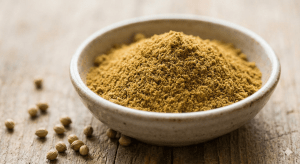
    Coriander Powder

    A close-up of finely ground coriander powder in a handcrafted ceramic bowl, showcasing its delicate texture and earthy yellowish-brown color. The natural, warm daylight highlights its freshness.


    Key Benefits of Coriander Powder

    Coriander powder is more than just a flavor enhancer; it’s a powerhouse of wellness. For centuries, it has been used in traditional medicine systems like Ayurveda and Traditional Chinese Medicine. Modern science is now beginning to validate many of these traditional uses.

    Coriander Powder

    An infographic illustrating six key health benefits of coriander powder, ranging from digestive aid to antioxidant power.

    Here is a breakdown of the primary health benefits associated with regular consumption of coriander powder:

    1. Digestive Powerhouse

    One of the most widely recognized benefits of coriander powder is its positive impact on digestion. It is a known carminative, meaning it helps to prevent and relieve gas and bloating. It contains compounds that stimulate digestive enzymes and juices, facilitating smoother digestion. In traditional practices, it’s often combined with cumin for a potent digestive tonic.

    2. Powerful Anti-Inflammatory

    Coriander is rich in antioxidants like terpinene, quercetin, and tocopherols, which have strong anti-inflammatory effects. Inflammation is linked to many chronic diseases, including heart disease and certain cancers. Adding coriander powder to your meals can help reduce overall inflammation in the body. Some studies suggest it may even help alleviate symptoms of arthritis.

    3. Supports Heart Health

    Studies indicate that coriander powder may contribute to better heart health by helping to manage cholesterol levels. It can help lower ‘bad’ LDL cholesterol and triglycerides while potentially raising ‘good’ HDL cholesterol. This balanced action is crucial for preventing plaque buildup in the arteries.

    4. May Help Regulate Blood Sugar

    For those managing type 2 diabetes or at risk, coriander powder could be a helpful dietary addition. Some research suggests that coriander seeds and powder can increase the activity of enzymes that help remove sugar from the blood, potentially improving insulin sensitivity.

    5. Natural Antioxidant Protection

    The compounds found in coriander powder help neutralize free radicals—unstable molecules that damage cells. This antioxidant activity is essential for overall cellular health and can contribute to anti-aging effects and a stronger immune system.

    6. Cognitive Function

    Emerging research suggests that coriander might possess neuroprotective properties, potentially supporting brain health. While more human studies are needed, its ability to reduce inflammation and fight oxidative stress may offer benefits for cognitive clarity and memory preservation.


    How to Use Coriander Powder

    The beauty of coriander powder lies in its subtle flavor, allowing it to blend seamlessly into a vast array of dishes without overwhelming other ingredients. Its mildness makes it an exceptional base for building flavor layers.

    • In Savory Curries and Stews: This is the most classic application. Coriander powder provides the rich, savory backdrop for almost all Indian, Pakistani, and Sri Lankan curries. It thickens the gravy and melds with other robust spices like cumin, turmeric, and chili.
    • Dry Rubs for Meats and Vegetables: Create your own spice blend by combining coriander powder with paprika, cumin, garlic powder, and oregano. This rub adds depth and a pleasant earthiness to roasted chicken, baked fish, or even tofu.
    • Roasted Vegetables: Toss root vegetables like carrots, potatoes, and sweet potatoes with olive oil, salt, and a generous sprinkling of coriander powder before roasting. It caramelizes beautifully, giving the vegetables a savory complexity.
    • Legumes and Grains: A spoonful of coriander powder completely transforms simple lentil soups (dal) and grain bowls. It pairs exceptionally well with chickpeas and black beans.
    • Marinades and Dressings: Add a pinch to creamy yogurt-based marinades or even straightforward vinaigrettes to introduce an unexpectedly sophisticated layer of flavor.
    Coriander Powder
    A medium close-up shot of a hand sprinkling finely ground coriander powder into a large, bubbling stainless steel pot of rich, orange-red vegetable curry on a gas stovetop, demonstrating its most dynamic cooking application.

    Coriander Powder Recipes You’ll Love

    The best way to appreciate a spice is to cook with it. Here are two distinct and visually appealing recipes that showcase the versatility of coriander powder.

    Recipe 1: Classic Indian Chana Masala (Chickpea Curry)

    This is a staple North Indian dish—hearty, flavorful, and incredibly satisfying. The rich, thick gravy relies on the base provided by coriander powder.

    Ingredients:

    • 2 cups cooked chickpeas (or 1 can, rinsed and drained)
    • 2 large onions, finely chopped
    • 3 large tomatoes, finely chopped (or 1 can crushed tomatoes)
    • 2 tbsp vegetable oil
    • 1 tbsp ginger-garlic paste
    • 1 tbsp coriander powder
    • 1 tsp cumin powder
    • 1 tsp turmeric powder
    • 1 tsp garam masala powder
    • 1/2 tsp red chili powder (adjust to taste)
    • 1 tsp salt (or to taste)
    • Fresh coriander leaves for garnish

    Instructions:

    1. Heat the oil in a large pot or Kadai. Add the chopped onions and sauté until they are golden-brown.
    2. Add the ginger-garlic paste and sauté for another minute.
    3. Add all the ground spices (coriander powder, cumin, turmeric, red chili powder, and salt) and cook for a minute, stirring constantly to avoid burning. This toasting releases the oils and enhances the flavor.
    4. Add the chopped tomatoes and cook until they become soft and start to release oil from the sides.
    5. Add the cooked chickpeas and mix well with the masala base. Add about 1 cup of water (or chickpea liquid) to create the gravy. Bring to a simmer.
    6. Cover and let the chana masala simmer on low heat for 15-20 minutes, allowing the flavors to meld.
    7. Finally, stir in the garam masala and garnish generously with fresh coriander leaves. Serve hot with rice or naan.

    Recipe 2: Roasted Spiced Cauliflower & Chickpeas

    This is a fantastic way to enjoy the warm, savory flavor of coriander powder in a more modern, globally inspired dish. The coriander provides a golden-brown coating that makes the roasted vegetables irresistible.

    Ingredients:

    • 1 large cauliflower, cut into medium florets
    • 1 cup cooked chickpeas (ensure they are dry)
    • 1/2 cup green peas (fresh or frozen)
    • 2 tbsp olive oil
    • 1 tbsp coriander powder
    • 1 tsp cumin powder
    • 1/2 tsp turmeric powder
    • 1/2 tsp smoked paprika
    • 1/2 tsp salt
    • For the Drizzle: 2 tbsp tahini mixed with 1 tbsp lemon juice and 2 tbsp water (or yogurt dressing)

    Instructions:

    1. Preheat your oven to 400°F (200°C).
    2. In a large bowl, combine the cauliflower florets, chickpeas, and green peas.
    3. Add the olive oil and all the spices (coriander powder, cumin, turmeric, smoked paprika, and salt). Toss everything well until all the vegetables are evenly coated with the spice mixture.
    4. Spread the coated vegetables in a single layer on a large, parchment-lined baking sheet.
    5. Roast for 25-30 minutes, tossing halfway through, until the cauliflower is tender and the edges are beautifully golden-brown and slightly charred.
    6. Transfer the roasted mixture to a serving plate. Drizzle with the creamy tahini or yogurt dressing and garnish with freshly chopped green coriander leaves.

    Coriander
    A top-down photograph of a finished dish: Roasted Spiced Cauliflower & Chickpeas, plated on a dark rustic ceramic plate, with the cauliflower florets coated in the warm brown coriander powder shown in image_0.png and image_2.png. The dish is garnished with fresh green coriander leaves and a drizzle of creamy tahini dressing.

    This simple roasted dish is a testament to the fact that you don’t need a lot of ingredients to make something spectacularly flavorful. The coriander powder provides the perfect balance of earthiness and savory goodness.

    Final Thoughts on Coriander Powder

    Coriander powder is a versatile and nutritionally rewarding spice. While it’s relatively mild compared to its counterparts, its ability to enhance and balance flavors makes it an essential ingredient in many cuisines. Whether you’re a fan of rich curries or fresh, roasted vegetable dishes, coriander powder has something to offer.

    With its host of health benefits—from supporting digestion to combating inflammation—incorporating this spice into your daily cooking is a simple yet impactful step towards better health.

    Frequently Asked Questions About Coriander Powder

    What is the difference between coriander powder and fresh coriander (cilantro)?

    While they come from the same plant (Coriandrum sativum), they have very different flavor profiles and uses. Fresh coriander leaves (often called cilantro in the Americas) are bright, citrusy, and pungent, typically used as a raw garnish. Coriander powder is made from the dried seeds and has a warm, earthy, and slightly sweet flavor that is best when cooked to release its aromatic oils.

    Can I substitute coriander powder for cumin powder?

    While they are often used together in recipes, they are not perfect substitutes for one another. Cumin has a much stronger, smokier, and slightly bitter flavor, whereas coriander is milder and sweeter. If you must substitute, use less cumin than the recipe calls for, as it can easily overpower a dish.

    How long does coriander powder last, and how should I store it?

    Store-bought coriander powder generally retains its best flavor for about 6 months. To keep it fresh for as long as possible, store it in an airtight container in a cool, dark place, away from direct sunlight and heat sources like your stove.

    Is it better to buy coriander powder or grind it myself?

    Grinding it yourself will almost always yield a fresher, more potent flavor. Whole coriander seeds retain their volatile oils much longer than pre-ground powder. To make your own, simply toast the whole seeds lightly in a dry pan until fragrant, let them cool, and grind them in a spice grinder or mortar and pestle.

    Can I consume coriander powder every day?

    Yes, for most people, incorporating culinary amounts of coriander powder into daily meals is perfectly safe and highly beneficial for digestion and reducing inflammation. However, if you are pregnant, nursing, or on specific medications (especially for blood pressure or blood sugar), it is always best to consult your healthcare provider before making large dietary changes.


  • Meets Health: The Amazing, Underappreciated Benefits of Green Chili Peppe

    Whether you’re a devout spicy food enthusiast or someone who carefully removes every single seed from a jalapeño before it touches your plate, there is no denying the power of the chili pepper. They are the backbone of flavor in countless global cuisines—from Mexican salsas and Indian curries to Thai stir-fries and Sichuan hotpots.

    But beyond the sweat on your brow and the kick in your mouth lies a surprising truth: green chili peppers are not just a culinary tool. They are genuine nutritional powerhouses.

    In the world of superfoods, vibrant berries, leafy greens, and ancient grains often hog the spotlight. It’s time to give the humble green chili its moment in the sun. In this article, we will peel back the skin and explore the multifaceted, scientifically backed benefits of incorporating green chili peppers into your diet. Let’s find out what happens when heat meets health.


    The Secret Ingredient: What Makes Chilies Hot (and Healthy)?

    Before diving into the specific health benefits, we need to understand the magic molecule responsible for it all: Capsaicin.

    Capsaicin is the chemical compound that binds to the pain receptors in your mouth, throat, and stomach that are responsible for detecting heat. This is why spicy food feels hot, even though it isn’t physically burning you.

    But for the chili plant, capsaicin isn’t for flavor; it’s a defense mechanism to deter mammals and fungi. For humans, however, this compound has proven to be a therapeutic wonder. From pain relief to metabolic stimulation, nearly every benefit on this list is linked to the presence of capsaicin.

    In green chili peppers (which are simply unripe red chili peppers), you get this powerful compound alongside a different profile of vitamins and antioxidants than you find in their fully ripe, red counterparts.


    1. The Ultimate Metabolic Ignition Switch: Weight Loss and Management

    If there is one benefit that green chilies are famous for, it’s their potential to aid in weight management. This isn’t a myth; it’s backed by science.

    The Thermogenic Effect

    Capsaicin is a potent thermogenic agent. This means it increases your body’s core temperature. When your core temperature rises, your body must work harder to cool itself down, a process that burns extra calories. Eating a meal rich in green chilies can significantly boost your metabolic rate for hours after consumption.

    Appetite Suppression

    The heat from green chilies also acts as a natural appetite suppressant. Study after study has shown that individuals who consume capsaicin before or during a meal tend to feel full sooner and eat fewer calories overall. It reduces the production of grehlin (the hunger hormone) and stimulates the production of satiety hormones.

    Fat Burning (Lipid Metabolism)

    Capsaicin may also play a role in how your body handles fat. Research suggests that capsaicin can stimulate the mobilization of stored fat and increase “fat oxidation” (using fat for fuel). While eating a chili won’t magically melt away pounds, it can give your body a significant physiological edge in your weight loss journey.


    2. A Vitamin C Powerhouse: Immunity and Skin Health

    When you think of Vitamin C, you likely think of oranges. But did you know that green chili peppers, ounce-for-ounce, contain more Vitamin C than many citrus fruits? Just a small serving of fresh green chilies can meet your entire daily requirement.

    Fuel for the Immune System

    Vitamin C is essential for the production of white blood cells, which are your body’s first line of defense against infections. Regular consumption of green chilies can help strengthen your immune system, potentially making you less susceptible to common colds, the flu, and other viruses.

    Collagen Production and Anti-Aging

    Vitamin C is also critical for the synthesis of collagen. Collagen is the structural protein that gives your skin its elasticity and strength. Adequate Vitamin C intake helps keep your skin looking firm, reduces the appearance of fine lines, and accelerates the healing of wounds. Combined with the other antioxidants found in chilies, they offer a powerful anti-aging defense.


    3. The Natural Aspirin: Pain Relief and Anti-Inflammatory Action

    This may seem counterintuitive. Why would something that causes a burning sensation reduce pain?

    It all comes back to how capsaicin works. The compound stimulates pain receptors, but after the initial “heat” signal, the receptors become effectively exhausted. Capsaicin also triggers the release of endorphins (your body’s natural painkillers) and, most importantly, depletes the body’s supply of Substance P, a neurotransmitter responsible for sending pain signals to the brain.

    While topical capsaicin creams are widely used for arthritis and nerve pain, consuming green chilies can also have a mild anti-inflammatory and pain-relieving effect throughout the body.


    4. Heart Health: Lowering Cholesterol and Improving Circulation

    Your cardiovascular system loves a little heat. Green chili peppers, largely thanks to capsaicin and Vitamin C, contribute to heart health in several key ways.

    Cholesterol Management

    Capsaicin has been shown to help lower “bad” (LDL) cholesterol levels and triglycerides, while simultaneously increasing “good” (HDL) cholesterol. It helps prevent cholesterol from accumulating in the bloodstream.

    Reducing Blood Clotting

    Green chilies contain properties that can help thin the blood and improve circulation. They also prevent the formation of dangerous blood clots, reducing the risk of heart attacks and strokes. This improved blood flow is often noticed immediately as that “flushed” feeling you get after eating spicy food.


    5. Digestive Harmony and the Gut Microbiome (Yes, Really!)

    There is a common misconception that spicy food causes ulcers and ruins digestion. Modern research, however, paints a very different picture. While spice irritates existing ulcers or IBS symptoms, it does not cause them. In fact, for a healthy gut, green chilies are beneficial.

    Stimulating Digestive Juices

    The heat of the chili stimulates the stomach lining to secrete protective digestive juices. This can actually aid in more efficient digestion and help protect the stomach lining from damaging acids.

    Anti-Bacterial Properties

    Capsaicin has natural antibacterial and antifungal properties. Historically, chilies were used to preserve food. In the body, they can help keep “bad” gut bacteria in check. Some studies even suggest capsaicin can inhibit the growth of H. pylori, the bacteria primarily responsible for stomach ulcers.


    6. The Ultimate Mood Booster: That Chili High

    Ever notice that after a particularly spicy meal, you feel a sense of euphoria, clarity, or intense relaxation? That’s not in your head; it’s biology.

    When your body detects the “pain” of the capsaicin, your brain assumes you are under stress. To counter this, it releases a rush of endorphins and dopamine, the body’s “feel-good” neurotransmitters. This chemical reaction results in the famous “chili high”—a natural, drug-free mood boost.


    7. Vision Protection and Anti-Cancer Potential

    Green chilies are also rich in other essential nutrients:

    • Vitamin A (Beta-Carotene): Crucial for eye health and maintaining clear vision, especially in low-light conditions. It also helps prevent age-related macular degeneration.

    • Antioxidants: In addition to Vitamin C, green chilies contain various other antioxidants that fight free radicals in the body. Free radicals are unstable molecules that damage cells and contribute to aging and diseases, including cancer. Emerging research suggests that capsaicin itself may even have chemopreventive properties, meaning it may inhibit the growth of certain cancer cells.


    How to Incorporate Green Chilies (Without Burning Your Mouth Off)

    The health benefits are clear, but how do you reap them without needing a gallon of milk?

    Start Slow

    If you are new to spice, don’t start with habaneros. Begin with mild varieties like banana peppers or mild jalapeños. Even a tiny amount on a regular basis will yield benefits.

    The Seed Secret

    The vast majority of the heat (and capsaicin concentration) in a chili pepper is in the inner white membranes (the placenta) and the seeds. If you want the flavor and health benefits of the green chili with less of the burn, carefully remove the seeds and the white ribs before cooking.

    Versatile Applications

    • Salsas and Dips: Finely chop mild green chilies into a tomato salsa or avocado guacamole.

    • Stir-fries and Curries: They add essential depth of flavor to Asian and Indian dishes.

    • Eggs: A little diced jalapeño in your morning scrambled eggs will kickstart your metabolism.

    • Roast Them: Roasting green chilies (like Anaheim or Poblano peppers) mellows their heat and develops a complex, smoky-sweet flavor. Use them on sandwiches or in casseroles.

    • A Simple Topping: In many cultures, a raw, mild green chili is eaten alongside a main meal as a simple condiment.


    A Note of Caution

    While green chilies are overwhelmingly beneficial, they are not for everyone.

    • Individuals with GERD, IBS, or existing stomach ulcers may find that spicy food exacerbates their symptoms. Listen to your body.

    • Handle with care! Capsaicin can linger on your fingers long after you are done chopping. Avoid touching your eyes, face, or any sensitive area until you have washed your hands thoroughly with soap.

    • Moderation is always key. A daily dose of green chili is fantastic, but a meal that causes extreme physical distress is not doing your body any favors.


    Conclusion

    The green chili pepper is a testament to the idea that the best things come in small (and spicy) packages. By adding just a little bit of heat to your plate, you aren’t just elevating the flavor; you are firing up your metabolism, supercharging your immune system, protecting your heart, and even boosting your mood.

    It is a true superfood that bridges the gap between culinary enjoyment and biological optimization. The next time you see a green chili, don’t fear the heat—embrace it, because that’s exactly where the health lies.

    Frequently Asked Questions (FAQs)

    Q: Are green chilies healthier than red chilies?

    A: Neither is strictly “healthier,” but they offer different nutritional profiles. Green chilies are simply unripe red chilies. Because they are harvested earlier, green chilies generally have higher water content and are packed with Vitamin C. Fully ripened red chilies, on the other hand, typically have higher concentrations of Vitamin A and beta-carotene. Both are excellent additions to a balanced diet!

    Q: Will eating green chilies really help me lose weight?

    A: Green chilies are not a magic weight-loss pill, but they are a fantastic tool. The capsaicin in the peppers creates a thermogenic effect, slightly raising your core body temperature and causing you to burn more calories. It also acts as a natural appetite suppressant. When combined with a healthy diet and exercise, they can give your metabolism a helpful edge.

    Q: I’ve always heard spicy food causes stomach ulcers. Is that true?

    A: This is a very common myth! Research actually shows that the capsaicin in green chilies stimulates protective digestive juices and helps keep bad bacteria (like H. pylori, which is a primary cause of ulcers) in check. However, if you already have a stomach ulcer, acid reflux, or irritable bowel syndrome (IBS), spicy foods can irritate the existing condition and cause discomfort.

    Q: I have a very low spice tolerance. How can I still get the health benefits?

    A: You don’t need to eat fire to get the benefits! Start by choosing mild varieties like Anaheim or banana peppers. The most important trick is to remove the seeds and the white, spongy membrane (the placenta) inside the pepper before cooking, as this is where the vast majority of the heat is stored. You can also try roasting them, which naturally mellows out the spice and brings out a sweeter flavor.

    Q: What exactly is a “chili high”?

    A: It’s a real biological reaction! When capsaicin binds to the pain receptors in your mouth, your brain thinks your body is experiencing physical stress. To help you cope, your brain releases a rush of endorphins and dopamine—your body’s natural painkillers and “feel-good” chemicals. This results in a mild, natural wave of euphoria and relaxation after finishing a spicy meal.

    Q: Can I eat green chilies every day?

    A: For most people, yes! Adding a mild to moderate amount of green chili to your daily meals is a great way to consistently get a boost of Vitamin C, antioxidants, and metabolic support. Just listen to your digestive system and adjust the heat level to what feels comfortable for you.

  • Terminalia Chebula Explained: Uses, Benefits, and Side Effects

    Known as “the king of medicines” in some parts of the world, Terminalia Chebula has a long and storied history in traditional medicine systems, particularly Ayurveda. This humble fruit, often called Haritaki, is a powerful adaptogen and holds promise for a wide range of health concerns. But what exactly is it, what can it do, and is it right for you? In this deep dive, we’ll unpack the multifaceted nature of Terminalia Chebula, exploring its traditional uses, scientific standing, and potential side effects.

    What is Terminalia Chebula?

    Terminalia Chebula is a deciduous tree native to South Asia, including India, Nepal, Sri Lanka, and parts of China. It’s a key ingredient in many Ayurvedic formulations and is deeply embedded in the traditional healing systems of these regions. The tree bears green, olive-like fruits that turn yellowish-brown or even black upon ripening. The fruit is incredibly tough and is typically dried and ground into a powder, known as haritaki churna, for medicinal use.

    Understanding the “Triphala” Connection

    If you’ve heard of the popular Ayurvedic remedy Triphala, you’ve already encountered Terminalia Chebula. Triphala, which translates to “three fruits,” is a classic blend of Haritaki (Terminalia Chebula), Amalaki (Emblica Officinalis, or Indian Gooseberry), and Bibhitaki (Terminalia Belerica).

    While Terminalia Chebula contributes significantly to the benefits of Triphala, especially in terms of its gentle laxative effect and overall detoxifying properties, it also holds substantial medicinal value on its own.

    Terminalia Chebula: A Closer Look at the Active Compounds

    The profound effects of Terminalia Chebula stem from its rich and complex chemical composition. Some of the key bioactive compounds identified in this potent fruit include:

    • Tannins: Terminalia Chebula is exceptionally rich in tannins, including chebulic acid, chebulinic acid, corilagin, and ellagic acid. Tannins are well-known for their antioxidant, anti-inflammatory, and antimicrobial properties. They also contribute to the fruit’s astringent taste.

    • Flavonoids: These are another group of powerful antioxidants that help protect cells from oxidative stress and support overall immune function.

    • Phenolic Acids: This group of compounds also possesses strong antioxidant and anti-inflammatory activities, further contributing to the medicinal properties of the fruit.

    • Triterpenoids: Some studies have suggested that specific triterpenoids in Terminalia Chebula may possess potential anti-cancer properties.

    • Anthraquinones: While in smaller quantities, these compounds can contribute to the gentle laxative effect associated with Haritaki.

    • Vitamins and Minerals: Terminalia Chebula contains essential vitamins and minerals, although it’s primarily consumed for its bioactive plant compounds.

    It’s the complex interplay of these diverse compounds that likely accounts for the wide range of health benefits attributed to Terminalia Chebula.

    Traditional Uses of Terminalia Chebula: More Than Just a Laxative

    In Ayurveda, Haritaki is classified as a “rasayana,” which means it’s considered to have rejuvenating and anti-aging properties. It’s believed to improve overall vitality and promote a long, healthy life. While it’s frequently used to manage digestive issues, its traditional applications are far-reaching. Here are some of the key traditional uses:

    1. Digestive Health: The Most Prominent Use

    This is perhaps the most well-known traditional use of Terminalia Chebula. It is used as a gentle laxative to relieve constipation, promote regular bowel movements, and improve digestion overall. Unlike many over-the-counter laxatives, it is thought to cleanse the digestive tract without causing dependency or intense cramping. Ayurveda suggests that it helps restore balance (specifically to the Vata dosha) and strengthens the intestinal walls.

    It is also used to manage other digestive concerns like indigestion, bloating, and gas. Some traditional practitioners use it to help with conditions like hemorrhoids and dysentery, although severe cases should always be treated by a qualified healthcare professional.

    2. Detoxification: Cleansing the Body from the Inside Out

    Haritaki is considered an important detoxifying agent in Ayurveda. It’s thought to help the body eliminate toxins (known as “ama”) that have accumulated due to poor diet, lifestyle, and other environmental factors. This detoxification process is believed to support the health of various organs, including the liver and kidneys. By encouraging elimination and potentially supporting healthy liver function, Haritaki is thought to play a role in promoting overall systemic well-being.

    3. Immune System Support: Strengthening the Body’s Defenses

    The rich antioxidant content of Terminalia Chebula is believed to contribute to its immune-boosting effects. By neutralizing free radicals and potentially modulating the immune response, it may help the body better cope with illness and infections. In traditional medicine, it is often used during periods of illness or as a preventative measure.

    4. Respiratory Health: Addressing Cough and Cold Symptoms

    Traditional practices sometimes use Terminalia Chebula to manage respiratory conditions. Its astringent and potentially antimicrobial properties are believed to help reduce inflammation in the airways and loosen mucus. It might be used as a remedy for cough, sore throat, and bronchitis, although, as with other conditions, serious symptoms require professional medical advice.

    5. Skin Health: A Remedy for Both Inside and Out

    Both internal consumption and external application of Haritaki are used in Ayurveda to promote skin health. Internally, its detoxifying properties are thought to contribute to a clearer complexion. Externally, pastes made from the dried fruit powder are applied to treat various skin concerns, including wounds, inflammation, and potentially fungal infections. Its astringent nature is also believed to help tighten pores.

    6. Cognitive Function and Mental Health: Beyond Physical Well-being

    Interestingly, traditional medicine systems also attribute cognitive benefits to Haritaki. It’s sometimes used to support memory, concentration, and mental clarity. Some sources suggest it may have adaptogenic properties that could help the body manage stress and anxiety. While scientific evidence is more robust in other areas, this highlights the holistic approach of traditional systems like Ayurveda.

    7. Mouth and Throat Health: A Gentle Cleanser and Soother

    Gargling with solutions containing Haritaki or applying a paste is a traditional remedy for sore throats, mouth ulcers, and gingivitis. Its astringent and antimicrobial properties are believed to help reduce inflammation and combat potential oral pathogens.

    Scientific Evidence: What the Research Says About Terminalia Chebula

    While the traditional uses of Terminalia Chebula are well-documented, modern science is starting to catch up, exploring and validating some of these ancient claims. Here’s a look at what the research currently says:

    1. Digestive Health: Validating the Traditional Claims

    Studies have, to a degree, supported the traditional use of Haritaki as a gentle laxative. Research suggests it can increase bowel movement frequency and improve overall digestion. The mechanism behind this likely involves its tannin and potentially anthraquinone content, along with its ability to stimulate smooth muscle contraction in the digestive tract. Some preliminary research also suggests it may help with certain types of gut inflammation, which could be beneficial for individuals with conditions like irritable bowel syndrome (IBS), although more robust studies are needed.

    2. Antioxidant and Anti-inflammatory Effects: Strong Scientific Foundation

    This is perhaps the most well-supported area of scientific research on Terminalia Chebula. Numerous studies have confirmed its potent antioxidant activity. The high concentration of tannins, flavonoids, and phenolic compounds makes it a formidable force against free radical damage. By reducing oxidative stress, it has the potential to mitigate chronic inflammation, which is linked to a wide array of diseases, including cardiovascular conditions and certain types of cancer.

    3. Antimicrobial and Antiviral Properties: Potential Applications

    Terminalia Chebula has demonstrated antimicrobial activity in various studies. Test tube and some animal research have shown that it can effectively combat certain bacteria and fungi. Some studies have also investigated its potential against specific viruses, with some showing promising results. These findings provide scientific plausibility for its traditional use in managing infections and supporting mouth and throat health. However, much more research, especially clinical trials, is necessary to determine its effectiveness against specific pathogens and optimal dosages for antiviral and antibacterial applications in humans.

    4. Blood Sugar Management: Emerging Evidence

    Some preclinical studies, predominantly on animals, suggest that Terminalia Chebula might help in managing blood sugar levels. It appears to potentially inhibit certain enzymes involved in carbohydrate digestion and absorption, which could prevent rapid spikes in blood glucose. However, human clinical trials are currently very limited, and this application is far from being established.

    5. Potential Anti-cancer Activity: Preclinical Investigations

    Initial test-tube and animal research has hinted at the potential anti-cancer properties of specific compounds in Terminalia Chebula. Some studies have shown that it can inhibit the growth of certain types of cancer cells and induce apoptosis (programmed cell death) in vitro. These findings are intriguing and warrant further investigation, but it’s important to understand that they are far from proving that Terminalia Chebula is a cancer cure or prevention in humans.

    6. Cognitive Function: Preliminary Research

    While the traditional connection to cognitive function is fascinating, scientific evidence in humans is very sparse. Some animal studies have shown potential neuroprotective and cognitive-enhancing effects, perhaps linked to its antioxidant properties and potential ability to modulate neurotransmitter levels. Considerably more research, especially high-quality human clinical trials, is needed to confirm if Haritaki truly offers cognitive benefits for people.

    Summary of Scientific Standing:

    The strongest scientific support exists for Terminalia Chebula’s antioxidant, anti-inflammatory, and gentle laxative properties. While antimicrobial and potential blood sugar management effects have promising preclinical evidence, human studies are limited. Research into its anti-cancer and cognitive benefits is still in its very early stages.

    Important Note on Scientific Evidence

    It’s vital to recognize that while preclinical research (test-tube and animal studies) is crucial for identifying potential mechanisms of action, it doesn’t always translate directly to effects in humans. Human clinical trials are the gold standard for evaluating safety and efficacy, and for many applications of Terminalia Chebula, robust clinical evidence is still lacking. As always, consult a healthcare provider for any medical advice.

    Uses of Terminalia Chebula: Practical Applications and Dosing

    How can you actually use Terminalia Chebula? As mentioned, the dried fruit powder (haritaki churna) is the most common form. It’s often used in Ayurvedic practice in specific ways. Here are some of the practical applications:

    1. Constipation Relief

    The most common use of Terminalia Chebula is as a mild laxative for relieving constipation and promoting regularity. The suggested dosage varies depending on individual needs and the advice of a qualified practitioner. A common range is often cited as 1/2 to 1 teaspoon of the powder mixed with warm water, typically taken before bed. This gentle nature makes it a popular option for those seeking a more natural solution than harsh chemical laxatives.

    2. Digestive Support

    Beyond constipation, Haritaki can be used to improve overall digestion, manage bloating and gas, and encourage the elimination of toxins. In these instances, smaller dosages, sometimes taken after meals, are typically recommended. The specific preparation and timing are often determined by the Ayurvedic concept of “Anupana” – the vehicle or substance (like warm water, honey, or ghee) with which the herb is taken to enhance its effects.

    3. Detoxing Protocols

    Terminalia Chebula is frequently incorporated into Ayurvedic detoxification programs, particularly during seasonal cleanses or “Panchakarma.” Its primary role in these protocols is to promote regular elimination and support the body’s natural processes of eliminating metabolic waste. The dosage and specific protocols would be carefully managed by a trained Ayurvedic practitioner.

    4. Mouth and Throat Care

    As traditional practices suggest, Haritaki can be used as a natural remedy for throat and oral discomfort. Gargling with a solution made from a small amount of haritaki powder dissolved in warm water can provide relief for sore throats and reduce mouth inflammation. A paste could potentially be used externally on gums, though professional advice is recommended for persistent conditions.

    5. Skin Application

    A paste made with haritaki powder and water can be applied topically to address skin conditions such as minor wounds, insect bites, and localized inflammation, reflecting its traditional use. As always, a small patch test is wise before widespread application, especially for sensitive skin.

    Important Dosing Guidelines and Safety Considerations

    When it comes to using Terminalia Chebula, or any herbal supplement, proper dosing is critical. Dosages can vary greatly depending on factors like:

    • Individual health conditions

    • The specific reason for use

    • Age

    • Tolerance

    • The form and potency of the supplement

    The dosages mentioned above are general guidelines and should not replace personalized advice from a qualified healthcare professional. Overdosing can lead to unwanted effects, so it’s always best to start with a smaller dose and monitor your body’s response.

    Potential Side Effects and Precautions

    While Terminalia Chebula is generally considered safe when used appropriately and in moderate dosages, it’s not without potential side effects and precautions. It’s essential to be aware of these before incorporating it into your routine.

    1. Digestive Discomfort: The Common Thread

    The most commonly reported side effects, as you might expect given its laxative properties, are digestive. This can include:

    • Loose stools or diarrhea

    • Abdominal cramping or bloating

    • Stomach upset

    These effects are usually mild and may subside as the body gets used to the herb. However, if they persist or are severe, you should stop taking it and consult a healthcare provider.

    2. Potential for Dehydration

    If Terminalia Chebula leads to diarrhea, especially when taken in excessive amounts, it can increase the risk of dehydration. It’s essential to stay well-hydrated when using any laxative.

    3. Contraindications: Who Should Avoid Haritaki?

    Due to its potent effects, certain individuals should avoid using Terminalia Chebula, particularly:

    • Pregnancy: It is generally recommended to avoid Haritaki during pregnancy due to the potential risk of inducing uterine contractions.

    • Breastfeeding: While conclusive evidence is sparse, it’s typically advised for breastfeeding mothers to exercise caution as active compounds could potentially pass into breast milk.

    • Severe Diarrhea and Dehydration: Individuals experiencing severe diarrhea or who are significantly dehydrated should not use Haritaki, as it can worsen these conditions.

    • Intestinal Blockage: If there’s a suspected intestinal obstruction or blockage, using laxatives, even natural ones, can be dangerous and is strongly contraindicated.

    4. Drug Interactions: A Crucial Consideration

    Terminalia Chebula can interact with certain medications. This is a critical area, and you should always discuss its use with your doctor if you are taking any prescription or over-the-counter drugs. Possible interactions include:

    • Anticoagulants and Antiplatelet Drugs: The high tannin content in Haritaki may have mild anti-clotting effects, which could potentially enhance the effects of medications like warfarin or aspirin, increasing the risk of bleeding.

    • Blood Sugar Medications: Since preliminary studies suggest that Haritaki might affect blood sugar levels, it could interact with medications used to manage diabetes, potentially causing blood sugar levels to drop too low. Close monitoring is essential.

    • Other Laxatives: Combining Haritaki with other laxatives can intensify their effects and increase the risk of severe diarrhea and dehydration.

    Conclusion: Terminalia Chebula – An Age-Old Remedy with Modern Potential

    Terminalia Chebula is a truly fascinating example of a traditional medicine that is gaining increasing recognition from modern science. This versatile fruit has a powerful chemical makeup that supports its historical use as a digestive tonic, antioxidant, and anti-inflammatory agent. While its potential application for other concerns is exciting, it’s important to approach them with realistic expectations, mindful of the limited clinical evidence in humans.

    Ultimately, whether you are considering Terminalia Chebula for digestive relief, detoxification support, or its antioxidant properties, it is essential to do so responsibly. Focus on sourcing high-quality products, adhere to recommended dosages, and critically, consult with a qualified healthcare professional, particularly if you have underlying health conditions or are taking any medications. Terminalia Chebula, with its ancient wisdom and modern scientific validation, certainly holds significant potential as a supportive herb for maintaining a healthy lifestyle.

    Frequently Asked Questions (FAQs) about Terminalia Chebula

    To help you quickly navigate the most important facts about this “King of Herbs,” here are the answers to the most common questions:


    1. What is the most common name for Terminalia Chebula?

    While its botanical name is Terminalia chebula, it is most widely known as Haritaki in Ayurvedic medicine. In Tibet, it is often referred to as the “Big Black Myrobalan.”

    2. How long does it take for Haritaki to work for constipation?

    Most people notice a gentle laxative effect within 6 to 12 hours of consumption. It is typically taken at night before bed with warm water so that it works overnight to encourage a bowel movement the following morning.

    3. Can I take Terminalia Chebula every day?

    In traditional Ayurveda, small doses are often taken daily as a “Rasayana” (rejuvenative). However, for modern supplemental use, it is best to consult a practitioner. Using it as a chronic high-dose laxative is not recommended, as your body may become reliant on it for bowel movements.

    4. Does it help with weight loss?

    While not a “fat burner” in the clinical sense, Haritaki supports weight management by improving digestion and assisting the body in regular waste elimination. By preventing toxin buildup and improving nutrient absorption, it can be a helpful addition to a healthy diet and exercise routine.

    5. Is Terminalia Chebula safe for children?

    Generally, it is considered safe for older children in very small, age-appropriate doses to treat occasional constipation. However, you should always consult a pediatrician before giving any herbal supplement to a child, as their dosage needs are much lower than adults.

    6. Can I use the powder as a face mask?

    Yes. Due to its antibacterial and astringent properties, a paste made of Haritaki powder and water (or rose water) is often used to treat acne, skin inflammation, and large pores. Always perform a patch test on your inner arm first to check for sensitivity.

    7. How does it taste?

    Be prepared—pure Haritaki powder has a very strong, complex flavor. It is primarily astringent and bitter, with a slightly sour and pungent aftertaste. Many people prefer taking it in capsule form or mixing it with honey to mask the intense flavor.

    8. What is the difference between Haritaki and Triphala?

    Haritaki is just one of the three fruits that make up Triphala. While Haritaki focuses heavily on the colon and “Vata” energy, Triphala is a balanced formula containing Amalaki and Bibhitaki, making it a more “all-purpose” digestive tonic suitable for almost everyone.


    Note: If you are currently taking blood-thinning medication or medication for diabetes, please speak with your doctor before adding Terminalia Chebula to your routine to avoid potential interactions.


  • 10 Surprising Benefits of Coriander Leaves (Dhaniya Patta): More Than Just a Garnish

    If you grew up in a South Asian household, you know that dhaniya patta is not optional; it’s essential. This fragrant, humble herb, also known as cilantro or coriander leaves, is a staple in everything from rich curries to light, zesty chutneys. But have you ever stopped to wonder if there’s more to this leafy green than just its distinct aroma and flavor?

    It turns out that your grandmother was right to insist on a heavy dhaniya patta garnish. Coriander leaves are a nutritional powerhouse, packed with vitamins, minerals, and antioxidants that can profoundly benefit your health.

    In this deep dive, we’ll explore 10 surprising and evidence-based benefits of coriander leaves, revealing why you should make this herb a central part of your diet.


    1. The Nutritional Goldmine You Didn’t Know You Were Eating

    Before we get into the heavy hitting health benefits, let’s talk about what’s actually in dhaniya patta. This is not just water-based foliage; it’s nutrient-dense.

    A single cup (around 16 grams) of raw coriander leaves is low in calories but surprisingly high in crucial nutrients:

    • Vitamin K: This is the superstar nutrient in coriander. A single cup provides far more than your daily recommended intake. Vitamin K is vital for blood clotting and is a key player in bone health.

    • Vitamin A: Rich in beta-carotene (which the body converts to Vitamin A), coriander is fantastic for your vision and immune system.

    • Vitamin C: Don’t just rely on oranges. Coriander is a potent source of this essential immune-boosting antioxidant.

    • Minerals: It’s a respectable source of potassium, manganese, and iron.

    • Antioxidants: Coriander is brimming with powerful compounds like quercetin, kaempferol, and rhamnetin, which fight oxidative stress.

    2. A Powerful Ally in Managing Blood Sugar

    One of the most remarkable benefits of coriander is its potential anti-diabetic effect. Multiple animal studies and some preliminary human research suggest that coriander leaves and seeds can significantly lower blood sugar.

    It appears to work by increasing the activity of an enzyme that helps remove sugar from the blood. For individuals with type 2 diabetes or those at risk, incorporating coriander into meals might help stabilize glucose levels. However, if you are already on diabetes medication, consult your doctor, as coriander could make your blood sugar drop too low.

    3. Supports Your Heart Health: The Lipid-Lowering Effect

    Heart disease is a major global health concern, and your diet plays a massive role in its prevention. Coriander may be a powerful, natural tool for heart health.

    Studies have shown that coriander can help lower “bad” LDL cholesterol and triglycerides while potentially raising “good” HDL cholesterol. This lipid-lowering effect is critical for preventing the buildup of plaque in arteries, which leads to heart attacks and strokes. Additionally, its high potassium content can help regulate blood pressure by counteracting the effects of sodium.

    4. The Brain Booster: Neuroprotective Benefits

    Inflammation is at the core of many debilitating brain conditions, including Alzheimer’s disease, Parkinson’s disease, and multiple sclerosis. Coriander leaves contain potent anti-inflammatory compounds that can help protect your neural pathways.

    Some research suggests that coriander extracts can reduce brain inflammation and improve memory function. Its high antioxidant content also helps combat oxidative stress, which is a key driver of neurodegeneration. Think of it as a tasty, protective shield for your brain.

    5. Your Natural Digestive Aid

    In traditional Ayurvedic medicine, dhaniya patta is revered for its ability to soothe the digestive system. It can stimulate the secretion of digestive enzymes and juices, ensuring smoother digestion.

    Coriander has been shown to reduce symptoms of irritable bowel syndrome (IBS), such as bloating, abdominal pain, and flatulence. For anyone suffering from occasional indigestion or the discomfort that comes after a heavy meal, a fresh coriander chutney might be just the natural remedy you need.

    6. Nature’s Anti-Anxiety Remedy

    If you’re looking for a natural way to calm your nerves, coriander might be the answer. Studies have indicated that coriander extract can have a sedative and anti-anxiety effect, potentially matching the efficacy of some standard pharmaceutical drugs, but without the side effects.

    While more human studies are needed, the traditional use of coriander to soothe the nerves and improve sleep is now finding scientific backing. A warm cup of coriander tea might be the perfect evening ritual.

    7. Natural Defense Against Infections

    Coriander has antimicrobial and antifungal properties that make it a powerful natural defender. It contains a compound called dodecenal, which studies have shown to be twice as effective as a leading antibiotic in fighting Salmonella bacteria.

    This makes coriander an excellent addition to food, not just for flavor, but for a layer of protection against foodborne illnesses. Historically, it was often used in food preservation for this very reason.

    8. A Glow-Up for Your Skin

    The benefits of coriander leaves extend to the surface. Thanks to its rich antioxidant profile—especially Vitamin C—coriander is fantastic for skin health.

    Antioxidants fight the free radicals that lead to premature aging, sun damage, and dullness. Its anti-inflammatory and antibacterial properties can also help manage skin conditions like acne and eczema when used in face packs or even just consumed regularly.

    9. Promotes Healthy, Strong Bones

    Remember the Vitamin K we mentioned? It’s essential for bone health. Vitamin K helps your body process calcium and, along with other minerals found in coriander like manganese and phosphorus, works to increase bone mineral density. Regular consumption can play a role in preventing osteoporosis, especially as we age.

    10. Powerful Anti-Inflammatory Effects

    Chronic inflammation is the silent enemy, linked to everything from arthritis and heart disease to cancer. Coriander is rich in antioxidants that directly combat inflammation. The phenols and carotenoids in coriander leaves can neutralize the pro-inflammatory compounds in your body. Making this herb a regular part of your meals is an excellent, flavor-filled way to keep system-wide inflammation at bay.


    How to Get More Dhaniya Patta in Your Diet (Beyond the Garnish)

    Now that you know how incredible coriander leaves are, how do you eat more of them? Let’s move past the sprinkle and make it a star.

    • Chutneys (The Champion): This is the easiest way. Blend coriander leaves with mint, green chilies, a dash of lemon, salt, and maybe a little yogurt or coconut. It goes with everything.

    • Green Smoothies: The fresh, zesty flavor of cilantro pairs beautifully with spinach, cucumber, green apple, and ginger for a morning detox drink.

    • Pesto with a Twist: Replace basil with coriander in your next pesto recipe. Use walnuts or almonds, olive oil, parmesan, garlic, and coriander. It’s a total game-changer for pasta or as a sandwich spread.

    • Salads & Dressings: Chop it coarsely into any salad. Better yet, make a cilantro-lime dressing by blending it with olive oil, lime juice, honey, and a pinch of cumin.

    • Coriander Water/Tea: To maximize the benefits, some people make an infusion. Just pour hot water over fresh leaves, let it steep, and drink it warm.

    A Quick Word of Caution

    While coriander is a wonder-herb for most, two points are worth noting:

    1. That “Soap” Taste: For a small percentage of the population, a specific gene causes coriander to taste intensely like soap.

    2. Blood Sugar & Medications: As mentioned, if you are on blood sugar or blood pressure medications, consult your doctor before significantly increasing your coriander intake, as it can compound the effects of your medication.

    Conclusion: Don’t Garnish, Embrace

    Dhaniya patta is far more than an afterthought. It is a powerful, nutrient-dense herb that offers a massive range of health benefits from regulating blood sugar and protecting your heart to calming your nerves and improving your skin. It’s accessible, inexpensive, and versatile.

    So, next time you’re cooking, don’t just sprinkle a little on top for appearances. Grab a whole handful, chop it up, and make it a centerpiece of your meal. Your body will thank you.

    Frequently Asked Questions (FAQs) about Coriander Leaves (Dhaniya Patta)

    1. Is it better to eat coriander leaves raw or cooked?

    To get the maximum nutritional benefit, raw is best. Heat can destroy delicate vitamins like Vitamin C and certain volatile antioxidants. Adding fresh leaves as a garnish at the very end of cooking or using them in raw chutneys and salads preserves their potency.

    2. Can coriander leaves really help with weight loss?

    While not a “miracle” weight loss food, coriander is extremely low in calories and acts as a natural diuretic. This helps reduce water retention and bloating. Furthermore, its ability to improve digestion and manage blood sugar levels can support a healthy metabolism, making it a great addition to a weight-loss diet.

    3. Why do coriander leaves taste like soap to some people?

    This isn’t a culinary preference; it’s genetics. Some people have a variation in a group of olfactory-receptor genes (specifically OR6A2) that allows them to strongly perceive the aldehydes in coriander, which are also found in soaps. To these individuals, the herb tastes pungent and chemical.

    4. How should I store coriander leaves so they stay fresh longer?

    Coriander is notorious for wilting quickly. To keep it fresh:

    • Wash the leaves and pat them completely dry.

    • Trim the bottom of the stems.

    • Place them in a glass jar with an inch of water (like a bouquet) and cover the top with a loose plastic bag in the fridge.

    • Alternatively, wrap them in a dry paper towel and store them in an airtight container.

    5. Is there a difference between coriander leaves and cilantro?

    In North America, the leaves and stems are called cilantro, while the dried seeds are called coriander. In the UK, India, and many other regions, the entire plant is called coriander, with the leaves often referred to as “fresh coriander” or “dhaniya patta.” They are the same plant (Coriandrum sativum).

    6. Can I drink coriander water every day?

    Yes, soaking coriander leaves or seeds in water overnight and drinking it in the morning is a popular detox practice. It can help with digestion and kidney function. However, if you are on medication for blood pressure or diabetes, consult your doctor first to ensure it doesn’t cause your levels to drop too low.

    7. Does coriander help with skin acne?

    Yes, due to its antibacterial and anti-inflammatory properties. You can apply a paste of crushed coriander leaves mixed with a little lemon juice or turmeric directly to the skin, or simply consume it regularly to fight skin-damaging free radicals from the inside out.

    8. Are there any side effects to consuming too much coriander?

    For most people, it is perfectly safe. However, excessive consumption may lead to sunlight sensitivity in some individuals. Also, people with known allergies to plants in the Apiaceae family (like fennel, caraway, or celery) should exercise caution.


  • Turmeric: The Golden Spice with Powerful Healing Benefits

    You’ve probably noticed it brightening up Indian curries, giving golden milk its signature color, and maybe even featured in trendy smoothies and latte mixes. Turmeric, with its vibrant orange-yellow hue and distinctively warm, peppery, and slightly bitter flavor, has transcended its origins as a staple of South Asian cuisine to become a globally recognized superfood.

    But beyond its ability to color and flavor food, turmeric (Curcuma longa) is also one of the most studied and highly regarded medicinal plants in the world. For thousands of years, it has been a cornerstone of traditional healing systems like Ayurveda (the ancient medicine of India) and Traditional Chinese Medicine (TCM). It was used to treat a wide range of ailments, from digestive issues and respiratory conditions to skin problems and inflammation.

    Today, modern science is increasingly validating the wisdom of these ancient practices. Researchers are diving deep into the chemical composition of turmeric to understand exactly how this simple spice delivers such profound health benefits.

    The Secret Ingredient: Curcumin

    So, what makes turmeric so special? The answer lies in its unique chemical profile, specifically in a group of compounds known as curcuminoids. Among these, curcumin is the most significant.

    Curcumin is the main active ingredient in turmeric. It’s a powerful polyphenol responsible for most of the spice’s remarkable therapeutic properties. It’s an antioxidant, anti-inflammatory, and has antimicrobial and anticancer potential.

    However, there’s a catch. Curcumin is only about 3-5% of turmeric, and it’s notoriously poorly absorbed by the body. It gets broken down quickly in the liver and intestinal wall before it can enter the bloodstream. This low “bioavailability” means that just adding a teaspoon of turmeric to your food might not deliver a therapeutic dose.

    This is where the wisdom of traditional cuisine shines. In Indian cooking, turmeric is almost always combined with fats (like oil or ghee) and black pepper. As it turns out, piperine, the active compound in black pepper, significantly enhances curcumin absorption by inhibiting the enzymes that break it down. Fat is also essential for absorbing curcumin, which is oil-soluble.

    Now that we understand what makes turmeric tick, let’s explore the scientifically-backed healing benefits of this golden spice.

    1. The Ultimate Anti-Inflammatory

    Chronic, low-level inflammation is believed to be the root cause of almost every major Western disease. It plays a critical role in heart disease, cancer, metabolic syndrome, Alzheimer’s disease, and various degenerative conditions.

    This is where turmeric truly shines. Curcumin is a naturally powerful anti-inflammatory compound. Some studies have found it to be as effective as some anti-inflammatory drugs, but without the side effects. It works on a molecular level by blocking NF-kB, a molecule that travels into the nuclei of cells and turns on genes related to inflammation. This allows curcumin to act as a natural brake on the body’s entire inflammatory cascade.

    2. A Potent Antioxidant Booster

    Oxidative damage is one of the mechanisms behind aging and many diseases. It involves free radicals—highly reactive molecules with unpaired electrons—which react with important organic substances, such as fatty acids, proteins, or DNA.

    Antioxidants are so beneficial because they protect your body from these free radicals. Curcumin is a potent antioxidant that can neutralize free radicals due to its chemical structure. But that’s not all. It also boosts the activity of your body’s own antioxidant enzymes, offering a double-barreled defense against oxidative stress.

    3. Supports Brain Health and Lowers Risk of Brain Diseases

    Until recently, it was believed that neurons were not able to divide and multiply after early childhood. We now know that they can form new connections and, in certain areas of the brain, even multiply.

    A key driver of this process is Brain-Derived Neurotrophic Factor (BDNF), a type of growth hormone that functions in your brain. Decreased levels of this hormone have been linked to common brain disorders, including depression and Alzheimer’s disease.

    Curcumin can increase brain levels of BDNF. By doing so, it may be effective at delaying or even reversing many brain diseases and age-related decreases in brain function. There is also evidence that curcumin can cross the blood-brain barrier, offering potential directly in brain tissue.

    4. May Lower Your Risk of Heart Disease

    Heart disease is the number one cause of death in the world. It’s incredibly complex, and various factors contribute to it. Curcumin may help reverse many steps in the heart disease process.

    Perhaps the main benefit of curcumin in heart disease is improving the function of the endothelium, which is the lining of your blood vessels. Endothelial dysfunction is a major driver of heart disease and involves the inability of your endothelium to regulate blood pressure, blood clotting, and other factors.

    Several studies suggest that curcumin leads to improvements in endothelial function. Additionally, because it is a potent anti-inflammatory and antioxidant, it targets two other significant components of heart disease.

    5. Potential in Cancer Prevention and Treatment

    Cancer is a dreadful disease, characterized by uncontrolled cell growth. While there are many different types of cancer, they do have several commonalities. Some are affected by curcumin supplements.

    Researchers have been studying curcumin as a beneficial herb in cancer treatment. It can affect cancer growth, development, and spread at the molecular level. Studies have shown that it can contribute to the death of cancerous cells and reduce angiogenesis (growth of new blood vessels in tumors) and metastasis (spread of cancer).


    While high doses of curcumin are still being studied as a complementary therapy alongside conventional cancer treatments, it’s a very promising area of research. There is also evidence that it may prevent cancer from occurring in the first place, especially cancers of the digestive system (like colorectal cancer).

    6. Effective for Joint Health and Arthritis

    Arthritis is a common problem in Western countries. There are several different types, but most involve inflammation in the joints.

    Given that curcumin is a potent anti-inflammatory compound, it makes sense that it would help with arthritis. In a study of people with rheumatoid arthritis, curcumin was even more effective than an anti-inflammatory drug. Many other studies have looked at the effects of curcumin on osteoarthritis and noted improvements in various symptoms.

    7. Benefits Against Depression

    Depression is also linked to reduced levels of Brain-Derived Neurotrophic Factor (BDNF) and a shrinking hippocampus, a brain area with a role in learning and memory.

    Curcumin boosts BDNF levels, potentially reversing some of these changes. There is also some evidence that curcumin can boost the brain neurotransmitters serotonin and dopamine.

    One small study showed that curcumin was as effective as an antidepressant. In the study, 60 people with depression were randomized into three groups. One group took Prozac, another took one gram of curcumin, and the third took both Prozac and curcumin. After 6 weeks, the curcumin group had seen improvements similar to those of the Prozac group.

    8. May Help Delay Aging and Fight Age-Related Chronic Diseases

    If curcumin can truly help prevent heart disease, cancer, and Alzheimer’s, it would have obvious benefits for longevity. For this reason, curcumin has become very popular as an anti-aging supplement.

    Given that inflammation and oxidative stress are thought to play a role in aging, curcumin may have effects that go far beyond just preventing disease. It seems that this golden spice might truly be a key to a longer, healthier life.

    How to Add More Turmeric and Curcumin to Your Life

    Given all these incredible benefits, you’re likely wondering how to make the most of turmeric. Here are the best ways to incorporate it:

    In Your Diet: Cooking with Turmeric

    • Golden Milk (Turmeric Latte): A classic and comforting way to consume turmeric. Gently heat your favorite milk (dairy or plant-based) with a teaspoon of turmeric, a pinch of black pepper, a little fat (like coconut oil or ghee), and a sweetener of your choice (honey or maple syrup). You can also add ginger, cinnamon, or cardamom.

    • Curries and Soups: Turmeric is the base of many curry powders. Add it to stir-fries, soups, stews, and lentil dishes (dal).

    • Rice and Grains: Add a teaspoon to the water when cooking rice, quinoa, or other grains for a beautiful color and subtle flavor.

    • Scrambled Eggs or Tofu: A sprinkle of turmeric boosts the color and adds health benefits to your breakfast.

    • Smoothies: A small amount of fresh turmeric root (grated) or turmeric powder can be added to your morning smoothie. Be sure to add some fat, like avocado or nut butter, to help with absorption.

    Through Supplements

    While including turmeric in your diet is highly beneficial, it’s difficult to get a therapeutic dose of curcumin from food alone (remember, it’s only 3-5% of the spice). If you’re looking to address a specific condition, a curcumin supplement may be necessary.

    When choosing a supplement, look for one that:

    • Contains Piperine (Black Pepper Extract): This significantly increases absorption. A common formulation is Bioperine®.

    • Is Standardized: Look for products that state they are “standardized to 95% curcuminoids.”

    • Third-Party Tested: Ensure the supplement has been tested for purity and potency by an independent lab (like USP, NSF, or ConsumerLab).

    Important Precautions and Potential Side Effects

    While turmeric is generally safe for most people when consumed in food, high doses of curcumin supplements can cause side effects in some individuals.

    • Digestive Issues: Some people may experience stomach upset, nausea, dizziness, or diarrhea, especially at high doses.

    • Blood Thinning: Curcumin can have mild anticoagulant properties. If you are taking blood-thinning medications (like warfarin or aspirin), consult your doctor before taking high-dose supplements, as it could increase your risk of bleeding.

    • Gallbladder Problems: Turmeric may cause the gallbladder to contract, which could worsen problems for people with gallstones or bile duct obstructions.

    • Pregnancy and Breastfeeding: While safe in food amounts, high doses of curcumin supplements are not recommended during pregnancy, as they may stimulate the uterus.

    As with any supplement, it’s always best to consult with your doctor or a qualified healthcare professional before starting, especially if you have an underlying health condition, are pregnant or breastfeeding, or are taking medications.

    The Takeaway

    Turmeric is not just a spice; it’s a golden treasure from nature, offering a wealth of potential health benefits. Its core compound, curcumin, has been shown to be a powerful ally against inflammation, oxidative stress, and a host of chronic diseases.

    By making this vibrant spice a regular part of your diet—whether it’s in a warming cup of golden milk or a flavorful curry—and by considering high-quality supplements when needed, you can harness the healing power of the golden spice to support your own journey to health and wellness.


    Turmeric & Curcumin: Frequently Asked Questions

    1. Is there a difference between turmeric and curcumin?

    Yes. Think of turmeric as the whole plant (the root you see in the grocery store) and curcumin as the “superstar” compound found inside it. Turmeric contains hundreds of components, but curcumin is the primary active ingredient responsible for its powerful anti-inflammatory and antioxidant effects.

    2. Why should I eat black pepper with turmeric?

    Curcumin is notoriously difficult for the body to absorb on its own. Black pepper contains a compound called piperine, which has been shown to increase the absorption of curcumin by up to 2,000%. Without a pinch of black pepper (or a source of healthy fat), most of the turmeric you eat simply passes through your system.

    3. Can I just eat turmeric root instead of taking a supplement?

    While adding fresh or powdered turmeric to your meals is great for general wellness, it only contains about 3% curcumin by weight. If you are trying to manage a specific condition like chronic joint pain or intense inflammation, a standardized supplement is usually necessary to reach a therapeutic dose.

    4. How much turmeric should I take daily?

    • For cooking: 1–3 grams of dried powder (about 1/2 to 1 teaspoon) per day is considered safe and beneficial.

    • For supplements: Most clinical studies use doses ranging from 500–2,000 mg of curcumin per day.

    Note: Always consult with a healthcare provider before starting a high-dose supplement regimen.

    5. Does turmeric have any side effects?

    Turmeric is generally very safe. However, in very high doses, some people report mild digestive issues like bloating, acid reflux, or diarrhea. Because it can have a mild blood-thinning effect, it should be used with caution by those on anticoagulant medications or those scheduled for surgery.

    6. How long does it take to see results?

    Unlike a quick-fix painkiller, turmeric is a “slow-build” botanical. Most people begin to notice a difference in joint comfort or energy levels after 4 to 8 weeks of consistent daily use.

    7. Can I give turmeric to my pets?

    Actually, yes! Many veterinarians recommend turmeric for dogs and cats to help with joint health and aging. However, the dosage is much smaller, and you should ensure the supplement doesn’t contain xylitol or other additives harmful to animals.


  • Gurh Benefits You Didn’t Know: A Natural Superfood Guide

    While the world rushes toward refined sugars and artificial sweeteners, a centuries-old secret remains tucked away in traditional kitchens: Gurh (Jaggery). Often called “medicinal sugar,” this unrefined nectar is more than just a sweet treat; it is a powerhouse of nutrients that has been a staple in Ayurvedic and traditional medicine for generations.

    If you’ve been looking for a way to satisfy your sweet tooth while actually improving your health, here is everything you need to know about why Gurh deserves a permanent spot in your pantry.


    What Exactly is Gurh?

    Unlike white sugar, which is stripped of all nutritional value during heavy processing, Gurh is prepared by boiling raw sugarcane juice or palm sap until it solidifies. Because it does not undergo centrifugal treatment or bleaching, it retains its vital molasses content, which is where the vitamins and minerals live.

    1. The Ultimate Digestive Aid

    In many South Asian households, a small piece of Gurh is eaten immediately after a heavy meal. This isn’t just tradition—it’s science.

    • Enzyme Activation: Gurh stimulates the secretion of digestive enzymes in the stomach.

    • Prevents Constipation: It acts as a mild laxative, helping to regulate bowel movements and clear the intestinal tract.

    2. A Natural Detox for Your Body

    One of the most remarkable benefits of Gurh is its ability to cleanse the body, particularly the respiratory system and liver.

    • Lungs: It helps clear dust and unwanted particles from the food pipe and lungs. This makes it a highly recommended supplement for people living in highly polluted cities.

    • Liver: By flushing out toxins from the body, Gurh reduces the workload on your liver, aiding in overall detoxification.

    3. Energy That Lasts (No Sugar Crash)

    White sugar is a “simple” carbohydrate that causes a rapid spike and subsequent crash in blood sugar. Gurh, however, is a complex carbohydrate.

    • It is absorbed more slowly by the body, providing a gradual and sustained release of energy.

    • This makes it an excellent pre-workout snack or a mid-afternoon pick-me-up to combat fatigue without the jitters.

    4. Rich in Essential Minerals

    While white sugar offers “empty calories,” Gurh provides a dense profile of minerals that support various bodily functions:

    • Iron: Essential for preventing anemia and improving hemoglobin levels.

    • Magnesium: Supports nerve function and strengthens muscles.

    • Potassium: Helps maintain electrolyte balance and manage blood pressure.

    • Zinc & Selenium: Potent antioxidants that boost immunity and fight oxidative stress.

    5. Relief from Joint Pain and Cramps

    For those suffering from aches and pains, Gurh can be a soothing remedy.

    • Bone Health: When eaten with ginger, Gurh can help alleviate joint pain and symptoms of arthritis.

    • Menstrual Health: It is a time-tested remedy for menstrual cramps. It releases endorphins (feel-good hormones) that help manage PMS symptoms and mood swings.


    Nutritional Comparison: Gurh vs. White Sugar

    Nutrient Gurh (Jaggery) White Sugar
    Calories Moderate High
    Iron Rich None
    Magnesium High None
    Digestion Aids digestion Causes acidity
    Processing Natural/Minimal Highly Refined

    How to Incorporate Gurh into Your Daily Routine

    • The Morning Brew: Replace sugar in your tea or coffee with crushed Gurh. It adds a rich, earthy caramel flavor.

    • Gurh-Chana: Pairing Gurh with roasted chickpeas is a classic high-protein, high-iron snack that boosts immunity.

    • Warm Milk: A piece of Gurh in warm milk before bed can help improve sleep quality and soothe a sore throat.

    A Note of Caution

    While Gurh is a “superfood,” it is still a form of sugar. It contains calories and can affect blood glucose levels. Moderation is key, especially for individuals with diabetes or those monitoring their caloric intake.

    Conclusion

    Gurh is a rare example of a sweetener that gives back to your body. From cleansing your lungs to fueling your brain, this golden-brown block of goodness is a testament to the wisdom of traditional diets. Switch out the refined white cubes for this natural wonder and feel the difference in your energy and digestion.


    Frequently Asked Questions About Gurh (Jaggery)

    Q: Is Gurh better for weight loss than white sugar? A: While Gurh contains the same number of calories as sugar, it is considered better for weight management because it is a complex carbohydrate. It digests slowly, preventing the insulin spikes that lead to fat storage. Its potassium content also helps reduce water retention. However, it should still be consumed in moderation.

    Q: Can people with diabetes eat Gurh? A: While Gurh is more nutritious than refined sugar, it is still a high-glycemic food. It can cause a rise in blood sugar levels. If you are diabetic, it is essential to consult your doctor or nutritionist before adding it to your diet.

    Q: Why does the color of Gurh vary from light gold to dark brown? A: The color depends on the quality of the sugarcane juice and the extent of the boiling process. Generally, darker, “ugly” looking Gurh is less processed and contains fewer chemical clarifying agents, making it the healthier, more natural choice.

    Q: Does Gurh expire? A: Pure Gurh has a very long shelf life, but it can absorb moisture from the air. If it becomes soft or develops a white powdery film, it may have fermented. To keep it fresh, store it in an airtight glass jar in a cool, dry place.

    Q: Is it safe to give Gurh to children? A: Yes! In fact, it is often recommended for children as a natural source of iron and energy. It can help boost their immunity against seasonal coughs and colds when mixed with a bit of ginger or black pepper.

    Q: Can I use Gurh in baking? A: Absolutely. It provides a rich, caramel-like flavor similar to molasses or dark brown sugar. Just keep in mind that since Gurh contains moisture and acidity, it may slightly change the texture of delicate pastries compared to granulated sugar.


    Pro-Tip for Your Readers

    How to spot “Fake” Gurh: If your jaggery is exceptionally bright yellow or white, it has likely been treated with chemical bleaches like sodium hydrosulfite. Always look for the darker, brownish hues for the most authentic and medicinal benefits.


  • The Magic of Rose Water: Benefits, Uses, and DIY Tips

    For centuries, roses have been synonymous with beauty, romance, and even royalty. But beyond their aesthetic appeal, these fragrant blooms hold a powerful secret locked within their petals: rose water. This exquisite hydrosol, a byproduct of rose oil production, has been cherished across cultures for its multifaceted benefits, from skincare and haircare to its calming aromatic properties. Let’s delve into the world of rose water, exploring its myriad advantages, versatile uses, and simple DIY tips to make this liquid gold a staple in your beauty and wellness routine.


    A History Steeped in Tradition

    The story of rose water weaves through ancient civilizations. From the lavish gardens of Persia, where it was first distilled, to the skincare rituals of Cleopatra in ancient Egypt, rose water has a rich history. Traditionally produced using the steam distillation of fresh rose petals (most notably the highly fragrant Damask rose), this process captures not only the captivating scent but also the skin-enhancing properties of the rose. Today, while modern methods exist, the essence of rose water remains deeply rooted in this time-honored tradition.


    Unveiling the Benefits: Why Your Skin Loves Rose Water

    The popularity of rose water isn’t just a fleeting trend. It’s backed by science and centuries of use. This natural wonder is packed with a unique combination of compounds that make it a gentle yet powerful addition to any skincare regimen.

    1. A Powerhouse of Hydration: One of the key benefits of rose water is its remarkable ability to hydrate the skin. Acting as a natural humectant, it helps to attract and lock in moisture, leaving the skin feeling soft, supple, and revitalized. This makes it particularly beneficial for dry and dehydrated skin types, but its lightweight nature ensures it won’t clog pores, making it suitable for oily skin as well.

    2. Soothing Sensations for Sensitive Skin: Rose water is renowned for its anti-inflammatory properties. This makes it a natural remedy for soothing irritated skin, reducing redness, and calming conditions like eczema and rosacea. Its gentle nature makes it a safe choice even for the most sensitive skin types.

    3. Balancing Acts: A Natural Astringent and Toner: Beyond hydration and soothing, rose water works to balance the skin’s pH levels. Our skin’s natural pH is slightly acidic, and disruptions can lead to issues like acne or dryness. Rose water helps to maintain this optimal balance, preparing the skin for subsequent skincare products and acting as a gentle toner.

    4. Rich in Antioxidants: Fighting Free Radicals: Rose water is naturally rich in antioxidants, particularly flavonoids and vitamin C. These potent compounds help to neutralize free radicals, which are unstable molecules that can damage skin cells and contribute to premature aging. Regular use can help to protect the skin from environmental stressors and maintain a youthful glow.

    5. Controlling Oil Production and Pores: While hydrating, rose water also has mild astringent properties that can help to gently tighten pores and control excess oil production. This is particularly useful for those with oily or combination skin, helping to keep the complexion matte and refined.


    Versatile Uses: Incorporating Rose Water Into Your Routine

    The beauty of rose water lies in its versatility. It can seamlessly integrate into your morning and evening skincare rituals, and even transcend beyond into haircare and aromatherapy.

    Skincare:

    • As a Toner: After cleansing, pour some rose water onto a cotton pad and gently sweep it across your face. Alternatively, decant it into a spray bottle and mist it directly onto your skin for a quick and refreshing pick-me-up.

    • In Face Masks: Upgrade your favorite face masks by mixing them with rose water instead of plain water. It will enhance the mask’s benefits, adding an extra layer of hydration and soothing properties.

    • To Refresh Makeup: Throughout the day, a quick spritz of rose water can revitalize tired skin and give your makeup a dewy, fresh appearance.

    • To Soothe Razor Burn: For a gentle and natural aftershave, dab rose water onto freshly shaved skin to calm irritation and reduce redness.

    • For Eye Care: For tired, puffy eyes, place cotton pads soaked in chilled rose water on your eyelids for 10-15 minutes. The anti-inflammatory and cooling effects work wonders.

    Haircare:

    • A Natural Hair Rinse: After shampooing and conditioning, use rose water as a final rinse. This can help to condition the hair, add shine, and soothe a dry, itchy scalp.

    • To Tame Frizz: Spritz a small amount onto damp or dry hair to help control frizz and flies, leaving a faint, pleasant rose scent.

    • In DIY Hair Masks: Incorporate rose water into homemade hair masks for added hydration and benefits.

    Aromatherapy and Wellness:

    • A Calming Mist: The gentle, delicate fragrance of roses has long been known for its calming and mood-uplifting properties. Use a rose water spray as a pillow mist before bed to promote a sense of relaxation and wellbeing.

    • To Reduce Stress: Inhale the scent of rose water from a tissue or spritz it into the air to help alleviate stress and anxiety.

    • In a Relaxing Bath: Add a cup of rose water to your bathwater for a luxurious, aromatic soak that benefits both your skin and your mind.

    DIY Tips: Making Your Own Rose Water at Home

    While readily available in stores, there’s something incredibly rewarding about making your own rose water. The process is simple and ensures you have a pure, chemical-free product.

    Simmering Method (Easiest Method):

    What You’ll Need:

    • 2-3 cups of fresh, organic rose petals (free of pesticides) – Damask or Cabbage roses are excellent choices for their fragrance.

    • Distilled water

    • A pot with a tight-fitting lid

    • A clean spray bottle or jar for storage

    Instructions:

    1. Prepare the Petals: Gently remove the petals from the stems and rinse them thoroughly to remove any dirt or insects.

    2. Add Petals to the Pot: Place the clean rose petals into the pot and add just enough distilled water to barely cover them. Adding too much water will dilute the final product.

    3. Simmer Girdlingly: Cover the pot with the lid and bring the water to a gentle simmer over low heat. It’s crucial not to let it boil, as high heat can destroy the precious compounds and the scent.

    4. Infuse: Let the petals simmer for about 15-20 minutes, or until the petals lose their color and the water takes on a subtle pink hue and has a distinct rose fragrance.

    5. Strain and Cool: Once infusing is complete, remove the pot from the heat. Carefully strain the liquid into a clean jar or spray bottle using a fine-mesh sieve or cheesecloth, discarding the petals. Allow the rose water to cool completely.

    6. Store: Store your homemade rose water in the refrigerator. This will not only keep it fresh but also enhance its cooling and soothing effects. Properly stored, homemade rose water can last for up to 2-3 months.

    Things to Consider:

    • Choose Your Roses Wisely: For the best fragrance and beneficial properties, choose roses known for their high oil content and strong scent, such as Damask or Rosa centifolia. It’s also important to use organic roses to avoid pesticide residues on your skin.

    • Distilled Water is Key: Using distilled water helps to ensure purity and extends the shelf life of your homemade rose water.

    Final Words: Embracing the Magic

    From the ancient beauty rituals of Queens to modern-day skincare shelves, rose water has stood the test of time, and for good reason. Its remarkable hydrating, soothing, and balancing properties, combined with its versatility and enchanting scent, make it an indispensable addition to any natural beauty and wellness toolkit. Whether you purchase it pre-made or embark on the rewarding journey of making your own, embracing the magic of rose water is a step towards healthier, more radiant skin and a more tranquil, uplifted state of mind. So go ahead, harness the power of this timeless floral elixir, and experience the transformative touch of the rose.

    Frequently Asked Questions About Rose Water

    1. Can I use rose water on my face every day?

    Yes! Rose water is gentle enough for daily use. Most people find it most effective when used twice a day—once in the morning to refresh and hydrate, and once at night as a soothing toner after cleansing.

    2. Does rose water expire?

    Commercial rose water usually contains mild preservatives and can last up to a year. However, DIY homemade rose water typically lasts 2 to 3 weeks if kept in the refrigerator. Always check for changes in scent or clarity before using.

    3. Is rose water suitable for acne-prone skin?

    Absolutely. Rose water has mild antibacterial properties and acts as an anti-inflammatory, which can help reduce the redness of active breakouts. Its ability to balance pH also helps prevent the skin from becoming too oily or too dry.

    4. Can I leave rose water on my face overnight?

    Yes, leaving it on overnight allows your skin to fully absorb its hydrating and antioxidant benefits. It acts as a lightweight “sleep mask” that leaves your skin glowing by morning.

    5. How can I tell if my store-bought rose water is pure?

    Check the ingredient label! Pure rose water should only list Rosa Damascena Flower Water (or similar) and perhaps a natural preservative. Avoid products that list “fragrance,” “perfume,” or high concentrations of alcohol, as these can irritate the skin.

    6. Can rose water be used on hair?

    Yes. It is excellent for reducing dandruff and oiliness on the scalp. You can use it as a final hair rinse after conditioning to add shine and a delicate floral scent.


    Bonus: Quick Comparison Table

    Feature Homemade Rose Water Store-Bought Rose Water
    Preservatives None (100% Natural) Often contains mild preservatives
    Shelf Life 2–3 weeks (refrigerated) 6–12 months
    Cost Very Low Moderate to High
    Potency High (Freshness) Varies by brand
  • What Is Garam Masala? A Complete Guide to India’s Favorite Spice Blend

    Garam masala. A name that instantly conjures warm aromas, depth, and a touch of something special in Indian cuisine. More than just a simple spice mix, it’s a culinary cornerstone, a fragrant legacy passed down through generations. But what exactly is it? What makes it so unique? And how can you harness its magic in your own kitchen? Let’s embark on a journey through the fragrant world of garam masala, uncovering its origins, components, variations, and the secrets to unlocking its full potential.

    The Heartbeat of Indian Flavors

    At its core, “garam masala” translates from Hindi simply to “warm spice mix.” “Garam” meaning warm and “masala” meaning spice mixture. And “warm” is a key descriptor. It doesn’t necessarily mean “hot” in terms of chili heat, although some variations do include chili. It refers to the depth and complexity it brings, the comforting warmth that spreads through a dish, adding a layered richness that is characteristic of so much of Indian cooking.

    Unlike many spice blends that are used as base flavors from the start of cooking, garam masala is most often added near the end of the cooking process. This preserves its more volatile aromatics, allowing them to truly bloom and finish a dish with a burst of flavor. It’s the secret ingredient that transforms a good curry into a great one, a simple dal into a symphony of taste.

    The Anatomy of the Blend

    So, what’s in this mystical mix? While there’s no single, universal recipe, and every region (and often every household!) has its own cherished version, there are several key players that form the foundation. These “core spices” are the usual suspects, with others varying by region and recipe:

    The Core Players:

    • Cardamom (Green & Black): This aromatic spice comes in two main varieties, each adding distinct notes. Green cardamom is fragrant and floral with citrus undertones, while black cardamom is earthier, slightly smoky, and has a more complex, almost medicinal flavor. They are the heart of many traditional garam masalas.

    • Cinnamon: Not the sweet, desserty cassia commonly found in Western supermarkets, but true Ceylon cinnamon (which is more delicate) or the slightly coarser cassia bark used widely in India. It adds a comforting, woody warmth.

    • Cloves: Intense and aromatic, cloves provide a strong, warm, and slightly sweet-and-sour flavor. Their oiliness and distinct aroma are essential to a good blend.

    • Cumin: Earthy, nutty, and slightly pungent, cumin adds a key groundedness and savory depth.

    • Coriander Seeds: With a warm, nutty, citrusy, and slightly sweet flavor, coriander acts as a bridge, bringing together the other spices.

    • Black Peppercorns: Providing a sharp, pungent bite, black pepper adds necessary heat and cuts through richer flavors.

    The Supporting Cast (Variable):

    Beyond the core, numerous other spices can find their way into a garam masala, depending on the region and desired outcome:

    • Nutmeg & Mace: Adding a subtle, warm, sweet, and nutty flavor (mace is the outer covering of the nutmeg seed).

    • Star Anise: With its strong licorice-like flavor, it adds a distinct complexity.

    • Fennel Seeds: Known for their slight anise/licorice sweetness, but milder than star anise.

    • Bay Leaves: A fragrant, woody note, adding a subtle depth.

    • Dried Red Chilies: (Sometimes used, but not essential) Can add heat, depending on the variation.

    • Turmeric: (Occasionally) Primarily for its vibrant yellow color and subtle earthy note.

    • Saffron: (Very rare and luxurious) Adds a unique, complex aroma and color.

    • Other regional or specific spices: Think caraway seeds, poppy seeds, or even dried mango powder (amchur).

    Regional Variations: A Culinary Tapestry

    One of the most fascinating aspects of garam masala is its diversity. Just as India is a land of vibrant cultures and cuisines, its favorite spice blend reflects this beautiful tapestry. While the core elements might remain similar, the proportions and additional spices shift, creating unique flavor profiles from region to region:

    • North India (Punjabi style): Often a robust and warming blend, featuring a high proportion of cumin, coriander, cinnamon, black pepper, and sometimes incorporating black cardamom, cloves, and bay leaves. It’s hearty and often used in rich gravies and meat dishes.

    • South India (Keralan or Chettinad styles): Tends to be more complex and sometimes hotter. Might feature more star anise, fennel seeds, curry leaves, and perhaps even poppy seeds or dried red chilies. It can have a unique balance of sweetness, heat, and floral notes.

    • East India (Bengali style): Often simpler and sweeter, focusing on fewer spices like green cardamom, cinnamon, and cloves. Panch Phoron, a whole spice blend (cumin, fennel, mustard, nigella, and fenugreek seeds), is also frequently used.

    • West India (Maharashtrian style): Can vary widely, but might incorporate more red chili heat and sometimes regional specialties like white poppy seeds. “Goda Masala” is another key blend here, known for its sweet, roasted flavors.

    • Hyderabad (Mughlai influence): Known for its complex, layered flavors, often using richer spices like nutmeg, mace, and sometimes saffron or shahi jeera (black cumin). It’s key to the iconic Hyderabadi biryani.

    This is just a tiny glimpse! Within these broad regions, there are countless micro-variations, reflecting the local availability of spices, cultural influences, and personal preferences. It’s this beautiful variation that makes garam masala such an exciting ingredient to explore.

    Making Your Own Garam Masala: The Secret to Freshness and Control

    While pre-ground garam masala is widely available, there’s absolutely nothing that compares to the aroma and flavor of freshly made. Whole spices hold their essential oils (which are the source of their flavor and aroma) for much longer than pre-ground powders. Making your own blend allows you to:

    • Maximize Freshness: The aroma of freshly toasted and ground spices is incomparably vibrant.

    • Customize the Blend: Adjust the ratios of spices to suit your taste – perhaps you prefer more cinnamon or less clove.

    • Control Quality: You choose high-quality, whole spices.

    • Create Your Signature Blend: Discover a combination that becomes uniquely yours.

    Here’s a basic recipe to get you started:

    Basic Homemade Garam Masala Recipe:

    Ingredients:

    • 2 tbsp whole coriander seeds

    • 1 tbsp whole cumin seeds

    • 1 tsp whole black peppercorns

    • 1 tsp whole cloves

    • 1 tsp whole green cardamom pods (or the seeds from about 10-12 pods)

    • 2-3 small sticks of cinnamon (about 1 inch each)

    • 1-2 small black cardamom pods (optional)

    • 1-2 star anise (optional)

    • 1 small blade of mace (optional)

    • ¼ tsp freshly grated nutmeg (optional)

    Instructions:

    1. Toast the Spices: In a heavy-bottomed skillet or pan, dry-roast the whole spices (except the nutmeg, if using) over low-medium heat. Swirl the pan occasionally and stir.

    2. Be Careful! The goal is to warm them gently to release their oils, not burn them. You’ll start to smell the spices becoming incredibly fragrant within 2-4 minutes. Keep a close eye – they can burn quickly.

    3. Cool and Grind: As soon as they are fragrant and lightly toasted, immediately remove the spices from the pan and let them cool completely on a plate. This is important – grinding warm spices can cause them to clump or release their oils too quickly.

    4. Grind to a Powder: Once cool, transfer the spices (including the grated nutmeg, if using) to a clean spice grinder (or a coffee grinder dedicated solely to spices). Pulse until they are ground into a fine powder.

    5. Store: Transfer your freshly made garam masala to an airtight glass jar or container. Store it in a cool, dark place (like a spice cabinet) away from direct light and heat. It will be at its peak flavor for about 3-6 months.

    Tip: For maximum flavor, grind smaller batches more frequently rather than one large batch.

    How to Use Garam Masala in Your Cooking

    Understanding when and how to use garam masala is just as important as knowing what it is. Here are the key ways it’s typically incorporated:

    1. The Finishing Touch (Most Common):

    • Add Towards the End: This is the classic application. As your dish is nearing completion (the last 5-10 minutes of cooking), sprinkle in a teaspoon or two of garam masala. This preserves its aromatic compounds, allowing them to bloom and perfume the dish just before serving.

    • Stir and Simmer Briefly: Stir it in gently and let the dish simmer for just a minute or two to let the flavors meld.

    2. As a Marinade Component:

    • Combine with Other Spices: Mix garam masala with yogurt, ginger, garlic, chili powder, and other spices to create a flavorful marinade for meats (like in chicken tikka masala or tandoori dishes) or vegetables before grilling, roasting, or pan-frying.

    3. In Wet Curries and Dals:

    • Add Towards the End (as above): This is the standard method for dishes like butter chicken, paneer tikka masala, and various lentil stews (dal tadka).

    4. Sprinkled Over Rice and Breads:

    • Rice: Sprinkle a pinch over freshly cooked basmati rice or biryani just before serving for an aromatic lift.

    • Breads: Mix it with a little melted butter or ghee and brush it onto naan or roti after cooking for a flavor boost.

    5. Even in Some Sweets (Occasionally):

    • Unexpected Twist: Some dessert recipes, particularly those influenced by Indian flavors (like spiced puddings or certain types of traditional sweets), might use a tiny pinch to add an aromatic warmth. Use with caution!

    Beyond the Expected: Getting Creative with Garam Masala

    While its traditional uses are well-defined, garam masala’s complex and warm profile opens up exciting possibilities outside of purely Indian cuisine:

    • Warm Up Soups & Stews: Add a pinch to roasted vegetable soups (especially those with squash or sweet potato), lentil soups, or hearty bean stews for depth.

    • Spice Up Roasted Vegetables: Toss root vegetables (carrots, sweet potatoes, parsnips) or cauliflower with olive oil, salt, and a little garam masala before roasting.

    • Flavor Ground Meats: Use it in burger patties, meatloaf, or keema dishes for a subtle flavor dimension.

    • Elevate Grains: Cook quinoa, couscous, or even simple rice pilaf with a pinch for an earthy warmth.

    • Add Depth to Sauces: A small amount can add complexity to cream-based sauces or even certain tomato-based sauces.

    • Explore Baking: (With caution!) Think beyond the sweet-only paradigm. A tiny pinch might add an unexpected warmth to gingerbread, spiced cookies, or even a robust carrot cake, particularly if it has nuts and raisins.

    The Magic of Warmth

    Garam masala is far more than just a convenience blend of random spices. It represents a profound understanding of flavor, balance, and the art of coaxing out the best aromatics. Whether you’re simmering a complex curry, marinating chicken for the grill, or looking for that final, perfect note to finish a simple dal, garam masala is a versatile and essential tool.

    By understanding its core components, appreciating its regional variations, and perhaps even venturing to make your own fresh blend, you can unlock its full potential. So, embrace the warmth, experiment with its uses, and let this fragrant, complex spice blend transport you to the vibrant and delicious world of Indian flavors. It might just become one of your most treasured culinary secrets. Happy cooking!