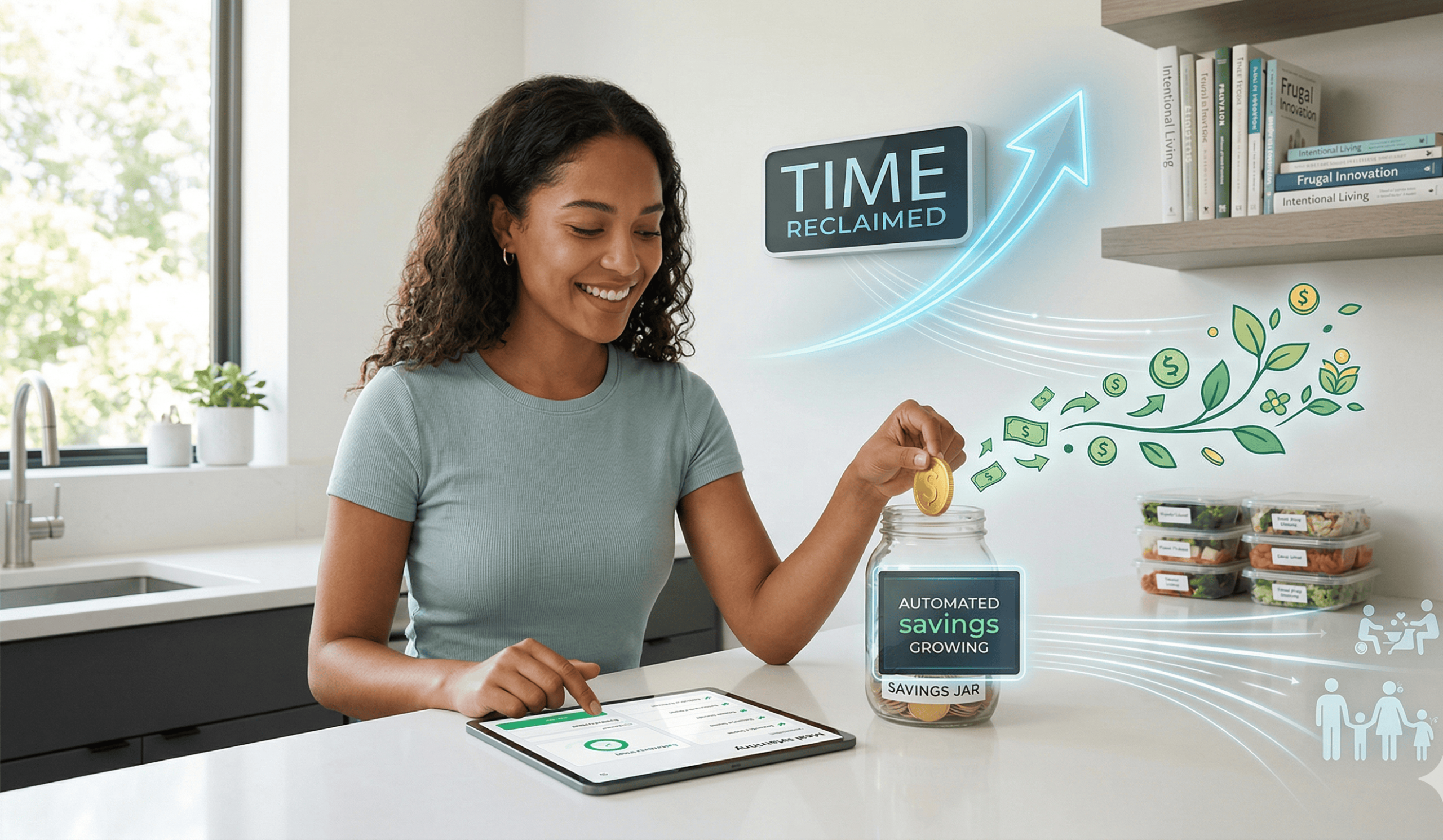
In today’s fast-paced world, two resources constantly feel scarce: time and money. We often find ourselves trading one for the other—spending money on convenience foods to save time, or spending hours hunting for bargains to save a few dollars. But what if you did not have to choose? What if you could optimize your daily routines to preserve both your bank account and your free hours?
Making smart lifestyle choices that save time and money is not about extreme frugality or exhausting productivity hacks. Instead, it is about intentional living. It involves analyzing your daily habits, identifying inefficiencies, and implementing sustainable systems that work for you. Whether you are a busy professional, a parent juggling household responsibilities, or simply someone looking to reduce daily stress, adopting a few strategic habits can dramatically improve your quality of life.
This comprehensive guide will explore practical, inclusive, and highly effective lifestyle changes. We will cover everything from kitchen optimization and financial automation to mindful consumption and daily routines. By the end of this post, you will have a toolkit of actionable strategies to help you reclaim your time and build your savings.
1. The Automation Advantage: Streamlining Your Finances
Financial stress can be a massive drain on both your emotional well-being and your time. Managing money manually—paying individual bills, transferring funds, and tracking every cent—is exhausting. The smartest lifestyle choice you can make is to let technology do the heavy lifting.
Automate Your Savings and Investments
The “pay yourself first” principle is a cornerstone of personal finance. Instead of waiting until the end of the month to see what is left to save, automate the process. Set up an automatic transfer from your checking account to your savings or investment account on the day your paycheck arrives.
- Why it works: It removes human error and the temptation to spend. You cannot spend money that is already safely tucked away in a savings account.
- Time saved: You save the mental energy and physical time of manually transferring money each month.
Put Your Bills on Autopilot
Late fees are an entirely avoidable expense that drains your wallet without offering any value in return. Set up automatic payments for your recurring utilities, internet, insurance, and minimum credit card payments.
- Pro Tip: If you are worried about overdrafts, create a dedicated checking account strictly for bills. Direct a portion of your paycheck into this account to cover fixed expenses, and set all autopays to pull from there.
Audit Subscriptions Regularly
We live in an era of subscription services. From streaming platforms to software and meal kits, it is incredibly easy to sign up and forget. Schedule a 15-minute “subscription audit” every three months. Use your bank statements to identify services you no longer use. Canceling a $15/month subscription saves you $180 a year—and the time you might spend mindlessly scrolling through a streaming service you do not even enjoy.
2. Kitchen Efficiency: Mastering Meals Without the Stress
Food is one of the largest variable expenses in any household budget. It is also an area where people lose a significant amount of time deciding what to eat, going to the store, and cooking. Streamlining your relationship with food is a massive win for both your wallet and your schedule.
The Power of Meal Planning and Batch Cooking
The question, “What is for dinner?” is responsible for millions of dollars spent on last-minute takeout. Meal planning eliminates this daily decision fatigue.
- How to start: Set aside 20 minutes on a Saturday or Sunday to plan your meals for the week. Look at what ingredients you already have in your pantry to prevent food waste.
- Batch Cooking: You do not need to prep every single meal in individual containers. Instead, try “ingredient prep.” Chop all your vegetables for the week on Sunday afternoon. Cook a large batch of a versatile grain, like quinoa or brown rice. Roast a large pan of vegetables or a family pack of protein. During the week, you can mix and match these prepped ingredients to create a meal in under 10 minutes.
Embrace Smart Grocery Shopping
Wandering through the grocery store without a plan is a guaranteed way to overspend and waste time.
- Use Grocery Pickup or Delivery: While there is sometimes a small fee for grocery delivery or pickup, it often pays for itself. Shopping online allows you to see your running total, stick strictly to your list, and avoid the psychological traps of end-cap displays and impulse buys. Plus, it saves you an hour or more of walking the aisles and waiting in line.
- Buy Non-Perishables in Bulk: If you have the financial means and the storage space, buying non-perishable items (like toilet paper, rice, pasta, and cleaning supplies) in bulk saves money in the long run and reduces the number of trips you need to make to the store.
Reduce Food Waste
According to environmental studies, the average household throws away a staggering amount of food each year. This is literally throwing money in the trash. Designate one night a week as “fridge clearing night.” Use leftover vegetables in a stir-fry, toss fading fruit into a smoothie, or make a hearty soup.
3. Intentional Consumption: Buying Less, Living More
Consumer culture encourages us to constantly upgrade, replace, and buy more. However, accumulating possessions requires time to shop, money to purchase, and energy to maintain, clean, and organize. Intentional consumption flips this script.
The 48-Hour Rule for Non-Essential Purchases
Impulse buying is a major budget killer. To combat this, implement the 48-hour rule. When you see something you want to buy that is not a basic necessity (like groceries or medicine), force yourself to wait 48 hours.
- The psychological benefit: This cooling-off period allows the initial rush of dopamine to fade. More often than not, after two days, you will realize you do not actually need or even want the item, saving you money and the hassle of eventual decluttering.
Build a Capsule Wardrobe
A capsule wardrobe is a curated collection of versatile, high-quality clothing items that can be mixed and matched easily.
- Time saved: You eliminate the daily struggle of standing in front of a packed closet feeling like you have “nothing to wear.” Getting dressed takes two minutes.
-
Money saved: By focusing on quality over quantity, you stop buying fast-fashion pieces that fall apart after three washes. You learn to invest in durable items that offer a low “cost per wear.”
Choose Quality Over Bargains
It sounds counterintuitive, but sometimes the cheapest option is the most expensive in the long run. If you buy a $20 pair of shoes that wears out in three months, you will spend $80 a year replacing them. If you buy an $80 pair of high-quality shoes that lasts three years, you have saved money and the time spent shopping for replacements. When buying items you use daily—like a mattress, kitchen knives, or a winter coat—invest in the best quality you can comfortably afford.
4. Optimizing Health and Wellness Routines
Your health is your most valuable asset. Poor health can lead to expensive medical bills, lost wages, and a significant loss of time. Making smart, preventative lifestyle choices regarding your well-being is the ultimate way to save both time and money.
Focus on Preventative Care
Do not skip your routine dental cleanings or annual physicals. Catching a cavity early costs a small co-pay; waiting until you need a root canal costs hundreds or thousands of dollars and hours in a dental chair. Eating a balanced diet, staying hydrated, and managing stress are free or low-cost ways to fortify your immune system against illnesses that cost time and money to treat.
Rethink Your Fitness Routine
You do not need a $150-a-month boutique gym membership to stay fit. If you love the gym and use it daily, it is a worthy investment. But if your gym card is gathering dust, cancel it immediately.
- Home Workouts: The internet is filled with free, high-quality workout routines. From yoga channels on YouTube to bodyweight fitness subreddits, you can get a world-class workout in your living room.
-
Time factor: Working out at home eliminates the commute to the gym, waiting for machines, and locker room small talk. A 30-minute workout at home takes exactly 30 minutes.
Drink More Water
This is perhaps the simplest tip, but it is highly effective. Swap out sodas, expensive coffees, and sugary juices for water. Invest in a high-quality, reusable water bottle and carry it everywhere. Not only is water fundamentally better for your physical health and energy levels, but eliminating beverage purchases can save the average person hundreds of dollars a year.
5. Reclaiming Your Time: Productivity and Daily Systems
Time is the one resource you can never earn back. By optimizing your daily systems, you can create pockets of free time that you can use to rest, connect with loved ones, or pursue hobbies.
Embrace Task Batching
Context switching—jumping from one type of task to another—drains your brain’s energy and wastes time. Instead, use task batching. Group similar activities together and knock them out all at once.
- Examples: Instead of doing laundry every day, do it all on Sunday morning. Instead of checking email 20 times a day, check it once in the morning, once at noon, and once before logging off. Make all your phone calls back-to-back.
-
The result: You get into a flow state, completing tasks much faster than if you scattered them throughout the week.
Unsubscribe and Unfollow
Your inbox and social media feeds are battlegrounds for your attention and your wallet. Every marketing email is designed to make you spend money. Every influencer post is designed to create a sense of lacking.
- Action step: Spend 10 minutes unsubscribing from every store email list. Unfollow brands and influencers who trigger the urge to shop. You will save time by not having to clear out digital clutter daily, and you will save money by removing the temptation of “flash sales.”
Optimize Your Commute
If you have to commute, do not let that time go to waste. If you drive, use the time to listen to educational podcasts or audiobooks borrowed for free from your local library (using apps like Libby or Hoopla). IIf you take public transit, use the time to read, meditate, or catch up on emails so you have less to do when you get to the office.
Furthermore, if your workplace allows it, advocate for a hybrid or remote work schedule. Even working from home one or two days a week saves money on gas, vehicle wear-and-tear, and commuting time.
6. The Power of Community: Sharing and Borrowing
Individualism often pushes us to own everything we might ever need. However, relying on your community is a fantastic way to save resources.
Utilize Your Local Library
Libraries are no longer just for books. Modern public libraries are treasure troves of free resources. Beyond physical books, audiobooks, and movies, many libraries offer free access to:
- State park passes
- Museum tickets
- Online courses (like LinkedIn Learning or Coursera)
- Maker spaces (with 3D printers and sewing machines)
- Tool libraries
Practice Skill Swapping
Before hiring someone to complete a task, look to your social circle. Do you excel at graphic design while your friend is an incredible mechanic? Offer to design their new business logo in exchange for them changing your brake pads. Skill swapping builds community, saves cash, and often saves time since you are working with trusted individuals rather than vetting strangers.
Rent or Borrow Rarely Used Items
If you are doing a DIY project that requires a tile saw, do not buy a tool you will use exactly once. Rent it from a local hardware store or borrow it from a neighbor. The same applies to formal wear, camping gear, and specialty kitchen appliances. Sharing economies and community buy-nothing groups are excellent resources for finding what you need without a permanent financial commitment.
Conclusion
Adopting smart lifestyle choices that save time and money is a journey, not an overnight transformation. It is about shifting your mindset from passive consumption to active, intentional living.
Start small. You do not need to implement every strategy in this guide today. Pick one or two areas—perhaps setting up automated savings and planning next week’s dinners—and master those first. As these new routines become habitual, you will begin to notice a compounding effect. You will find yourself with a little more breathing room in your budget and a few extra hours in your week.
Ultimately, saving time and money is not about deprivation; it is about liberation. By cutting out the inefficiencies, the impulse buys, and the time-wasters, you free up your resources to invest in what truly matters: your relationships, your passions, and your peace of mind.
Frequently Asked Questions (FAQ)
1. How do I start meal planning if I have a very unpredictable schedule?
If your schedule changes daily, rigid meal plans will not work. Instead, focus on “flexible batching.” Keep your freezer stocked with pre-cooked proteins and frozen vegetables. Plan 3 “core” meals you will definitely cook, and keep the rest of the week open for leftovers or quick 10-minute pantry meals (like pasta or an omelet).
2. Does buying in bulk actually save money for a single person?
It depends on the item. Buying perishable food in bulk as a single person often leads to food waste, which costs money. However, buying non-perishables—like toilet paper, dish soap, or dry rice—in bulk is a smart financial move for anyone, provided you have the storage space. Always check the “price per ounce” on the shelf tag to ensure it is actually a deal.
3. I feel like I have no time to set up these automated systems. What should I do?
Think of automation as an investment. Yes, it takes 30 to 60 minutes to sit down, log into your accounts, and set up automatic transfers and bill pays. However, that one-time investment of 60 minutes will save you hours of manual labor over the next year. Schedule a specific “admin hour” on a weekend, grab a cup of coffee, and get it done all at once.
4. How can I stop impulse buying when shopping online?
The most effective trick is to add friction to the buying process. Delete your saved credit card information from your web browsers and favorite shopping apps. If you have to physically get up, find your wallet, and type in the numbers, you have time to reconsider the purchase. Combine this with the 48-hour rule for maximum effectiveness.
5. Are smart home devices worth the upfront cost to save money?
Yes, certain devices offer a high return on investment. A smart thermostat, for example, can learn your schedule and adjust the temperature when you are not home, saving up to 10-15% on heating and cooling bills annually. Smart LED bulbs last longer and use a fraction of the energy of traditional bulbs. While the upfront cost is higher, they typically pay for themselves within a year or two.
Reference Links for Further Reading
To continue your journey toward an optimized, intentional lifestyle, explore these reputable resources:
-
On Financial Automation: The Balance – How to Automate Your Finances
-
On Meal Planning and Reducing Waste: The New York Times Cooking – A Beginner’s Guide to Meal Prep
-
On Intentional Consumption: Becoming Minimalist – The Gentle Art of Letting Go and Buying Less
-
On Health and Preventative Care: Healthline – Why Preventative Healthcare is Crucial
-
On Time Management: Forbes – Task Batching: The Secret to Productivity
Leave a Reply