You’ve probably noticed it brightening up Indian curries, giving golden milk its signature color, and maybe even featured in trendy smoothies and latte mixes. Turmeric, with its vibrant orange-yellow hue and distinctively warm, peppery, and slightly bitter flavor, has transcended its origins as a staple of South Asian cuisine to become a globally recognized superfood.
But beyond its ability to color and flavor food, turmeric (Curcuma longa) is also one of the most studied and highly regarded medicinal plants in the world. For thousands of years, it has been a cornerstone of traditional healing systems like Ayurveda (the ancient medicine of India) and Traditional Chinese Medicine (TCM). It was used to treat a wide range of ailments, from digestive issues and respiratory conditions to skin problems and inflammation.
Today, modern science is increasingly validating the wisdom of these ancient practices. Researchers are diving deep into the chemical composition of turmeric to understand exactly how this simple spice delivers such profound health benefits.
The Secret Ingredient: Curcumin
So, what makes turmeric so special? The answer lies in its unique chemical profile, specifically in a group of compounds known as curcuminoids. Among these, curcumin is the most significant.
Curcumin is the main active ingredient in turmeric. It’s a powerful polyphenol responsible for most of the spice’s remarkable therapeutic properties. It’s an antioxidant, anti-inflammatory, and has antimicrobial and anticancer potential.
However, there’s a catch. Curcumin is only about 3-5% of turmeric, and it’s notoriously poorly absorbed by the body. It gets broken down quickly in the liver and intestinal wall before it can enter the bloodstream. This low “bioavailability” means that just adding a teaspoon of turmeric to your food might not deliver a therapeutic dose.
This is where the wisdom of traditional cuisine shines. In Indian cooking, turmeric is almost always combined with fats (like oil or ghee) and black pepper. As it turns out, piperine, the active compound in black pepper, significantly enhances curcumin absorption by inhibiting the enzymes that break it down. Fat is also essential for absorbing curcumin, which is oil-soluble.
Now that we understand what makes turmeric tick, let’s explore the scientifically-backed healing benefits of this golden spice.
1. The Ultimate Anti-Inflammatory
Chronic, low-level inflammation is believed to be the root cause of almost every major Western disease. It plays a critical role in heart disease, cancer, metabolic syndrome, Alzheimer’s disease, and various degenerative conditions.
This is where turmeric truly shines. Curcumin is a naturally powerful anti-inflammatory compound. Some studies have found it to be as effective as some anti-inflammatory drugs, but without the side effects. It works on a molecular level by blocking NF-kB, a molecule that travels into the nuclei of cells and turns on genes related to inflammation. This allows curcumin to act as a natural brake on the body’s entire inflammatory cascade.
2. A Potent Antioxidant Booster
Oxidative damage is one of the mechanisms behind aging and many diseases. It involves free radicals—highly reactive molecules with unpaired electrons—which react with important organic substances, such as fatty acids, proteins, or DNA.
Antioxidants are so beneficial because they protect your body from these free radicals. Curcumin is a potent antioxidant that can neutralize free radicals due to its chemical structure. But that’s not all. It also boosts the activity of your body’s own antioxidant enzymes, offering a double-barreled defense against oxidative stress.
3. Supports Brain Health and Lowers Risk of Brain Diseases
Until recently, it was believed that neurons were not able to divide and multiply after early childhood. We now know that they can form new connections and, in certain areas of the brain, even multiply.
A key driver of this process is Brain-Derived Neurotrophic Factor (BDNF), a type of growth hormone that functions in your brain. Decreased levels of this hormone have been linked to common brain disorders, including depression and Alzheimer’s disease.
Curcumin can increase brain levels of BDNF. By doing so, it may be effective at delaying or even reversing many brain diseases and age-related decreases in brain function. There is also evidence that curcumin can cross the blood-brain barrier, offering potential directly in brain tissue.
4. May Lower Your Risk of Heart Disease
Heart disease is the number one cause of death in the world. It’s incredibly complex, and various factors contribute to it. Curcumin may help reverse many steps in the heart disease process.
Perhaps the main benefit of curcumin in heart disease is improving the function of the endothelium, which is the lining of your blood vessels. Endothelial dysfunction is a major driver of heart disease and involves the inability of your endothelium to regulate blood pressure, blood clotting, and other factors.
Several studies suggest that curcumin leads to improvements in endothelial function. Additionally, because it is a potent anti-inflammatory and antioxidant, it targets two other significant components of heart disease.
5. Potential in Cancer Prevention and Treatment
Cancer is a dreadful disease, characterized by uncontrolled cell growth. While there are many different types of cancer, they do have several commonalities. Some are affected by curcumin supplements.
Researchers have been studying curcumin as a beneficial herb in cancer treatment. It can affect cancer growth, development, and spread at the molecular level. Studies have shown that it can contribute to the death of cancerous cells and reduce angiogenesis (growth of new blood vessels in tumors) and metastasis (spread of cancer).
While high doses of curcumin are still being studied as a complementary therapy alongside conventional cancer treatments, it’s a very promising area of research. There is also evidence that it may prevent cancer from occurring in the first place, especially cancers of the digestive system (like colorectal cancer).
6. Effective for Joint Health and Arthritis
Arthritis is a common problem in Western countries. There are several different types, but most involve inflammation in the joints.
Given that curcumin is a potent anti-inflammatory compound, it makes sense that it would help with arthritis. In a study of people with rheumatoid arthritis, curcumin was even more effective than an anti-inflammatory drug. Many other studies have looked at the effects of curcumin on osteoarthritis and noted improvements in various symptoms.
7. Benefits Against Depression
Depression is also linked to reduced levels of Brain-Derived Neurotrophic Factor (BDNF) and a shrinking hippocampus, a brain area with a role in learning and memory.
Curcumin boosts BDNF levels, potentially reversing some of these changes. There is also some evidence that curcumin can boost the brain neurotransmitters serotonin and dopamine.
One small study showed that curcumin was as effective as an antidepressant. In the study, 60 people with depression were randomized into three groups. One group took Prozac, another took one gram of curcumin, and the third took both Prozac and curcumin. After 6 weeks, the curcumin group had seen improvements similar to those of the Prozac group.
8. May Help Delay Aging and Fight Age-Related Chronic Diseases
If curcumin can truly help prevent heart disease, cancer, and Alzheimer’s, it would have obvious benefits for longevity. For this reason, curcumin has become very popular as an anti-aging supplement.
Given that inflammation and oxidative stress are thought to play a role in aging, curcumin may have effects that go far beyond just preventing disease. It seems that this golden spice might truly be a key to a longer, healthier life.
How to Add More Turmeric and Curcumin to Your Life
Given all these incredible benefits, you’re likely wondering how to make the most of turmeric. Here are the best ways to incorporate it:
In Your Diet: Cooking with Turmeric
-
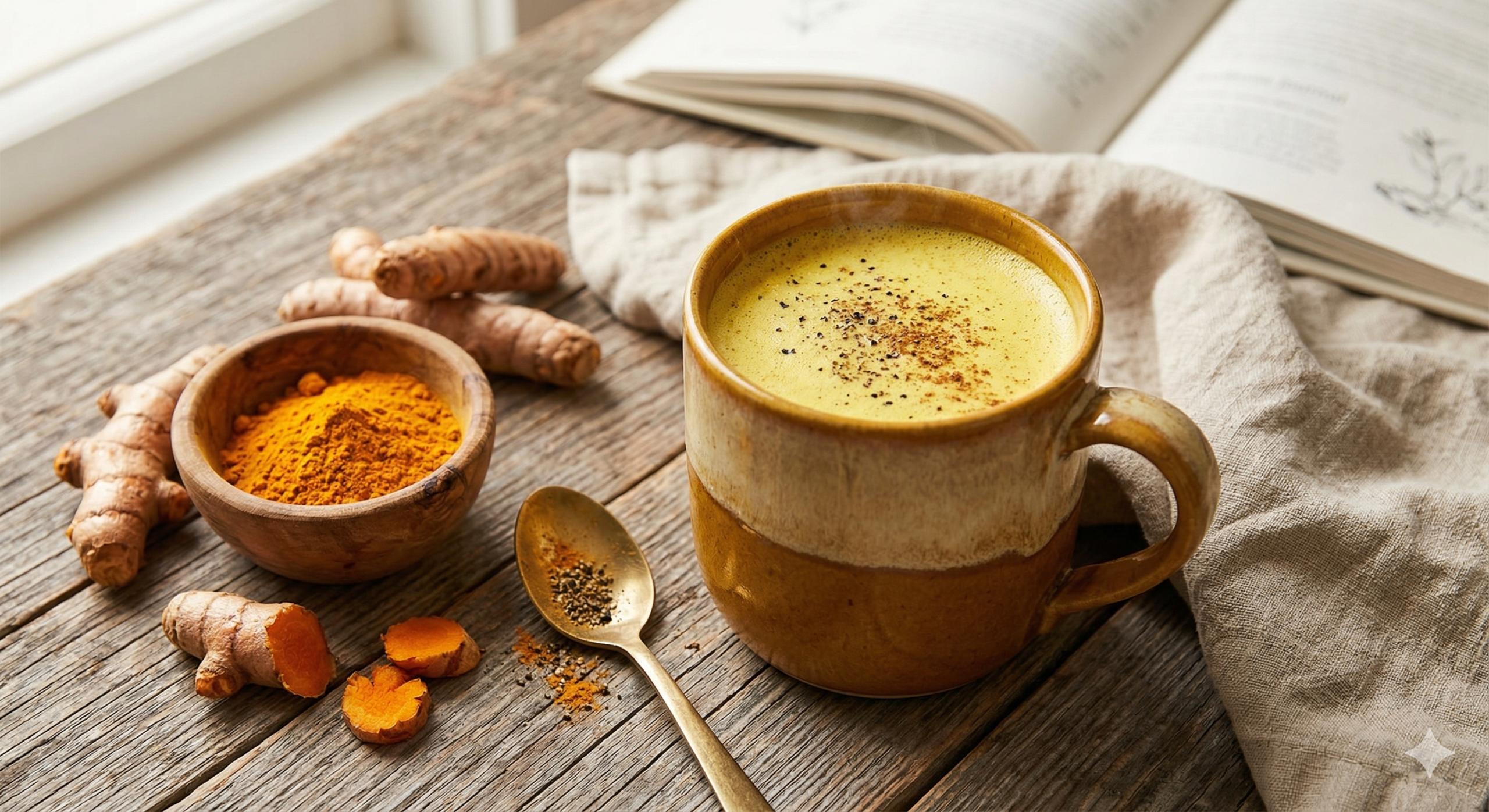
Golden Milk (Turmeric Latte): A classic and comforting way to consume turmeric. Gently heat your favorite milk (dairy or plant-based) with a teaspoon of turmeric, a pinch of black pepper, a little fat (like coconut oil or ghee), and a sweetener of your choice (honey or maple syrup). You can also add ginger, cinnamon, or cardamom.
-
Curries and Soups: Turmeric is the base of many curry powders. Add it to stir-fries, soups, stews, and lentil dishes (dal).
-
Rice and Grains: Add a teaspoon to the water when cooking rice, quinoa, or other grains for a beautiful color and subtle flavor.
-
Scrambled Eggs or Tofu: A sprinkle of turmeric boosts the color and adds health benefits to your breakfast.
-
Smoothies: A small amount of fresh turmeric root (grated) or turmeric powder can be added to your morning smoothie. Be sure to add some fat, like avocado or nut butter, to help with absorption.
Through Supplements
While including turmeric in your diet is highly beneficial, it’s difficult to get a therapeutic dose of curcumin from food alone (remember, it’s only 3-5% of the spice). If you’re looking to address a specific condition, a curcumin supplement may be necessary.
When choosing a supplement, look for one that:
-
Contains Piperine (Black Pepper Extract): This significantly increases absorption. A common formulation is Bioperine®.
-
Is Standardized: Look for products that state they are “standardized to 95% curcuminoids.”
-
Third-Party Tested: Ensure the supplement has been tested for purity and potency by an independent lab (like USP, NSF, or ConsumerLab).
Important Precautions and Potential Side Effects
While turmeric is generally safe for most people when consumed in food, high doses of curcumin supplements can cause side effects in some individuals.
-
Digestive Issues: Some people may experience stomach upset, nausea, dizziness, or diarrhea, especially at high doses.
-
Blood Thinning: Curcumin can have mild anticoagulant properties. If you are taking blood-thinning medications (like warfarin or aspirin), consult your doctor before taking high-dose supplements, as it could increase your risk of bleeding.
-
Gallbladder Problems: Turmeric may cause the gallbladder to contract, which could worsen problems for people with gallstones or bile duct obstructions.
-
Pregnancy and Breastfeeding: While safe in food amounts, high doses of curcumin supplements are not recommended during pregnancy, as they may stimulate the uterus.
As with any supplement, it’s always best to consult with your doctor or a qualified healthcare professional before starting, especially if you have an underlying health condition, are pregnant or breastfeeding, or are taking medications.
The Takeaway
Turmeric is not just a spice; it’s a golden treasure from nature, offering a wealth of potential health benefits. Its core compound, curcumin, has been shown to be a powerful ally against inflammation, oxidative stress, and a host of chronic diseases.
By making this vibrant spice a regular part of your diet—whether it’s in a warming cup of golden milk or a flavorful curry—and by considering high-quality supplements when needed, you can harness the healing power of the golden spice to support your own journey to health and wellness.
Turmeric & Curcumin: Frequently Asked Questions
1. Is there a difference between turmeric and curcumin?
Yes. Think of turmeric as the whole plant (the root you see in the grocery store) and curcumin as the “superstar” compound found inside it. Turmeric contains hundreds of components, but curcumin is the primary active ingredient responsible for its powerful anti-inflammatory and antioxidant effects.
2. Why should I eat black pepper with turmeric?
Curcumin is notoriously difficult for the body to absorb on its own. Black pepper contains a compound called piperine, which has been shown to increase the absorption of curcumin by up to 2,000%. Without a pinch of black pepper (or a source of healthy fat), most of the turmeric you eat simply passes through your system.
3. Can I just eat turmeric root instead of taking a supplement?
While adding fresh or powdered turmeric to your meals is great for general wellness, it only contains about 3% curcumin by weight. If you are trying to manage a specific condition like chronic joint pain or intense inflammation, a standardized supplement is usually necessary to reach a therapeutic dose.
4. How much turmeric should I take daily?
-
For cooking: 1–3 grams of dried powder (about 1/2 to 1 teaspoon) per day is considered safe and beneficial.
-
For supplements: Most clinical studies use doses ranging from 500–2,000 mg of curcumin per day.
Note: Always consult with a healthcare provider before starting a high-dose supplement regimen.
5. Does turmeric have any side effects?
Turmeric is generally very safe. However, in very high doses, some people report mild digestive issues like bloating, acid reflux, or diarrhea. Because it can have a mild blood-thinning effect, it should be used with caution by those on anticoagulant medications or those scheduled for surgery.
6. How long does it take to see results?
Unlike a quick-fix painkiller, turmeric is a “slow-build” botanical. Most people begin to notice a difference in joint comfort or energy levels after 4 to 8 weeks of consistent daily use.
7. Can I give turmeric to my pets?
Actually, yes! Many veterinarians recommend turmeric for dogs and cats to help with joint health and aging. However, the dosage is much smaller, and you should ensure the supplement doesn’t contain xylitol or other additives harmful to animals.