Move over vanilla and saffron, there’s a new queen in town – or should we say, an ancient one who’s reclaiming her throne. Green cardamom, with its intoxicating aroma and complex, slightly sweet, slightly smoky flavor, is more than just a spice; it’s a cultural phenomenon, an Ayurvedic powerhouse, and a culinary shape-shifter. Often referred to as the “Queen of Spices” (with black pepper as the king), cardamom is one of the world’s most expensive and beloved spices, and for good reason.
This blog post will delve deep into the world of green cardamom, exploring its myriad uses in the kitchen, its scientifically backed health benefits, and some truly surprising facts that will make you look at this tiny green pod with newfound respect.
A Brief Introduction to the Queen
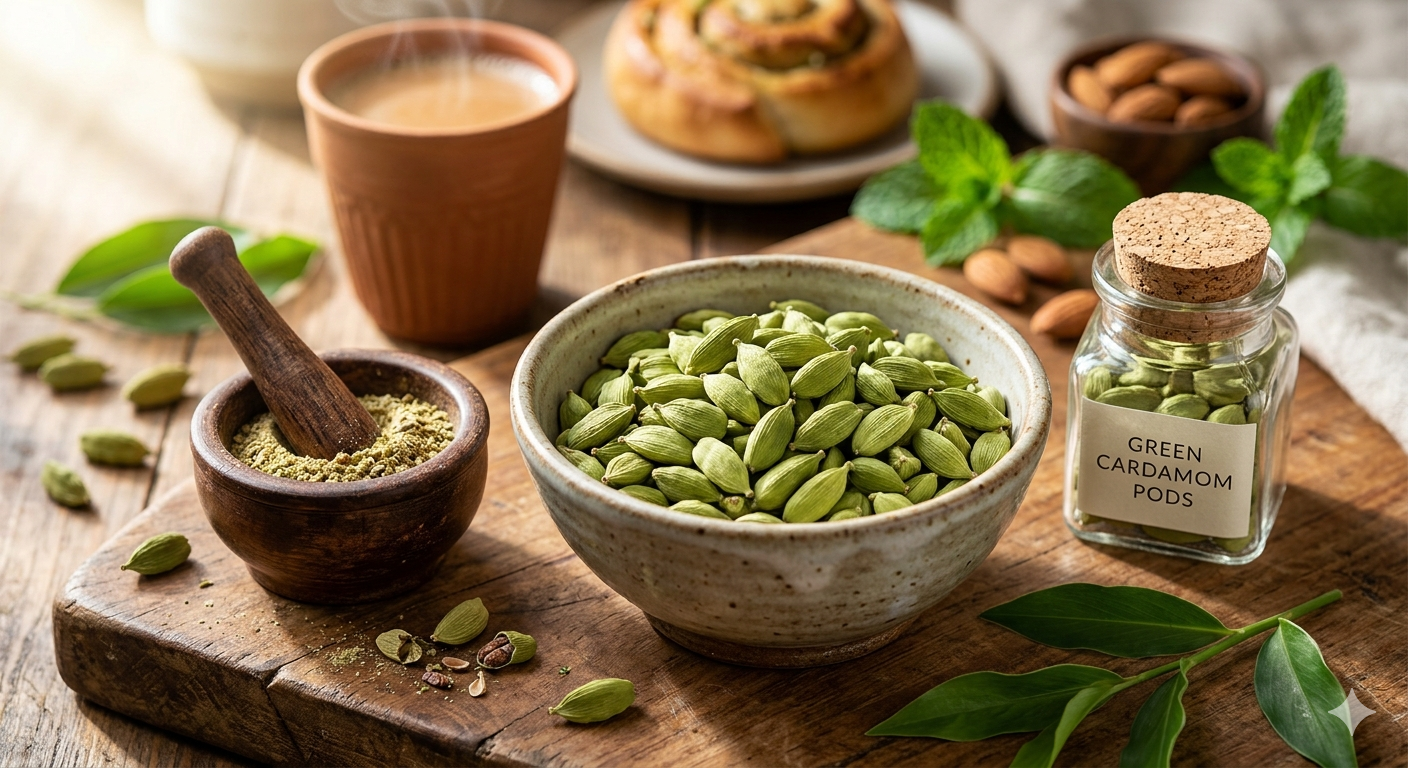
Before we dive into the specifics, let’s get acquainted. Green cardamom (Elettaria cardamomum) is a plant in the ginger family. It’s native to the evergreen forests of India, where it has been used for thousands of years. The cardamom we use are the dried seed pods of the plant. Inside each papery green pod are several small, black, pungent seeds. It’s these seeds that pack the flavor punch.
While India is the historical home of cardamom, Guatemala is currently the largest producer in the world. However, Indian cardamom, particularly from the Malabar coast, is still considered to be of the highest quality and aroma.
Beyond the Curry: The Many Culinary Uses of Green Cardamom
When people think of cardamom, they often associate it with Indian curries and masala chai. While it’s an indispensable ingredient in these dishes, its culinary versatility extends far beyond South Asia. Cardamom’s unique flavor profile—simultaneously citrusy, minty, herbal, and warm—allows it to bridge the gap between sweet and savory.
1. The Sweet Side of Cardamom
This is perhaps where cardamom truly shines outside of Indian cuisine. Its ability to enhance sweet flavors is magical.
-
Baking: Cardamom is a superstar in Scandinavian baking. Think of Swedish cardamom buns (kanelbullar) or Norwegian Christmas cookies. It adds a depth and sophistication that cinnamon alone can’t achieve. Try adding a pinch to your next batch of cookies, cakes, or even brownies. It pairs wonderfully with apple, pear, and chocolate.
-
Desserts: A dash of cardamom powder elevates simple desserts. It’s a staple in Indian sweets like kheer (rice pudding), gulab jamun, and barfi. It also pairs beautifully with ice cream, custards, and fruit compotes.
-
Coffee and Tea: In the Middle East, coffee is often prepared with cardamom. The cardamom is ground along with the coffee beans, resulting in a rich, aromatic brew (gahwa). In India, no masala chai is complete without a pod or two of green cardamom. It’s also fantastic in simple black tea or even hot chocolate.
-
Liqueurs and Cocktails: Cardamom is a popular ingredient in bitters and craft gin. A cardamom-infused simple syrup can transform a gin and tonic or a vodka cocktail.
2. The Savory Symphony
While dominant in sweet applications, cardamom’s warm, peppery, and slightly smoky notes make it a versatile savory spice.
-
Curries and Stews: This is classic. In Indian, Pakistani, and Sri Lankan cuisine, cardamom is a key component of many spice blends, including garam masala. It adds a base note of complexity to chicken, lamb, and vegetable curries.
-
Rice Dishes: Cardamom is essential for a good biryani or pilaf. The whole pods are often bloomed in oil or ghee before adding the rice and water, infusing the entire dish with its aroma.
-
Meat Marinades: Its antibacterial properties and strong flavor make it an excellent addition to marinades for meat and poultry. It helps tenderize the meat and adds a layer of sophisticated flavor.
-
Pickling: The whole pods are often used in pickling spices for vegetables.
-
Middle Eastern Cuisine: Beyond coffee, cardamom is used in various savory dishes across the Middle East, from lamb shanks to lentil soups.
More Than Just Flavor: The Surprising Health Benefits of Green Cardamom
For centuries, Ayurvedic and traditional Chinese medicine have used cardamom to treat various ailments. Today, modern science is beginning to validate many of these ancient uses. Cardamom is packed with vitamins (A, C), minerals (calcium, potassium, iron, magnesium), and powerful antioxidants.
1. A Digestive Powerhouse
Cardamom’s most famous health benefit is its role in digestion.
-
Relieves Bloating and Gas: Cardamom seeds and oil have carminative properties, which help to expel gas from the stomach and intestines, providing relief from bloating and flatulence.
-
Aids in Digestion: It stimulates the secretion of digestive enzymes, which helps in breaking down food more efficiently and prevents issues like acidity and indigestion.
-
Combats Ulcers: Research suggests that cardamom extracts can help protect against gastric ulcers caused by bacteria like H. pylori.
-
Soothes Nausea: Its carminative and anti-inflammatory properties can help settle an upset stomach and relieve nausea, including morning sickness in pregnant women (though consult a doctor first).
2. Promotes Oral Health
There’s a reason cardamom is a common ingredient in mouth fresheners in South Asia.
-
Fights Bad Breath: Cardamom contains essential oils that have potent antibacterial properties. These oils can kill the bacteria that cause bad breath (halitosis). Chewing on a single green cardamom pod after a meal is a natural and effective way to freshen your breath.
-
Prevents Cavities: The same antibacterial compounds can help inhibit the growth of bacteria that lead to cavities and gum disease.
3. Supports Heart Health
Cardamom may contribute to a healthy cardiovascular system in several ways.
-
Lowers Blood Pressure: Some studies suggest that the high levels of antioxidants in cardamom can help reduce high blood pressure. Its diuretic effect might also play a role in this.
-
Improves Cholesterol Levels: Research indicates that cardamom may help lower “bad” LDL cholesterol and triglycerides while maintaining or even increasing “good” HDL cholesterol.
-
Prevents Blood Clots: The plant compounds in cardamom may have anti-platelet effects, which can help prevent the formation of dangerous blood clots.
4. Blood Sugar Regulation
Cardamom may be beneficial for people with type 2 diabetes or those at risk. Studies suggest it can help improve insulin sensitivity and lower fasting blood sugar levels.
5. Anti-Inflammatory Properties
Chronic inflammation is at the root of many diseases, including arthritis and heart disease. Cardamom is rich in compounds that exhibit potent anti-inflammatory effects. This makes it a potential therapeutic agent for managing inflammatory conditions.
6. Boosts Respiratory Health
In traditional medicine, cardamom has been used to treat respiratory conditions like asthma and bronchitis. Its warm and stimulating properties can help clear congestion in the lungs and improve air circulation. The essential oils may also act as an expectorant.
7. Potential Cancer-Fighting Properties
While more research is needed, some early studies (mostly in animals and test tubes) suggest that cardamom and its compounds may help prevent the growth and spread of certain types of cancer cells. Its high antioxidant content is thought to play a role in this.
5 Surprising Facts About Green Cardamom
You might think you know cardamom, but these lesser-known facts might surprise you.
1. It’s the World’s Third Most Expensive Spice
After saffron and vanilla, cardamom is the third most expensive spice by weight. This is due to the labor-intensive nature of its cultivation and harvesting. Cardamom is harvested by hand, and the pods must be picked just before they are ripe, or they will split open. The drying process also requires careful management.
2. Cardamom Has a Black-Sheep Sibling
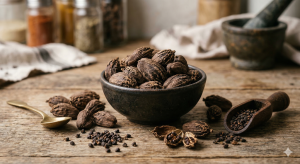
There are two main types of cardamom: Green Cardamom (Elettaria cardamomum) and Black Cardamom (Amomum subulatum). Despite sharing the name, they are quite different. Green cardamom comes from a smaller plant and has a subtle, sweet, complex flavor. Black cardamom is much larger, has a rough, dark brown pod, and a distinctly smoky, earthy flavor. They are not interchangeable in recipes. Green is for sweet and delicate savory; black is for heavy, robust, and smoky dishes.
3. It Was a Vital Trade Commodity
The demand for cardamom, along with other spices from the East, was a major driver of global trade during the Age of Discovery. European explorers like Vasco da Gama ventured to India in search of these precious spices, forever altering the course of world history.
4. Cardamom Oils are Used in Perfumes and Aromatherapy
Cardamom’s rich, exotic aroma isn’t just for food. The essential oil extracted from the seeds is a valued ingredient in high-end perfumes and colognes, particularly in “Oriental” and woody scent profiles. In aromatherapy, cardamom oil is believed to have stimulating, uplifting, and clear-headed properties. It can also be used topically (diluted with a carrier oil) to soothe muscle and joint pain.
5. How to Store Cardamom for Maximum Freshness
To get the most out of your expensive cardamom, proper storage is key.
-
Buy Whole Pods: This is the golden rule of spices. Whole spices retain their flavor and aroma far longer than pre-ground ones. The essential oils, where all the flavor lies, are volatile and begin to evaporate as soon as the spice is ground.
-
Keep It Dark and Cool: Store whole cardamom pods in an airtight glass or ceramic container in a cool, dark place, away from heat, moisture, and direct sunlight. A kitchen cabinet is ideal. Avoid storing spices above the stove.
-
Only Grind When Needed: When a recipe calls for cardamom powder, use a mortar and pestle or a clean spice grinder to grind the seeds from the pods just before you need them. This ensures you get that vibrant, complex flavor the Queen of Spices is known for. Properly stored whole pods can last for a year or more.
A Royal Conclusion
Green cardamom is a spice that truly lives up to its “Queen” title. From the humblest cup of chai to the most elegant Scandinavian pastry, its distinctive flavor can elevate any dish. But its appeal goes far beyond the palate. Its impressive profile of health benefits, particularly for digestive and heart health, makes it a valuable addition to a wellness-conscious diet.
So, the next time you see that jar of green pods, remember the history, the labor, and the multi-layered magic it holds. Don’t relegate it to just one or two dishes. Experiment with cardamom in your baking, your morning coffee, or that roast chicken marinade. Embrace the Queen, and let her add her sophisticated touch to your life.