Garam masala. A name that instantly conjures warm aromas, depth, and a touch of something special in Indian cuisine. More than just a simple spice mix, it’s a culinary cornerstone, a fragrant legacy passed down through generations. But what exactly is it? What makes it so unique? And how can you harness its magic in your own kitchen? Let’s embark on a journey through the fragrant world of garam masala, uncovering its origins, components, variations, and the secrets to unlocking its full potential.
The Heartbeat of Indian Flavors
At its core, “garam masala” translates from Hindi simply to “warm spice mix.” “Garam” meaning warm and “masala” meaning spice mixture. And “warm” is a key descriptor. It doesn’t necessarily mean “hot” in terms of chili heat, although some variations do include chili. It refers to the depth and complexity it brings, the comforting warmth that spreads through a dish, adding a layered richness that is characteristic of so much of Indian cooking.
Unlike many spice blends that are used as base flavors from the start of cooking, garam masala is most often added near the end of the cooking process. This preserves its more volatile aromatics, allowing them to truly bloom and finish a dish with a burst of flavor. It’s the secret ingredient that transforms a good curry into a great one, a simple dal into a symphony of taste.
The Anatomy of the Blend
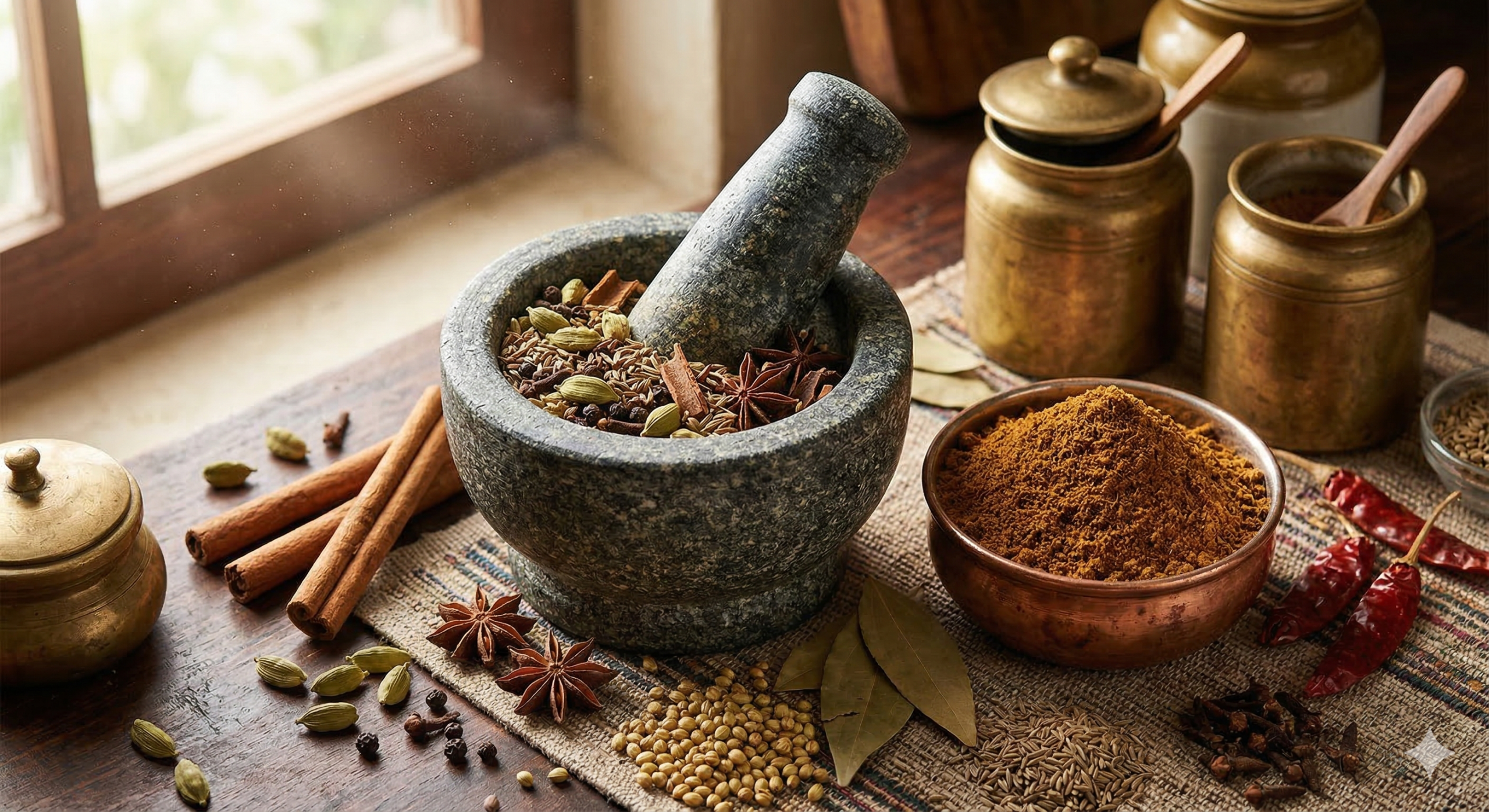
So, what’s in this mystical mix? While there’s no single, universal recipe, and every region (and often every household!) has its own cherished version, there are several key players that form the foundation. These “core spices” are the usual suspects, with others varying by region and recipe:
The Core Players:
-
Cardamom (Green & Black): This aromatic spice comes in two main varieties, each adding distinct notes. Green cardamom is fragrant and floral with citrus undertones, while black cardamom is earthier, slightly smoky, and has a more complex, almost medicinal flavor. They are the heart of many traditional garam masalas.
-
Cinnamon: Not the sweet, desserty cassia commonly found in Western supermarkets, but true Ceylon cinnamon (which is more delicate) or the slightly coarser cassia bark used widely in India. It adds a comforting, woody warmth.
-
Cloves: Intense and aromatic, cloves provide a strong, warm, and slightly sweet-and-sour flavor. Their oiliness and distinct aroma are essential to a good blend.
-
Cumin: Earthy, nutty, and slightly pungent, cumin adds a key groundedness and savory depth.
-
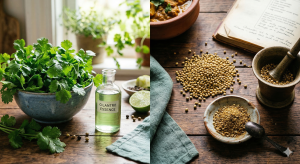
Coriander Seeds: With a warm, nutty, citrusy, and slightly sweet flavor, coriander acts as a bridge, bringing together the other spices.
-
Black Peppercorns: Providing a sharp, pungent bite, black pepper adds necessary heat and cuts through richer flavors.
The Supporting Cast (Variable):
Beyond the core, numerous other spices can find their way into a garam masala, depending on the region and desired outcome:
-
Nutmeg & Mace: Adding a subtle, warm, sweet, and nutty flavor (mace is the outer covering of the nutmeg seed).
-
Star Anise: With its strong licorice-like flavor, it adds a distinct complexity.
-
Fennel Seeds: Known for their slight anise/licorice sweetness, but milder than star anise.
-
Bay Leaves: A fragrant, woody note, adding a subtle depth.
-
Dried Red Chilies: (Sometimes used, but not essential) Can add heat, depending on the variation.
-
Turmeric: (Occasionally) Primarily for its vibrant yellow color and subtle earthy note.
-
Saffron: (Very rare and luxurious) Adds a unique, complex aroma and color.
-
Other regional or specific spices: Think caraway seeds, poppy seeds, or even dried mango powder (amchur).
Regional Variations: A Culinary Tapestry
One of the most fascinating aspects of garam masala is its diversity. Just as India is a land of vibrant cultures and cuisines, its favorite spice blend reflects this beautiful tapestry. While the core elements might remain similar, the proportions and additional spices shift, creating unique flavor profiles from region to region:
-
North India (Punjabi style): Often a robust and warming blend, featuring a high proportion of cumin, coriander, cinnamon, black pepper, and sometimes incorporating black cardamom, cloves, and bay leaves. It’s hearty and often used in rich gravies and meat dishes.
-
South India (Keralan or Chettinad styles): Tends to be more complex and sometimes hotter. Might feature more star anise, fennel seeds, curry leaves, and perhaps even poppy seeds or dried red chilies. It can have a unique balance of sweetness, heat, and floral notes.
-
East India (Bengali style): Often simpler and sweeter, focusing on fewer spices like green cardamom, cinnamon, and cloves. Panch Phoron, a whole spice blend (cumin, fennel, mustard, nigella, and fenugreek seeds), is also frequently used.
-
West India (Maharashtrian style): Can vary widely, but might incorporate more red chili heat and sometimes regional specialties like white poppy seeds. “Goda Masala” is another key blend here, known for its sweet, roasted flavors.
-
Hyderabad (Mughlai influence): Known for its complex, layered flavors, often using richer spices like nutmeg, mace, and sometimes saffron or shahi jeera (black cumin). It’s key to the iconic Hyderabadi biryani.
This is just a tiny glimpse! Within these broad regions, there are countless micro-variations, reflecting the local availability of spices, cultural influences, and personal preferences. It’s this beautiful variation that makes garam masala such an exciting ingredient to explore.
Making Your Own Garam Masala: The Secret to Freshness and Control
While pre-ground garam masala is widely available, there’s absolutely nothing that compares to the aroma and flavor of freshly made. Whole spices hold their essential oils (which are the source of their flavor and aroma) for much longer than pre-ground powders. Making your own blend allows you to:
-
Maximize Freshness: The aroma of freshly toasted and ground spices is incomparably vibrant.
-
Customize the Blend: Adjust the ratios of spices to suit your taste – perhaps you prefer more cinnamon or less clove.
-
Control Quality: You choose high-quality, whole spices.
-
Create Your Signature Blend: Discover a combination that becomes uniquely yours.
Here’s a basic recipe to get you started:
Basic Homemade Garam Masala Recipe:
Ingredients:
-
2 tbsp whole coriander seeds
-
1 tbsp whole cumin seeds
-
1 tsp whole black peppercorns
-
1 tsp whole cloves
-
1 tsp whole green cardamom pods (or the seeds from about 10-12 pods)
-
2-3 small sticks of cinnamon (about 1 inch each)
-
1-2 small black cardamom pods (optional)
-
1-2 star anise (optional)
-
1 small blade of mace (optional)
-
¼ tsp freshly grated nutmeg (optional)
Instructions:
-
Toast the Spices: In a heavy-bottomed skillet or pan, dry-roast the whole spices (except the nutmeg, if using) over low-medium heat. Swirl the pan occasionally and stir.
-
Be Careful! The goal is to warm them gently to release their oils, not burn them. You’ll start to smell the spices becoming incredibly fragrant within 2-4 minutes. Keep a close eye – they can burn quickly.
-
Cool and Grind: As soon as they are fragrant and lightly toasted, immediately remove the spices from the pan and let them cool completely on a plate. This is important – grinding warm spices can cause them to clump or release their oils too quickly.
-
Grind to a Powder: Once cool, transfer the spices (including the grated nutmeg, if using) to a clean spice grinder (or a coffee grinder dedicated solely to spices). Pulse until they are ground into a fine powder.
-
Store: Transfer your freshly made garam masala to an airtight glass jar or container. Store it in a cool, dark place (like a spice cabinet) away from direct light and heat. It will be at its peak flavor for about 3-6 months.
Tip: For maximum flavor, grind smaller batches more frequently rather than one large batch.
How to Use Garam Masala in Your Cooking
Understanding when and how to use garam masala is just as important as knowing what it is. Here are the key ways it’s typically incorporated:
1. The Finishing Touch (Most Common):
-
Add Towards the End: This is the classic application. As your dish is nearing completion (the last 5-10 minutes of cooking), sprinkle in a teaspoon or two of garam masala. This preserves its aromatic compounds, allowing them to bloom and perfume the dish just before serving.
-
Stir and Simmer Briefly: Stir it in gently and let the dish simmer for just a minute or two to let the flavors meld.
2. As a Marinade Component:
-
Combine with Other Spices: Mix garam masala with yogurt, ginger, garlic, chili powder, and other spices to create a flavorful marinade for meats (like in chicken tikka masala or tandoori dishes) or vegetables before grilling, roasting, or pan-frying.
3. In Wet Curries and Dals:
-
Add Towards the End (as above): This is the standard method for dishes like butter chicken, paneer tikka masala, and various lentil stews (dal tadka).
4. Sprinkled Over Rice and Breads:
-
Rice: Sprinkle a pinch over freshly cooked basmati rice or biryani just before serving for an aromatic lift.
-
Breads: Mix it with a little melted butter or ghee and brush it onto naan or roti after cooking for a flavor boost.
5. Even in Some Sweets (Occasionally):
-
Unexpected Twist: Some dessert recipes, particularly those influenced by Indian flavors (like spiced puddings or certain types of traditional sweets), might use a tiny pinch to add an aromatic warmth. Use with caution!
Beyond the Expected: Getting Creative with Garam Masala
While its traditional uses are well-defined, garam masala’s complex and warm profile opens up exciting possibilities outside of purely Indian cuisine:
-
Warm Up Soups & Stews: Add a pinch to roasted vegetable soups (especially those with squash or sweet potato), lentil soups, or hearty bean stews for depth.
-
Spice Up Roasted Vegetables: Toss root vegetables (carrots, sweet potatoes, parsnips) or cauliflower with olive oil, salt, and a little garam masala before roasting.
-
Flavor Ground Meats: Use it in burger patties, meatloaf, or keema dishes for a subtle flavor dimension.
-
Elevate Grains: Cook quinoa, couscous, or even simple rice pilaf with a pinch for an earthy warmth.
-
Add Depth to Sauces: A small amount can add complexity to cream-based sauces or even certain tomato-based sauces.
-
Explore Baking: (With caution!) Think beyond the sweet-only paradigm. A tiny pinch might add an unexpected warmth to gingerbread, spiced cookies, or even a robust carrot cake, particularly if it has nuts and raisins.
The Magic of Warmth
Garam masala is far more than just a convenience blend of random spices. It represents a profound understanding of flavor, balance, and the art of coaxing out the best aromatics. Whether you’re simmering a complex curry, marinating chicken for the grill, or looking for that final, perfect note to finish a simple dal, garam masala is a versatile and essential tool.
By understanding its core components, appreciating its regional variations, and perhaps even venturing to make your own fresh blend, you can unlock its full potential. So, embrace the warmth, experiment with its uses, and let this fragrant, complex spice blend transport you to the vibrant and delicious world of Indian flavors. It might just become one of your most treasured culinary secrets. Happy cooking!