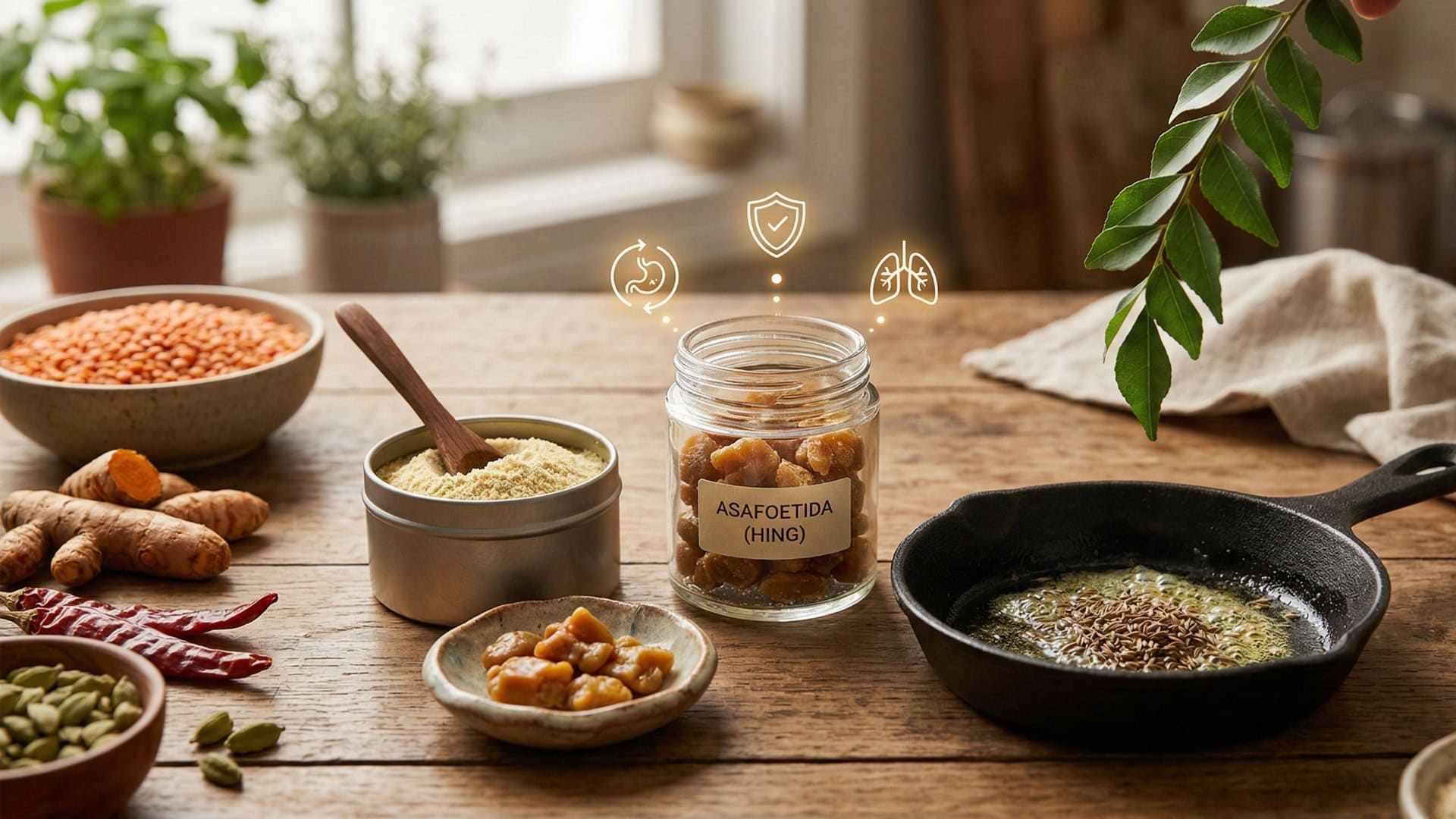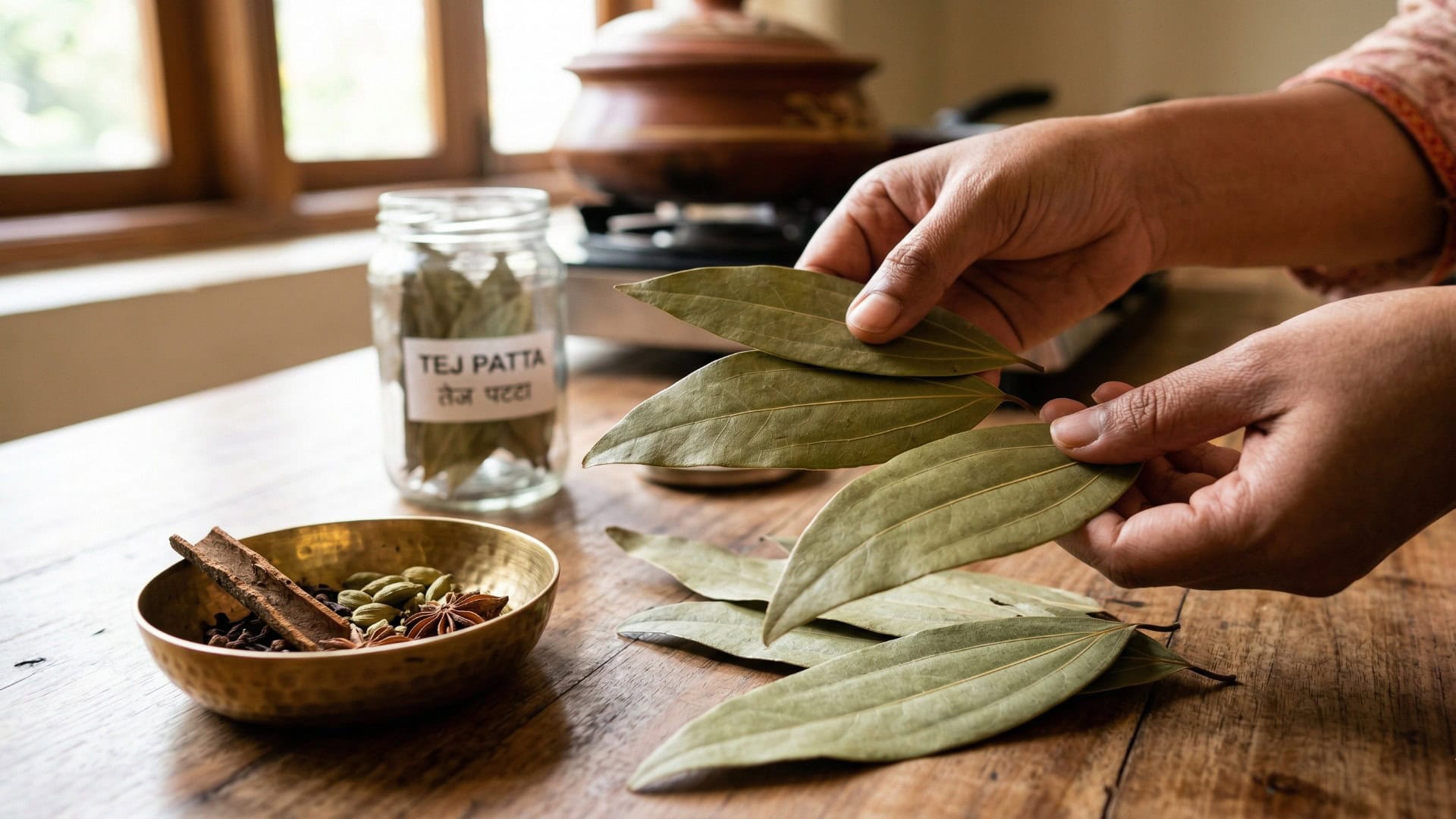
Welcome to the vibrant, aromatic world of South Asian spices! If you have ever flipped through an Indian cookbook or ordered a fragrant bowl of biryani, you have likely encountered an ingredient that raises a common question for many home cooks: What exactly is an Indian bay leaf? Perhaps you already have a jar of standard bay leaves sitting in your pantry, and you are wondering if they are the same thing. (Spoiler alert: they are quite different!)
Whether you are a seasoned cook looking to refine your spice cabinet or a complete beginner eager to try your hand at cooking inclusive, global cuisines, this guide is for you. We will explore everything you need to know about the Indian bay leaf—known locally as Tej Patta—including its history, unique flavor profile, culinary uses, health benefits, and how to source it.
1. What Is an Indian Bay Leaf (Tej Patta)?
The Indian bay leaf, scientifically known as Cinnamomum tamala, is an aromatic leaf commonly used as a culinary spice in India, Nepal, Bhutan, and other parts of the South Asian subcontinent. In Hindi, it is most commonly referred to as Tej Patta, which translates to “pungent leaf” or “spicy leaf.”
These leaves come from a medium-sized evergreen tree belonging to the laurel family (Lauraceae). Interestingly, this is the exact same botanical family that gives us cinnamon and cassia. This genetic connection is the secret to the leaf’s highly distinct, warm, and sweet aroma.
Physical Appearance: How to Identify It
To the untrained eye, dried leaves can look somewhat similar, but the Indian bay leaf has a few unmistakable characteristics:
- Color: They are typically an olive-green color, sometimes with a brownish tint depending on how they were dried.
- Size and Shape: They are generally larger, longer, and wider than European bay leaves.
- The Vein Test: This is the most crucial identifying feature. An Indian bay leaf has three distinct parallel veins running the entire length of the leaf. In contrast, a standard European bay leaf has only one central vein running down the middle, with smaller veins branching out like a feather.
2. Indian Bay Leaf vs. European Bay Leaf
One of the most frequent hurdles for home cooks is understanding the difference between the Indian bay leaf (Cinnamomum tamala) and the European/Mediterranean bay leaf (Laurus nobilis). Because they share the English name “bay leaf,” recipes translated into English often cause confusion.
Here is a simple breakdown to help you differentiate them:
| Feature | Indian Bay Leaf (Tej Patta) | European Bay Leaf |
| Botanical Family | Cinnamomum tamala (Cinnamon family) | Laurus nobilis (Laurel family) |
| Flavor Profile | Warm, sweet, notes of cinnamon, clove, and cassia. | Piney, herbal, subtle notes of eucalyptus and mint. |
| Physical Look | Large, three parallel veins running top to bottom. | Smaller, oval, one single central vein. |
| Primary Cuisine | Indian, Pakistani, Bangladeshi, Nepalese. | French, Italian, Mediterranean, American. |
| Best Used In | Biryanis, curries, garam masala, spiced teas. | Soups, stews, pasta sauces, roasts. |
Important Note: Because their flavor profiles are entirely different, they are not direct substitutes for one another. Using a European bay leaf in a rich Indian curry will result in a more savory, herbal note, missing the warm, sweet spice intended for the dish.
3. The Aroma and Flavor Profile
Imagine taking a walk through a bustling spice market. The air is thick with the scent of roasted barks, dried flowers, and pungent seeds. The Indian bay leaf captures a slice of that exact atmosphere.
When you smell a dried Tej Patta, you will immediately notice notes of:
- Cinnamon and Cassia: A warm, woody sweetness.
- Cloves: A slight, sharp piquancy.
- Citrus: A very faint, uplifting background note of lemon or orange peel.
Unlike herbs that lose their potency quickly, the Indian bay leaf is robust. When added to hot oil or simmering liquids, it slowly releases its essential oils, enveloping the dish in a complex, warming fragrance that builds a foundational layer of flavor. It doesn’t overpower the dish; instead, it acts as a bridge, connecting other spices like cumin, coriander, and cardamom together.
4. Culinary Uses: How to Cook with Tej Patta
Cooking with Indian bay leaves is an inclusive, welcoming experience—you do not need to be a master chef to utilize them effectively! They are incredibly forgiving and add immense depth to a wide variety of meals.
Here are the most common ways this incredible leaf is utilized in the kitchen:
A. The Art of Tempering (Tadka or Chhaunk)
In South Asian cooking, a technique called tadka (tempering) is often used. This involves briefly frying whole spices in hot oil or ghee (clarified butter) to release their essential oils before adding the rest of the ingredients.
- Heat a tablespoon of oil or ghee in a pan.
- Add a whole Indian bay leaf along with other whole spices (like cumin seeds, cardamom pods, or cinnamon sticks).
- Let them sizzle for 15–30 seconds until they become fragrant.
- Proceed with adding your onions, garlic, or main ingredients. The oil is now deeply infused with the leaf’s flavor!
B. Rice Dishes and Biryanis
If there is one dish where the Indian bay leaf truly shines, it is biryani or pulao. Dropping a few whole leaves into the boiling water or the simmering rice infuses every single grain with a warm, spiced aroma that elevates a simple carbohydrate into a luxurious meal.
C. Rich Curries, Soups, and Stews
Whether you are making a hearty lentil dal, a rich tomato-based paneer dish, or a slow-cooked meat curry, the Indian bay leaf is a staple. It stews beautifully over long cooking times, continuously releasing flavor without turning bitter.
D. The Backbone of Garam Masala
Garam masala is a famous spice blend used across the globe. While recipes vary from household to household, authentic, homemade garam masala almost always involves dry-roasting whole Indian bay leaves along with black pepper, cloves, cinnamon, and cardamom, before grinding them all into a fine powder.
E. Masala Chai (Spiced Tea)
While not as common as cardamom or ginger, a small piece of Indian bay leaf steeped into your morning black tea alongside milk and sugar adds a wonderful, complex, cinnamon-like warmth.
5. Potential Health and Wellness Benefits
Spices have been used for thousands of years in traditional medicine systems, such as Ayurveda, to support overall well-being. While we celebrate the Indian bay leaf primarily for its culinary magic, it is also celebrated for its potential health benefits.
Disclaimer: The following information is for educational purposes. Always consult with a healthcare professional before using spices or herbs as a medical treatment.
1. Digestive Support
In traditional Ayurvedic practices, Tej Patta is often used to help soothe the digestive tract. The warming properties of the leaf are believed to stimulate digestive enzymes, helping to reduce bloating, gas, and indigestion after a heavy meal.
2. Rich in Antioxidants
Like many spices in the cinnamon family, Indian bay leaves contain antioxidants. Antioxidants help the body neutralize free radicals, which are unstable molecules that can cause cellular stress. Incorporating antioxidant-rich spices into your diet is a great, accessible way to support long-term cellular health.
3. Blood Sugar Regulation
Some preliminary studies and traditional uses suggest that the compounds found in Cinnamomum tamala may help improve insulin sensitivity and support healthy blood sugar levels. While it is not a replacement for medication, it is a beneficial addition to a balanced, health-conscious diet.
4. Respiratory Relief
The essential oils in the leaf (similar to the camphor-like qualities found in cinnamon and cloves) can be soothing when you have a cold. Boiling a few leaves in water and inhaling the steam is a traditional remedy to help clear congestion and soothe the respiratory tract.
6. How to Buy and Store Indian Bay Leaves
Sourcing authentic ingredients can sometimes feel intimidating, but finding Indian bay leaves is easier today than ever before!
Where to Buy
- Local South Asian Grocers: This is your best bet. Look for bags labeled “Tej Patta” or “Indian Bay Leaves.” You will usually find large, inexpensive bags in the spice aisle.
- Online Spice Merchants: Many reputable online retailers that specialize in global spices carry high-quality, ethically sourced Tej Patta.
- Specialty Supermarkets: Larger, well-stocked international supermarkets often have a designated section for Indian spices.
What to Look For
When purchasing, look for leaves that are predominantly green (a little brown is okay, but avoid bags where all the leaves are dark brown or grey). The leaves should be mostly whole and intact, though a few broken pieces in the bag are completely normal and still usable.
Proper Storage
To keep your Indian bay leaves fresh and aromatic for as long as possible:
- Airtight is Key: Transfer the leaves from their plastic bag into a glass jar or airtight metal tin.
- Avoid Light and Heat: Store the container in a cool, dark cupboard or pantry. Keep it away from the stove or direct sunlight, which can bleach the leaves and sap their essential oils.
- Shelf Life: When stored properly, dried Indian bay leaves will retain their optimal flavor for about 12 to 18 months. After that, they won’t spoil, but they will lose their aromatic punch.
7. What Are the Best Substitutes?
Let’s say you are halfway through a recipe for a beautiful Chicken Tikka Masala and realize you are out of Indian bay leaves. What do you do?
Because of its unique cinnamon-clove profile, the European bay leaf is not the best substitute. Instead, try to mimic the flavor profile with these accessible alternatives:
- Cinnamon Stick + Cloves: A small piece of a cinnamon stick (or a piece of cassia bark) paired with 2-3 whole cloves will provide a very similar sweet, warming background note.
- Cassia Bark: If you have Chinese cassia bark on hand, it belongs to the exact same family and offers a nearly identical, robust flavor.
- Garam Masala Powder: If your recipe calls for whole spices but you only have powders, adding a pinch of garam masala towards the end of cooking will introduce the flavors of the Indian bay leaf, as it is a core ingredient in the blend.
- Omit it completely: If you don’t have a good substitute, it is perfectly fine to leave it out! Cooking is adaptable, and your dish will still be delicious.
8. Frequently Asked Questions (FAQ)
Can I eat the Indian bay leaf?
No, it is highly recommended that you do not eat the leaf whole. Even after hours of simmering in a stew, the leaf remains quite rigid, fibrous, and tough. It presents a choking hazard and can scratch your digestive tract. It is meant to be used like a tea bag—steeped for its flavor and then discarded or pushed to the side of the plate before eating.
Is an Indian bay leaf the same as a curry leaf?
Absolutely not! This is a very common point of confusion. Curry leaves come from the Murraya koenigii tree. They are small, bright green, and have a very pungent, nutty, and citrus-like aroma. They are usually used fresh. Indian bay leaves are large, dried, and taste like cinnamon. They cannot be used interchangeably.
Do I need to wash dried Indian bay leaves before using them?
It is always a good practice! Since they are an agricultural product dried outdoors or in large facilities, they can occasionally carry a bit of dust. A quick rinse under cold water right before tossing them into your cooking pot is a great idea.
Can I grow an Indian bay leaf tree at home?
If you live in a tropical or subtropical climate (USDA zones 9-11), you can grow Cinnamomum tamala outdoors! They require well-draining soil, plenty of sunlight, and high humidity. If you live in a cooler climate, you can grow them in a large pot and bring them indoors during the winter, though they can be somewhat finicky as houseplants.
How many leaves should I use in a recipe?
A little goes a long way. For a standard family-sized dish (serving 4-6 people), 1 or 2 medium-to-large Indian bay leaves are more than enough to impart a beautiful, warming flavor without overpowering the other ingredients.
Conclusion
The Indian bay leaf, or Tej Patta, is a magnificent, hardworking spice that forms the aromatic backbone of countless beloved dishes across South Asia. With its warm notes of cinnamon and clove, it has the power to transform a standard weeknight meal into a fragrant, comforting culinary experience.
By learning how to identify it, store it, and bloom it in hot oil, you have unlocked a foundational skill in global cooking. Food is a universal language, and exploring new ingredients is a wonderful way to connect with different cultures from the comfort of your own kitchen. So, the next time you are at the grocery store, grab a bag of Tej Patta and see where your culinary imagination takes you!
Reference Links for Further Reading
To deepen your knowledge, explore these reputable botanical and culinary resources:
-
The Spice House: A Guide to Different Types of Bay Leaves (Search: Bay Leaves)
-
Specialty Produce: Botanical Information on Tej Patta (Cinnamomum tamala) (Search: Indian Bay Leaf)
-
Serious Eats: An Introduction to Essential Indian Spices (Search: Essential Indian Spices)
-
Healthline: The Evidence-Based Health Benefits of Spices (Search: Health benefits of cinnamon family spices)