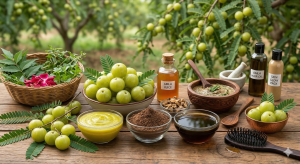

Almonds, the “king of nuts,” are a true powerhouse of nutrition and versatility. From being a healthy snack to being used in various culinary creations, these small but mighty nuts have a lot to offer.
This comprehensive guide will delve into the world of almonds, exploring their impressive health benefits, sharing delicious and easy almond-based recipes, and uncovering interesting facts that make almonds a dietary staple.
The Nutritional Powerhouse: Almond Health Benefits
Almonds are a nutrient-dense food, packed with essential vitamins, minerals, and healthy fats. Here’s why you should consider incorporating them into your diet:
1. Rich in Heart-Healthy Monounsaturated Fats:
Almonds are an excellent source of monounsaturated fats, particularly oleic acid, which is known for its heart-healthy properties. These fats can help lower bad cholesterol (LDL) and maintain good cholesterol (HDL), reducing the risk of cardiovascular disease.
2. Excellent Source of Vitamin E:
Almonds are one of the best dietary sources of vitamin E, a powerful antioxidant that protects your cells from damage. It also plays a crucial role in skin health, hair growth, and overall immune function.
3. High in Protein and Fiber:
Almonds are a great source of plant-based protein, which is essential for muscle building, repair, and satiety. They are also high in fiber, which promotes digestive health, regulates blood sugar levels, and keeps you feeling full for longer.
4. Packed with Essential Minerals:
Almonds are rich in essential minerals like magnesium, manganese, copper, and phosphorus. These minerals contribute to bone health, energy production, nerve function, and overall well-being.
5. Blood Sugar Control:
The combination of healthy fats, fiber, and protein in almonds makes them a low-glycemic food. This means they digest slowly, leading to a gradual rise in blood sugar levels, making them beneficial for individuals with diabetes or those looking to maintain stable energy levels.
A Culinary Companion: Cooking with Almonds
Almonds add a delightful crunch and nutty flavor to a wide range of dishes. Here are some simple and creative ways to incorporate them into your cooking:
1. Snacking:
Enjoy a handful of almonds on their own for a healthy and satisfying snack. For extra flavor, try roasted almonds, either salted or unsalted.
2. Salads:
Almonds add texture and flavor to salads. Sliced or slivered almonds pair well with various greens, fruits, and dressings.
3. Baked Goods:
Almonds are a versatile ingredient in baking. Use ground almonds (almond flour) in place of regular flour for gluten-free and grain-free options. Chopped almonds make a great topping for cookies, cakes, and muffins.
4. Oatmeal and Yogurt:
Top your morning oatmeal or yogurt with almonds, fruit, and honey for a nutritious and delicious breakfast.
5. Savory Dishes:
Almonds can be used in savory dishes too. Add toasted almonds to curries, stir-fries, and pasta dishes for added flavor and crunch.
6. Almond Milk:
Almond milk is a popular dairy-free milk alternative that is easily made at home. It’s great for smoothies, cereal, and baking.
Simple and Scrumptious: Almond-Based Recipes
Here are some easy and delicious recipes that highlight the versatility of almonds:
1. Homemade Almond Butter:
Ingredients:
-
2 cups raw almonds
-
Optional: 1-2 tbsp of neutral oil (e.g., canola, grapeseed)
-
Optional: Pinch of salt
Instructions:
-
Roast the almonds: Spread almonds on a baking sheet and roast at 350°F (175°C) for 10-12 minutes, or until fragrant and lightly browned. Let them cool slightly.
-
Blend: Place the warm almonds in a food processor. Blend continuously for about 10-15 minutes.
-
Stop and Scrape: Every few minutes, stop the food processor and scrape down the sides. The mixture will go through several stages: coarse meal, clumpy powder, and finally, a creamy, smooth butter.
-
Customize: Once smooth, you can add a little neutral oil to achieve your desired consistency. Add a pinch of salt if using unsalted almonds.
-
Store: Transfer to a clean, airtight jar. Store at room temperature or in the refrigerator.
2. Lemon Almond Crusted Chicken:
Ingredients:
-
4 boneless, skinless chicken breasts
-
1 cup ground almonds
-
1/2 cup grated Parmesan cheese
-
1 tbsp dried parsley
-
1 tsp garlic powder
-
1/2 tsp lemon zest
-
Salt and pepper to taste
-
1/2 cup olive oil for frying
-
Lemon wedges for serving
Instructions:
-
Mix the Breading: In a shallow dish, combine ground almonds, Parmesan cheese, parsley, garlic powder, lemon zest, salt, and pepper.
-
Coat the Chicken: Dredge each chicken breast in the almond mixture, pressing down to ensure a good coating.
-
Fry the Chicken: Heat the olive oil in a large skillet over medium-high heat. Carefully place the breaded chicken breasts in the skillet.
-
Cook Until Golden: Cook for 5-7 minutes per side, or until the chicken is cooked through and the crust is golden brown and crispy.
-
Serve: Remove from the heat and let the chicken rest for a few minutes before slicing. Serve with lemon wedges.
3. Gluten-Free Almond Flour Pancakes:
Ingredients:
-
1 cup almond flour
-
1/2 cup water or almond milk
-
2 large eggs
-
1 tbsp melted coconut oil or butter
-
1 tsp vanilla extract
-
1/2 tsp baking powder
-
Pinch of salt
-
Oil or butter for greasing the pan
-
Toppings: Maple syrup, fruit, or nuts
Instructions:
-
Combine the Dry Ingredients: In a bowl, whisk together the almond flour, baking powder, and salt.
-
Mix the Wet Ingredients: In a separate bowl, whisk together the eggs, water (or almond milk), melted coconut oil (or butter), and vanilla extract.
-
Combine Wet and Dry: Add the wet ingredients to the dry ingredients and whisk until well combined. Let the batter rest for a few minutes.
-
Cook the Pancakes: Heat a lightly greased non-stick skillet over medium heat. Pour about 1/4 cup of batter onto the hot skillet for each pancake.
-
Flip: Cook for 2-3 minutes, or until bubbles form on the surface. Flip and cook for another 1-2 minutes, or until the bottom is golden brown.
-
Serve: Repeat with the remaining batter. Serve immediately with your favorite toppings.
Beyond the Basics: Different Types of Almonds
While we commonly think of raw or roasted almonds, there are several variations worth exploring:
1. Blanched Almonds:
Blanched almonds have had their skins removed. This process gives them a milder flavor and lighter color, making them ideal for certain baking recipes and making almond flour.
2. Sliced and Slivered Almonds:
These pre-cut almonds are convenient for adding to salads, baked goods, and other dishes. Sliced almonds are thin and wide, while slivered almonds are longer and narrower.
3. Almond Flour:
Almond flour is made from ground almonds and is a popular gluten-free and grain-free alternative to regular flour. It adds moisture and a nutty flavor to baked goods.
4. Almond Butter:
As we saw in the recipe section, almond butter is a delicious and healthy spread made from ground almonds. It’s a great alternative to peanut butter.
5. Almond Milk:
Almond milk is a popular dairy-free milk alternative that is low in calories and fat. It’s available in unsweetened and flavored varieties.
Fun Facts and Trivia: The Almond’s Journey
Let’s dive into some interesting trivia about almonds:
-
Historical Roots: Almonds are native to the Middle East and South Asia and have been cultivated for thousands of years. They are mentioned in historical texts like the Bible.
-
Not a Nut? Strictly speaking, almonds are not nuts but drupes, which are fruits with a fleshy outer shell and a hard inner pit.
-
Largest Producer: The United States is the world’s largest producer of almonds, with the majority of cultivation taking place in California.
-
Symbolic Meaning: Almonds have held symbolic meaning in various cultures, often representing luck, prosperity, and good health.
-
Almond Blossoms: Almond trees bloom with beautiful white or pink flowers, typically in late winter or early spring. The almond blossom is a symbol of hope and rebirth.
Conclusion
Almonds truly are a wonderful food. They are delicious, versatile, and packed with an array of health benefits. Whether you enjoy them as a simple snack, incorporate them into your culinary creations, or use them as a dairy-free alternative, almonds can be a valuable addition to your diet.
So next time you’re at the grocery store, pick up a bag of almonds and explore all the creative ways you can enjoy this nutritional powerhouse!