If you’ve ever enjoyed the complex, tangy zip of a Pad Thai, the savory depth of an Indian chutney, or the refreshing coolness of a Mexican agua fresca, you’ve likely encountered tamarind. Often described as the “sweet-and-sour superstar” of global cuisine, this humble pod-like fruit packs a flavor punch that is simultaneously sharp, fruity, and deeply satisfying.
But tamarind is more than just a culinary chameleon. For centuries, it has been valued not only for its unique taste but also for its remarkable medicinal properties and nutritional density. Whether you are a curious home cook looking to expand your pantry or someone interested in the holistic benefits of natural foods, this ultimate guide will tell you everything you need to know about tamarind.
Part 1: What Is Tamarind? The Sweet-Sour Powerhouse
Tamarind (Tamarindus indica) is the fruit of a tall, evergreen tree native to tropical Africa. However, it was introduced to India so long ago that it is often associated with the Indian subcontinent, where it grows wild and is a staple ingredient. Today, it is cultivated in tropical regions across the globe, including Southeast Asia, Mexico, and the Caribbean.
Appearance and Flavor
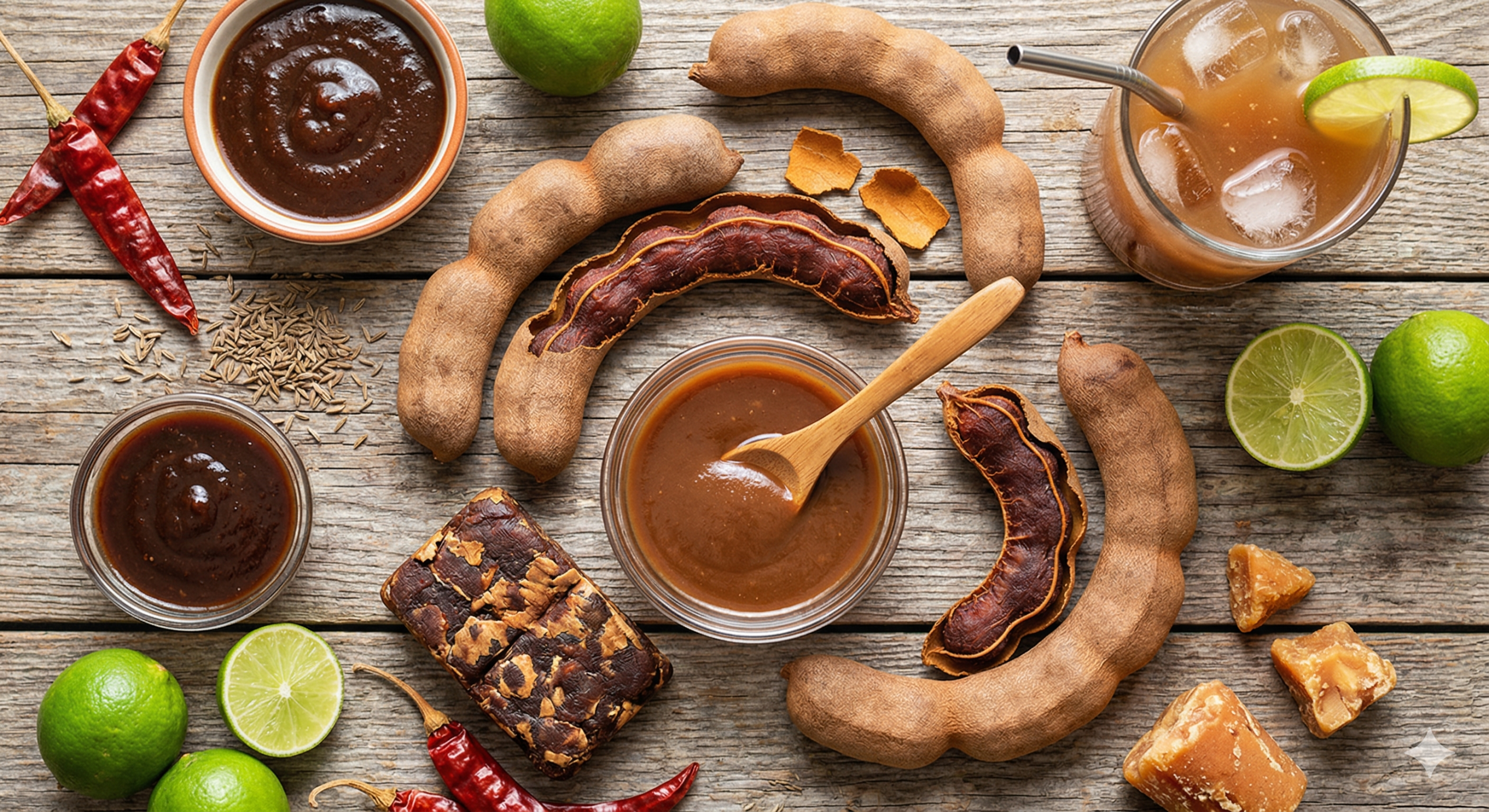
Tamarind grows in long, curved, brown pods that resemble oversized bean pods. Inside the brittle shell is a fleshy, sticky, reddish-brown pulp that surrounds several hard, glossy seeds.
The magic of tamarind lies in its flavor profile. It is renowned for its high concentration of tartaric acid, which provides a potent, citrus-like sourness. Yet, as the fruit ripens, it also develops a significant sugar content, resulting in a complex, balanced sweet-and-sour taste.
Common Forms of Tamarind
When shopping for tamarind, you’ll encounter it in several forms:
-
Fresh Pods: The least processed form. You must crack the shells and remove the pulp and seeds yourself. They offer the freshest, most intense flavor.
-
Compressed Blocks: These are peeled tamarind pulp (sometimes with seeds, sometimes seedless) pressed into a dense block. They require soaking in warm water to extract the paste.
-
Tamarind Paste/Concentrate: The most convenient form. This is a smooth, ready-to-use purée that has been strained of seeds and fibers. Note that some brands are more concentrated than others.
-
Tamarind Powder: Made from dried, ground tamarind, it’s used primarily in spice blends or as a dry souring agent.
Part 2: Nutritional Powerhouse: What’s Inside?
Don’t let its sticky appearance fool you; tamarind is packed with essential nutrients. While typically consumed in smaller quantities as a flavoring agent, it still contributes significantly to a balanced diet.
A one-cup serving (approximately 120 grams) of raw tamarind pulp contains:
-
Fiber: An excellent source, aiding digestion.
-
Magnesium: crucial for over 300 biochemical reactions in the body, including muscle and nerve function.
-
Potassium: Essential for heart health and regulating blood pressure.
-
Iron: Vital for oxygen transport in the blood.
-
Calcium: Important for bone strength.
-
B Vitamins: Specifically Thiamine (B1), Riboflavin (B2), and Niacin (B3), which are essential for energy metabolism.
-
Vitamin C: A powerful antioxidant that boosts immunity.
Tamarind is also uniquely high in tartaric acid, which not only gives it its signature sourness but also acts as a powerful antioxidant within the body.
Part 3: The Remarkable Health Benefits of Tamarind
For generations, traditional medicine systems like Ayurveda in India and traditional practices in Africa and Southeast Asia have used tamarind to treat a variety of ailments. Modern science is now beginning to validate many of these traditional uses.
1. Digestive Health and Constipation Relief
Perhaps its most famous traditional use is as a gentle, natural laxative. Due to its high fiber content and the presence of tartaric acid and potassium, tamarind facilitates smoother bowel movements and helps alleviate constipation. It is also used to soothe stomach discomfort and aid general digestion.
2. Heart Health and Cholesterol Management
Tamarind shows promise in supporting cardiovascular health. Its high fiber content helps lower LDL (“bad”) cholesterol by preventing its absorption in the gut. Furthermore, the antioxidants present—especially polyphenols and flavonoids—protect the heart from oxidative stress and help reduce inflammation in blood vessels. The potassium in tamarind also helps regulate blood pressure.
3. Blood Sugar Regulation
Research suggests that tamarind may be beneficial for managing blood sugar levels. It contains compounds that may inhibit the enzyme alpha-amylase, which is responsible for breaking down carbohydrates into sugars. This can help prevent sudden spikes in blood glucose after meals. The high magnesium content is also crucial for improving insulin sensitivity.
4. Potent Anti-Inflammatory Properties
Chronic inflammation is linked to many serious diseases, including arthritis, heart disease, and diabetes. Tamarind contains several bioactive compounds, such as lupeol, which have powerful anti-inflammatory effects. Traditional medicine has long used tamarind poultices to reduce joint pain and swelling.
5. Powerful Antioxidant Defense
The polyphenols, flavonoids, and Vitamin C in tamarind act as potent antioxidants. They neutralize free radicals—unstable molecules that damage cells and contribute to aging and diseases like cancer. Consuming antioxidant-rich foods like tamarind helps protect the body on a cellular level.
6. Liver Health Support
Traditional practices often use tamarind to support liver health. Modern studies indicate that tamarind extract may help protect the liver from oxidative damage and even help manage non-alcoholic fatty liver disease (NAFLD) by reducing fat accumulation in the liver.
Part 4: Global Tamarind Recipes: Bringing the Tang Home
The best way to experience tamarind is by cooking with it. Its ability to balance salty, sweet, and spicy flavors makes it indispensable in countless dishes.
Here are a few iconic global recipes that showcase the versatility of tamarind.
1. Traditional Tamarind Chutney (Imli Chutney) – India
A staple accompaniment in Indian cuisine, this sweet, tangy, and slightly spicy sauce is a must-have for chaat (street snacks) or dipping samosas.
Ingredients:
-
1 cup tamarind pulp (extracted from a compressed block)
-
1 cup jaggery or brown sugar (adjust to preference)
-
2 cups water
-
1 tsp cumin seeds (roasted and ground)
-
1 tsp ginger powder
-
½ tsp red chili powder
-
Salt to taste
Instructions:
-
In a saucepan, combine the tamarind pulp, jaggery, and water. Bring to a boil.
-
Reduce heat and simmer for 10-15 minutes until the jaggery dissolves completely and the sauce thickens slightly.
-
Add the cumin powder, ginger powder, chili powder, and salt. Stir well.
-
Simmer for another 2-3 minutes. Let it cool completely.
-
Strain the chutney through a sieve for a smooth consistency (optional). Store in an airtight glass jar in the refrigerator.
2. Classic Pad Thai Sauce – Thailand
The soul of Pad Thai lies in its perfectly balanced sauce. While many variations exist, authentic Pad Thai relies heavily on tamarind for its tangy core.
Ingredients for the Sauce:
-
3 tbsp tamarind paste/concentrate (ensure it is smooth)
-
3 tbsp palm sugar (or brown sugar)
-
2 tbsp fish sauce (or soy sauce for vegans)
-
1 tbsp chili flakes (optional, for heat)
Instructions:
-
In a small saucepan, combine all ingredients over low heat.
-
Stir constantly until the sugar has completely dissolved and the sauce is smooth.
-
Taste and adjust: it should be an even balance of sweet, sour, and salty.
-
Use this sauce when stir-frying your Pad Thai noodles, shrimp/tofu, and vegetables.
3. Agua de Tamarindo (Tamarind Water) – Mexico
A deeply refreshing agua fresca (fresh water) common throughout Mexico, perfect for hot summer days.
Ingredients:
-
1 cup fresh tamarind pods or ½ cup compressed tamarind block
-
4 cups water
-
½ cup sugar (or to taste)
-
Ice
-
Lime wedges (for serving)
Instructions:
-
If using pods: Shell them and remove as many fibers as possible.
-
If using a block: Tear it into smaller pieces.
-
Soak the tamarind in 2 cups of warm water for 15-20 minutes until softened.
-
Use your hands to squeeze the pulp, separating it from the seeds and fibers.
-
Strain the resulting thick liquid into a pitcher. Squeeze the remaining pulp in the sieve to extract all the flavor.
-
Add the remaining 2 cups of cold water and sugar to the pitcher. Stir until the sugar dissolves.
-
Serve chilled over ice with a wedge of lime.
Part 5: Selection, Storage, and Preparation Tips
How to Select Tamarind
-
Fresh Pods: Look for pods that are full, firm, and do not have mold or excessive cracking. The shell should be brittle.
-
Compressed Blocks: Choose a block that looks moist and dark brown. Avoid blocks that look very dry or have a greyish hue.
-
Paste/Concentrate: Opt for glass jars over plastic when possible. Check the ingredients—it should ideally contain only tamarind and water, with no added sugars or preservatives.
How to Store Tamarind
-
Fresh Pods: Store at room temperature in a cool, dry place for several months.
-
Compressed Blocks: Once opened, wrap tightly in plastic wrap and store in an airtight container in the refrigerator. It will last for up to a year.
-
Paste/Concentrate: Store in the refrigerator after opening. Always use a clean, dry spoon to avoid contamination.
DIY: How to Make Your Own Tamarind Paste
Making fresh paste from a compressed block is easy and offers superior flavor to many store-bought jars.
-
Break off a chunk of the tamarind block (about 2 ounces) and place it in a heat-proof bowl.
-
Pour 1 cup of boiling water over it. Let it soak for 20-30 minutes until soft.
-
Once cool enough to handle, use your fingers to mash the tamarind, breaking up lumps and separating the pulp from any seeds or fibers.
-
Pour the mixture through a fine-mesh sieve set over a clean bowl.
-
Use a spoon to press the pulp through the sieve. Scrape the bottom of the sieve to collect all the thick paste.
-
Discard the seeds and fibers left in the sieve. Your fresh tamarind paste is ready to use!
Conclusion: Embrace the Tang
From the ancient trade routes of Africa and India to the modern kitchens of Bangkok, Mexico City, and beyond, tamarind has earned its place as one of the world’s most beloved flavoring agents. Its journey from a hardy tropical pod to a key component of globally recognized dishes is a testament to its irresistible flavor.
Whether you are drawn to it for its potential to soothe digestion, its potent antioxidant properties, or simply its ability to transform a dish from ordinary to extraordinary, tamarind is an ingredient that deserves a permanent spot in your pantry. So, the next time you see those brown pods or a compressed block at the store, don’t hesitate. Pick it up, embrace the tang, and start your own culinary adventure with the sweet-sour superstar.
Frequently Asked Questions About Tamarind
Is tamarind safe to eat every day?
For most people, incorporating moderate amounts of tamarind into a daily diet is perfectly safe and can be quite healthy due to its antioxidant and fiber content. However, because it has natural laxative properties, eating large quantities of the raw pulp daily might cause digestive upset in some individuals. If you are on specific medications, especially for blood sugar or blood thinners, it’s best to consult a healthcare provider, as tamarind can interact with them.
Does tamarind have a lot of sugar?
While tamarind is famous for its sour, tartaric acid punch, it actually has a surprisingly high natural sugar content—especially as it ripens. A 100-gram serving of raw pulp contains about 38 grams of sugar. However, because it is so intensely flavored, you typically only consume a small amount at a time, making its glycemic impact relatively low in everyday cooking.
Can I substitute lemon or lime juice for tamarind?
Yes, but with caveats. Lemon or lime juice will replicate the sourness of tamarind, but they lack its underlying fruity sweetness and depth. If you are in a pinch and need a substitute for a savory dish, mixing equal parts lime juice and light brown sugar can approximate the sweet-and-sour profile, though it won’t be a perfect match for dishes like Pad Thai.
Is tamarind good for weight loss?
Tamarind can be a helpful addition to a weight management plan. It is rich in dietary fiber, which helps promote a feeling of fullness and prevents overeating. Additionally, some studies suggest that the hydroxycitric acid (HCA) found in tamarind might help inhibit an enzyme in the body that helps store fat, though more research is needed to fully confirm this effect in humans.
How do I know if my tamarind has gone bad?
Fresh tamarind pods stored in a cool, dry place can last for months. You’ll know they have spoiled if you see visible mold inside the brittle shell or if they develop a fermented, off-putting alcohol-like smell. For store-bought paste or concentrate, always check for mold on the surface or a sour, rancid odor, and be sure to keep it refrigerated after opening.
Is tamarind a nightshade?
No, tamarind is not a nightshade. It belongs to the Fabaceae family, making it a legume—related to peas, beans, and lentils. This makes it a safe ingredient for those following a nightshade-free or autoimmune protocol diet.
Disclaimer: The information in this article is for educational purposes only and should not be taken as medical advice. Always consult with a healthcare professional before making significant changes to your diet, especially if you have existing health conditions or are taking medication.