Coriander powder, derived from the ground seeds of the Coriandrum sativum plant, is an indispensable staple in kitchens worldwide. Known as Dhania powder in the Indian subcontinent, this spice is cherished not just for its subtle, earthy flavor but also for its surprisingly robust health benefits. Whether you are a seasoned chef or a curious home cook, coriander powder is a versatile ingredient that deserves a prominent place in your pantry.
In this comprehensive guide, we explore the many dimensions of coriander powder, from its impressive nutritional profile to practical ways to use it daily, and we share some fantastic recipes that highlight its unique charm.
What is Coriander Powder?
Before we dive into the benefits, let’s understand the spice itself. Coriander powder is made by finely grinding dried coriander seeds. The seeds themselves have a citrusy, slightly sweet, and warm aroma, which intensifies when ground. Unlike the fresh coriander leaves (cilantro), which are bright and herbaceous, the powder is mellow, deep, and savory. This makes it a perfect foundation for building complex flavors in cooked dishes.
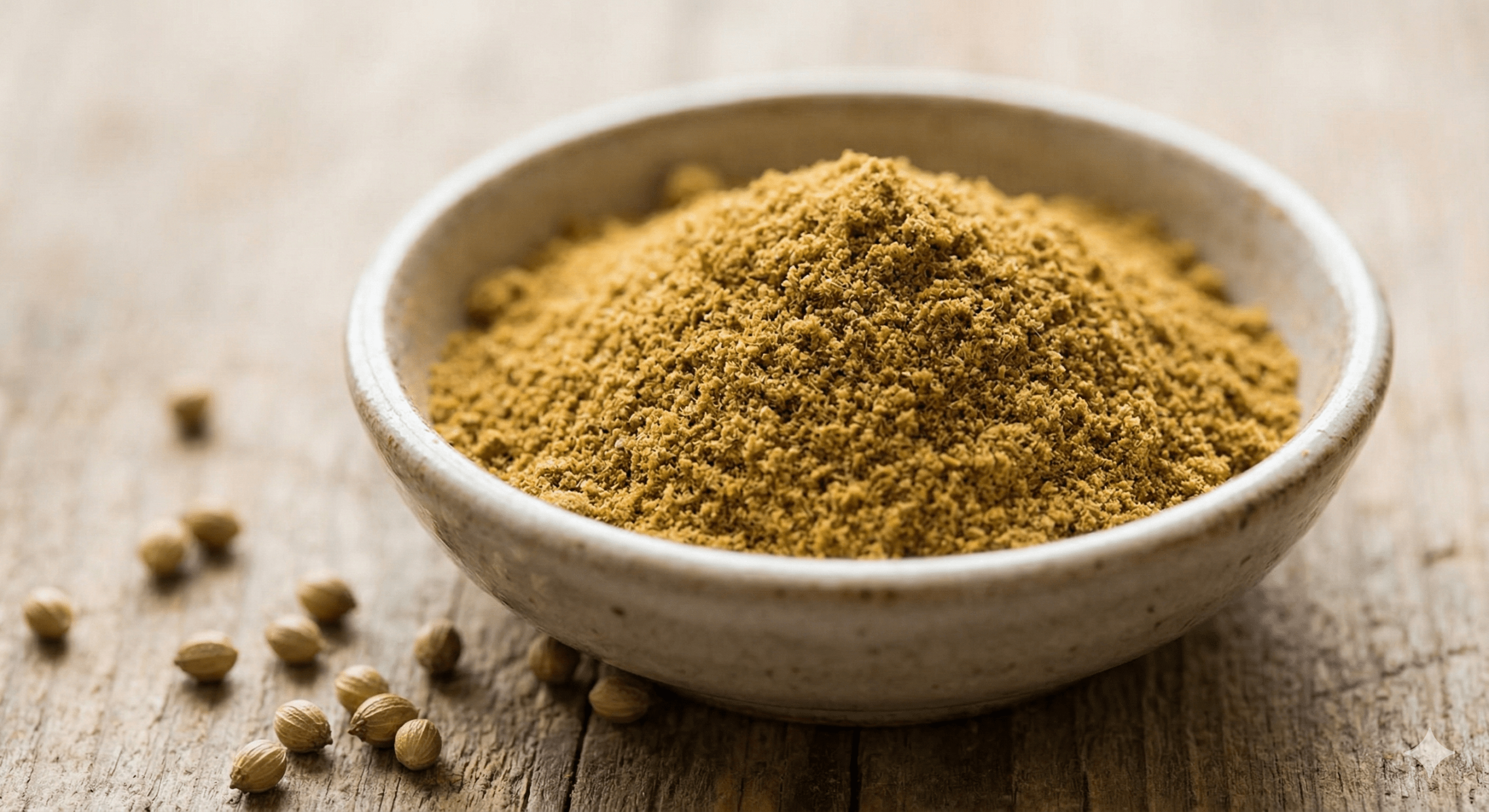
A close-up of finely ground coriander powder in a handcrafted ceramic bowl, showcasing its delicate texture and earthy yellowish-brown color. The natural, warm daylight highlights its freshness.
Key Benefits of Coriander Powder
Coriander powder is more than just a flavor enhancer; it’s a powerhouse of wellness. For centuries, it has been used in traditional medicine systems like Ayurveda and Traditional Chinese Medicine. Modern science is now beginning to validate many of these traditional uses.
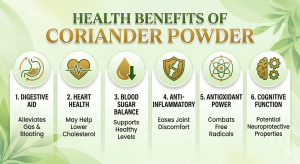
Here is a breakdown of the primary health benefits associated with regular consumption of coriander powder:
1. Digestive Powerhouse
One of the most widely recognized benefits of coriander powder is its positive impact on digestion. It is a known carminative, meaning it helps to prevent and relieve gas and bloating. It contains compounds that stimulate digestive enzymes and juices, facilitating smoother digestion. In traditional practices, it’s often combined with cumin for a potent digestive tonic.
2. Powerful Anti-Inflammatory
Coriander is rich in antioxidants like terpinene, quercetin, and tocopherols, which have strong anti-inflammatory effects. Inflammation is linked to many chronic diseases, including heart disease and certain cancers. Adding coriander powder to your meals can help reduce overall inflammation in the body. Some studies suggest it may even help alleviate symptoms of arthritis.
3. Supports Heart Health
Studies indicate that coriander powder may contribute to better heart health by helping to manage cholesterol levels. It can help lower ‘bad’ LDL cholesterol and triglycerides while potentially raising ‘good’ HDL cholesterol. This balanced action is crucial for preventing plaque buildup in the arteries.
4. May Help Regulate Blood Sugar
For those managing type 2 diabetes or at risk, coriander powder could be a helpful dietary addition. Some research suggests that coriander seeds and powder can increase the activity of enzymes that help remove sugar from the blood, potentially improving insulin sensitivity.
5. Natural Antioxidant Protection
The compounds found in coriander powder help neutralize free radicals—unstable molecules that damage cells. This antioxidant activity is essential for overall cellular health and can contribute to anti-aging effects and a stronger immune system.
6. Cognitive Function
Emerging research suggests that coriander might possess neuroprotective properties, potentially supporting brain health. While more human studies are needed, its ability to reduce inflammation and fight oxidative stress may offer benefits for cognitive clarity and memory preservation.
How to Use Coriander Powder
The beauty of coriander powder lies in its subtle flavor, allowing it to blend seamlessly into a vast array of dishes without overwhelming other ingredients. Its mildness makes it an exceptional base for building flavor layers.
-
In Savory Curries and Stews: This is the most classic application. Coriander powder provides the rich, savory backdrop for almost all Indian, Pakistani, and Sri Lankan curries. It thickens the gravy and melds with other robust spices like cumin, turmeric, and chili.
-
Dry Rubs for Meats and Vegetables: Create your own spice blend by combining coriander powder with paprika, cumin, garlic powder, and oregano. This rub adds depth and a pleasant earthiness to roasted chicken, baked fish, or even tofu.
-
Roasted Vegetables: Toss root vegetables like carrots, potatoes, and sweet potatoes with olive oil, salt, and a generous sprinkling of coriander powder before roasting. It caramelizes beautifully, giving the vegetables a savory complexity.
-
Legumes and Grains: A spoonful of coriander powder completely transforms simple lentil soups (dal) and grain bowls. It pairs exceptionally well with chickpeas and black beans.
-
Marinades and Dressings: Add a pinch to creamy yogurt-based marinades or even straightforward vinaigrettes to introduce an unexpectedly sophisticated layer of flavor.

Coriander Powder Recipes You’ll Love
The best way to appreciate a spice is to cook with it. Here are two distinct and visually appealing recipes that showcase the versatility of coriander powder.
Recipe 1: Classic Indian Chana Masala (Chickpea Curry)
This is a staple North Indian dish—hearty, flavorful, and incredibly satisfying. The rich, thick gravy relies on the base provided by coriander powder.
Ingredients:
-
2 cups cooked chickpeas (or 1 can, rinsed and drained)
-
2 large onions, finely chopped
-
3 large tomatoes, finely chopped (or 1 can crushed tomatoes)
-
2 tbsp vegetable oil
-
1 tbsp ginger-garlic paste
-
1 tbsp coriander powder
-
1 tsp cumin powder
-
1 tsp turmeric powder
-
1 tsp garam masala powder
-
1/2 tsp red chili powder (adjust to taste)
-
1 tsp salt (or to taste)
-
Fresh coriander leaves for garnish
Instructions:
-
Heat the oil in a large pot or Kadai. Add the chopped onions and sauté until they are golden-brown.
-
Add the ginger-garlic paste and sauté for another minute.
-
Add all the ground spices (coriander powder, cumin, turmeric, red chili powder, and salt) and cook for a minute, stirring constantly to avoid burning. This toasting releases the oils and enhances the flavor.
-
Add the chopped tomatoes and cook until they become soft and start to release oil from the sides.
-
Add the cooked chickpeas and mix well with the masala base. Add about 1 cup of water (or chickpea liquid) to create the gravy. Bring to a simmer.
-
Cover and let the chana masala simmer on low heat for 15-20 minutes, allowing the flavors to meld.
-
Finally, stir in the garam masala and garnish generously with fresh coriander leaves. Serve hot with rice or naan.
Recipe 2: Roasted Spiced Cauliflower & Chickpeas
This is a fantastic way to enjoy the warm, savory flavor of coriander powder in a more modern, globally inspired dish. The coriander provides a golden-brown coating that makes the roasted vegetables irresistible.
Ingredients:
-
1 large cauliflower, cut into medium florets
-
1 cup cooked chickpeas (ensure they are dry)
-
1/2 cup green peas (fresh or frozen)
-
2 tbsp olive oil
-
1 tbsp coriander powder
-
1 tsp cumin powder
-
1/2 tsp turmeric powder
-
1/2 tsp smoked paprika
-
1/2 tsp salt
-
For the Drizzle: 2 tbsp tahini mixed with 1 tbsp lemon juice and 2 tbsp water (or yogurt dressing)
Instructions:
-
Preheat your oven to 400°F (200°C).
-
In a large bowl, combine the cauliflower florets, chickpeas, and green peas.
-
Add the olive oil and all the spices (coriander powder, cumin, turmeric, smoked paprika, and salt). Toss everything well until all the vegetables are evenly coated with the spice mixture.
-
Spread the coated vegetables in a single layer on a large, parchment-lined baking sheet.
-
Roast for 25-30 minutes, tossing halfway through, until the cauliflower is tender and the edges are beautifully golden-brown and slightly charred.
-
Transfer the roasted mixture to a serving plate. Drizzle with the creamy tahini or yogurt dressing and garnish with freshly chopped green coriander leaves.
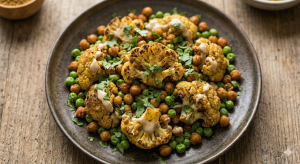
This simple roasted dish is a testament to the fact that you don’t need a lot of ingredients to make something spectacularly flavorful. The coriander powder provides the perfect balance of earthiness and savory goodness.
Final Thoughts on Coriander Powder
Coriander powder is a versatile and nutritionally rewarding spice. While it’s relatively mild compared to its counterparts, its ability to enhance and balance flavors makes it an essential ingredient in many cuisines. Whether you’re a fan of rich curries or fresh, roasted vegetable dishes, coriander powder has something to offer.
With its host of health benefits—from supporting digestion to combating inflammation—incorporating this spice into your daily cooking is a simple yet impactful step towards better health.
Frequently Asked Questions About Coriander Powder
What is the difference between coriander powder and fresh coriander (cilantro)?
While they come from the same plant (Coriandrum sativum), they have very different flavor profiles and uses. Fresh coriander leaves (often called cilantro in the Americas) are bright, citrusy, and pungent, typically used as a raw garnish. Coriander powder is made from the dried seeds and has a warm, earthy, and slightly sweet flavor that is best when cooked to release its aromatic oils.
Can I substitute coriander powder for cumin powder?
While they are often used together in recipes, they are not perfect substitutes for one another. Cumin has a much stronger, smokier, and slightly bitter flavor, whereas coriander is milder and sweeter. If you must substitute, use less cumin than the recipe calls for, as it can easily overpower a dish.
How long does coriander powder last, and how should I store it?
Store-bought coriander powder generally retains its best flavor for about 6 months. To keep it fresh for as long as possible, store it in an airtight container in a cool, dark place, away from direct sunlight and heat sources like your stove.
Is it better to buy coriander powder or grind it myself?
Grinding it yourself will almost always yield a fresher, more potent flavor. Whole coriander seeds retain their volatile oils much longer than pre-ground powder. To make your own, simply toast the whole seeds lightly in a dry pan until fragrant, let them cool, and grind them in a spice grinder or mortar and pestle.
Can I consume coriander powder every day?
Yes, for most people, incorporating culinary amounts of coriander powder into daily meals is perfectly safe and highly beneficial for digestion and reducing inflammation. However, if you are pregnant, nursing, or on specific medications (especially for blood pressure or blood sugar), it is always best to consult your healthcare provider before making large dietary changes.