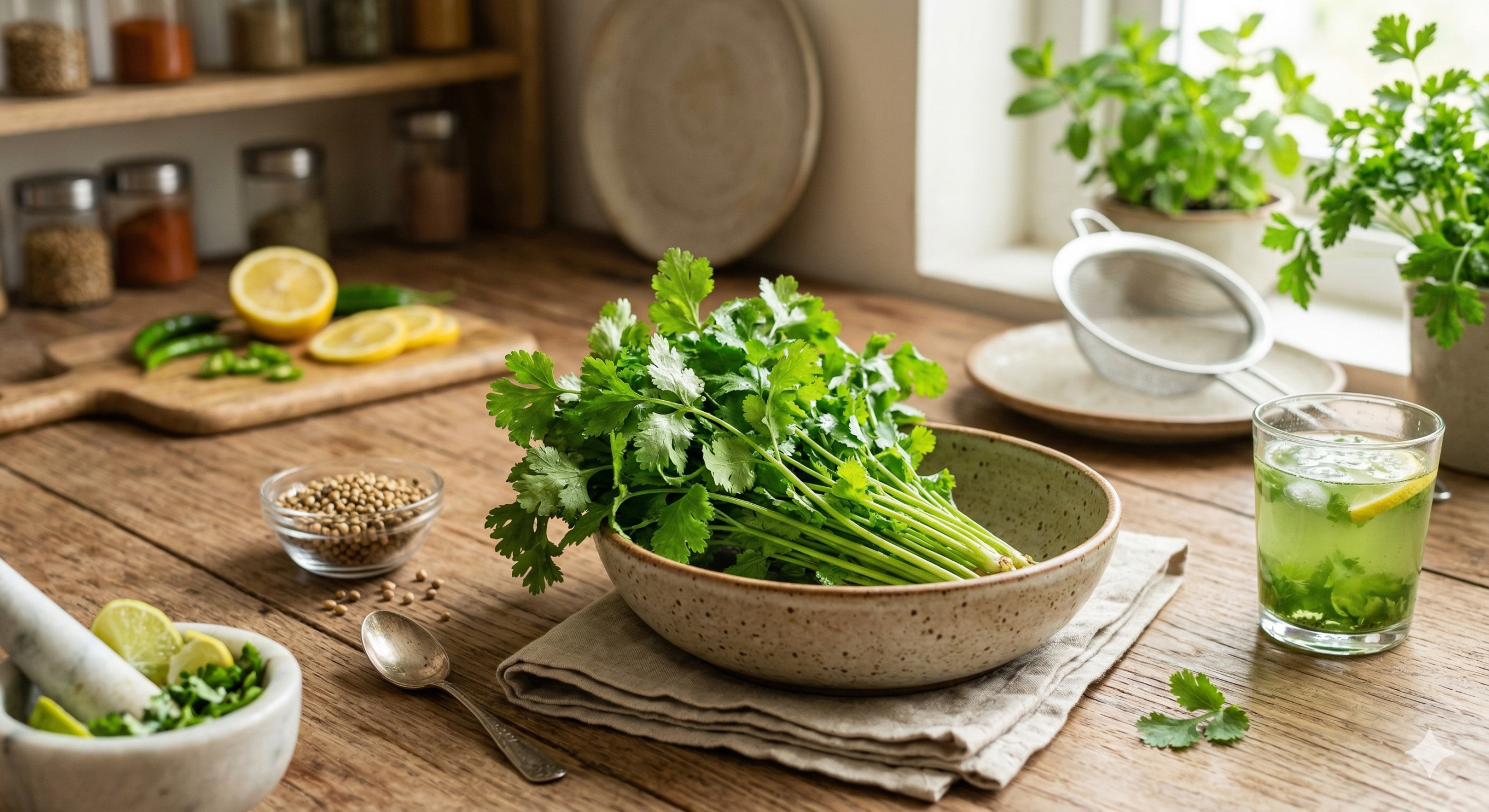
If you grew up in a South Asian household, you know that dhaniya patta is not optional; it’s essential. This fragrant, humble herb, also known as cilantro or coriander leaves, is a staple in everything from rich curries to light, zesty chutneys. But have you ever stopped to wonder if there’s more to this leafy green than just its distinct aroma and flavor?
It turns out that your grandmother was right to insist on a heavy dhaniya patta garnish. Coriander leaves are a nutritional powerhouse, packed with vitamins, minerals, and antioxidants that can profoundly benefit your health.
In this deep dive, we’ll explore 10 surprising and evidence-based benefits of coriander leaves, revealing why you should make this herb a central part of your diet.
1. The Nutritional Goldmine You Didn’t Know You Were Eating
Before we get into the heavy hitting health benefits, let’s talk about what’s actually in dhaniya patta. This is not just water-based foliage; it’s nutrient-dense.
A single cup (around 16 grams) of raw coriander leaves is low in calories but surprisingly high in crucial nutrients:
-
Vitamin K: This is the superstar nutrient in coriander. A single cup provides far more than your daily recommended intake. Vitamin K is vital for blood clotting and is a key player in bone health.
-
Vitamin A: Rich in beta-carotene (which the body converts to Vitamin A), coriander is fantastic for your vision and immune system.
-
Vitamin C: Don’t just rely on oranges. Coriander is a potent source of this essential immune-boosting antioxidant.
-
Minerals: It’s a respectable source of potassium, manganese, and iron.
-
Antioxidants: Coriander is brimming with powerful compounds like quercetin, kaempferol, and rhamnetin, which fight oxidative stress.
2. A Powerful Ally in Managing Blood Sugar
One of the most remarkable benefits of coriander is its potential anti-diabetic effect. Multiple animal studies and some preliminary human research suggest that coriander leaves and seeds can significantly lower blood sugar.
It appears to work by increasing the activity of an enzyme that helps remove sugar from the blood. For individuals with type 2 diabetes or those at risk, incorporating coriander into meals might help stabilize glucose levels. However, if you are already on diabetes medication, consult your doctor, as coriander could make your blood sugar drop too low.
3. Supports Your Heart Health: The Lipid-Lowering Effect
Heart disease is a major global health concern, and your diet plays a massive role in its prevention. Coriander may be a powerful, natural tool for heart health.
Studies have shown that coriander can help lower “bad” LDL cholesterol and triglycerides while potentially raising “good” HDL cholesterol. This lipid-lowering effect is critical for preventing the buildup of plaque in arteries, which leads to heart attacks and strokes. Additionally, its high potassium content can help regulate blood pressure by counteracting the effects of sodium.
4. The Brain Booster: Neuroprotective Benefits
Inflammation is at the core of many debilitating brain conditions, including Alzheimer’s disease, Parkinson’s disease, and multiple sclerosis. Coriander leaves contain potent anti-inflammatory compounds that can help protect your neural pathways.
Some research suggests that coriander extracts can reduce brain inflammation and improve memory function. Its high antioxidant content also helps combat oxidative stress, which is a key driver of neurodegeneration. Think of it as a tasty, protective shield for your brain.
5. Your Natural Digestive Aid
In traditional Ayurvedic medicine, dhaniya patta is revered for its ability to soothe the digestive system. It can stimulate the secretion of digestive enzymes and juices, ensuring smoother digestion.
Coriander has been shown to reduce symptoms of irritable bowel syndrome (IBS), such as bloating, abdominal pain, and flatulence. For anyone suffering from occasional indigestion or the discomfort that comes after a heavy meal, a fresh coriander chutney might be just the natural remedy you need.
6. Nature’s Anti-Anxiety Remedy
If you’re looking for a natural way to calm your nerves, coriander might be the answer. Studies have indicated that coriander extract can have a sedative and anti-anxiety effect, potentially matching the efficacy of some standard pharmaceutical drugs, but without the side effects.
While more human studies are needed, the traditional use of coriander to soothe the nerves and improve sleep is now finding scientific backing. A warm cup of coriander tea might be the perfect evening ritual.
7. Natural Defense Against Infections
Coriander has antimicrobial and antifungal properties that make it a powerful natural defender. It contains a compound called dodecenal, which studies have shown to be twice as effective as a leading antibiotic in fighting Salmonella bacteria.
This makes coriander an excellent addition to food, not just for flavor, but for a layer of protection against foodborne illnesses. Historically, it was often used in food preservation for this very reason.
8. A Glow-Up for Your Skin
The benefits of coriander leaves extend to the surface. Thanks to its rich antioxidant profile—especially Vitamin C—coriander is fantastic for skin health.
Antioxidants fight the free radicals that lead to premature aging, sun damage, and dullness. Its anti-inflammatory and antibacterial properties can also help manage skin conditions like acne and eczema when used in face packs or even just consumed regularly.
9. Promotes Healthy, Strong Bones
Remember the Vitamin K we mentioned? It’s essential for bone health. Vitamin K helps your body process calcium and, along with other minerals found in coriander like manganese and phosphorus, works to increase bone mineral density. Regular consumption can play a role in preventing osteoporosis, especially as we age.
10. Powerful Anti-Inflammatory Effects
Chronic inflammation is the silent enemy, linked to everything from arthritis and heart disease to cancer. Coriander is rich in antioxidants that directly combat inflammation. The phenols and carotenoids in coriander leaves can neutralize the pro-inflammatory compounds in your body. Making this herb a regular part of your meals is an excellent, flavor-filled way to keep system-wide inflammation at bay.
How to Get More Dhaniya Patta in Your Diet (Beyond the Garnish)
Now that you know how incredible coriander leaves are, how do you eat more of them? Let’s move past the sprinkle and make it a star.
-
Chutneys (The Champion): This is the easiest way. Blend coriander leaves with mint, green chilies, a dash of lemon, salt, and maybe a little yogurt or coconut. It goes with everything.
-
Green Smoothies: The fresh, zesty flavor of cilantro pairs beautifully with spinach, cucumber, green apple, and ginger for a morning detox drink.
-
Pesto with a Twist: Replace basil with coriander in your next pesto recipe. Use walnuts or almonds, olive oil, parmesan, garlic, and coriander. It’s a total game-changer for pasta or as a sandwich spread.
-
Salads & Dressings: Chop it coarsely into any salad. Better yet, make a cilantro-lime dressing by blending it with olive oil, lime juice, honey, and a pinch of cumin.
-
Coriander Water/Tea: To maximize the benefits, some people make an infusion. Just pour hot water over fresh leaves, let it steep, and drink it warm.
A Quick Word of Caution
While coriander is a wonder-herb for most, two points are worth noting:
-
That “Soap” Taste: For a small percentage of the population, a specific gene causes coriander to taste intensely like soap.
-
Blood Sugar & Medications: As mentioned, if you are on blood sugar or blood pressure medications, consult your doctor before significantly increasing your coriander intake, as it can compound the effects of your medication.
Conclusion: Don’t Garnish, Embrace
Dhaniya patta is far more than an afterthought. It is a powerful, nutrient-dense herb that offers a massive range of health benefits from regulating blood sugar and protecting your heart to calming your nerves and improving your skin. It’s accessible, inexpensive, and versatile.
So, next time you’re cooking, don’t just sprinkle a little on top for appearances. Grab a whole handful, chop it up, and make it a centerpiece of your meal. Your body will thank you.
Frequently Asked Questions (FAQs) about Coriander Leaves (Dhaniya Patta)
1. Is it better to eat coriander leaves raw or cooked?
To get the maximum nutritional benefit, raw is best. Heat can destroy delicate vitamins like Vitamin C and certain volatile antioxidants. Adding fresh leaves as a garnish at the very end of cooking or using them in raw chutneys and salads preserves their potency.
2. Can coriander leaves really help with weight loss?
While not a “miracle” weight loss food, coriander is extremely low in calories and acts as a natural diuretic. This helps reduce water retention and bloating. Furthermore, its ability to improve digestion and manage blood sugar levels can support a healthy metabolism, making it a great addition to a weight-loss diet.
3. Why do coriander leaves taste like soap to some people?
This isn’t a culinary preference; it’s genetics. Some people have a variation in a group of olfactory-receptor genes (specifically OR6A2) that allows them to strongly perceive the aldehydes in coriander, which are also found in soaps. To these individuals, the herb tastes pungent and chemical.
4. How should I store coriander leaves so they stay fresh longer?
Coriander is notorious for wilting quickly. To keep it fresh:
-
Wash the leaves and pat them completely dry.
-
Trim the bottom of the stems.
-
Place them in a glass jar with an inch of water (like a bouquet) and cover the top with a loose plastic bag in the fridge.
-
Alternatively, wrap them in a dry paper towel and store them in an airtight container.
5. Is there a difference between coriander leaves and cilantro?
In North America, the leaves and stems are called cilantro, while the dried seeds are called coriander. In the UK, India, and many other regions, the entire plant is called coriander, with the leaves often referred to as “fresh coriander” or “dhaniya patta.” They are the same plant (Coriandrum sativum).
6. Can I drink coriander water every day?
Yes, soaking coriander leaves or seeds in water overnight and drinking it in the morning is a popular detox practice. It can help with digestion and kidney function. However, if you are on medication for blood pressure or diabetes, consult your doctor first to ensure it doesn’t cause your levels to drop too low.
7. Does coriander help with skin acne?
Yes, due to its antibacterial and anti-inflammatory properties. You can apply a paste of crushed coriander leaves mixed with a little lemon juice or turmeric directly to the skin, or simply consume it regularly to fight skin-damaging free radicals from the inside out.
8. Are there any side effects to consuming too much coriander?
For most people, it is perfectly safe. However, excessive consumption may lead to sunlight sensitivity in some individuals. Also, people with known allergies to plants in the Apiaceae family (like fennel, caraway, or celery) should exercise caution.