
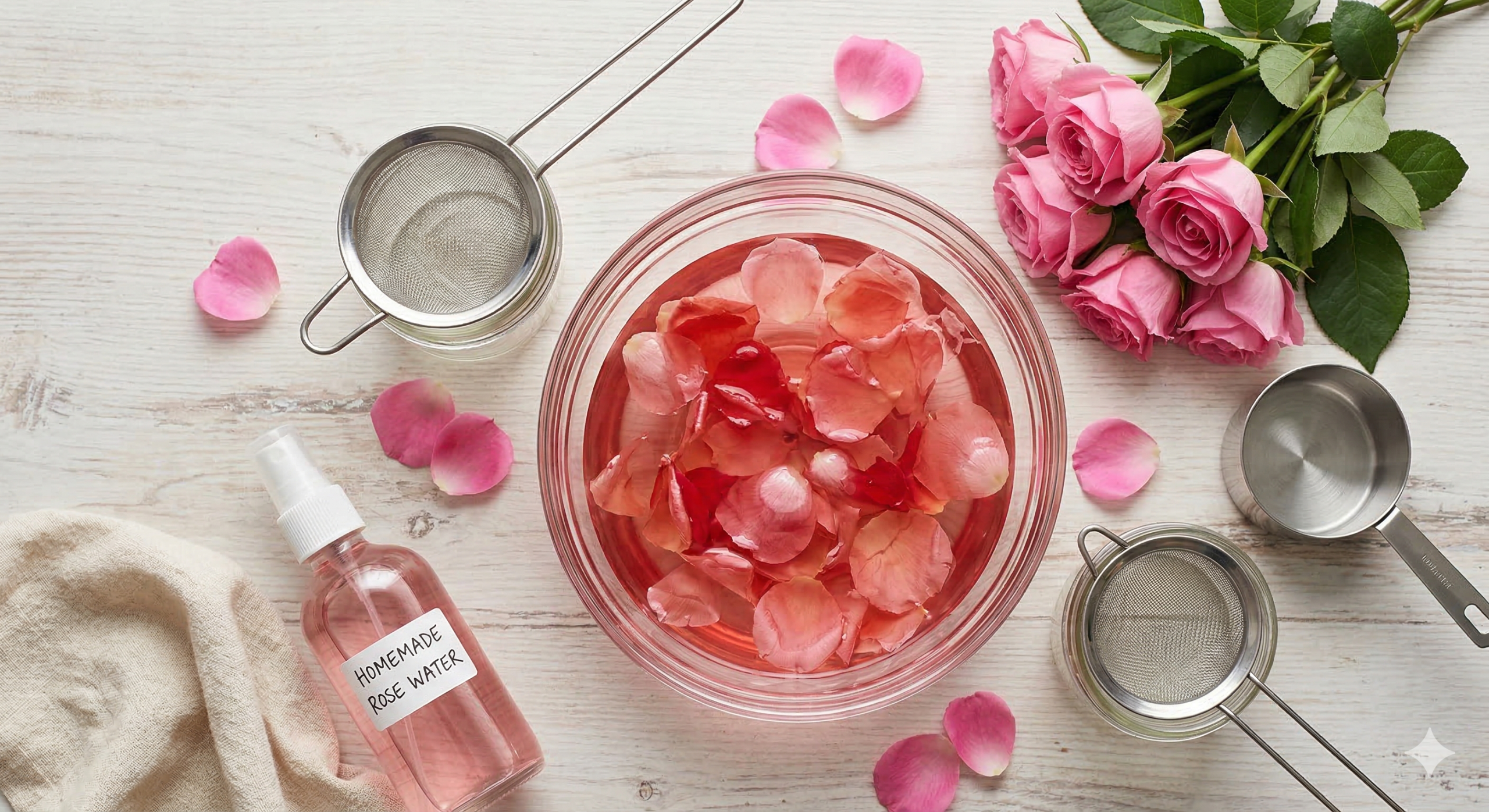
For centuries, roses have been synonymous with beauty, romance, and even royalty. But beyond their aesthetic appeal, these fragrant blooms hold a powerful secret locked within their petals: rose water. This exquisite hydrosol, a byproduct of rose oil production, has been cherished across cultures for its multifaceted benefits, from skincare and haircare to its calming aromatic properties. Let’s delve into the world of rose water, exploring its myriad advantages, versatile uses, and simple DIY tips to make this liquid gold a staple in your beauty and wellness routine.
A History Steeped in Tradition
The story of rose water weaves through ancient civilizations. From the lavish gardens of Persia, where it was first distilled, to the skincare rituals of Cleopatra in ancient Egypt, rose water has a rich history. Traditionally produced using the steam distillation of fresh rose petals (most notably the highly fragrant Damask rose), this process captures not only the captivating scent but also the skin-enhancing properties of the rose. Today, while modern methods exist, the essence of rose water remains deeply rooted in this time-honored tradition.
Unveiling the Benefits: Why Your Skin Loves Rose Water
The popularity of rose water isn’t just a fleeting trend. It’s backed by science and centuries of use. This natural wonder is packed with a unique combination of compounds that make it a gentle yet powerful addition to any skincare regimen.
1. A Powerhouse of Hydration: One of the key benefits of rose water is its remarkable ability to hydrate the skin. Acting as a natural humectant, it helps to attract and lock in moisture, leaving the skin feeling soft, supple, and revitalized. This makes it particularly beneficial for dry and dehydrated skin types, but its lightweight nature ensures it won’t clog pores, making it suitable for oily skin as well.
2. Soothing Sensations for Sensitive Skin: Rose water is renowned for its anti-inflammatory properties. This makes it a natural remedy for soothing irritated skin, reducing redness, and calming conditions like eczema and rosacea. Its gentle nature makes it a safe choice even for the most sensitive skin types.
3. Balancing Acts: A Natural Astringent and Toner: Beyond hydration and soothing, rose water works to balance the skin’s pH levels. Our skin’s natural pH is slightly acidic, and disruptions can lead to issues like acne or dryness. Rose water helps to maintain this optimal balance, preparing the skin for subsequent skincare products and acting as a gentle toner.
4. Rich in Antioxidants: Fighting Free Radicals: Rose water is naturally rich in antioxidants, particularly flavonoids and vitamin C. These potent compounds help to neutralize free radicals, which are unstable molecules that can damage skin cells and contribute to premature aging. Regular use can help to protect the skin from environmental stressors and maintain a youthful glow.
5. Controlling Oil Production and Pores: While hydrating, rose water also has mild astringent properties that can help to gently tighten pores and control excess oil production. This is particularly useful for those with oily or combination skin, helping to keep the complexion matte and refined.
Versatile Uses: Incorporating Rose Water Into Your Routine
The beauty of rose water lies in its versatility. It can seamlessly integrate into your morning and evening skincare rituals, and even transcend beyond into haircare and aromatherapy.
Skincare:
-
As a Toner: After cleansing, pour some rose water onto a cotton pad and gently sweep it across your face. Alternatively, decant it into a spray bottle and mist it directly onto your skin for a quick and refreshing pick-me-up.
-
In Face Masks: Upgrade your favorite face masks by mixing them with rose water instead of plain water. It will enhance the mask’s benefits, adding an extra layer of hydration and soothing properties.
-
To Refresh Makeup: Throughout the day, a quick spritz of rose water can revitalize tired skin and give your makeup a dewy, fresh appearance.
-
To Soothe Razor Burn: For a gentle and natural aftershave, dab rose water onto freshly shaved skin to calm irritation and reduce redness.
-
For Eye Care: For tired, puffy eyes, place cotton pads soaked in chilled rose water on your eyelids for 10-15 minutes. The anti-inflammatory and cooling effects work wonders.
Haircare:
-
A Natural Hair Rinse: After shampooing and conditioning, use rose water as a final rinse. This can help to condition the hair, add shine, and soothe a dry, itchy scalp.
-
To Tame Frizz: Spritz a small amount onto damp or dry hair to help control frizz and flies, leaving a faint, pleasant rose scent.
-
In DIY Hair Masks: Incorporate rose water into homemade hair masks for added hydration and benefits.
Aromatherapy and Wellness:
-
A Calming Mist: The gentle, delicate fragrance of roses has long been known for its calming and mood-uplifting properties. Use a rose water spray as a pillow mist before bed to promote a sense of relaxation and wellbeing.
-
To Reduce Stress: Inhale the scent of rose water from a tissue or spritz it into the air to help alleviate stress and anxiety.
-
In a Relaxing Bath: Add a cup of rose water to your bathwater for a luxurious, aromatic soak that benefits both your skin and your mind.
DIY Tips: Making Your Own Rose Water at Home
While readily available in stores, there’s something incredibly rewarding about making your own rose water. The process is simple and ensures you have a pure, chemical-free product.
Simmering Method (Easiest Method):
What You’ll Need:
-
2-3 cups of fresh, organic rose petals (free of pesticides) – Damask or Cabbage roses are excellent choices for their fragrance.
-
Distilled water
-
A pot with a tight-fitting lid
-
A clean spray bottle or jar for storage
Instructions:
-
Prepare the Petals: Gently remove the petals from the stems and rinse them thoroughly to remove any dirt or insects.
-
Add Petals to the Pot: Place the clean rose petals into the pot and add just enough distilled water to barely cover them. Adding too much water will dilute the final product.
-
Simmer Girdlingly: Cover the pot with the lid and bring the water to a gentle simmer over low heat. It’s crucial not to let it boil, as high heat can destroy the precious compounds and the scent.
-
Infuse: Let the petals simmer for about 15-20 minutes, or until the petals lose their color and the water takes on a subtle pink hue and has a distinct rose fragrance.
-
Strain and Cool: Once infusing is complete, remove the pot from the heat. Carefully strain the liquid into a clean jar or spray bottle using a fine-mesh sieve or cheesecloth, discarding the petals. Allow the rose water to cool completely.
-
Store: Store your homemade rose water in the refrigerator. This will not only keep it fresh but also enhance its cooling and soothing effects. Properly stored, homemade rose water can last for up to 2-3 months.
Things to Consider:
-
Choose Your Roses Wisely: For the best fragrance and beneficial properties, choose roses known for their high oil content and strong scent, such as Damask or Rosa centifolia. It’s also important to use organic roses to avoid pesticide residues on your skin.
-
Distilled Water is Key: Using distilled water helps to ensure purity and extends the shelf life of your homemade rose water.
Final Words: Embracing the Magic
From the ancient beauty rituals of Queens to modern-day skincare shelves, rose water has stood the test of time, and for good reason. Its remarkable hydrating, soothing, and balancing properties, combined with its versatility and enchanting scent, make it an indispensable addition to any natural beauty and wellness toolkit. Whether you purchase it pre-made or embark on the rewarding journey of making your own, embracing the magic of rose water is a step towards healthier, more radiant skin and a more tranquil, uplifted state of mind. So go ahead, harness the power of this timeless floral elixir, and experience the transformative touch of the rose.
Frequently Asked Questions About Rose Water
1. Can I use rose water on my face every day?
Yes! Rose water is gentle enough for daily use. Most people find it most effective when used twice a day—once in the morning to refresh and hydrate, and once at night as a soothing toner after cleansing.
2. Does rose water expire?
Commercial rose water usually contains mild preservatives and can last up to a year. However, DIY homemade rose water typically lasts 2 to 3 weeks if kept in the refrigerator. Always check for changes in scent or clarity before using.
3. Is rose water suitable for acne-prone skin?
Absolutely. Rose water has mild antibacterial properties and acts as an anti-inflammatory, which can help reduce the redness of active breakouts. Its ability to balance pH also helps prevent the skin from becoming too oily or too dry.
4. Can I leave rose water on my face overnight?
Yes, leaving it on overnight allows your skin to fully absorb its hydrating and antioxidant benefits. It acts as a lightweight “sleep mask” that leaves your skin glowing by morning.
5. How can I tell if my store-bought rose water is pure?
Check the ingredient label! Pure rose water should only list Rosa Damascena Flower Water (or similar) and perhaps a natural preservative. Avoid products that list “fragrance,” “perfume,” or high concentrations of alcohol, as these can irritate the skin.
6. Can rose water be used on hair?
Yes. It is excellent for reducing dandruff and oiliness on the scalp. You can use it as a final hair rinse after conditioning to add shine and a delicate floral scent.