
Coriander – often referred to as cilantro, depending on which part of the plant you’re talking about – is an aromatic herb that goes far beyond simply garnishing your favorite curry. It’s a culinary powerhouse, a staple in countless global cuisines, and, as modern science is now confirming, a source of surprising health benefits.
For many, coriander is a divisive herb. Its distinct flavor – bright, citrusy, and slightly peppery – evokes strong reactions. Some love its vibrant freshness, while others find it soapy. Regardless of where you stand, there’s no denying its ubiquitous presence in food cultures across the globe, from Latin America and the Mediterranean to Southeast Asia and India.
But coriander isn’t just about taste. This unassuming herb is packed with potential health-promoting compounds and has a history of traditional use that spans centuries. Let’s delve into the secrets of coriander, exploring its origins, its impressive array of health benefits, how it shapes culinary landscapes, and practical ways to incorporate it into your daily life.
Unveiling the Two Faces of Coriander
Before we dive into the juicy details, let’s clear up a common source of confusion: Is coriander the same as cilantro? The answer is yes, and no. It depends on which part of the plant you’re referring to.
The term “coriander” can be used to describe the entire plant, Coriandrum sativum. However, in many English-speaking regions, particularly in North America, a specific distinction is made:
-
Cilantro: This refers to the fresh, vibrant green leaves and stalks of the coriander plant. Cilantro has a bright, almost pungent, citrusy flavor and is typically used fresh as a garnish, in salsas, and in uncooked dishes.
-
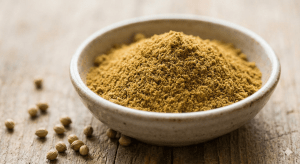
Coriander Seeds: These are the dried, round, yellowish-brown seeds of the same plant. Coriander seeds have a completely different flavor profile – they are warm, nutty, and slightly sweet with hints of citrus and spice. They are often toasted and ground for use in curries, spice blends (like garam masala), and marinades.
It’s crucial to understand this distinction because their flavor, culinary applications, and even some of their health benefits differ significantly. In this article, when we refer to coriander, we will largely be discussing the collective benefits of the entire plant, including both the fresh leaves (cilantro) and the seeds, unless otherwise specified.
Beyond Flavor: The Health Secrets of Coriander
While its flavor is what often gets the attention, coriander boasts a nutritional profile that’s worth celebrating. It’s not just a garnish; it’s a small but mighty source of valuable vitamins, minerals, and potent plant compounds.
A Nutritional Powerhouse in a Small Package
Coriander, particularly the fresh leaves (cilantro), is low in calories but surprisingly rich in essential nutrients. A typical 1/4 cup (approximately 16 grams) serving of fresh cilantro can provide:
-
Vitamin A (Beta-Carotene): Essential for vision, immune function, and skin health. Cilantro is a surprisingly good source.
-
Vitamin C: A powerful antioxidant that supports the immune system, collagen production, and iron absorption.
-
Vitamin K: Crucial for blood clotting and bone health. Fresh cilantro is particularly high in Vitamin K.
-
Folate (Vitamin B9): Vital for cell division and the production of red and white blood cells.
-
Potassium: A key mineral for regulating blood pressure, muscle contractions, and nerve signals.
-
Manganese: Involved in bone formation, metabolism, and antioxidant defense.
The dried seeds are not as rich in vitamins but are a concentrated source of dietary fiber and essential minerals like calcium, iron, magnesium, and selenium.
The Role of Antioxidants
One of coriander’s greatest health secrets lies in its high concentration of antioxidants. Antioxidants are compounds that neutralize harmful molecules called free radicals in the body. Free radicals can cause oxidative stress, which is linked to aging and a wide range of chronic diseases, including heart disease, cancer, and neurodegenerative conditions.
Coriander is rich in several types of antioxidants, including:
-
Quercetin: A flavonoid that has been studied for its anti-inflammatory and potential heart health benefits.
-
Terpinene: A compound found in the seeds, with potential antimicrobial and antioxidant properties.
-
Tocopherols (Vitamin E): A classic antioxidant that helps protect cell membranes.
-
Carotenoids: In the fresh leaves, these are precursors to Vitamin A and have additional antioxidant actions.
Research suggests that coriander’s antioxidant capacity may rival that of other recognized antioxidant-rich herbs.
Promoting Heart Health
Coriander may be a valuable ally in maintaining a healthy heart. Several studies have suggested its potential to positively influence blood lipid levels:
-
Cholesterol Management: Animal and some preliminary human studies have indicated that coriander (both seeds and fresh leaves) may help lower “bad” LDL cholesterol and triglycerides while potentially raising “good” HDL cholesterol. High levels of LDL cholesterol and triglycerides are significant risk factors for heart disease.
-
Blood Pressure Regulation: Some research suggests that coriander may act as a diuretic, helping the body eliminate excess sodium and water, which can contribute to lower blood pressure. The high potassium content in fresh cilantro may also play a role in relaxing blood vessels and maintaining healthy blood pressure levels.
By helping to manage cholesterol and blood pressure, coriander can be part of a heart-healthy diet.
Supporting Blood Sugar Control
For individuals concerned about blood sugar management, particularly those with or at risk of type 2 diabetes, coriander may offer interesting benefits. Studies have explored the effects of coriander seed extracts, and to some extent, fresh cilantro, on blood sugar regulation.
Research indicates that coriander may help lower blood sugar levels by:
-
Increasing Insulin Sensitivity: Helping the body’s cells respond more effectively to insulin, the hormone that allows sugar to enter cells from the bloodstream.
-
Stimulating Insulin Secretion: Potentially encouraging the pancreas to produce more insulin.
While more research is needed to fully understand the mechanisms and establish the most effective doses for therapeutic purposes, incorporating coriander into a balanced diet can be a sensible approach for blood sugar support.
Easing Digestive Discomfort
Coriander has a long history of traditional use as a digestive aid. The dried seeds, in particular, are often used to relieve various digestive issues:
-
Reducing Gas and Bloating: The essential oils found in coriander seeds are thought to have carminative properties, which means they can help expel gas from the digestive tract and reduce bloating and flatulence.
-
Alleviating Indigestion: Coriander is sometimes used to stimulate appetite and improve digestion by increasing the secretion of digestive enzymes and bile.
-
Managing Irritable Bowel Syndrome (IBS): Some studies have suggested that specific preparations containing coriander (often along with other herbs) may help reduce abdominal pain and discomfort in individuals with IBS.
The warm, carminative nature of coriander seeds makes them a gentle and effective remedy for minor digestive upsets.
The Intriguing Heavy Metal “Detox” Connection
One of the more unique and intriguing proposed benefits of coriander (specifically cilantro, the fresh leaves) is its potential ability to help remove heavy metals from the body.
The theory is that certain compounds in cilantro leaves act as natural chelaters, meaning they can bind to heavy metals like lead, mercury, and aluminum. Once bound, these metals can then be more easily excreted from the body.
While the “detox” concept can sometimes be overhyped in popular wellness trends, some small studies and animal research have suggested that cilantro consumption may lead to an increased excretion of certain heavy metals.
It’s important to approach this “detox” claim with scientific caution:
-
More Human Trials Needed: The evidence from large, well-designed human trials is still quite limited.
-
Not a Standalone “Cure”: Cilantro shouldn’t be seen as a substitute for standard medical protocols if someone has confirmed heavy metal toxicity.
-
Balanced Perspective: However, given its rich antioxidant and nutrient profile, regularly consuming cilantro can absolutely support the body’s natural detoxification processes, which are primarily managed by the liver and kidneys. Think of it as supporting your body’s inherent systems rather than as a magic cure.
Beyond Nutrition: Coriander’s Global Culinary Journey
Coriander’s influence extends far beyond its nutritional profile. It is a cornerstone ingredient that has shaped the flavor profiles of diverse cuisines for thousands of years. Its unique ability to be used as both a fresh herb and a warm spice makes it incredibly versatile.
Let’s explore how coriander is utilized in some major culinary traditions:
1. Indian Cuisine: The Soul of Masalas
In India, coriander is an absolute necessity.
-
Coriander Seeds: The seeds (known as dhania) are a critical component of nearly every standard Indian spice blend (masala). They provide a warm, slightly nutty, and citrusy base notes in curries, lentil dishes (dal), and vegetable preparations. Dhania is rarely used alone; it’s almost always toasted and then ground with other spices like cumin, turmeric, and cardamom.
-
Cilantro: The fresh leaves are equally ubiquitous. They are used generously as a final flourish to brighten curries, biryanis, and street food. Fresh cilantro is also a primary ingredient in chutneys, like the iconic cilantro-mint chutney that is a staple with snacks like samosas and pakoras.
2. Mexican and Latin American Cuisine: Brightness and Zest
Cilantro is the star of the show in Mexico and across Latin America.
-
Salsas and Guacamole: Freshly chopped cilantro is essential in countless salsa recipes – from a classic pico de gallo to zesty salsa verde. It provides the signature bright, herbal lift that cuts through the heat of chilies and complements the richness of avocados in guacamole.
-
Tacos and Ceviche: It’s a key topping for authentic street tacos and a necessary component in the marinade for ceviche (raw fish cured in citrus juices), where its citrus notes pair perfectly.
-
Rice and Stews: Cilantro is often stirred into rice (like cilantro-lime rice) and added to stews and soups to infuse them with freshness.
3. Southeast Asian Cuisine: Fragrant and Pungent
In countries like Thailand, Vietnam, and Cambodia, both the leaves and the roots are highly prized.
-
Thai Curries and Soups: Fresh cilantro leaves are used liberally as a garnish for popular soups like Tom Yum and Tom Kha. The roots, which have an intense, more complex flavor, are often pounded and used to make curry pastes.
-
Vietnamese Pho and Bahn Mi: Large sprigs of cilantro (along with other herbs like Thai basil and mint) are served alongside pho (noodle soup) for diners to add as they please. It’s also a classic filling for Bahn mi sandwiches.
-
Salads and Marinades: Cilantro features prominently in many Southeast Asian salads and is often used in marinades for grilled meats.
4. Middle Eastern and Mediterranean Cuisine: Warmth and Freshness
While perhaps less dominant than in the previous regions, coriander is still an integral part of the culinary landscape.
-
Spice Blends: Coriander seeds are often used in Middle Eastern spice mixes like ras el hanout and baharat. They are also found in some Moroccan tagines and stews.
-
Fresh Garnish: Finely chopped cilantro is used to garnish dishes in the Eastern Mediterranean, particularly in Levantine cuisines where it might be added to some types of hummus, salads like tabbouleh (though flat-leaf parsley is more traditional), and fish dishes.
-
Indian Influence: The influence of Indian cuisine on the region means coriander seeds and fresh cilantro are also commonly used in curry-inspired dishes.
A Taste of Mystery: Why Some People Can’t Stand Coriander (Cilantro)
It’s impossible to discuss coriander without addressing the well-known “cilantro soap gene.” While many people find fresh cilantro bright, citrusy, and refreshing, a significant portion of the population (estimates vary but around 4-14%) finds that it tastes distinctly soapy, musty, or even metallic.
For a long time, this was thought to be simply a matter of preference. However, scientific research has revealed a fascinating genetic explanation.
The soapy taste sensation is largely linked to a set of genes, most notably OR6A2, which controls the expression of olfactory receptors. These receptors are sensitive to aldehydes, a type of organic compound found in both cilantro and… soap.
Individuals with the specific genetic variation in OR6A2 are particularly sensitive to these aldehydes and perceive their scent and taste more acutely. Their brain interprets this common chemical signal as the familiar, unpleasant taste of soap.
If you are one of these people, take heart: it’s not you, it’s your genes!
The good news is that the aversion is often primarily to the fresh leaves (cilantro). Many people who dislike cilantro are perfectly fine with, or even enjoy, the warm, nutty flavor of the dried coriander seeds, which have a different aldehyde profile and do not trigger the same strong soapy perception.
For those determined to overcome their aversion, some culinary experts suggest that finely chopping or bruising the leaves, or quickly blanching them, can help release some of the potent aldehydes and reduce the soapy taste.
Everyday Uses: Mastering Coriander in Your Kitchen
Whether you’re a long-time enthusiast or a curious newcomer, there are endless ways to make coriander a part of your daily culinary adventures. Here’s a breakdown of practical uses for both the fresh leaves (cilantro) and the dried seeds.
Harnessing Fresh Cilantro (Cilantro):
-
As a Finishing Garnish: The simplest and perhaps most common use. Generously chop fresh cilantro leaves and stems and sprinkle them over curries, tacos, stir-fries, noodle dishes, stews, and grilled meats just before serving. The heat will release its aroma.
-
In Salsas and Chutneys: No fresh salsa is complete without cilantro. Combine finely chopped tomatoes, onions, chilies, cilantro, and lime juice for a classic pico de gallo. For a vibrant green chutney, blend fresh cilantro, mint, green chilies, a little yogurt or coconut, lime juice, and spices.
-
In Salads: Think beyond standard mixed greens. Add whole cilantro leaves to salads featuring ingredients like black beans, corn, mango, and a lime vinaigrette for a bright, Mexican-inspired salad.
-
Cilantro-Lime EVERYTHING: The pairing of cilantro and lime is iconic. Make a quick sauce by blending cilantro, lime juice, olive oil, and garlic to drizzle over fish, chicken, or roasted vegetables. Stir cilantro and lime juice into cooked rice or quinoa for an instant flavor upgrade.
-
In Pesto: Put a twist on classic basil pesto. Replace some or all of the basil with cilantro for a pesto that’s fantastic on pasta, as a spread, or as a dip.
-
Don’t Forget the Stems! Many people make the mistake of only using the leaves. The tender upper stems of cilantro are incredibly flavorful and have a great crunch. Don’t discard them; chop them up and use them right along with the leaves.
Storage Tip for Cilantro: Fresh cilantro can be notoriously short-lived. To extend its life, treat it like fresh flowers. Trim the ends of the stems and place the cilantro bunch upright in a glass with about an inch of water. Cover the top with a loose plastic bag and store it in the refrigerator. Change the water every couple of days. This method can help it last for a week or more.
Mastering Coriander Seeds:
-
Toasting is Key: This is the absolute first step for getting the most flavor from coriander seeds. Toasting releases the volatile oils and makes the flavor much deeper, richer, and more complex. Place whole seeds in a dry pan over medium heat and stir constantly for 1-2 minutes, or until they become intensely fragrant and slightly darkened. Watch carefully, as they can burn easily!
-
Ground vs. Whole:
-
Whole Seeds: Can be added to pickling brines, some stews, marinades, or to flavor oils. They add bursts of flavor and a distinct crunch.
-
Ground Coriander: Toasted and ground coriander (often done with a mortar and pestle or spice grinder) is much more versatile. It is a fundamental component in many spice mixtures (like curry powders and garam masala).
-
-
In Soups, Stews, and Curries: Toasted and ground coriander is a foundational element in building deep, complex flavor bases. Add it along with other spices when sautéing onions and aromatics.
-
In Baked Goods: The warm, citrus-sweet flavor of coriander seeds actually pairs beautifully with certain sweet baked goods. It’s often used in spice cakes, cookies, and fruit preserves. Think of it as a surprising, but welcome, alternative to spices like cardamom or nutmeg.
-
Pickling and Preserving: Whole coriander seeds are a classic pickling spice, adding flavor to pickled cucumbers, onions, and other vegetables.
-
For Digestive Tea: Simmer toasted coriander seeds (whole or lightly crushed) in water for 5-10 minutes to create a warm, soothing tea that is traditionally used to aid digestion and relieve minor bloating.
Storage Tip for Coriander Seeds: Keep whole coriander seeds in an airtight container in a cool, dark place. They will retain their flavor for a year or longer. Ground coriander loses its potency more quickly, so it’s best to grind whole seeds just before you need them.
Cultivating Your Own Coriander Oasis
Coriander is a relatively easy herb to grow, making it a great choice for a home herb garden. It can be grown both in pots and directly in the ground.
How to Grow Coriander:
-
Choose Your Type: You can grow coriander from the same seeds you would use for cooking. Look for coriander seeds labeled for planting.
-
Planting Time: Coriander prefers cooler temperatures. Plant seeds directly in the soil or in containers in the early spring or early autumn. It’s best to sow seeds every couple of weeks for a continuous harvest.
-
Soil and Sun: Coriander needs well-draining soil and a position with full sun or partial shade.
-
Watering: Keep the soil consistently moist, especially during dry periods.
-
Harvesting:
-
Leaves (Cilantro): Harvest leaves as soon as the plant is large enough, which can be in as little as 3-4 weeks. Cut individual leaves or small stems from the outside of the plant, allowing the center to continue growing.
-
Seeds: To harvest seeds, you need to let the plant complete its life cycle. Allow the plant to flower and produce seeds. Once the seeds have turned from green to brown and appear dry, cut the entire seed head and place it in a paper bag. Allow it to finish drying completely inside the bag, and the seeds will eventually drop off.
-
Mastering the Art of “Bolting”
One of the most important things to know about growing coriander is that it is a plant that “bolts” quickly. Bolting is the process where the plant rapidly shifts from leafy growth to producing flowers and seeds. This is triggered by heat or stress. Once a coriander plant begins to bolt, the leaves become sparser and tougher, and the flavor can change significantly.
-
Embrace Both Stages: If you want a steady supply of fresh leaves, you must actively prevent bolting by planting in cooler weather, keeping the plant well-watered, and making successive sowings.
-
If it Bolts: Don’t despair! Once it flowers, you are on your way to harvesting your own crop of dried coriander seeds. The delicate white flowers are also edible and make a beautiful garnish.
Conclusion
Coriander is so much more than a simple, and sometimes controversial, garnish. It’s an ancient plant with a rich culinary history that spans the globe, offering a fascinating dual personality in its fresh leaves (cilantro) and dried seeds. Modern science is just now confirming what traditional systems have known for centuries: that this unassuming herb is packed with potential health benefits, from supporting a healthy heart and balanced blood sugar to easing digestive discomfort and providing a potent boost of antioxidants.
Whether you’re sprinkling zesty cilantro over your favorite taco, building deep, complex flavors in a curry with toasted coriander seeds, or tending a small patch in your own garden, you are connecting with a plant that has enhanced our food and supported our well-being for thousands of years.
So, the next time you hold a bunch of fresh cilantro or catch the warm scent of coriander seeds, remember that you’re holding not just a flavor enhancer, but a small treasure chest of well-being. Embrace its unique taste, celebrate its health-giving potential, and let it take your culinary explorations to new and delightful heights. The secrets of coriander are waiting to be savored.