Unlocking the Ancient Wellness Within Each Crimson Jewel
Pomegranates, with their vibrant red skin and jewel-like arils, have long been revered as symbols of fertility, abundance, and good health. For thousands of years, they’ve been incorporated into cuisines, medicines, and folklore, cherished for their distinct flavor and powerful health-promoting properties. Modern science is now catching up with ancient wisdom, revealing the nutritional secrets hidden within each aril and validating the numerous health benefits associated with this superfood.
A Nutritional Powerhouse:
At the heart of the pomegranate’s health benefits lies its exceptional nutritional profile. The arils, the edible seeds encased within the fruit, are packed with essential vitamins, minerals, and potent antioxidants.
-
Vitamin C: A crucial antioxidant that supports immune function, skin health, and collagen production.
-
Vitamin K: Essential for blood clotting and bone health.
-
Folate: Important for cell division, DNA synthesis, and brain function.
-
Potassium: Helps regulate blood pressure, nerve function, and muscle contractions.
-
Fiber: Promotes healthy digestion, aids in weight management, and helps regulate blood sugar levels.
What truly sets pomegranates apart, however, is their exceptionally high concentration of antioxidants, particularly polyphenols called punicalagins and anthocyanins. These potent compounds neutralize harmful free radicals, protecting cells from damage and reducing oxidative stress, which is linked to chronic diseases like heart disease, cancer, and neurodegenerative disorders.
Unlocking the Health Benefits:
The synergistic effects of the pomegranate’s unique combination of nutrients and antioxidants contribute to a remarkable array of health benefits:
-
Heart Health Champion: Pomegranates are perhaps best known for their heart-protective properties. Studies have shown that consuming pomegranate juice or extract can help:
-
Lower blood pressure: The antioxidants in pomegranates may help relax blood vessels, leading to reduced blood pressure.
-
Reduce LDL cholesterol: Pomegranate compounds can inhibit the oxidation of LDL (“bad”) cholesterol, a key factor in the development of atherosclerosis.
-
Improve endothelial function: The lining of blood vessels, known as the endothelium, plays a crucial role in regulating blood flow and blood pressure. Pomegranates can enhance endothelial function, promoting healthy circulation.
-
Reduce arterial plaque: Some research suggests that pomegranates may help slow or even reverse the buildup of plaque in the arteries.
-
-
Potent Anti-Inflammatory Effects: Chronic inflammation is a significant risk factor for various diseases. Pomegranates, rich in antioxidants, possess strong anti-inflammatory properties that can help:
-
Alleviate joint pain: Pomegranate extract may reduce inflammation and oxidative stress in the joints, potentially providing relief from conditions like osteoarthritis and rheumatoid arthritis.
-
Reduce gut inflammation: Studies suggest pomegranates can have a positive effect on inflammatory conditions in the digestive tract, such as Crohn’s disease and ulcerative colitis.
-
-
Cancer Prevention and Support: While more research is needed, early studies indicate that pomegranates may play a role in cancer prevention and management.
-
Antioxidant protection: The high concentration of antioxidants in pomegranates helps protect cells from DNA damage, a precursor to cancer.
-
Inhibition of cancer cell growth: Some studies suggest that pomegranate compounds can inhibit the growth of certain cancer cells, including breast, prostate, and colon cancer.
-
Enhancing the effects of treatment: Pomegranate may enhance the efficacy of chemotherapy and radiotherapy in some cases.
-
-
Brain Health and Cognitive Function: The antioxidants in pomegranates, particularly punicalagins, may help protect the brain from age-related decline and neurodegenerative diseases.
-
Improved memory: Studies on animals and humans have suggested that pomegranate juice consumption may improve memory and cognitive function.
-
Neuroprotection: Pomegranate compounds have been shown to protect brain cells from damage associated with Alzheimer’s and Parkinson’s diseases.
-
-
Immune System Support: Vitamin C and other antioxidants in pomegranates work together to bolster the immune system, helping the body fight off infections.
-
Skin Health: The high vitamin C content in pomegranates is crucial for collagen synthesis, promoting skin elasticity and youthfulness. The antioxidants protect the skin from sun damage and environmental stressors.
Incorporating Pomegranate into Your Daily Routine:
The beauty of pomegranates is that they can be enjoyed in various ways, adding flavor and nutritional value to numerous dishes:
-
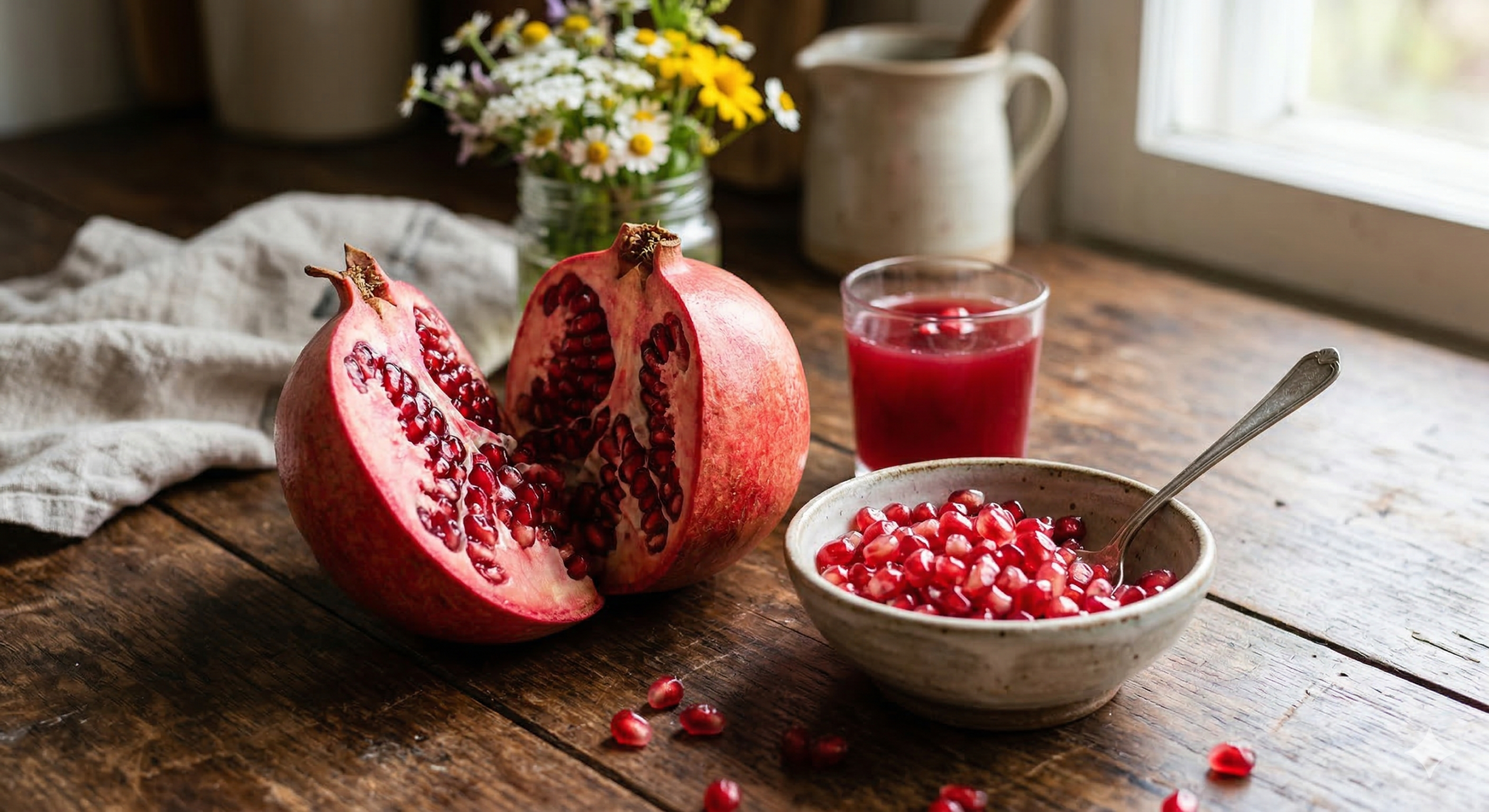
Enjoy them fresh: Simply opening a pomegranate and extracting the arils is a simple and rewarding way to enjoy their sweet-tart flavor. They can be eaten as a snack, added to salads, or sprinkled on yogurt and oatmeal.
-
Drink the juice: Pomegranate juice is a convenient way to get a concentrated dose of its beneficial compounds. Look for 100% pure pomegranate juice with no added sugar.
-
Add to recipes: The arils lend a delightful pop of flavor and color to many dishes, including:
-
Salads: Pomegranate seeds add a bright, acidic touch to green salads, grain salads, and fruit salads.
-
Savory dishes: They can be used to garnish roasted vegetables, grilled meats, and poultry dishes.
-
Desserts: Pomegranate seeds add visual appeal and a burst of flavor to cakes, tarts, and mousses.
-
Beverages: Pomegranate juice can be added to smoothies, cocktails, and mocktails.
-
Selecting and Storing Pomegranates:
-
Choose heavy fruit: A good pomegranate should feel heavy for its size, indicating that it’s full of juicy arils.
-
Check the skin: The skin should be smooth, firm, and bright red, with no soft spots or blemishes.
-
Storage: Whole pomegranates can be stored at room temperature for a week or two, but they last longer in the refrigerator (up to a month). Extracted arils can be stored in an airtight container in the refrigerator for up to 5 days or frozen for longer storage.
Unlocking the Benefits Safely:
While pomegranates are generally safe for most people to consume, it’s essential to be mindful of a few precautions:
-
Medication interactions: Pomegranates can interact with certain medications, including blood thinners, blood pressure medications, and cholesterol-lowering drugs. If you’re taking any medications, consult your doctor before consuming large amounts of pomegranate juice or extract.
-
Kidney health: Due to their potassium content, individuals with kidney disease may need to monitor their intake of pomegranates.
-
Sugar content: While pomegranates are natural fruits, pomegranate juice can be high in sugar. Choose 100% juice and consume it in moderation.
Conclusion:
The pomegranate, with its ancient origins and modern-day acclaim, stands as a testament to the power of natural foods. By understanding its nutritional profile, incorporating it into your diet in diverse ways, and being mindful of potential interactions, you can truly unlock the “pomegranate secrets” and harness its remarkable health benefits to promote overall well-being. So, next time you encounter this crimson gem, remember the wealth of health-promoting properties it contains and embrace its unique flavor and ancient wisdom.